PSNI criticised over omission of relevant details in Katie Simpson murder review
22 min
Listen through the publisher, then discuss the episode here or arrange an in-person Roundtable. Your city determines where to meet.
Roundtables are designed for groups of four, with a shared subject and room for everyone to speak. Come for discussion, with no dating expectation.
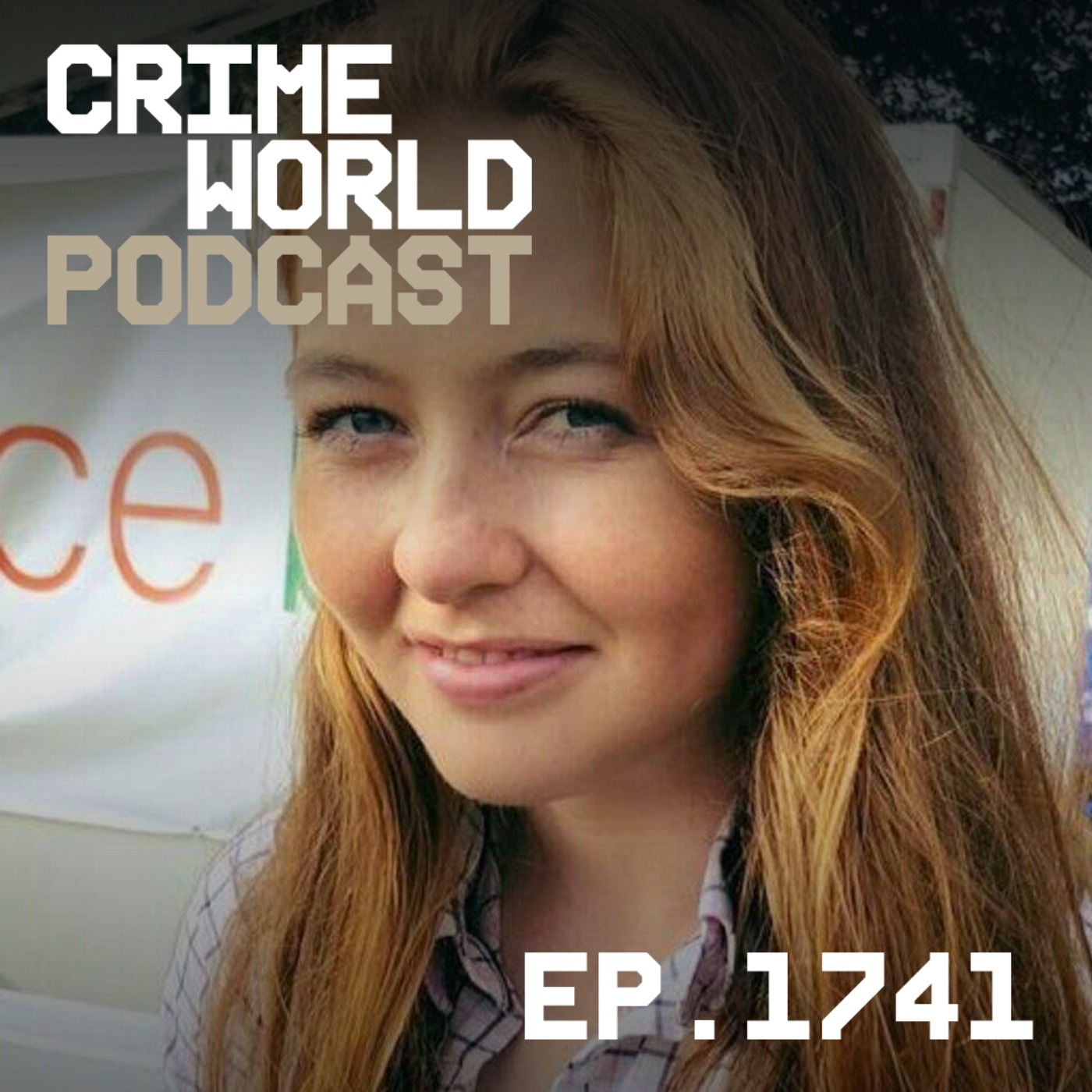
This week, the PSNI has been sharply criticised yet again for their handling of the investigation and subsequent reviews into the murder of 21-year-old showjumper Katie Simpson. Katie was strangled by her sister’s partner Jonathan Creswell in August 2020, who then claimed she’d taken her own life. Police said they had not been made aware of Creswell’s previous conviction for domestic abuse, or other reports of troubling behaviour. However, it has since been revealed that a top-level officer accessed his records five days after Katie’s death. Jenny Friel talks to journalist Tanya Fowles, who has repeatedly requested, under the Freedom of Information Act, more details about why this vital information was not supplied to the independent review of the PSNI investigation into Katie’s murder. Hosted on Acast.
Episode information is provided by the publisher. Listening takes place on the publisher’s service.
Matthew Farwell’s conviction settled the federal case against him. It did not settle what may have happened to evidence, what other officers knew, or how many cases depended on his work as a Stoughton police detective. Tony Brueski is joined by retired FBI agents Jennifer Coffindaffer and Robin Dreeke to connect two questions that belong together: could there be more arrests in the Sandra Birchmore case, and should prosecutors review the cases Farwell once investigated? These are not the same question, and neither has an automatic answer. William Farwell, Matthew’s twin, testified under federal immunity. Former Stoughton deputy chief Robert Devine has contested an oversight board’s findings concerning the “Marty Riggs” Facebook account, saying he was hacked. Neither has been charged in Sandra’s death. Coffindaffer lays out what investigators would need: corroborated communications, authenticated account access, consistent timelines and proof of each person’s conduct. Knowing somebody i
Hit subscribe so you don't miss any updates. Supported by True Crime Channel. ------- On the evening of 18 March 2009, Claudia Lawrence, a 35-year-old chef at the University of York, went home to her house on Heworth Road. The next morning she failed to arrive for her early shift, and she has never been seen since. More than seventeen years later, nobody has been charged, her body has never been found, and North Yorkshire Police treat her disappearance as suspected murder. Now, newly upscaled CCTV footage offers a clearer look at that night than ever before. In this special documentary, filmed on location in York, we retrace the streets around Claudia's home: from the Minster to Heworth Road, the alleyway behind her house and the corner where a CCTV camera was recording that night. We're also among the first to be allowed to film inside the Nags Head, Claudia's local pub, and we sit down with Tom McDermott to go through what happened in the hours before she vanished. At the centre of t
In this third and final part of our analysis of the murders of Katie Janness and her dog, Bowie, we give our profile of the offender. You can follow The Consult on social media: X/Twitter (https://www.twitter.com/theconsultpod) Instagram (https://www.instagram.com/theconsultpod) Facebook (https://www.facebook.com/theconsultpod) For additional information and resources, please visit our episode webpage: https://www.truecrimeconsult.com/163-the-unsolved-murder-of-katie-janness-part-3/ Music “Light in the Basement” by John Hanske.
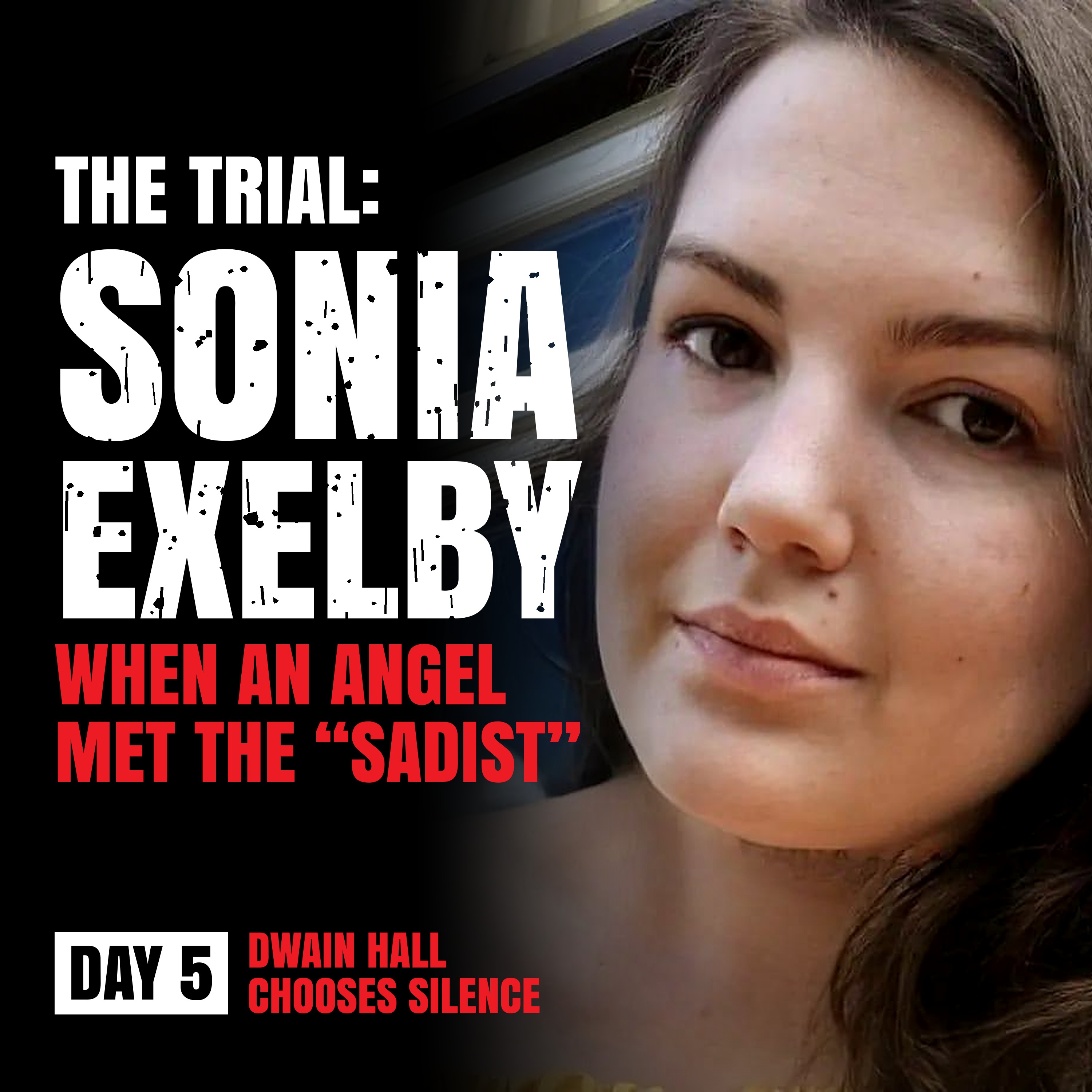
In this episode Caroline and Jack have details of the final evidence in the trial of Dwain Hall, including how his phone tracked his movements to the remote spot where Sonia Exelby was buried. We’ve also heard how police found a knife and sheath hidden at a friend’s house in Ohio, after Dwain Hall had secretly posted them just days after Sonia’s death. DNA experts told the jury that blood found on the knife had matched Sonia's DNA. We’ve also heard from the pathologist who carried out Sonia’s post-mortem, who revealed she had suffered four stab wounds, each of which could have been fatal. The prosecution have now finished presenting their case, and Dwain Hall has made the decision not to give evidence in his own defence. The Trial is part of The Crime Desk. Visit thecrimedesk.com (https://plus.thecrimedesk.com/exelby-podcast?sc_promo=EXELBY) for more information. Email us [email protected] WhatsApp us +447796657512 (start your message with ‘Trial’) Presenters: Caroline Cheetham an
This week’s Headline: On November 10th, 2026, ex-cop Matthew Farwell was found guilty in the death of Sandra Birchmore and her unborn child. In 2010, he met Sandra when she was just 12, through a police youth program in Stoughton, Massachusetts, where he was an instructor. By 15, he was sexually abusing her. Years later, she threatened to expose him and got pregnant. When she was found dead, investigators ruled it a suicide. It would take the FBI and 40,000 text messages to prove otherwise. Want all three parts of every case all at once? Need More to Binge? Follow me on Social Instagram: @Crimehouse (https://www.instagram.com/crimehouse/) TikTok: @Crimehouse (https://www.tiktok.com/@crimehouse) X: @crimehousemedia (https://x.com/crimehousemedia) America’s Most Infamous Crimes is hosted by Katie Ring
The murder of Julie Jensen is one of the most extraordinary cases in modern American crime. In the autumn of 1998, in Pleasant Prairie, Wisconsin, Julie Jensen, a devoted mother of two, sealed a letter and handed it to a neighbour with a chilling instruction: if anything happened to her, give it to the police. Weeks later she was dead, poisoned with antifreeze, and her letter named the person she feared would kill her, her husband, Mark Jensen. The case that followed turned on a question the law had never quite answered: can the dead give evidence? Julie's words from beyond the grave would convict her husband, then very nearly set him free, in a battle that reached the United States Supreme Court. On Crime at Bedtime, settle in, get comfortable, and let us tell you the story of the murder of Julie Jensen. All the details here Hosted on Acast.
Christy Kinahan's hopes for a plea deal in Spain, a man is jailed for life for brutal attack on a child in Dublin, and a Christmas grinch steals children's toys. This is a Crime World wrap up with Nicola and Eimear Rabbitt. Hosted on Acast.
It's 20 years since the brutal murder of mum-of-two Baiba Saulite, who was gunned down on her doorstep months after she successfully won a custody battle against her ex Hassan Hassan for her children. Baiba's murder remains unsolved and Hassan, who was suspected of having links to her assassination, was freed from jail and is living in the UK. Nicola talks to Jenny Friel about Baiba and her own meetings with her. Hosted on Acast.
Narco kingpin Miguel Ángel Félix Gallardo the one time godfather of Mexico's ruthless Guadalajara drug cartel died in custody aged 80 - after half a lifetime behind bars. The drug lord accused of the murder of DEA agent Kiki Cammerana, whose kidnap and torture was depicted in the Netflix series, went to his grave declaring himself an innocent man. Nicola talks with Jenny Friel about the legacy of Gallardo and how his business model of paying off police and politicians would turn Mexico into a Narco State. Hosted on Acast.
Customers' prepaid orders should receive special protection when a business fails.
Share your view, then see how readers voted. No sign-in required. This poll is shared across stories.
Do you agree or disagree?
Common Quandary
A Common Quandary to discuss
Another conversation to explore, separate from this news story.
The sign says twelve items and you have fourteen. Is the express lane still yours?
The regular checkout lines are long and the express lane is empty. You count fourteen small items, two over the posted limit. A shopper approaches behind you carrying a single carton of milk as the cashier waves you forward.
Are small rules optional when enforcing them would seem fussier than breaking them?