Listen through the publisher, then discuss the episode here or arrange an in-person Roundtable. Your city determines where to meet.
Roundtables are designed for groups of four, with a shared subject and room for everyone to speak. Come for discussion, with no dating expectation.
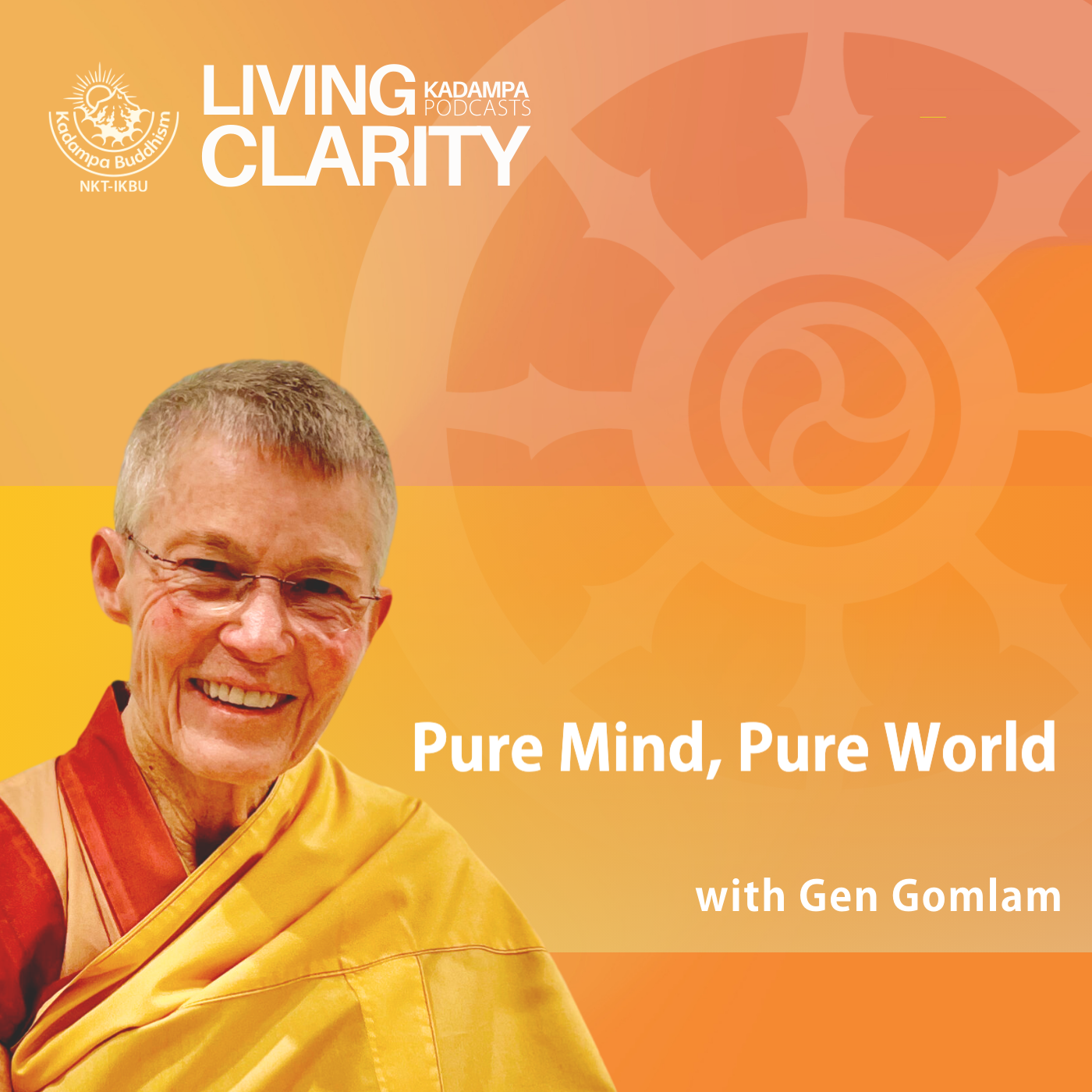
Gen Gomlam explores Buddha’s transformative teaching that our mind and our world are intimately connected. Discover how purifying our thoughts, reducing delusions and cultivating love and compassion can change our personal experience of life. Through the analogy of a dream, she explains why developing wisdom offers a hopeful path towards lasting happiness and world peace.
Episode information is provided by the publisher. Listening takes place on the publisher’s service.
At 17, he was broke, homeless, and sleeping in a laundry room. With $12 to his name, he found a book that helped him rewire his mind—and it changed everything. This is the true story of how Young Tony Robbins used belief, discipline, and unstoppable drive to achieve his dream... Uploaded 15-06-25 Watch more videos like this Tony Robbins' Untold Story of His Childhood with Randall Kaplan: https://youtu.be/F6r0zvfJDF8 Do THIS When You Feel Lost In Life - FULL Tony Robbins Intervention: https://youtu.be/ngTzB0WeYOc This ONE Mental Shift Will Rewrite Your Entire Future...: https://youtu.be/zi_22RoSklI Wake Up the Part of You That’s Been Asleep | Tony Robbins Breakthrough: https://youtu.be/ngTzB0WeYOc Join "The Edge" - Tony Robbin's FREE weekly newsletter: https://tonyr.co/3YJ0m2L Try Tony AI for just $1: https://tonyr.co/4cr742A Follow Tony Robbins: Facebook: https://www.facebook.com/TonyRobbins Instagram: https://instagram.com/tonyrobbins/ TikTok: https://www.tiktok.com/@tonyrobbins Twitt
You went back. Maybe not to the same person, but to the idea of them. You rehearsed the conversation again in your mind. You thought of better words, sharper examples, a clearer way to say the thing you'd already said. You kept trying to win an argument that was already over, with a person who had already walked away. Uploaded 13-10-26 That hunger to be understood is one of the most natural things in the world. And it is also one of the quietest thieves of a person's peace that I know of. You explain yourself to one person, feel relief for a day, and then someone else shakes their head, and you're back building the case for your own life all over again. Here is the truth: it is not another person's job to understand you. It is your job to understand yourself. And once you've done that interior work, the opinions of people who don't understand you go from feeling like a verdict to feeling like weather. This seminar unpacks the single mechanic behind why you keep over-explaining your lif
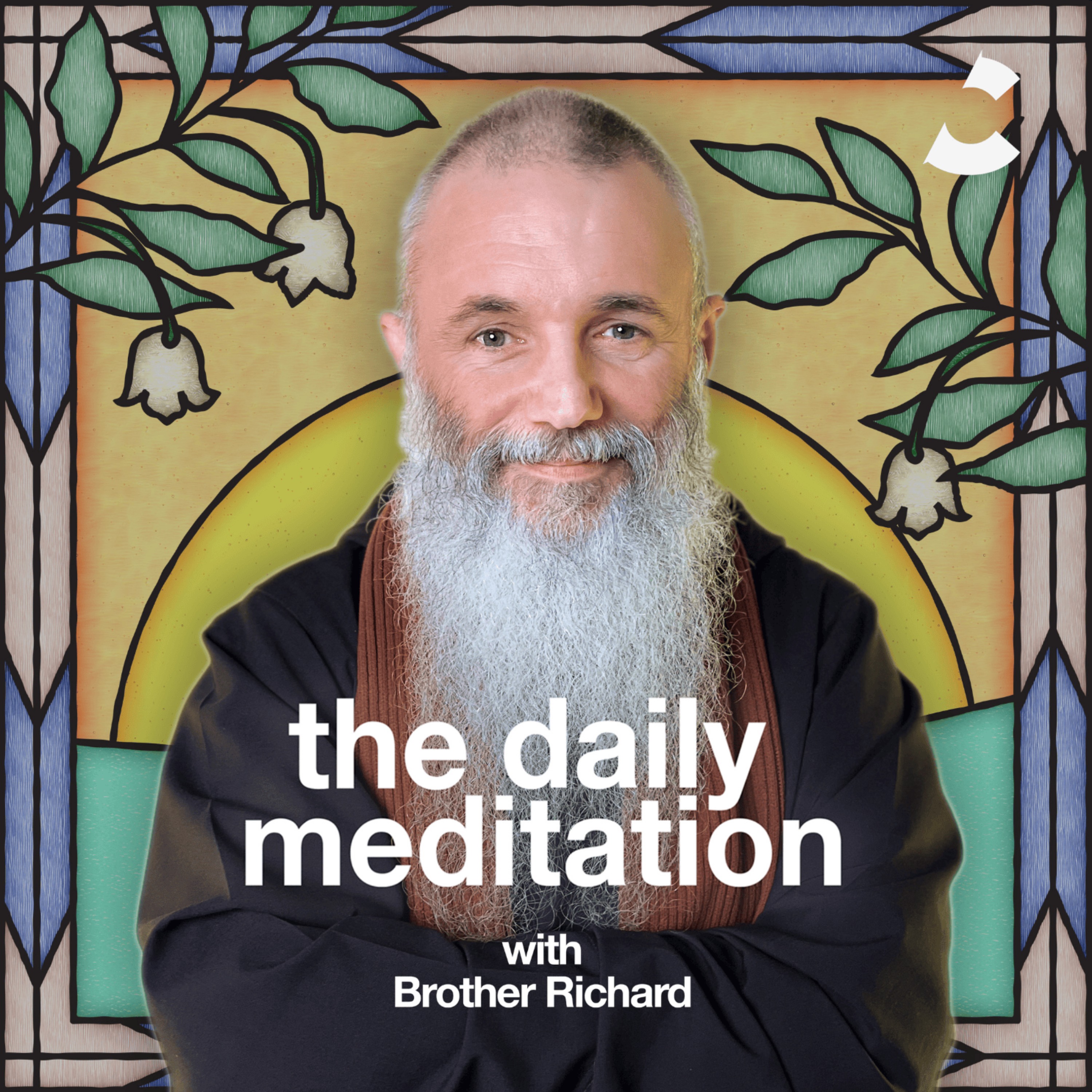
In this meditation, I invite you to reflect on the changing light of autumn as we move towards the darker days of winter. As the daylight hours grow shorter, we can sometimes feel that we are losing something. Yet the contemplative life invites us to receive each season as it is, discovering beauty and sacredness in the present moment. Beginning with the breath, we explore the difference between the changing light around us and the unchanging light of divine presence within. From the gentle light of morning to the lamps that illuminate our evenings, every expression of light becomes an invitation to awareness. As we breathe, we allow ourselves to be filled with divine light, offering compassion, peace and prayer to those in need. Chapters: 00:00 – Introduction: Autumn light 01:10 – Entering meditation with intention 01:58 – Relaxing the body and following the breath 02:48 – Returning to the present moment 03:12 – Becoming aware of the light within 03:40 – The gift of divine light 04:10
2027 KICKSTARTER https://nla.to/KS (http://nla.to/KS) In this episode of Rooted in the Stars, I explore the trine between Uranus in Gemini and Pluto in Aquarius through the possibilities and pressures of our increasingly connected world. These air-sign themes invite questions about innovation, technology, and collective change, alongside the everyday work of caring for ourselves within it. Our companion is Ananse, the clever spider of West African Akan storytelling traditions. Through his pursuit of stories and his attempt to gather all the world's wisdom into a single vessel, we explore the difference between collecting information and learning how to live with it. SHARE THIS PODCAST EPISODE WITH A FRIEND ️: https://youtu.be/2TEhTamw-Y4 Together, we consider: • How we gather knowledge, honor its sources, and take responsibility for what we share. • The weight of constant information intake and the importance of noticing our own capacity. • A guided breath and body-awareness practice f
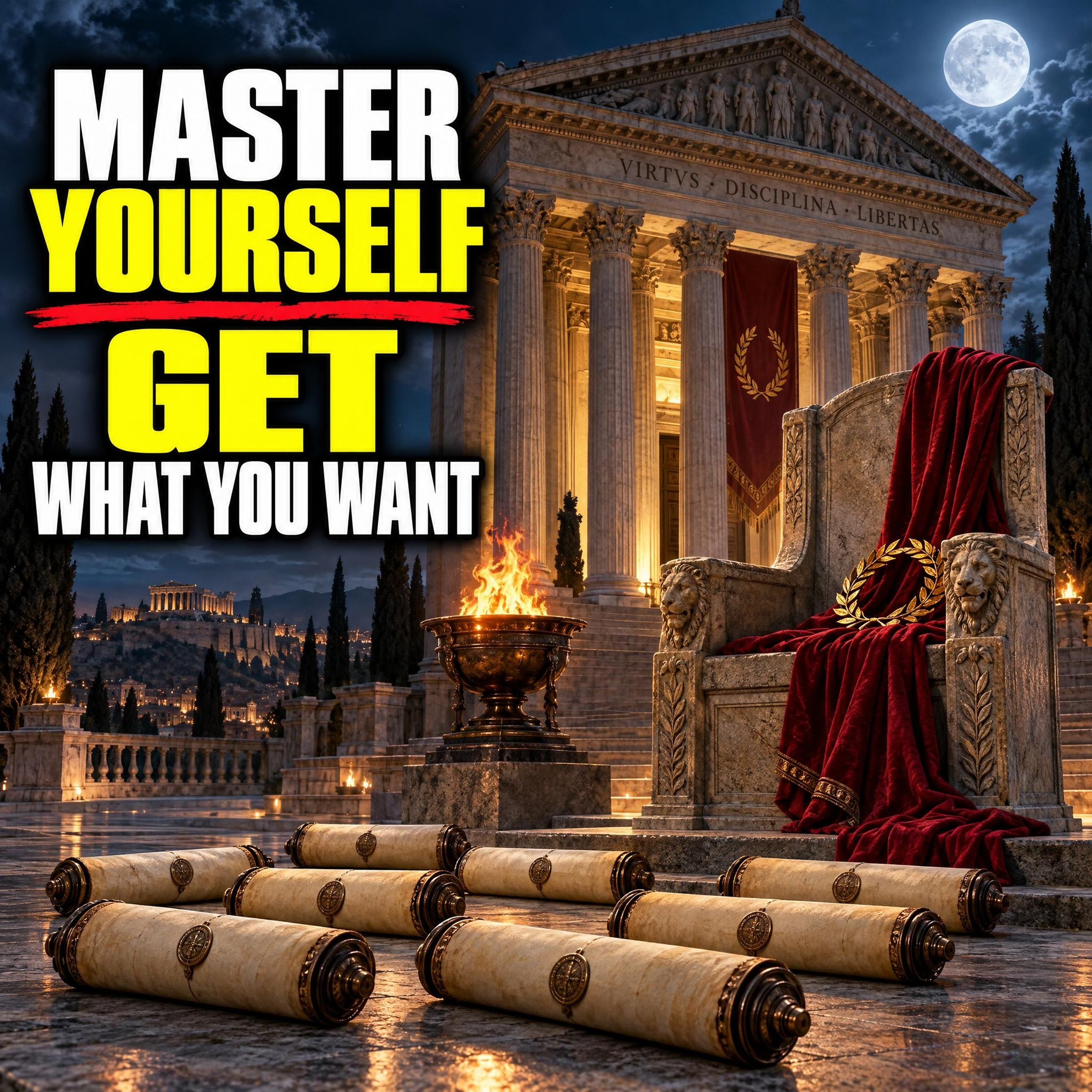
Support Stoicism Philosophy on Ko-fi Do you enjoy our content? Help us keep sharing Stoic wisdom by supporting us on Ko-fi. Click here to support us (https://ko-fi.com/stoicpodcast) Thank you for being a key part of Stoicism Philosophy. Your generosity keeps Stoic philosophy alive! HOW TO GET WHAT YOU WANT does not begin with wanting more, but with learning to master your mind, your impulses, and your actions. In this video, you will discover 8 Stoic secrets for pursuing your goals with discipline, calm, and clarity, without depending on luck or letting yourself be carried away by anxiety. Stoicism teaches that true power lies in controlling what depends on you: your decisions, your character, your focus, and your response to obstacles. Through principles inspired by the wisdom of Marcus Aurelius, Seneca, and Epictetus, you will learn how to turn desire into action, strengthen your self-control, maintain inner peace, and keep moving forward even when circumstances are not perfect. If y
Get the 200+ Page Optimal Living Daily Workbook (PDF) - Free. Want to turn today's episode into an actionable plan? Episode 4232: Chris Guillebeau shares a candid, funny account of his lack of qualifications, from a short-lived dishwashing job to failing his way through statistics and shrink-wrapping pallets. He argues that formal credentials matter far less than people think, and that anyone who builds a good life without them should treat that work with gratitude and diligence. It is an encouraging take on personal development for anyone who has ever felt like an imposter. Read along with the original article(s) here: https://chrisguillebeau.com/qualifications/ Quotes to ponder: "First, forget about what you're actually qualified to do. It's irrelevant and no one cares." "Fourth, when you do find something that works for you, you should be very grateful, every day." "Regardless of your actual qualifications, there's one thing that no one can give you and no one can take away: the wil
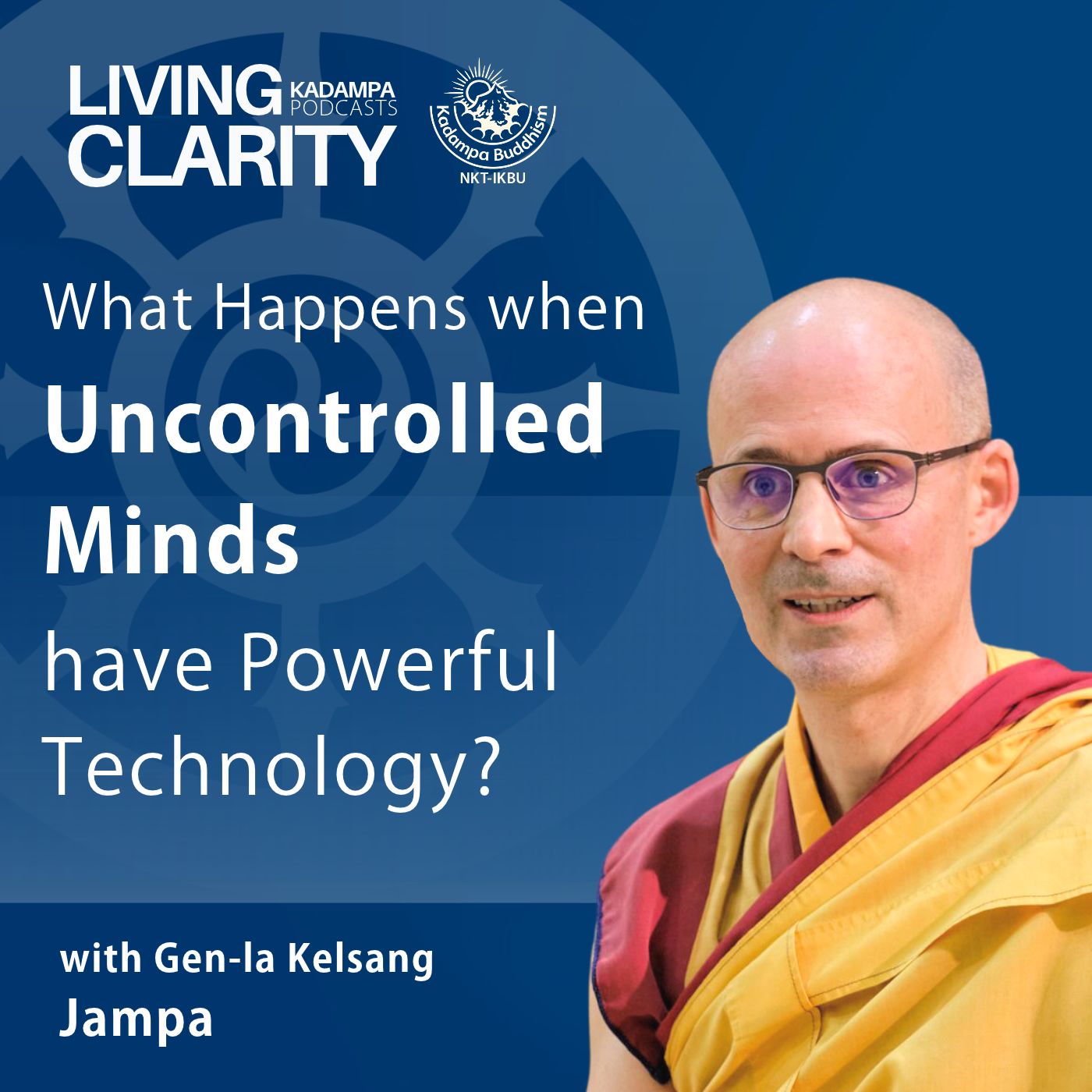
Gen-la Jampa shows why technological progress has not delivered the happiness we hoped for. Through Geshe Kelsang’s teachings and a verse from Shantideva, he traces happiness and suffering back to their real source — the mind itself — and the radical shift that comes when we stop trying to control everything outside us. Further reading in the following book: How to Transform Your Life (https://kadampa.org/book/how-to-transform-your-life)
Sports eligibility rules should be based on transparent evidence and allow meaningful appeal.
Share your view, then see how readers voted. No sign-in required. This poll is shared across stories.
Do you agree or disagree?
Common Quandary
A Common Quandary to discuss
Another conversation to explore, separate from this news story.
You are vegetarian, but the leftover steak is headed for the trash. Do you eat it?
A vegetarian avoids buying meat because of animal welfare concerns. At work events, untouched meat is routinely thrown away, and eating it would neither increase demand nor cause another animal to be harmed.
Should a moral practice be judged by its consequences or its consistency?