Putinism, Revisionism and Deterrence Strategy Michael McFaul, author of Autocrats versus Democrats MCFAUL5
11 min
Listen through the publisher, then discuss the episode here or arrange an in-person Roundtable. Your city determines where to meet.
Roundtables are designed for groups of four, with a shared subject and room for everyone to speak. Come for discussion, with no dating expectation.
È917 KREMLIN Putinism, Revisionism and Deterrence Strategy Michael McFaul, author of Autocrats versus Democrats, defines "Putinism" as an aggressive, risk-taking doctrine driven by anti-Western and Orthodox Christian values and imperial revisionism. He reviews Putin's military aggression in Georgia, Crimea, Syria and Ukraine, and faults successive U.S. administrations for their weak first responses. The Westlacked a proper strategic hedge, he argues. Faster NATO expansion and earlier delivery of defensive weapons to gray-zone countries like Ukraine might have deterred Russia's full-scale invasion in 2022. Part Five. (5)
Episode information is provided by the publisher. Listening takes place on the publisher’s service.
Scott Ritter is a former Major, Intelligence Officer, US Marine, and UN Weapons Inspector. Follow Prof. Glenn Diesen: Glenn Diesen Clip Channel: https://m.youtube.com/@Prof.GlennDiesenClips/videosSubstack: https://glenndiesen.substack.com/ X/Twitter: https://x.com/Glenn_DiesenPatreon: https://www.patreon.com/glenndiesen Support the research by Prof. Glenn Diesen: PayPal: https://www.paypal.com/paypalme/glenndiesenBuy me a Coffee: buymeacoffee.com/gdiesengGo Fund Me: https://gofund.me/09ea012fBuy Diesen merchandise: https://diesen-shop.fourthwall.com/en-nokBooks by Prof. Glenn Diesen: https://www.amazon.com/stores/author/B09FPQ4MDL00:00 Introduction and Context of the Conflict01:06 Escalation of Attacks on Russia05:48 The Role of Drone Warfare10:02 European Involvement and Strategic Dynamics13:42 The Myth of Russian Weakness17:54 Russia's Strategic Restraint22:08 Historical Perspectives on Conflict Resolution28:47 Europe's Economic Suicide33:36 The Future of Ukraine39:03 Russia's Perspe
Harry and Flo Betts have been married twenty-three years and have argued for most of them, lately over television: he can't get enough science fiction, she can't get enough of her soap operas, and each is sure the other has started to believe what's on the screen. Then one Friday afternoon, with her friend Grace called away to a crisis at the school, Flo sits down alone for the big episode of Five In The Family and gets, instead, two figures in gray in a room full of instruments, one of them saying into the camera that Earth must be warned before it's too late. The station says nothing went wrong, Grace never sees it, her husband's psychiatrist friend starts asking about her marriage, and the two strangers return again and again, only ever when Flo is watching by herself. CHAPTERS & TIME STAMPS (All Times Approximate)… 00:00:00.000 = Show Open 00:01:30.028 = CBS Radio Mystery Theater, “Look Who’s Coming” (June 11, 1979) ***WD 00:48:21.405 = Lights Out, “The Signalman” (August 24, 1946)
Drones and missiles over Polish airspace, arson, sabotage and assassination plots across Europe: Poland's deputy prime minister and foreign minister, Radosław Sikorski, calls it "boiling the frog," Russia's way of making the unacceptable feel normal. We sat down with him at Poland's mission to the United Nations in New York on September 21, 2026, on the eve of the General Debate. Our YouTube viewers may have already seen this conversation; this is the audio edition. The episode opens with two moments that show how direct Sikorski can be. In February 2025, beside an Iranian-designed Shahed drone shot down in Ukraine and brought to New York, he said Iran's ambassador had lied to him. And two days after our interview, at a Security Council meeting on Ukraine, he answered Russian Foreign Minister Sergei Lavrov, who had already left the chamber: "Sergei, I know you're listening. Tell your boss enough is enough." In our conversation, Sikorski urges President Trump to use the sanctions power
Texas walked into College Station and defeated Texas A&M 16–6, earning its third consecutive rivalry victory and punching its ticket to the SEC Championship Game. Jeff Howe and CJ Vogel break down another gritty win in which Will Muschamp’s defense delivered the decisive plays, holding the Aggies without a touchdown and slamming the door with two critical fourth-down stops. The guys also examine Texas’ uneven offensive performance, Arch Manning’s costly red-zone interception and the emergence of Michael Terry as the offense’s physical tone-setter. Plus, they discuss Gianni Spetic’s remarkable season, a depleted offensive line answering the call, Mike Elko’s “Charmin soft” decisions and the looming showdown with Georgia in Atlanta—with the College Football Playoff waiting beyond it. Thank you to our sponsor: Promo Code: ONTEXAS Hosted by Simplecast, an AdsWizz company.
MeidasTouch host Ben Meiselas reports on Melania Trump getting sidelined and explains why he thinks she was cast aside once she’d served her purpose. Meiselas argues that her “both sides” framing of Russia’s war on Ukraine gave Vladimir Putin political cover and diverted attention from the atrocities Russia has committed in Ukraine. Tushy: 3 Million Butts Love TUSHY. Visit https://meidasplus.com (https://meidasplus.com/) for more! Support the MeidasTouch Network: https://patreon.com/meidastouch (https://patreon.com/meidastouchAdd) Add the MeidasTouch Podcast: https://podcasts.apple.com/us/podcast/the-meidastouch-podcast/id1510240831Buy MeidasTouch Merch: https://store.meidastouch.com (https://store.meidastouch.com/) Follow MeidasTouch on Twitter: https://twitter.com/meidastouchFollow MeidasTouch on Facebook: https://facebook.com/meidastouchFollow MeidasTouch on Instagram: https://instagram.com/meidastouchFollow MeidasTouch on TikTok: https://tiktok.com/@meidastouch
In This Episode of the 2 Worlds Collide Podcast, I sit down with the Emma, James and Matteo from the Ringers Western team for a wide-ranging conversation about building an Australian clothing business, family, freedom of speech and the pressures facing Australian business owners. Ringers Western is a sponsor of the 2 Worlds Collide Podcast. In this conversation, the team explains why they chose to support the show, including their response to concerns about the risks of backing an outspoken independent voice. We discuss taxes, government spending, cost-of-living pressures and why the team believes business experience matters in political leadership. They also share the Ringers Western origin story: growing up on a Kimberley cattle station, sketching an idea around a campfire and growing from a family garage into a business they say now employs around 350 people. The conversation also covers family life, online regulation, military culture and the importance of being able to disagree wi
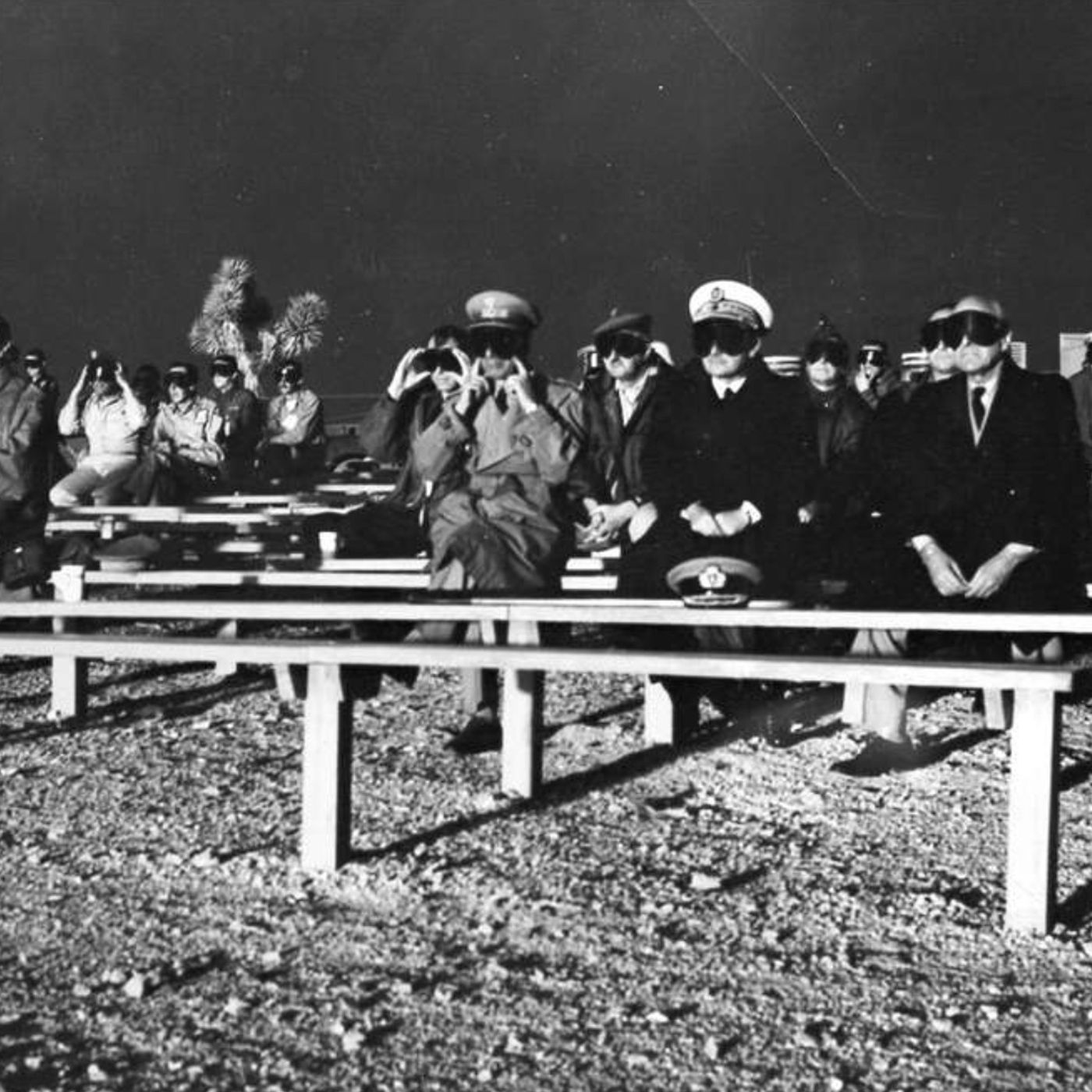
1957 PLUMBBOB ,BOLTZMAN EVENT Grand Strategy for Democratic Alliances Michael McFaul, author of Autocrats versus Democrats, sets out a long-term grand strategy for the democracies in their competition with rising autocracies. He argues that democratic alliances still hold the advantage over Russia and Chinain military, economic, technological and ideological strength. To keep that edge, he calls for strengthening democratic institutions at home and renewing investment in public diplomacy such as the Voice of America. He also urges reforming trade agreements rather than retreating into isolation, and keeping international democratic coalitions united. Part Eight. (8)
1890 UKRAINE Supporting Ukraine and Attracting Talent Michael McFaul, author of Autocrats versus Democrats, outlines strategies for countering autocratic aggression and preparing for a future political transition in Russia. He stresses that backing a decisive Ukrainian victory is essential to undermining Putin's narrative and encouraging reform inside Russia. He also urges reform of restrictive U.S. visa policies to attract top Russian and Chinese technical talent, and the strategic exploitation of the friction points in the partnership between Xi Jinping and Vladimir Putin. Part Seven. (7)
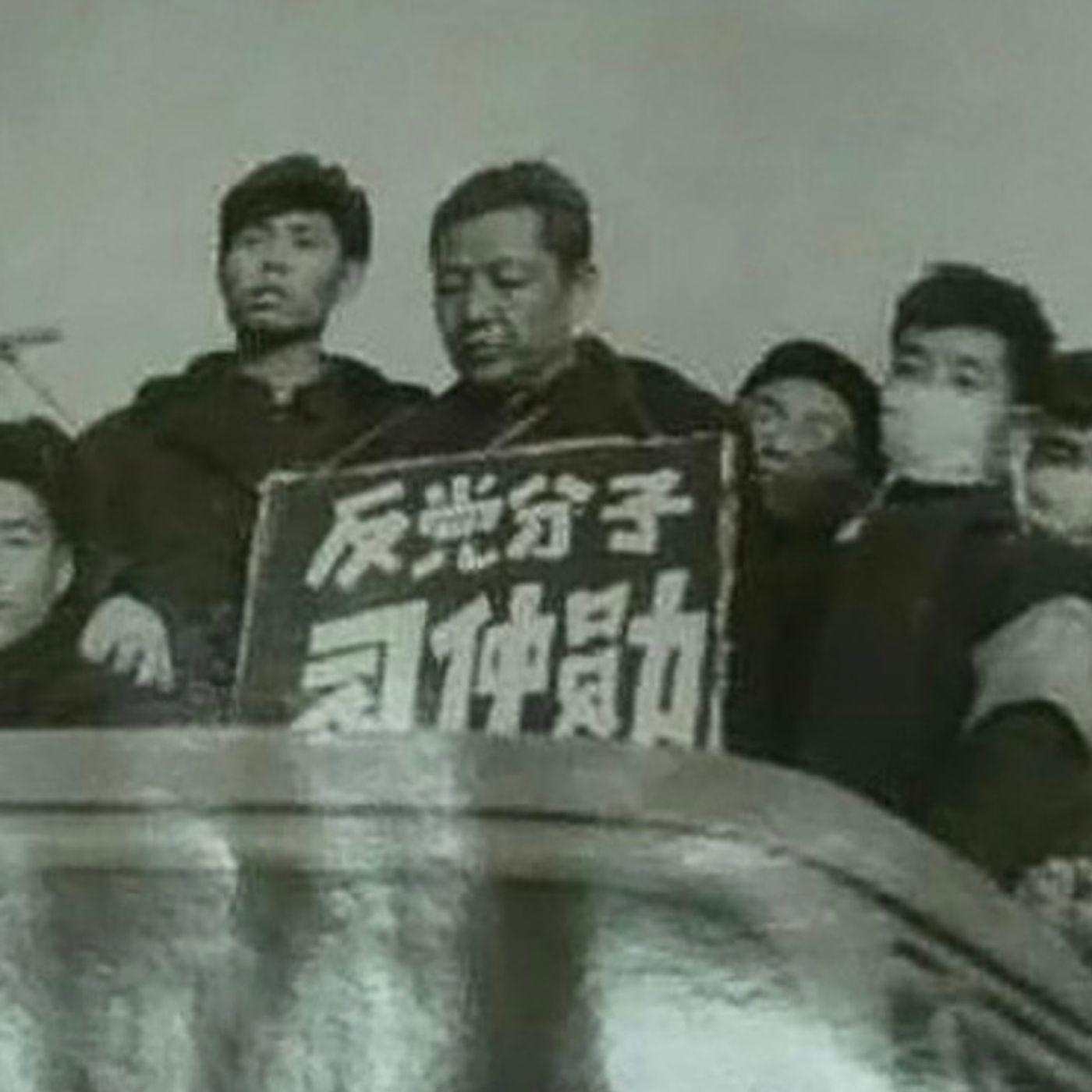
1967 RED GUARDS Autocracy, Alliances and Human Rights Michael McFaul, author of Autocrats versus Democrats, analyzes U.S. strategy toward autocrats, citing Donald Trump's meetings with Xi Jinping at Mar-a-Lago. McFaul supports strong military deterrence and direct communication with adversaries, but criticizes policies that strain key democratic alliances. He calls for pairing firm security measures with open advocacy for human rights, pointing to jailed Hong Kong publisher Jimmy Lai as a figure who can inspire democratic dissidents living under the regimes in China and Russia. Part Six. (6)
Companies should explain underlying business problems when reporting financial results.
Share your view, then see how readers voted. No sign-in required. This poll is shared across stories.
Do you agree or disagree?
Common Quandary
A Common Quandary to discuss
Another conversation to explore, separate from this news story.
A parent clearly built the winning science project. Who should lose the prize?
An elementary student submits an elaborate science project far beyond their apparent ability. The parent proudly describes working together all weekend, and the child clearly learned something, but other students completed simpler projects themselves.
What is a fair response when help improves learning but distorts achievement?