Listen through the publisher, then discuss the episode here or arrange an in-person Roundtable. Your city determines where to meet.
Roundtables are designed for groups of four, with a shared subject and room for everyone to speak. Come for discussion, with no dating expectation.
This episode was originally released on October 22, 2024. In the buzzin’ firefly nightlife scene, neon lights glow bright and sparks fly. But, there’s murder on the dancefloor… The infamous 'Femme Fatale' firefly has mastered the ultimate bait-and-switch seduction strategy, and these sly flies (that are really beetles, actually) aren’t interested in a happily ever after, instead they’re looking for a ‘one-bite stand.’ Get consumed in this episode by one of nature’s flashiest insects. Join host, Dr. Kaylee Byers, as she chats with Dr. Sarah Lower about the enchanting world of glow beetles. And later, Dr. Peter Andolfatto reveals how genomics is uncovering the secrets behind how Femme Fatale fireflies have evolved to resort to such drastic measures. Plus, find out what studying firefly toxin DNA could mean for future medical breakthroughs. – Highlights: (5:40) Dr. Sarah Lower covers some firefly basics (12:11) Dr. Lower on the deceptive strategy of the Femme Fatale Fireflies (19:21) Dr. Andolfatto explains how fireflies have evolved difference resistance strategies to toxins (26:02) Dr. Lower on how to get involved in firefly conservation – Sources 1.https://www.ncbi.nlm.nih.gov/pmc/articles/PMC10028858/A Comprehensive Review of Firefly Conservation (https://www.ncbi.nlm.nih.gov/pmc/articles/PMC10028858/) - NCBI 2.https://www.science.org/doi/10.1126/sciadv.abc5705Firefly Genome and Its Role in Bioluminescence (https://www.science.org/doi/10.1126/sciadv.abc5705) - Science Advances 3.https://academic.oup.com/pnasnexus/article/3/6/pgae215/7695494Patterns of Firefly Species Extinction Risk (https://academic.oup.com/pnasnexus/article/3/6/pgae215/7695494) - PNAS Nexus 4.https://www.xerces.org/endangered-species/firefliesFireflies: Species at Risk of Extinction (https://www.xerces.org/endangered-species/fireflies) - Xerces Society 5.https://www.bucknell.edu/fac-staff/sarah-lowerSarah Lower - Faculty at Bucknell University (https://www.bucknell.edu/fac-staff/sarah-lower) - Bucknell University 6.https://andolfattolab.com/Andolfatto Lab (https://andolfattolab.com/) - Andolfatto Lab
Episode information is provided by the publisher. Listening takes place on the publisher’s service.
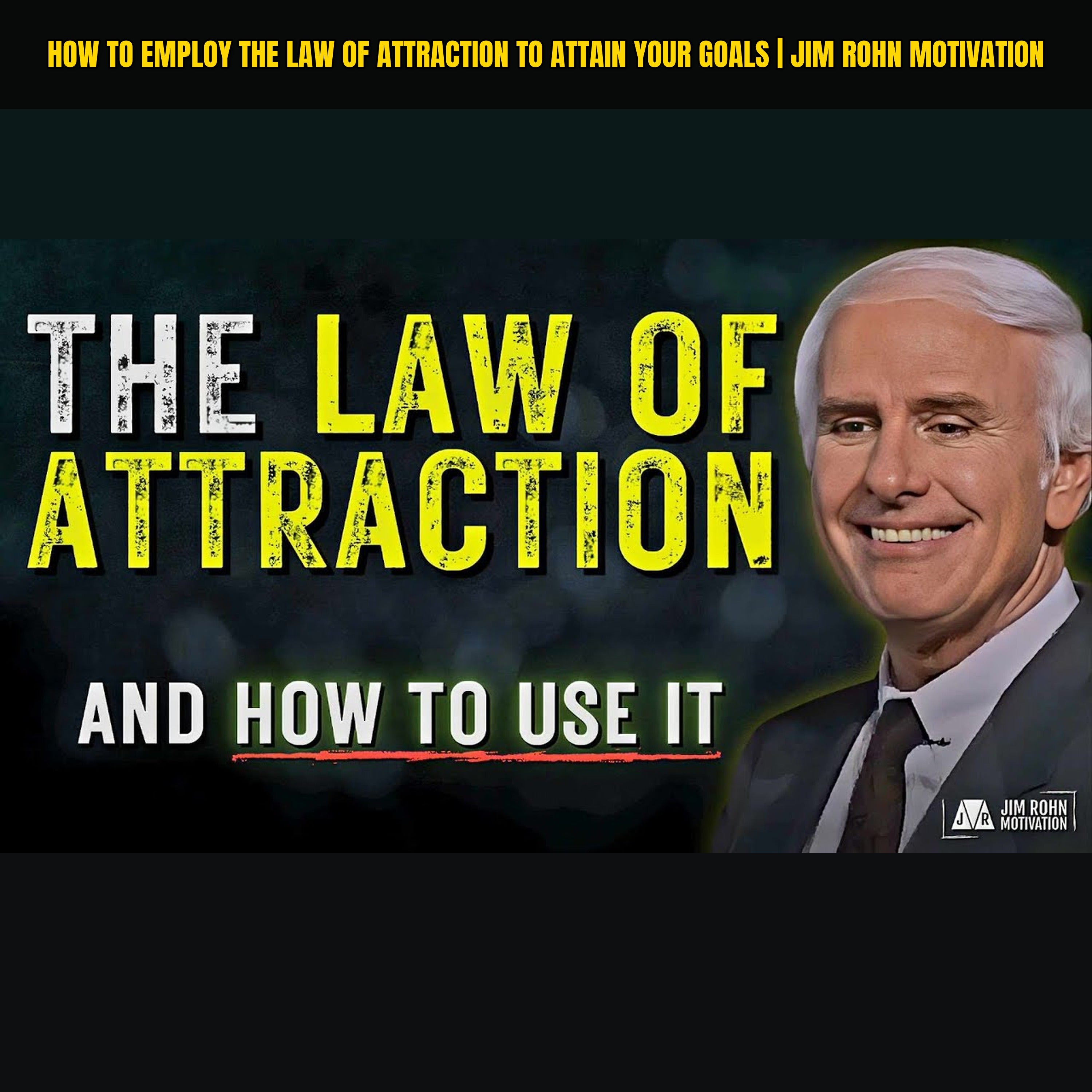
#JimRohnMotivation #JimRohn #JimRohnSpeech In this Jim Rohn Motivation video, we uncover the truth about the law of attraction and how to actually make it work in your life. The law of attraction isn’t just about wishful thinking—it’s about aligning your thoughts, emotions, and actions with your goals. Jim Rohn teaches that success doesn’t come from sitting around and hoping; it comes from focus, belief, and daily effort.Key Topics From This Motivational Video: Why most people misunderstand the law of attraction How your thoughts, emotions, and habits shape your results The secret to attracting success instead of struggle The power of faith, persistence, and daily action How to align your mindset with your long-term vision The law of attraction is always working—whether you realize it or not. Your mindset, emotions, and habits create your reality. If you focus on problems, you attract more problems. But if you train your mind to see opportunities and act with confidence, success become
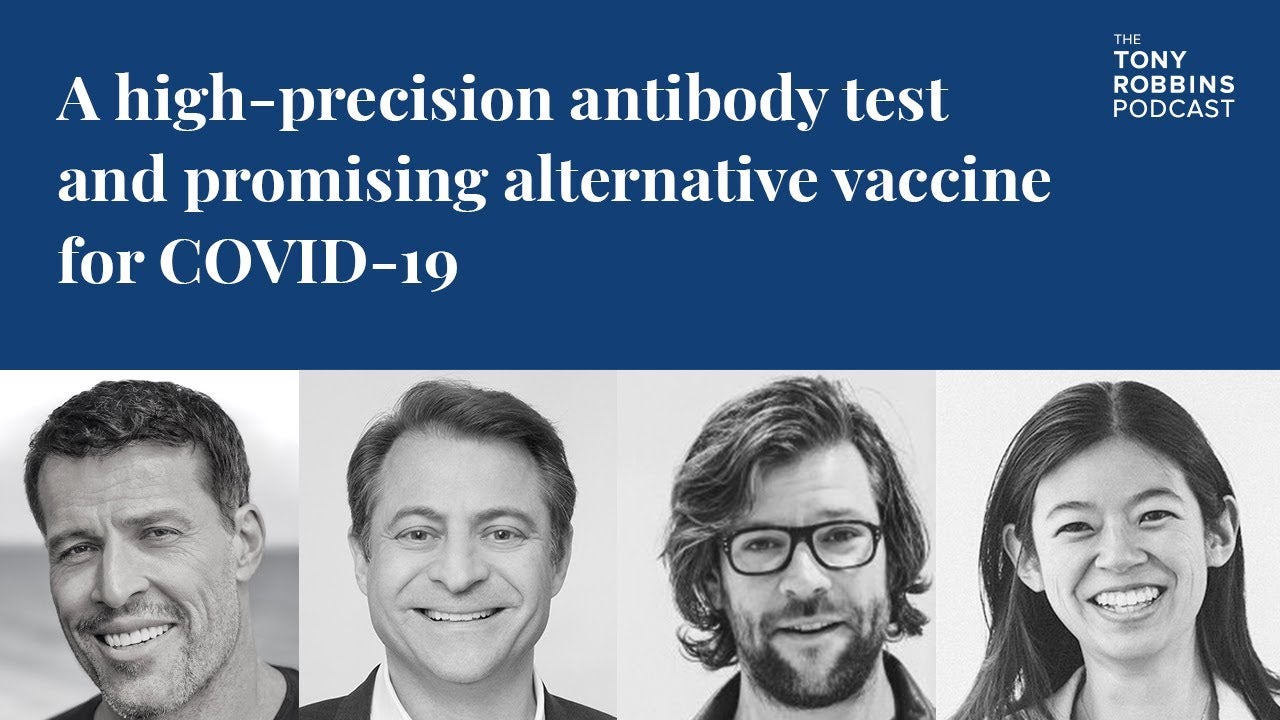
In part 2 of this special edition episode, Tony – along with his friend Dr. Peter Diamandis, the Harvard Medical School trained M.D. and executive founder of Singularity University – explore the present and future of COVID-19. Uploaded 11-05-20 Tony and Peter speak with Mei Mei Hu and Lou Reese, Co-CEOs of United Biomedical, a company that is now offering an affordable and accurate diagnostic test for COVID-19 through its subsidiary, COVAXX Their antibody test is different from others, as it can detect not only if you currently have the virus, but also it signals if you’ve ever had the virus, which is crucial in determining the true rate of mortality associated with COVID-19 – and whether people are immune and therefore able to stop isolating, and go back to work. Lou and Mei Mei’s team at COVAXX is also working on a breakthrough alternative option to a traditional vaccine for coronavirus, which you’ll hear discussed in the last half of the episode. COVAXX: https://www.covaxx.com/ View
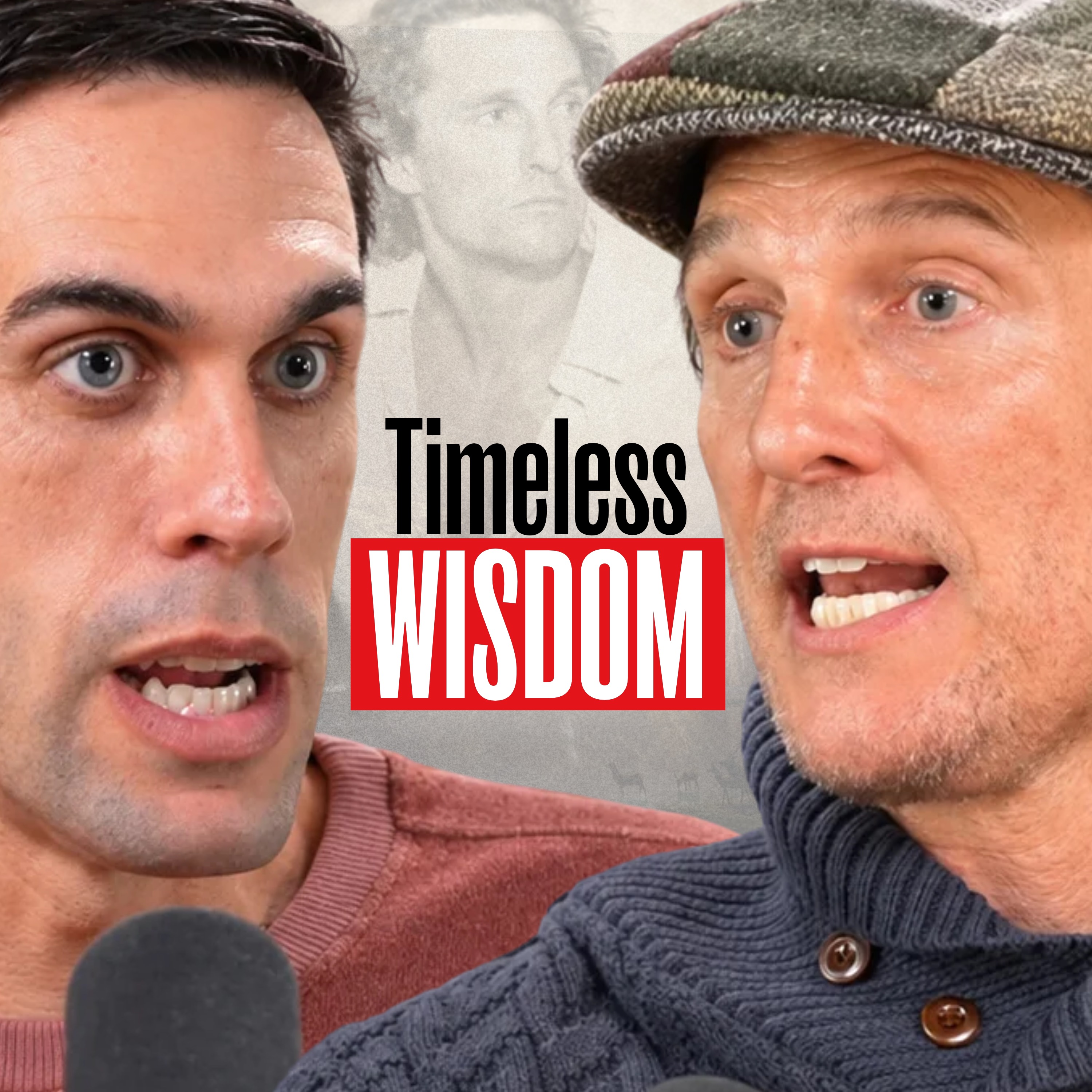
Today, Ryan sits down with Academy Award-winning actor and bestselling author Matthew McConaughey to talk about the power of poetry and how it can help us make sense of life. They talk about the difference between being good and being nice, the courage to stand by your principles, knowing when to say no, how poetry can help us navigate life’s challenges, and more. Grab the NEW Poems & Prayers: Deluxe Edition by Matthew McConaughy (https://www.thepaintedporch.com/products/poems-prayers-deluxe-edition-unsigned?_pos=2&_sid=f59711761&_ss=r): https://www.thepaintedporch.com/products/poems-prayers-deluxe-edition-unsigned?_pos=2&_sid=f59711761&_ss=r Greenlights by Matthew McConaughy (https://www.thepaintedporch.com/products/bio2?_pos=1&_sid=0b6db1b34&_ss=r): https://www.thepaintedporch.com/products/bio2?_pos=1&_sid=0b6db1b34&_ss=r Greenlights: Your Journal, Your Journey by Matthew McConaughy (https://www.thepaintedporch.com/products/greenlights-your-journal-your-journey?_pos=2&_sid=0b6db1b34&
Master the skills that change lives — enroll in your free human behavior course today: https://nci.university/learn Uploaded 15-01-26 EXECUTIVE SUMMARY: Video: What It Feels Like to See Into People Purpose: Reframe how human behavior is actually driven and perceived Outcome: Permanent shift in how you experience people and conversations CORE IDEA: Human behavior is not driven by beliefs, opinions, or logic. Those are after-action reports. Behavior is driven by the nervous system’s constant assessment of: • safety • approval • power • avoidance of shame Decisions are made before conscious thought. Beliefs are constructed afterward to justify what already happened. WHY THIS MATTERS: Most people spend their lives interacting with: • beliefs • arguments • explanations • surface narratives As a result, they miss the layer where real decisions are made. This video focuses on that lower layer — the one that actually governs: • conflict • influence • attraction • resistance • leadership • trus
A kiss can be wonderful. It can create an instant connection, spark romance, or make you feel closer to someone. But a kiss can also have the opposite effect — and sometimes ruin everything. So what makes kissing so powerful, and why can one kiss make such a difference? There's some fascinating science behind it. https://www.scientificamerican.com/article/why-we-kiss/ We spend an enormous amount of time worrying about what's going to change. What's next? What's coming? How do we prepare? But what if we're paying attention to the wrong things? Some of the most important forces shaping our lives never change, and understanding them may be far more valuable than trying to predict the future — something humans are notoriously bad at. Morgan Housel, partner at The Collaborative Fund and author of Same as Ever: A Guide to What Never Changes (https://amzn.to/3SwWn6u) (https://amzn.to/3SwWn6u)), joins me to explain why the things that stay the same may be the most important things to understan
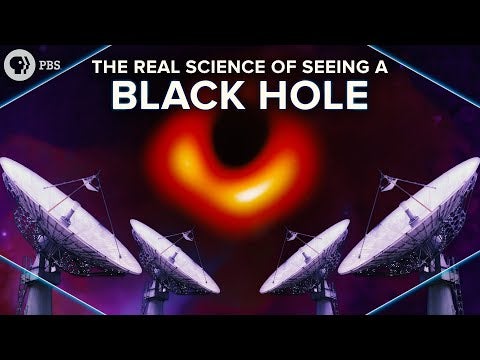
You can learn more about CuriosityStream at https://curiositystream.com/spacetime Uploaded 01-05-19 PBS Member Stations rely on viewers like you. To support your local station, go to: http://to.pbs.org/DonateSPACE How do you take a picture of a black hole and what can we learn from it? Our first ever actual bona fide photo of a black hole, made by the Event Horizon Telescope and revealed to the world in a press conference on April 10th. Since then it’s got plenty of coverage, because … I mean look at it. It’s a freaking black hole. It’s black, it’s holey, it’s everything we hoped it would be. Now that the giddiness has subsided and I personally have stopped spending hours on end staring at a black spot, we can take a breath and actually look at the real science here and discuss exactly how a picture like this could be taken and what we can learn from it. Check out the new Space Time Merch Store! Support Space Time on Patreon Need a Black Hole Refresher #Blackhole #astrophysics #spaceti
Pancreatic cancer has notoriously been hard to detect and treat. Changes in the KRAS gene cause cells to make a protein that make pancreatic cancer grow. And that protein has been notoriously difficult to target. But now, a promising new class of drugs is boldly going where no drug has gone before. In this episode, Dr. Kaylee Byers sits down with medical oncologist Dr. Brandon Huffman to unpack the science behind this breakthrough medication. And, we also meet pancreatic cancer patient and advocate, Stephanie Ramsey, who shares how genetics shaped her own cancer journey, and what these latest advances could mean for the people who need them most. From a once “undruggable” disease finally meeting its match, to questions around accessibility, Kaylee explores what this development could mean for the future of pancreatic cancer care. - Highlights 01:52- Why Is Pancreatic Cancer So Hard to Treat? 06:40- How Genetic Testing Changed Stephanie’s Cancer Journey 22:25- A Breakthrough Drug. But W
Regulators should challenge excessive market power even when a company's products are popular.
Share your view, then see how readers voted. No sign-in required. This poll is shared across stories.
Do you agree or disagree?
Common Quandary
A Common Quandary to discuss
Another conversation to explore, separate from this news story.
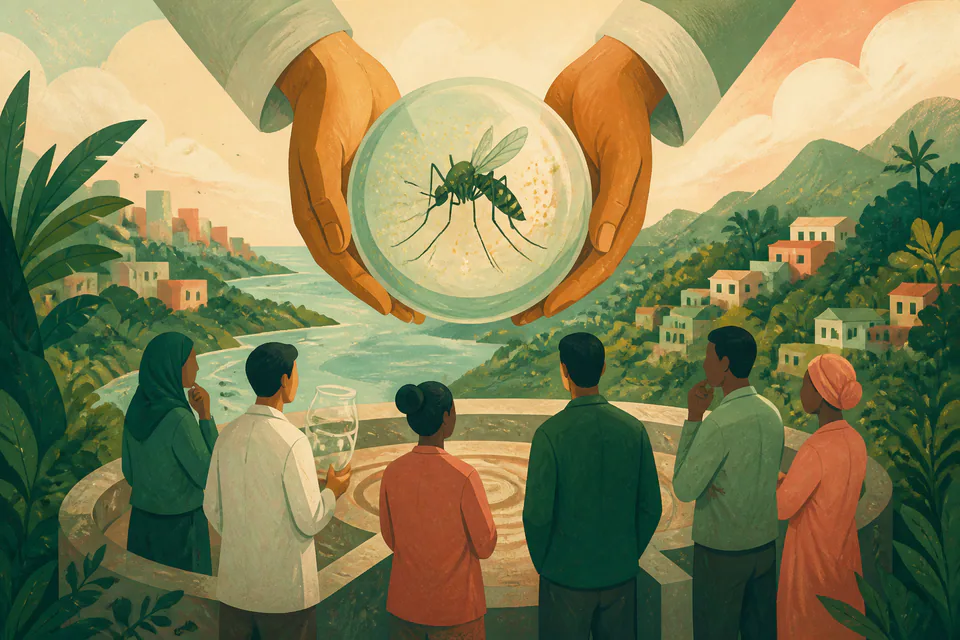
Scientists can edit mosquitoes until a deadly disease disappears. Who gets to say yes?
Scientists can potentially release modified mosquitoes whose genes would spread through wild populations and sharply reduce a deadly disease. The ecological effects could cross borders and may be impossible to reverse.
Who may authorize an irreversible change intended to save lives?