Refugee influx and foreign aid cuts strain South Sudan's health care system
7 min
Listen through the publisher, then discuss the episode here or arrange an in-person Roundtable. Your city determines where to meet.
Roundtables are designed for groups of four, with a shared subject and room for everyone to speak. Come for discussion, with no dating expectation.
There are few places where the consequences of the Trump administration's cuts to global aid programs are more apparent than South Sudan. With a raging civil war in Sudan to its north, South Sudan is contending not just with its own underserved people, but with more than a million Sudanese refugees. Special correspondent Anna Conkling of Noosphere, a new journalism app, reports. Hosted on Acast. See acast.com/privacy
Episode information is provided by the publisher. Listening takes place on the publisher’s service.
For review: 1. Iraq has reached a compromise with the powerful Iran-backed militia Kataeb Hezbollah, three senior security officials said, after Prime Minister Ali al-Zaidi readied security forces to move against the group. Reflecting the gravity of the situation, Iraqi Shiite political sources said Esmail Qaani, commander of Iran’s elite Revolutionary Guards’ Quds Force, arrived in Baghdad late on Monday to help defuse tensions with Kataeb Hezbollah, Tehran’s most powerful militia ally in Iraq. 2. Lebanese President Joseph Aoun launched a lengthy rebuke of Iran in an Independence Day address, arguing that the Islamic Republic does not have the right to interfere in Lebanon’s internal affairs, as it long has via support for its local terror proxy, Hezbollah. 3. Yemen’s Houthis launched strikes on the Saudi capital Riyadh on Saturday, after vowing reprisals for a “special operation” by the Saudi-led coalition fighting them. The coalition later said it had “intercepted and destroyed” thr
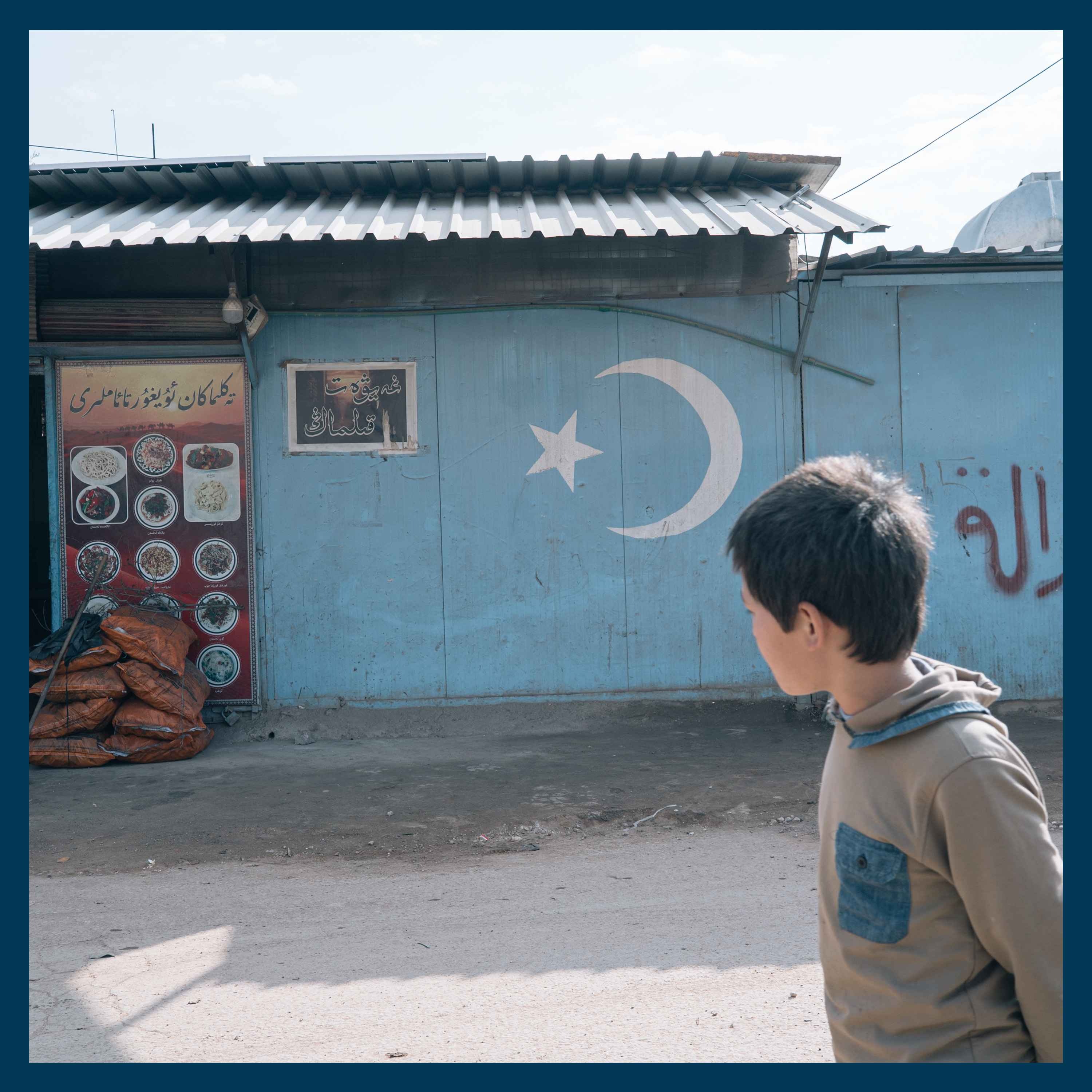
Over 20,000 Uighur refugees escaped repression in China by fleeing to Syria at the height of its brutal civil war. Originally from north western China, the Muslim minority fought fiercely against the Assad regime. But now that the war is over, they live in limbo, unable to return home or even contact loved ones while the Chinese state continues its campaign against their community. So will the new Syrian government honour their sacrifice? Or try to stay on good terms with the Chinese state? Our reporter has been to northern Syria to meet them. Guest: Anthony Loyd, special correspondent, The Times Host: Luke Jones Producer: Robyn Simon and Harry Stott We want to hear from you - email: [email protected] Read more: They fought for Syria’s freedom. Will they fight for their own? (https://www.thetimes.com/world/middle-east/article/uighur-fighters-syria-xinjiang-china-cfv5733d8) Further listening: SAS in Syria: the untold murder probe (https://pod.fo/e/6c8ea9) Clips: The New York Times,
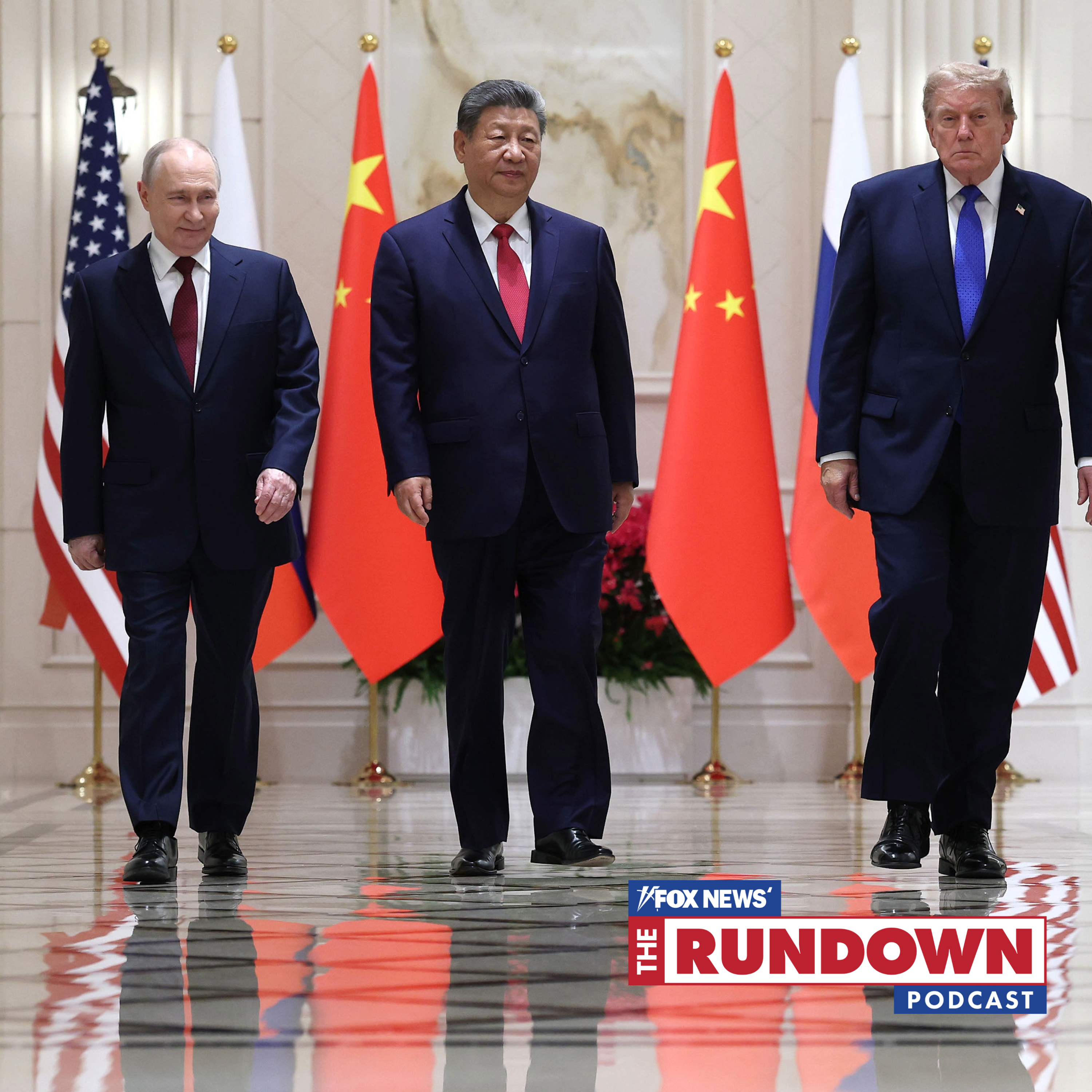
Following President Trump’s trip to Asia and a first-ever trilateral meeting with the leaders of China and Russia, foreign policy experts are weighing what was accomplished on the world stage. Former national security advisor to Vice President Dick Cheney and Heritage Foundation senior research fellow Stephen Yates joins The Rundown to analyze the summit’s outcomes on Taiwan, Ukraine, Iran, and strategic arms talks. Yates also explains how new rare-earth agreements with U.S. allies and export controls on AI chips balance Trump’s warmer rhetoric toward Beijing. Later, widespread tech outages across major platforms and government systems raise urgent questions about whether U.S. digital infrastructure is prepared for the artificial intelligence era. Former Cybersecurity and Infrastructure Security Agency (CISA) director Bridget Bean breaks down how rapid software patching can trigger cascading system failures, the growing cyber threats posed by China and Iran, and how organizations can d
November 21, 2026; 10am: The president’s coziness with tech oligarchs is muddying the waters of protecting America’s best interests. Congressman-elect Dan Koh expresses his concerns about the series of recent tech outages and how the administration is prioritizing beneficial relationships and cash over the safety of Americans and their cybersecurity; Lisa Rubin breaks down the obstacles ex-Nvidia CEO Jensen Huang can expect as legal inquiries come his way; Project 2025 may seem like a distant memory, but its policies are more present in this administration than you might think. David Graham outlines the consequences of the Heritage Foundation’s influence; Victor Fontanez is known on the internet as VicBlends, a viral haircutting sensation. But to many in the California prison system, he’s a mentor and hero, helping incarcerated men prepare for a career. Fontanez reflects on his impact. Hosted by Simplecast, an AdsWizz company.
The position of Surgeon General remains vacant, a federal court struck down vaccine overhauls (for now), and anger from ‘Make America Healthy Again’ activists has some wondering whether Health and Human Services Secretary Robert F. Kennedy Jr. has lost his grip on the movement that helped propel President Donald Trump back to the White House. We hear from one activist — outraged by an executive order about weedkiller — who says some voters “will not be coming back.” Plus, what’s going on with all the whole hype videos? --- Guests: Kelly Ryerson, ‘Glyphosate Girl’ & Sarah Owermohle, CNN Health Policy Reporter Host/Producer: David Rind Producer: Paola Ortiz Showrunner: Felicia Patinkin
This week on The Necessary Conversation, it's Chad, Haley, and Mary Lou. Bob is still recovering but sent in a video message about Trump calling Putin his friend that we watch together. 🇷🇺 Trump held the first-ever three-way talks with Putin and Xi, called it a "12 out of 10," and produced nothing. Then at a press conference he called Putin his friend — and when asked if Putin is a friend to America, the president of the United States said, "I can't speak to America." That same day, Trump's friend Putin launched massive strikes into Ukraine, hit Poland with two missiles — an act of war against a NATO ally — then struck near a Ukrainian restaurant and drone-bombed the first responders, killing a 7-year-old child and a 20-year-old paramedic. We watch Bob's video and ask Mary Lou: is Russia our friend? 🇨🇳 The House Foreign Affairs Committee revealed Trump's Commerce Department approved nearly 880,000 advanced AI chips for Chinese military-linked companies including Alibaba, Tencent, a
In a lengthy press conference, President Trump touted his recent trip to Asia and defended his relationship with Chinese President Xi Jinping and Russian President Vladimir Putin. White House correspondent Liz Landers was in the briefing room as the president took questions from reporters. Hosted on Acast. See acast.com/privacy
In our news wrap Friday, stocks tumbled to end the week as worries about AI rattled the market, a second federal judge is blocking President Trump's triumphal arch in Washington and a federal appeals court is blocking the Army from detonating several tons of bomb-making chemicals amid concerns over environmental and health risks. Hosted on Acast. See acast.com/privacy
President Trump has replaced the nation's top cybersecurity official following a string of seemingly unrelated technology outages over the last couple of weeks. Officials have repeatedly stressed that these outages were not the result of intentional attacks, but given the growth of AI, there's growing concern that attacks are on the horizon. William Brangham discussed more with Chris Krebs. Hosted on Acast. See acast.com/privacy
Customers should receive compensation for prolonged failure of essential paid online services.
Share your view, then see how readers voted. No sign-in required. This poll is shared across stories.
Do you agree or disagree?
Common Quandary
A Common Quandary to discuss
Another conversation to explore, separate from this news story.
You find a family secret after a relative dies. Does the truth come out?
Sorting through a deceased relative's papers, you discover evidence of a serious betrayal that would change how the family remembers them. Revealing it could answer old questions—and cause fresh pain.