Sauna Therapy: Making Space for Rest and Recovery (Bonus Episode)
24 min
Listen through the publisher, then discuss the episode here or arrange an in-person Roundtable. Your city determines where to meet.
Roundtables are designed for groups of four, with a shared subject and room for everyone to speak. Come for discussion, with no dating expectation.
Join me as I sit down with SaunaBox co-founder Nolan Kahal to explore how the benefits of sauna extend far beyond physical health, touching on our mental, emotional, and even spiritual well-being. Plus, stick around until the end for a fascinating look at the history of saunas and how this centuries-old practice has stood the test of time! Links Discussed in This Episode | Connect with SaunaBox: Website (https://saunabox.com/) Instagram (https://www.instagram.com/saunabox/) Episode Sponsors | Choosing brands that I believe in is important to me. As always, never feel pressured into buying anything. Remember: if you don't need it, it's not a good deal! Enjoy the Podcast? Post a review and share it! Our Sponsors: * Check out Wayfair: https://www.wayfair.com Privacy & Opt-Out: https://redcircle.com/privacy
Episode information is provided by the publisher. Listening takes place on the publisher’s service.
I tested 5 wild experiments in a zero gravity plane... Listen with me on Audible at https://www.audible.com/cleo I'm scanning my brain inside a plane that’s about to DIVE toward the ground… to test how weightlessness helps or hurts your brain. And it’s just one of the 5 crazy science experiments I got to test inside a Zero G plane. I recently went on this Zero G plane to explain a big debate about gravity, and while I was there, I also got exclusive access to experiments that can ONLY happen in zero gravity. I just knew you’d love to see it. So, in this extended cut, I’m going to give you a rare glimpse inside this falling laboratory and show you how the experiments they’re doing could be huge if true… Chapters: 0:00 What happens to your brain in space? 0:32 Why scientists want to fall from the sky 1:10 How do zero gravity planes work? 1:56 Experiment 1 3:58 Experiment 2 5:28 Experiment 3 7:23 Experiment 4 8:50 Experiment 5 10:27 Why these experiments are huge if true You can find me o
You've been tired for years. You know it. The people around you know it. And every solution you've tried — going to bed earlier, sleeping in on weekends, taking naps, drinking more coffee, drinking less coffee, trying new mattresses, trying new vitamins — none of it has actually fixed the problem. Uploaded 16-06-26 You're still tired. Not falling-asleep tired. Just heavy. Just dragged. Just running on a battery that never seems to charge all the way back, no matter how many hours you put your head down. Here's the truth: most of the tiredness you carry is not about sleep. And that is why none of the sleep-based solutions have worked. You've been treating the wrong condition for years. You've been adding hours of rest to a body that fundamentally doesn't need more rest. It needs something else entirely. The chronic, low-grade, never-quite-go-away exhaustion most adults carry is not physical fatigue. It is a different kind of tiredness with completely different causes. And until you unde
Charlie Kirk’s assassination will dominate the headlines—but before the truth is even clear, the disinformation machine is already spinning. This video exposes how suppression, radicalization, and division are weaponized—not by ideology, but by systems designed to keep you outraged, divided, and distracted. Uploaded 11-09-25 We’ll reveal: • Why suppression is the biggest red flag in history—and why it always signals weakness, not strength. • How highly suggestible people are radicalized—not by one side or the other, but through media outrage loops, algorithmic echo chambers, and deliberate manipulation. • The illusion of “left vs. right”—a distraction designed to pit neighbors against each other while corruption, corporate power, and elites escape untouched. • The common ground we all share: freedom, safety, stability, fairness—and what none of us want: corruption, endless wars for profit, elites with different rules, surveillance states, and justice systems that bend for the powerful
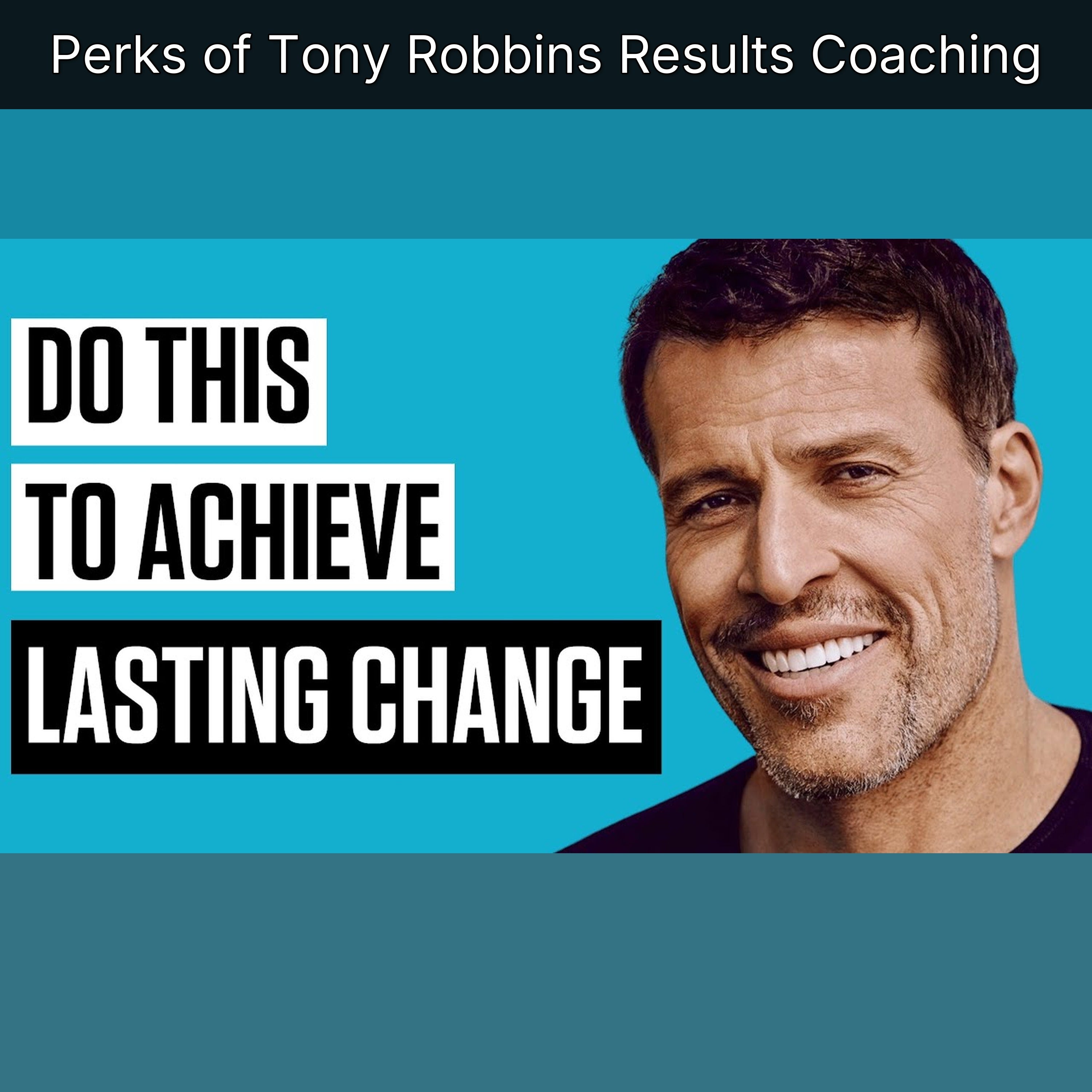
If you really want lasting change, real results that stick around, what do you have to do? Tony Robbins is asked this all the time. His answer is always the same: For your life to change, you have to change. For things to get better, you have to get better. You need to create new patterns that facilitate progress and eliminate the patterns that don’t. Your life isn’t determined by what you do some of the time. It’s determined by what you do consistently. If you’re serious about getting results, you need a system. Tony Robbins Immersion Coaching can provide that system. For three decades, Tony has built his brand based on one thing: Robbins = Results. His system of Immersion Coaching is unlike anything else in the world. He is the Father of the Coaching Industry and his coaches' standards and training for success coaching are the best in the industry. We provide general Immersion Coaching as well as Specialized Curriculum Coaching Courses on the areas of life that matter most. As Tony s
Happy Sunday! Welcome to Heal Squad’s The Sunday Set Up. Life lessons to help you start the week. How much of success comes down to simply showing up? This week, we talk keeping an open mind, taking chances, and recognizing the doors that open along the way. From Olympic athletes appearing on national television alongside Mercedes Moné to performers who keep showing up week after week hoping for their big break, we explore why success isn't always about talent or luck. Sometimes it's about making connections, putting in the effort, and being willing to try without knowing what we'll get in return. We talk knowing when to stop investing time in people who aren't willing to help themselves, and why even experiences that don't work out can teach us something valuable. The takeaway: don't wait for the perfect moment or expect someone else to make things happen. Be willing to take a chance, walk through the doors that open, and remember that half of life is just showing up. Plus, a little b
What exactly is a tornado, and how does something made of air get strong enough to lift cars and tear down trees? In today's episode, we explore how warm air, cool air, and changing winds come together to create these wild whirlwinds. Seven Reasons to join the Curious Kids Club! SupportCuriousKids.com (https://supportcuriouskids.com/) Your curious kids get a shout out on their birthdays! Ad-Free Podcast Feed Participate in Curious Kids Club episodes Bonus episodes! Activity sheets for every new episode of the show Weekly newsletters so you never miss anything!
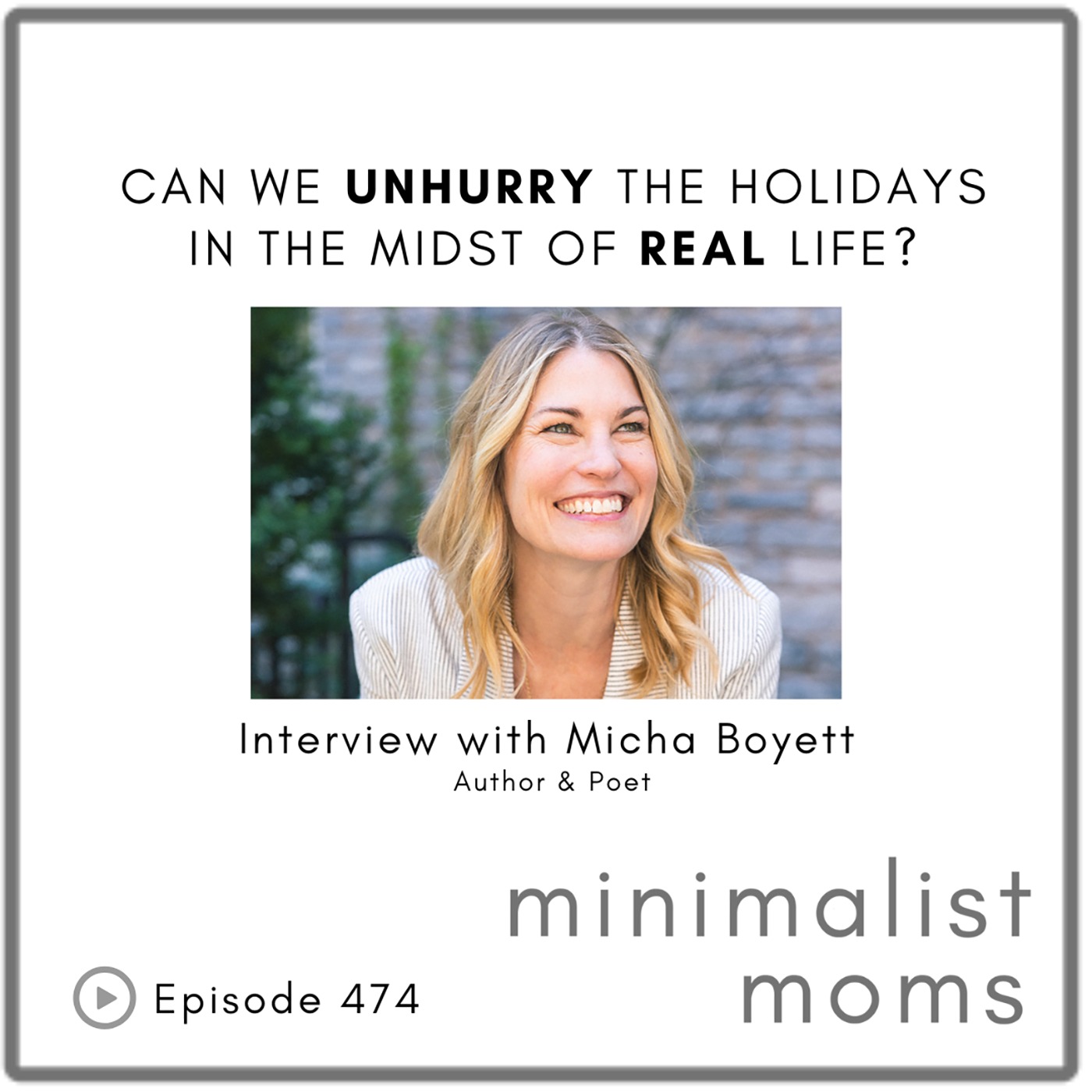
Today I'm joined by author Micah Boyett, whose new book Advent Unhurried (http://amazon.com/dp/1587436108?asc_item-id=amzn1.ideas.DL4M6AD2Z4ZN&creativeASIN=1587436108&linkCode=ssc&ref_=aip_sf_list_spv_ofs_mixed_d_asin&tag=dianeboden-20) offers a refreshing invitation to slow down, pay attention, and rediscover the beauty of waiting. Drawing from her own experiences with motherhood, grief, and raising three boys, Micah shares how she's learned to separate our worth from our productivity and embrace a more intentional approach to the holidays. We explore why we feel responsible for manufacturing wonder, how to make room for both joy and grief during a season that often demands happiness, and why slowing down doesn't necessarily mean doing less. Sometimes, it's simply about noticing more. In this episode, we discuss: Why the pressure to make Christmas magical can steal our joy The surprising connection between Advent and minimalism What motherhood has taught Micah about worth, productivit
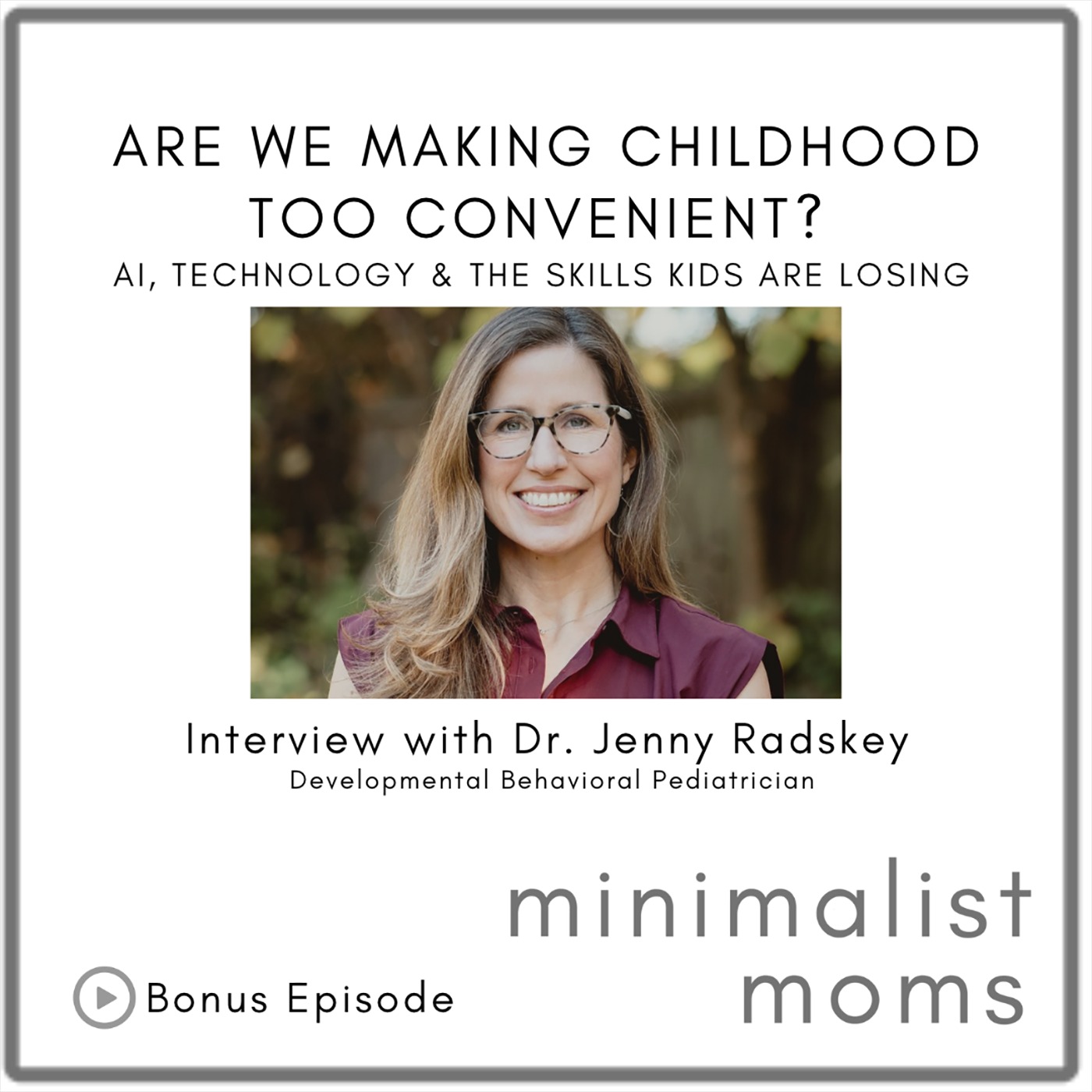
Are we making childhood easier at the expense of the very skills our kids need to thrive? We've talked about screen time and technology on the podcast before, but today's conversation takes us into territory we haven't really explored on the show yet: artificial intelligence and its potential impact on our children's development. As AI becomes more integrated into everyday life, I think it's worth asking some important questions about what our kids might be gaining - and what they could be missing along the way. I'm joined by pediatrician and researcher Dr. Jenny Radesky to explore how technology is reshaping childhood in ways we may not even recognize. From handing over a device to calm a difficult emotion to turning to AI for instant answers, are we unintentionally removing the everyday opportunities our children need to develop patience, persistence, creativity, and critical thinking? Just because something makes life easier doesn't necessarily mean it's making life better. Links Di
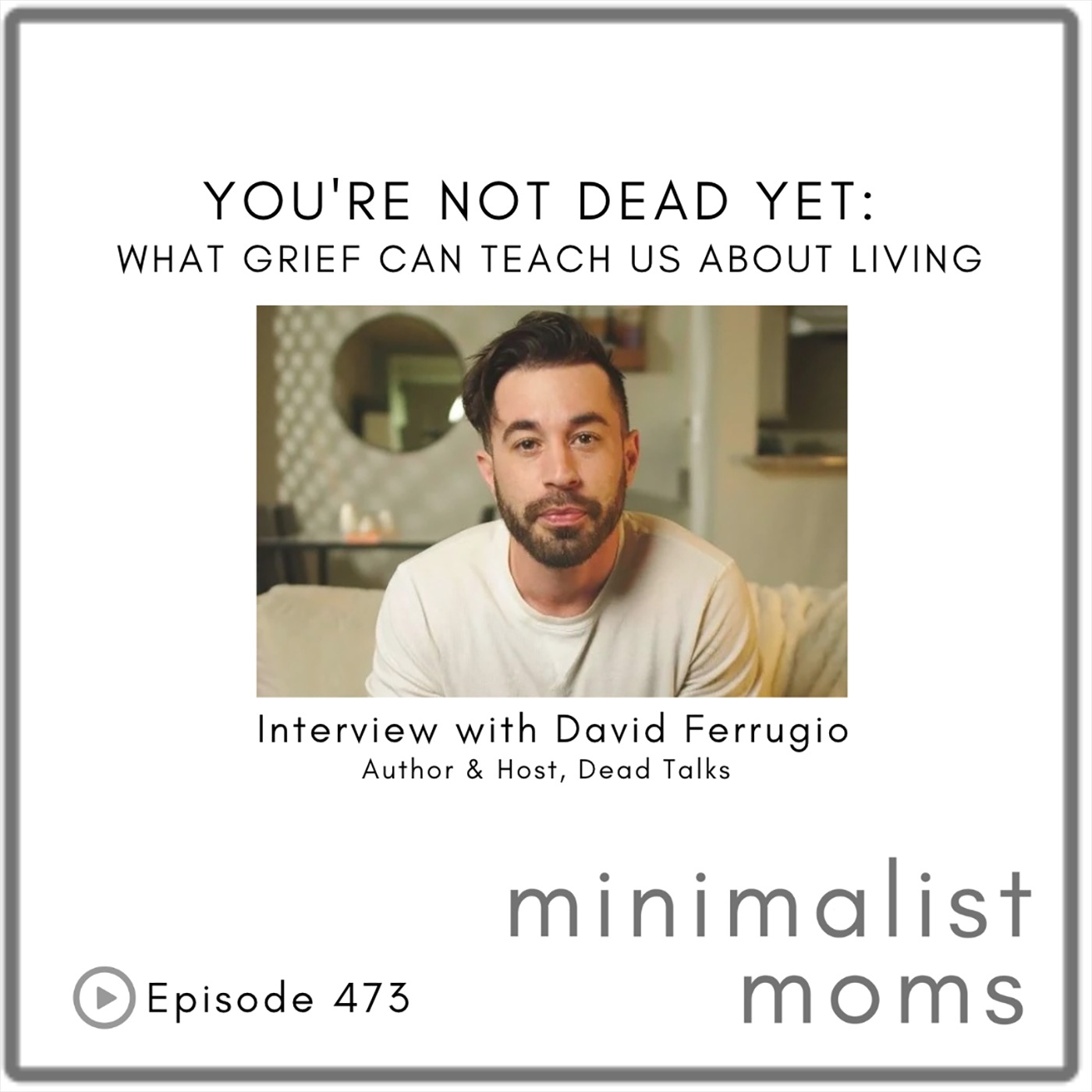
Grief has a way of reminding us just how little control we have, but it can also bring clarity to what matters most. This conversation is an invitation to approach loss with greater compassion, release the expectations surrounding how we're supposed to grieve, and consider what it means to truly live while we're here. In today's episode, I'm joined by David Ferrugio, host of the DEAD Talks Podcast and author of You're Not Dead Yet. After losing his father in the World Trade Center on September 11th at just twelve years old, David spent years navigating his own grief before turning that experience into meaningful conversations about loss, healing, spirituality, and the afterlife. Together, we explore why grief isn't linear, why there's no single right way to process loss, and how we can begin to find meaning without feeling pressured to move on. David shares insights from his personal experience and the hundreds of conversations he's had with people navigating life's most difficult mome
Governments should provide plain-language explanations of major policies.
Share your view, then see how readers voted. No sign-in required. This poll is shared across stories.
Do you agree or disagree?
Common Quandary
A Common Quandary to discuss
Another conversation to explore, separate from this news story.
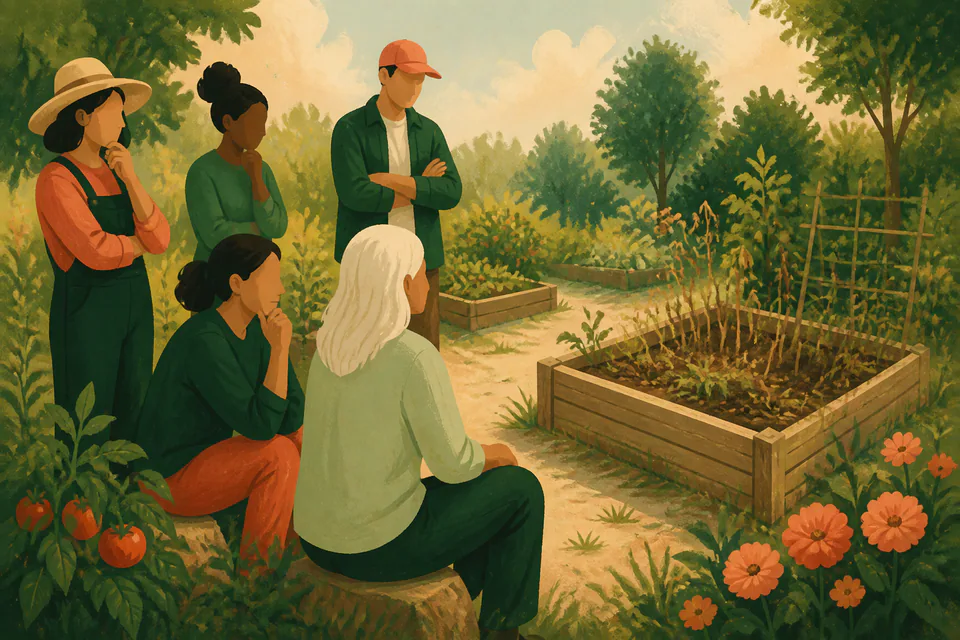
The best garden plot has been abandoned for months. Who gets to take it?
Garden plots have a three-year waiting list. One member's plot has gone untended for months and messages go unanswered, but other gardeners know they recently faced serious health problems.
How long should a shared resource remain reserved out of compassion?