English-language podcasts

Sermons of Dr. Martyn Lloyd-Jones

Sinful and Righteous Anger
Listen through the publisher, then discuss the episode here or arrange an in-person Roundtable. Your city determines where to meet.

Roundtables are designed for groups of four, with a shared subject and room for everyone to speak. Come for discussion, with no dating expectation.

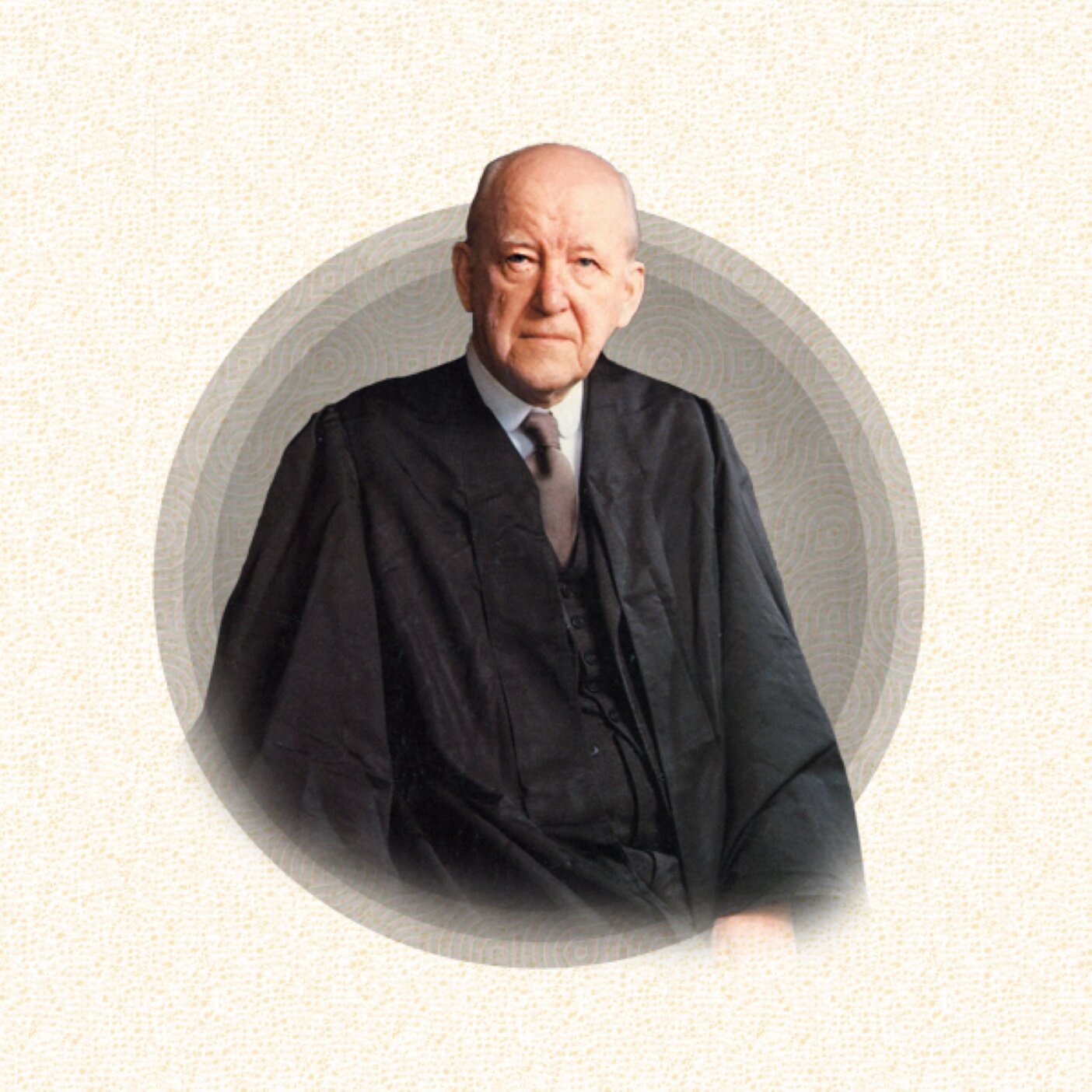
Many Christians throughout the centuries have offered varying interpretations of the verse “be angry and sin not.” In this sermon on anger from Ephesians 4:20–27 titled “Sinful and Righteous Anger,” Dr. Martyn Lloyd-Jones discusses how Christians should apply this command to their lives. He contends that Paul is not saying that one can be angry as long as they don’t sin— it is not a permissive statement. Rather, Paul is saying that there are certain things where anger is acceptable as long as the Christian does not sin in their anger and give a foothold to Satan. Anger, he says, is a natural capacity given by God against the things that dishonor Him and what He declares to be good. As Dr. Lloyd-Jones points out, even Jesus is recorded in the gospels as becoming very angry about unrighteousness in the temple. The key to understanding this verse is that anger must be directed towards the things that God hates but ultimately, Paul is calling Christians to avoid sin and to be angry towards it. Dr. Lloyd-Jones declares that anger against sin is being increasingly explained away by the world, but Christians must be faithful to hold it for what it is— an affront against God.

Episode information is provided by the publisher. Listening takes place on the publisher’s service.

Listen at the source ↗

Featured places to meet in Palo Alto, CA

Explore these places and arrange a conversation through ThinkMatch.

City guide for Palo Alto, CA

More from Sermons of Dr. Martyn Lloyd-Jones

Sermons of Dr. Martyn Lloyd-Jones

Distinct Roles of Church and State

The great message of Christianity is that Christians are not only saved from their sin and made right before a holy God, but they are made new creatures as the first fruits of the new creation in Christ. In this sermon on Ephesians 5:3–5 titled “Distinct Roles of Church and State,” Dr. Martyn Lloyd-Jones demonstrates how Scripture undercuts all doctrines of antinomianism, because by the power of the Holy Spirit all who are true believers are renewed and transformed daily through God’s grace. For it is the gospel that truly transforms fallen men and women; it alone can overcome the depravity of fallen human nature and make them new in Christ. This is why all attempts to make people moral without the gospel fail to address the deepest need of humanity. When the church becomes more concerned with moralism than the gospel, it loses the focus of its mission. This has often happened throughout the history of the church, and today many are repeating this error. The remedy to this is to see th

Discuss this episode

Sermons of Dr. Martyn Lloyd-Jones

The Atoning Work of Christ

Christians often talk about the atoning death of Christ when in conversation about spiritual things. It is often mentioned regarding its relation to salvation. However, is it possible that it could mean even more? What is the impact it is supposed to have on the rest of one’s life? In this sermon on Ephesians 5:2 titled “The Atoning Work of Christ,” Dr. Martyn Lloyd-Jones instructs on how this verse and Christ’s atonement apply to the lives of believers even after they are saved. The Scriptures are never satisfied with a mere general statement about the love of God— as this verse demonstrates, God’s love is specifically written about in the Bible because the specific acts of God demonstrate His love. A person’s conduct is determined by their doctrine. Dr. Lloyd-Jones reminds that “as a man thinks, so is he.” Thus, one’s view of the doctrine of Christ’s atonement will have consequences for the Christian walk. In Christ’s atonement, one gains a clear example of the love of God. Dr. Lloyd

Discuss this episode

Sermons of Dr. Martyn Lloyd-Jones

Imitators of God

With so much input on how Christians are supposed to live their lives, how can they discern which way is correct? In this sermon on Ephesians 5:1–2 titled “Imitators of God,” Dr. Martyn Lloyd-Jones explains from Scripture how Christians are supposed to live and why they are to follow these guidelines. Paul says “we are to be imitators of God.” Christianity, Dr. Lloyd-Jones says, is more than just a moral code. Believers are never to obey simply because it is the normal “Christian” thing to do. Rather, they are to obey because they know what God has done for them and why God tells them to avoid certain things. In His graciousness, the Lord did not leave His people without reasons for obedience— instead, He tells often in Scripture the reasons why people are better off obeying His instructions. Just as children are representatives of their families, God’s children act as representatives of Him to the world. People should be able to look at them and see the Father because Christians shoul

Discuss this episode

Community Poll

Changing a public decision in response to new evidence is a sign of responsible leadership.

Share your view, then see how readers voted. No sign-in required. This poll is shared across stories.

Do you agree or disagree?

Choose one answer

Common Quandary

A Common Quandary to discuss

Another conversation to explore, separate from this news story.

Software says a student cheated with AI. Is that enough to fail the paper?

A teacher suspects several essays were written with AI. Detection software marks one student's work as highly likely to be generated, but the software is known to make mistakes and the student denies using it.

How should responsibility be assigned when evidence is powerful but unreliable?

Explore this quandary