Sitting with your spouse at church: Why were we so triggered?
43 min
Listen through the publisher, then discuss the episode here or arrange an in-person Roundtable. Your city determines where to meet.
Roundtables are designed for groups of four, with a shared subject and room for everyone to speak. Come for discussion, with no dating expectation.
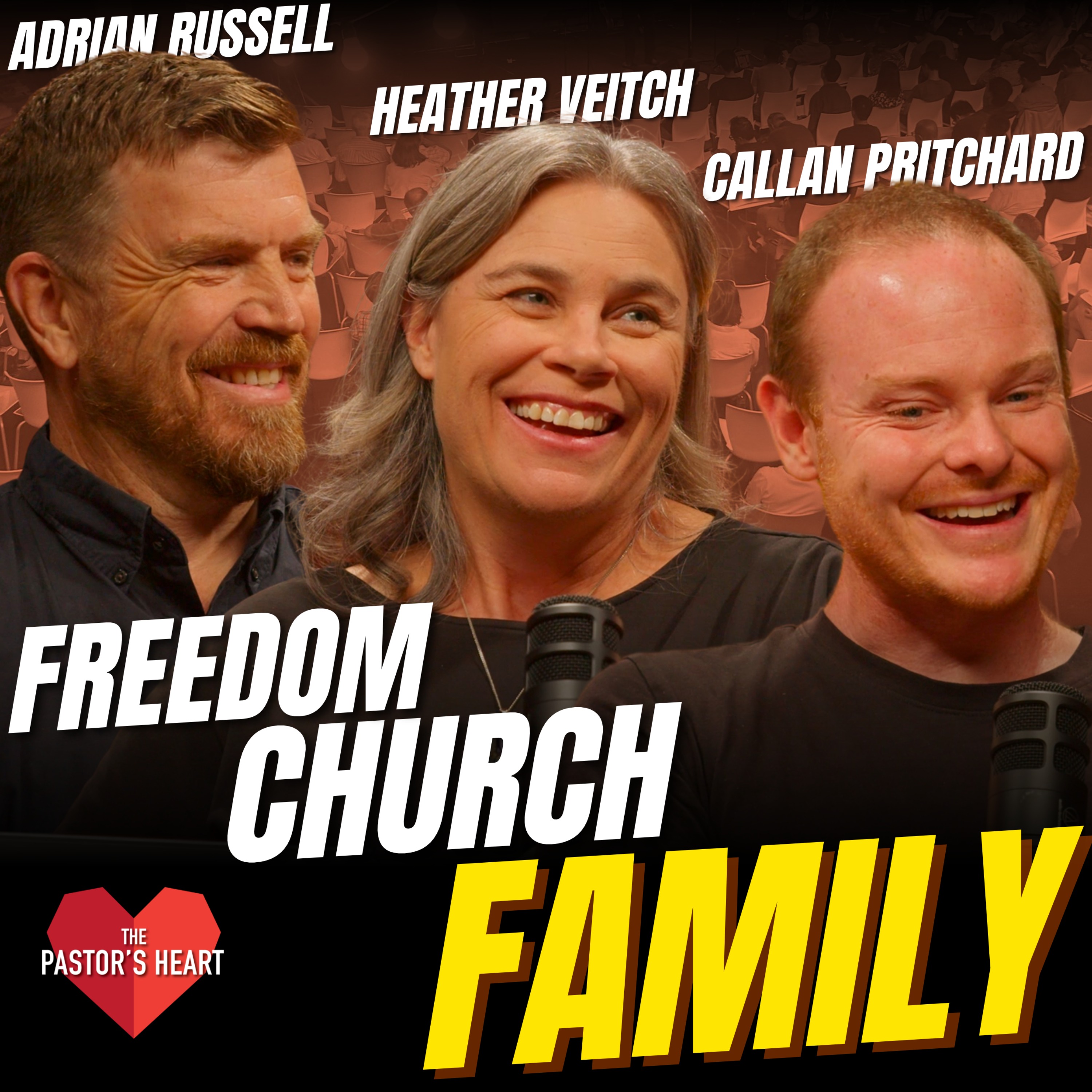
Spouse in the house? Why were we so triggered? | Heather Veitch, Adrian Russell and Callan Pritchard Why has a discussion about where spouses sit at church generated so much heat? Perhaps because both marriage and the church are deeply connected to the gospel. For some, protecting marriage and family feels at stake. For others, it’s honouring the church as our spiritual family. Both hear something precious being threatened. The conversation has become either/or—even though people on both sides recognise good reasons to sit together or apart in particular circumstances. Underneath it is a shared question: how am I called to use my Christian freedom to love others? We explore how these two gospel-shaped relationships fit together. What does faithfulness to our marriage and family look like within the family of God? How do we care for children, strengthen marriages and ensure single people and newcomers belong fully? And how can we help one another make wise, generous decisions in the different seasons of life? Adrian Russell is senior minister of Northmead Anglican church in Sydney Heather Veitch is married to the senior minister at Campbelltown in Sydney's south west. Callan Pritchard is associate minister of St John's Cathedral Parramatta See also: Dave Moore’s article Steve McApline reply https://au.thegospelcoalition.org/article/spouses-sit-together-at-church/ and Griffen Gulledge weighs in https://www.thegospelcoalition.org/article/sit-family-church-missional/ Hosted on Acast.
Episode information is provided by the publisher. Listening takes place on the publisher’s service.
For the days you got through and nobody saw what it took. A quiet place this evening where it counts. About 12 minutes with Steven Webb's calm voice and music underneath. Perfect for the evening. We let the body soften, from the jaw and the eyes down to the belly, because it's been on alert all day. Then we look at what today really cost. Getting up when your body said no. Being kind to someone while you were falling apart inside. Saying "yeah, fine" because where would you even start? There's an old Zen idea I keep coming back to: a thing doesn't need to be seen to be real. The rain falls on an empty field, nobody watches, and it still soaks in. We put the day down for a minute, not away, just down, and finish with three gentle wishes. May the hard days I got through be counted. I've been paralysed a long time, and I know what it can take just to get through the day. You're not doing this on your own. Treat me to a coffee, keep the podcast free, and get my Weekly Calm every Sunday. It
What if the behavior that frustrates you most about your child is actually connected to one of their greatest God-given strengths? In this special Q&A episode of the Celebrate Kids Podcast, Dr. Kathy Koch and Wayne Stender answer real questions from parents and leaders they recently met in San Antonio. They explore how to help children develop genuine belonging, why the 8 Great Smarts can change how we understand misbehavior, and how Christian families can navigate difficult relationships during the holidays with biblical conviction, unconditional love, and thoughtful hospitality. Dr. Kathy explains why knowing how God made our children changes the way we correct them, encourage them, and prepare them for healthy relationships. Wayne also shares how understanding his own children's strengths has helped him become a father whose kids know they are seen, understood, and loved. As Celebrate Kids prepares to expand its ministry in 2027, we're also exploring new ways to bring Dr. Kathy's te
Read: Romans 5:10; 1 Corinthians 15:57-58; 16:13-14 (https://www.biblegateway.com/passage/?search=Romans+5%3A10%3B+1+Corinthians+15%3A57-58%3B+16%3A13-14) “I’m done trying to be nice to Josh!” Eli told his mom. “He’s so mean! When I asked if he wanted to be my lab partner in science today, he laughed and said he wouldn’t be caught dead with a—well, I won’t repeat what he called me.” Eli flung his backpack into the hallway closet. “I was just trying to reach out to him because he doesn’t have any friends. Now I know why—he doesn’t want any!” Mom was about to respond when a sharp yip followed by a howl of pain came from outside. “That’s Mitsy!” Eli shot out the back door. He found his puppy crouched on the ground, her paw caught underneath the fence. Every time she moved, a sharp barb of wire jabbed her flesh. Eli knelt beside her and reached for the trapped paw. “Grrrr!” Mitsy growled, baring her teeth. Eli drew back in surprise. “Mitsy! Why are you growling at me? I only want to help y
🇺🇸 TWO NAVY SEALS. TWO INCREDIBLE JOURNEYS. ONE POWERFUL MISSION TO TRANSFORM YOUR FINANCIAL FUTURE! Michael Jaco welcomes fellow former Navy SEAL Larry Yatch, founder of TruPath Mastery, for an eye-opening conversation about success, leadership, financial trauma, and the hidden subconscious patterns that can keep even the most accomplished people from reaching their full potential. With 24 years as a Navy SEAL and 11 years as a CIA security operative, Michael shares the powerful lessons of mental discipline, intuition, and personal transformation that shaped his extraordinary journey. Larry brings 10 years of Navy SEAL service and an impressive career advising Fortune 50 executives. But despite achieving tremendous professional success, he discovered that the survival patterns that once made him successful were also keeping him trapped in his own business. THE BIG REVELATION: YOUR MONEY HABITS MAY HAVE VERY LITTLE TO DO WITH MONEY! From childhood programming and fear of scarcity to
THE NCI 1 SYSTEM: https://nci.university/nci-1v2?utm_source=chase_youtube&utm_medium=social_video&utm_campaign=nci1_promo (https://nci.university/nci-1v2) Uploaded 26-04-26 THE NCI 3 SYSTEM: https://nci.university/nci-3?utm_source=chase_youtube&utm_medium=social_video&utm_campaign=nci3_promo (https://nci.university/nci-3) Every conversation you've ever had was running an architecture you couldn't see.The doctor who made you feel like a "collaborative patient" before you finished sitting down. The boss who made your timeline sound unreasonable before you said a number. The parent who made you explain yourself for years without ever asking a real question.None of them were trying to manipulate you. They didn't have to. The architecture was running on its own — and you were inside it.This video breaks down the exact system behind frame control, conversational influence, and the behavioral science of how language installs itself in the human nervous system before conscious thought can catc
This is a Grave Talks CLASSIC EPISODE! In the heart of Calgary stands one of the city’s most infamous historic properties—Deane House. Built in 1906 by Captain Richard Burton Deane, the home’s history was marked by tragedy almost immediately, when Deane’s wife died during its construction. Decades later, the darkness deepened. In 1971, a brutal murder-suicide unfolded within its walls, casting a shadow that many believe still lingers today. Visitors and investigators report full-bodied apparitions, unexplained noises, sudden cold spots, and overwhelming feelings of unease. Some say they’ve encountered more than one spirit inside the historic residence. Others believe the energy there feels layered—built from grief, violence, and unresolved history. On this episode of The Grave Talks, we explore the chilling past of The Deane House, the paranormal experiences that continue to be reported, and the lingering question: what—if anything—still walks its halls? #DeaneHouse #HauntedCalgary #Ha
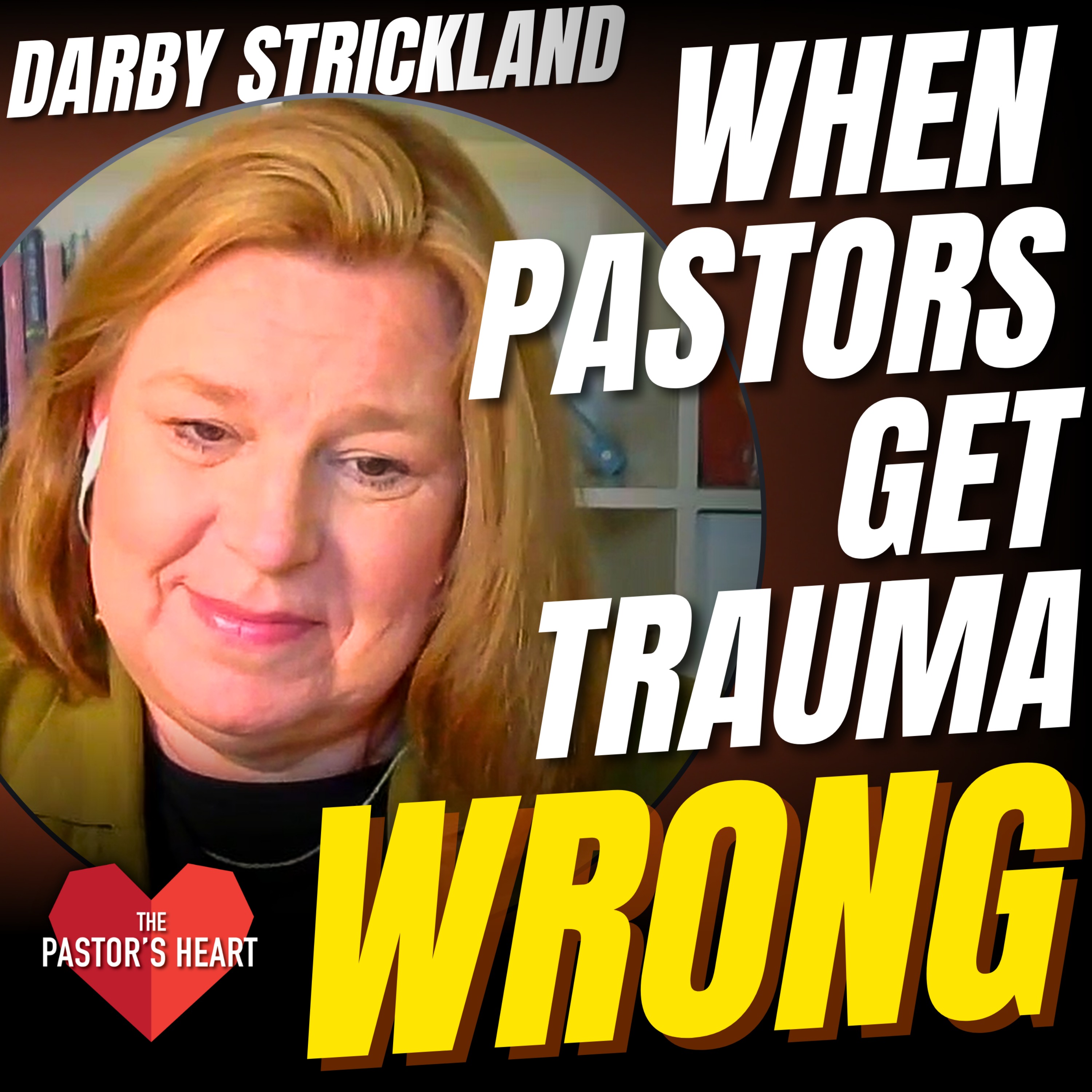
When trauma comes to church, how should pastors respond? And what happens when our well-intentioned pastoral care actually makes things worse? How should pastors care for people whose lives are overwhelmed by suffering? What do we say when someone asks, ‘Where was God when this happened?’ When is it right to speak of hope, and when might even that be too much? What happens when someone's trauma leads them to hurt other people? How do we take their suffering seriously without excusing behaviour? We talk about lament, shame, the temptation to rush in with answers and what it means to rebuild. Darby Strickland is a biblical counsellor with the Christian Counseling & Educational Foundation and author of When It's Trauma. Hosted on Acast.
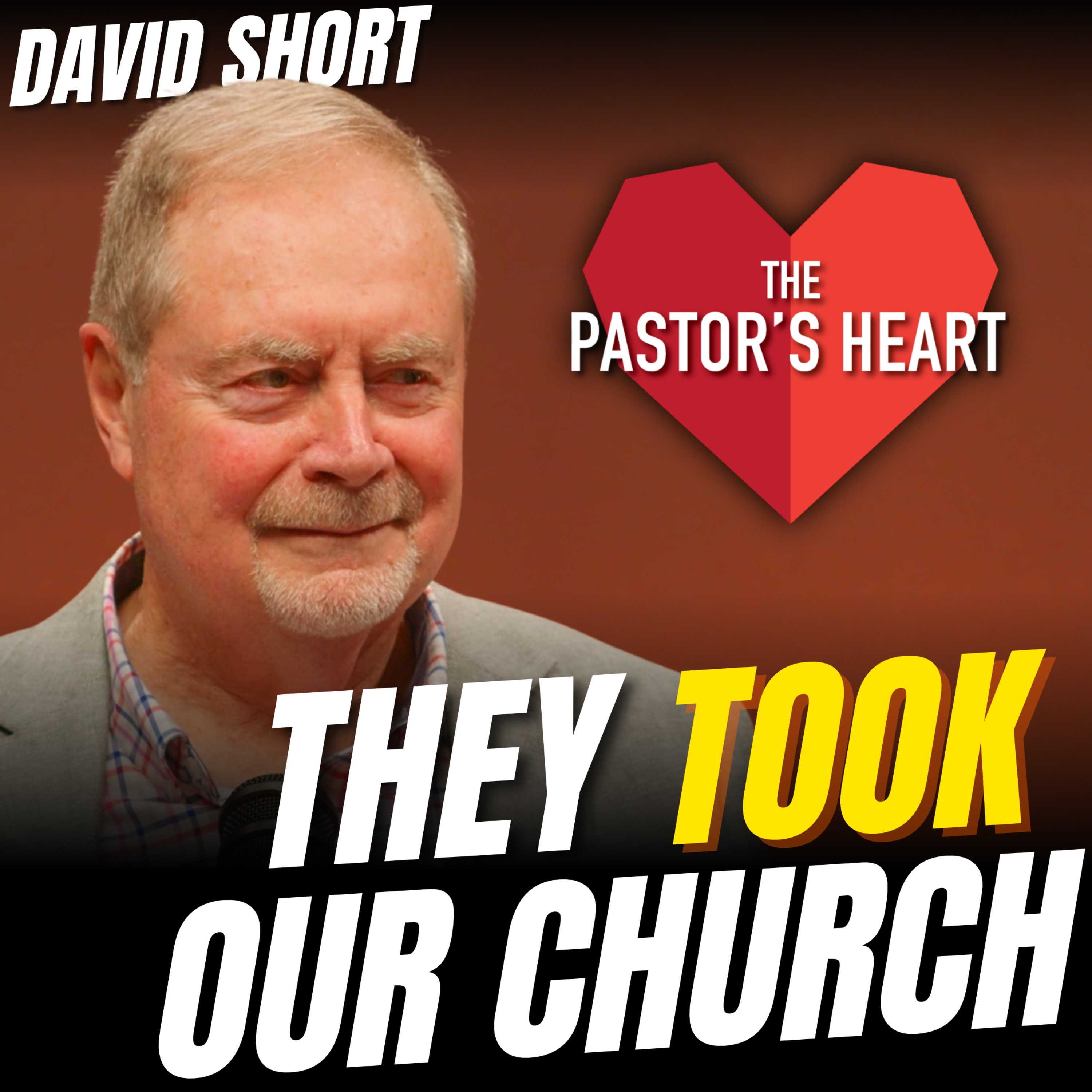
They Lost Their Church Building — But Not Their Church. Twenty-four years ago, Anglican minister David Short found himself at the centre of a controversy in Vancouver that would help reshape the worldwide Anglican Communion. David was leading one of Canada's largest Anglican congregations when a dispute over same-sex blessings became a much deeper battle over biblical authority, the gospel and the future of Anglicanism. David and his congregation eventually lost their church building. David lost his licence. The personal toll was devastating. He suffered a breakdown and spent more than two years away from full-time ministry. But that's not where the story ends. Today, a growing Anglican movement in Canada is training a new generation of gospel ministers, with consequences reaching far beyond Canada. After 33 years of ministry in Vancouver, David Short reflects on the cost of standing firm, the unexpected fruit of suffering and what the future holds for orthodox Anglicanism. What does i
Environmental monitoring data should be accessible to affected communities.
Share your view, then see how readers voted. No sign-in required. This poll is shared across stories.
Do you agree or disagree?
Common Quandary
A Common Quandary to discuss
Another conversation to explore, separate from this news story.
Would you want a doctor to give you a fake pill if the lie might make you feel better?
A patient has persistent symptoms that have not responded to standard treatments. A harmless placebo may help, but its effect could weaken if the clinician fully explains that it contains no active medicine.
Can a beneficial deception respect the person it helps?