English-language podcasts

Growing the Future

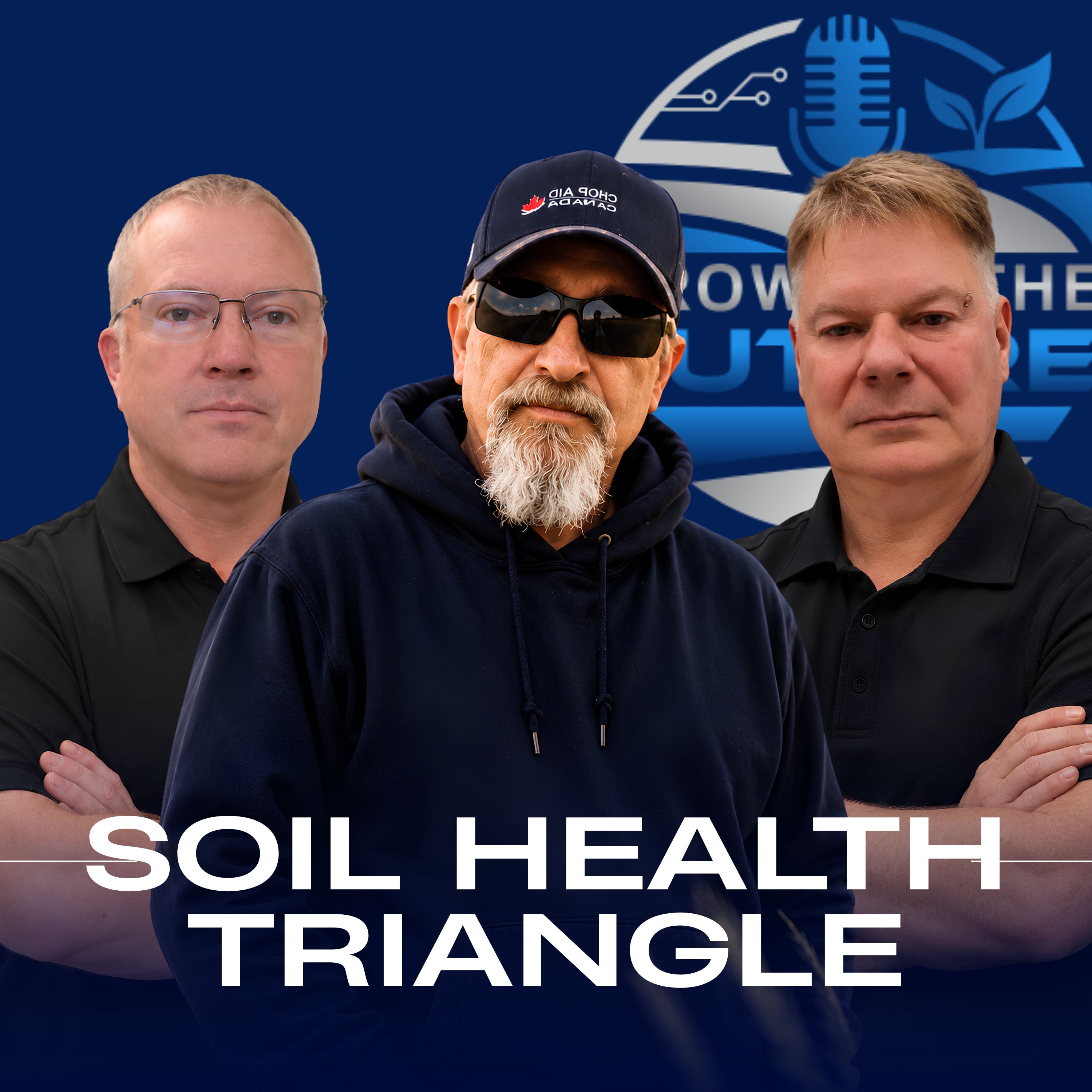
Soil Health Triangle
64 min

Listen through the publisher, then discuss the episode here or arrange an in-person Roundtable. Your city determines where to meet.

Roundtables are designed for groups of four, with a shared subject and room for everyone to speak. Come for discussion, with no dating expectation.

Dan opens with a thin patch in a field and the question of what the roots would say before more fertilizer goes on. Darren explains why he sees compaction in nearly every field he walks, and how his team checks with a shovel in late June. Kevin explains what happens below ground when pore space is lost, and how microbes, fungi and roots affect soil structure. Wayne walks through a soybean example. He reads a soil test and then a tissue test from compacted and less-compacted areas of the same field, and shows why leaf appearance and a single soil value can mislead. The audience asks about tillage, cover crops, crop choice, potatoes and how fast any response should show up. The panel is clear that its research is early. Key Topics • The shovel check: comparing a problem patch with a better area • How compaction limits roots, oxygen and water infiltration • Soil biology, aggregates and mycorrhizal fungi • Reading a soil test and a tissue test together • No-till, cover crops and living roots Resources Mentioned • A&L Canada Labs Vitalis soil health testing Connect With Crop Aid: Cropaidnutrition.com (https://www.cropaidnutrition.com/) Connect with Growing the Future Website:growingthefuture.ca (https://growingthefuture.ca/)

Episode information is provided by the publisher. Listening takes place on the publisher’s service.

Listen at the source ↗

Featured places to meet in Palo Alto, CA

Explore these places and arrange a conversation through ThinkMatch.

City guide for Palo Alto, CA

More from Growing the Future

Growing the Future

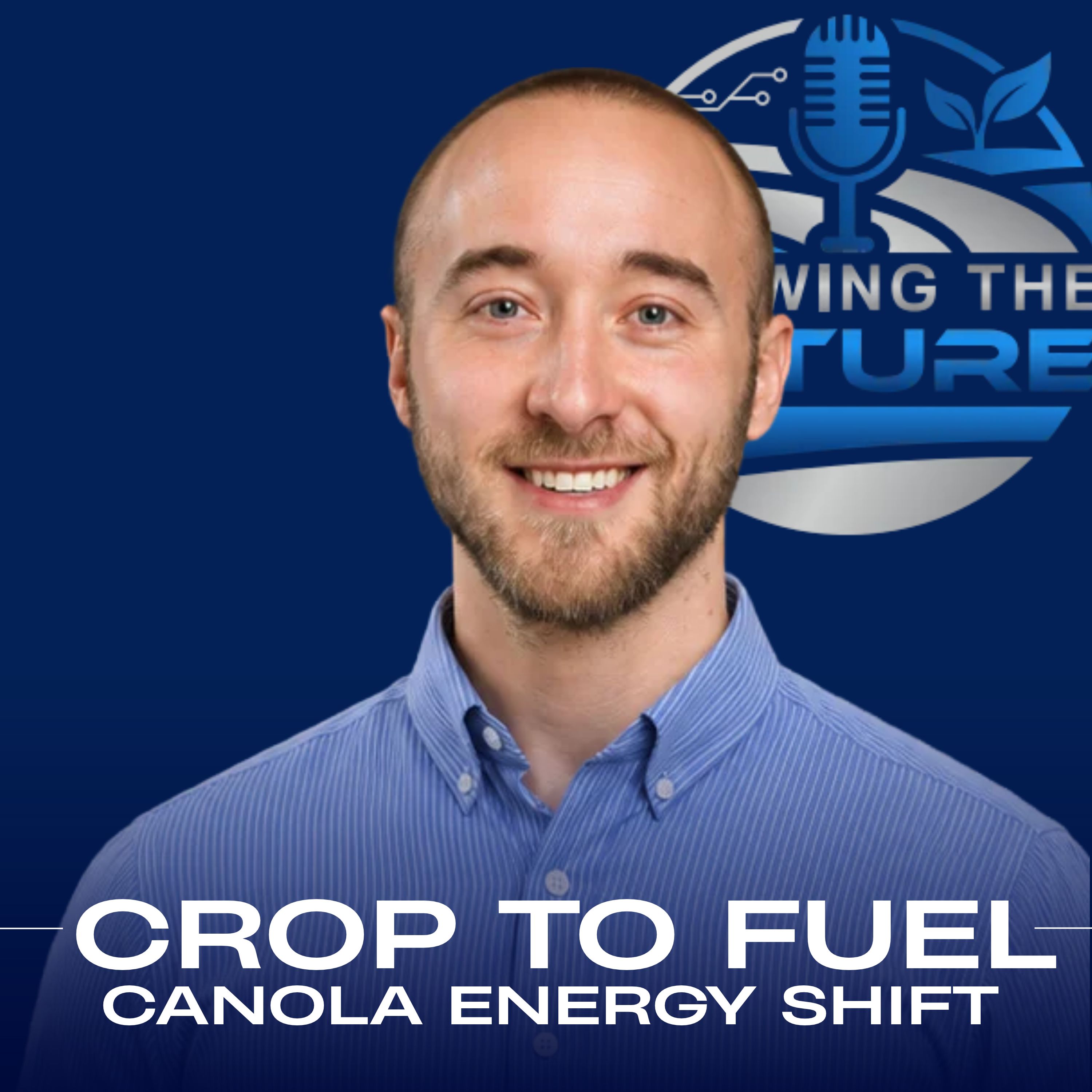
Crop To Fuel: Canola Energy Shift

62 min

A crush plant can run flat out and the canola bid can still disappoint. Dan Aberhart puts that question to Mike Castle, who has spent his career on the physical side of grain, from running elevators to market intelligence at StoneX. Mike traces how an energy shock moves through diesel, inflation and interest rates, and then into fertilizer and oilseed prices. From there he shows why canola and soybeans trade the same story. Crush now takes more than 60% of Canadian canola demand, and U.S. biofuel policy is a major support for canola oil. He also explains why managed money is selling the ags while the Black Sea situation keeps worsening, and what that could mean for canola going into 2027. The conversation closes on a practical idea. Compare your input costs against what you sell as a ratio, lock in margin when both sides of that relationship look workable, and layer in your decisions instead of waiting for one perfect price. Mike is clear that this is market commentary, not a price rec

Discuss this episode

Growing the Future

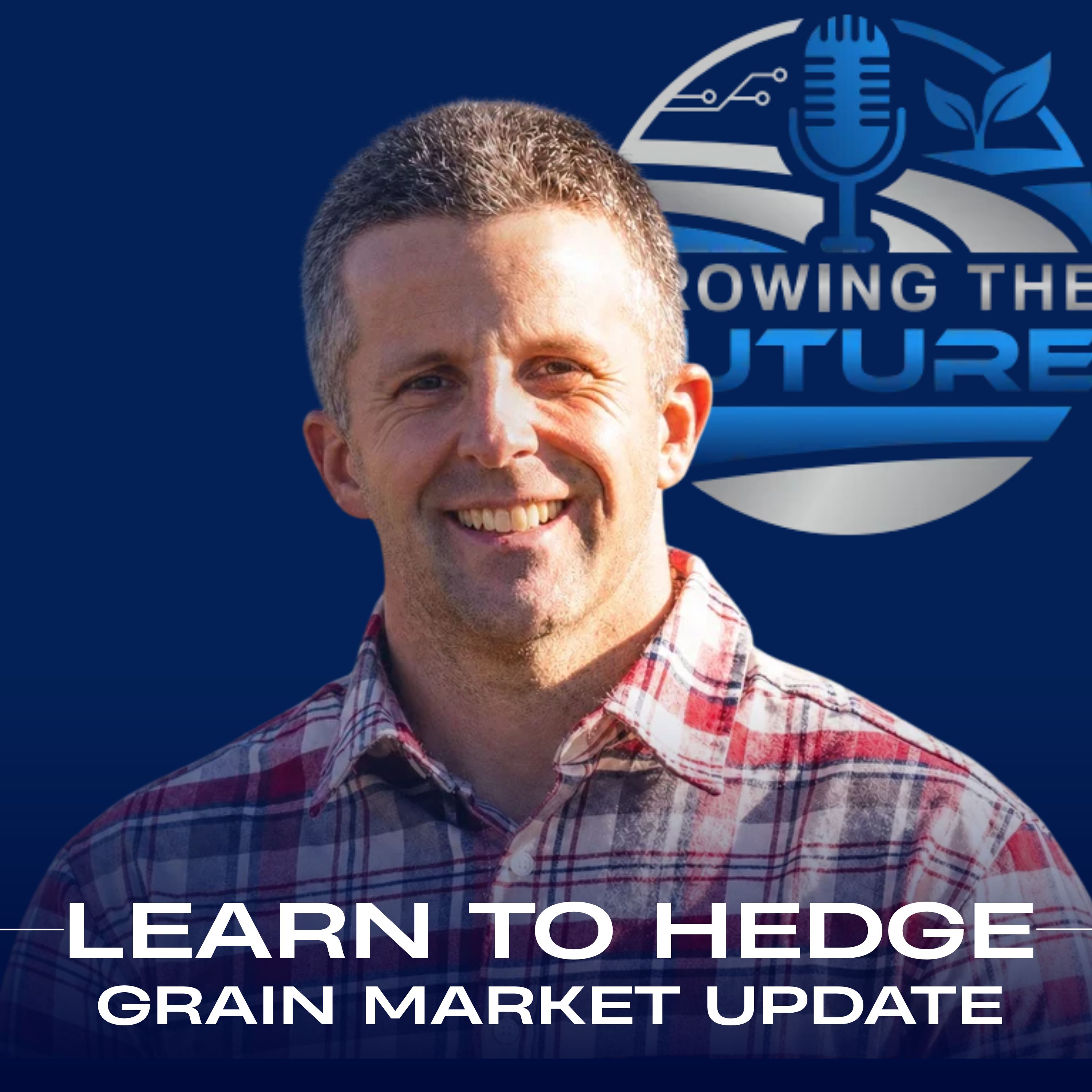
Learn To Hedge: Grain Market Update

56 min

Dan opens with a farmer’s moment: grain in the bin, bills coming due, prices down. Ryan explains why growers are uneasy, how his market view has shifted over the last six weeks, and what changed the ground under corn when the USDA released two surprising reports. He walks through the topics he watches: weather in South America, the Black Sea, the StatsCan yield estimate on December 4, India demand, biodiesel policy and Canada’s export pace. On canola, Ryan shows how he builds a yield scenario from the five-year average, crush and exports, and explains why lower prices can draw in demand. He also shows how he reads trend, divergence and seasonal charts. In the second half, Dan and Ryan preview Learn to Hedge, a six-week Friday course on futures, basis, options and technical analysis, and Ryan explains why he thinks nobody should trade alone. Key Topics • How the USDA reports reshaped the corn market, and what followed in wheat • Canola yield, crush, exports and carryout in one worked sc

Discuss this episode

Community Poll

Tourism revenue should help cover the costs visitors create for local residents.

Share your view, then see how readers voted. No sign-in required. This poll is shared across stories.

Do you agree or disagree?

Choose one answer

Common Quandary

A Common Quandary to discuss

Another conversation to explore, separate from this news story.

The best garden plot has been abandoned for months. Who gets to take it?

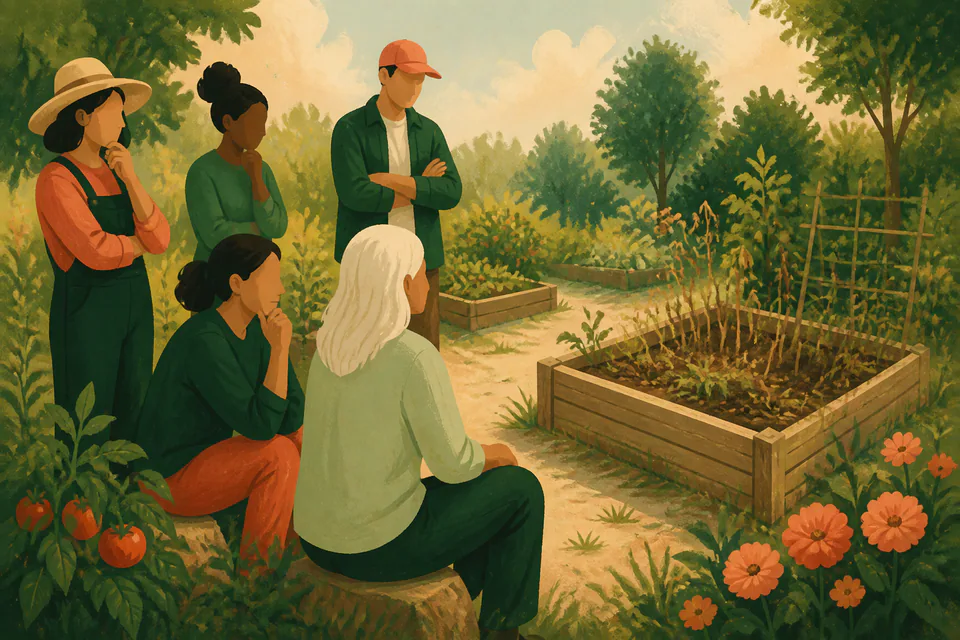
Garden plots have a three-year waiting list. One member's plot has gone untended for months and messages go unanswered, but other gardeners know they recently faced serious health problems.

How long should a shared resource remain reserved out of compassion?

Explore this quandary