English-language podcasts

The John Batchelor Show

Soviet Collapse and Missed Opportunity Michael McFaul, author of Autocrats versus Democrats MCFAUL3
14 min

Listen through the publisher, then discuss the episode here or arrange an in-person Roundtable. Your city determines where to meet.

Roundtables are designed for groups of four, with a shared subject and room for everyone to speak. Come for discussion, with no dating expectation.

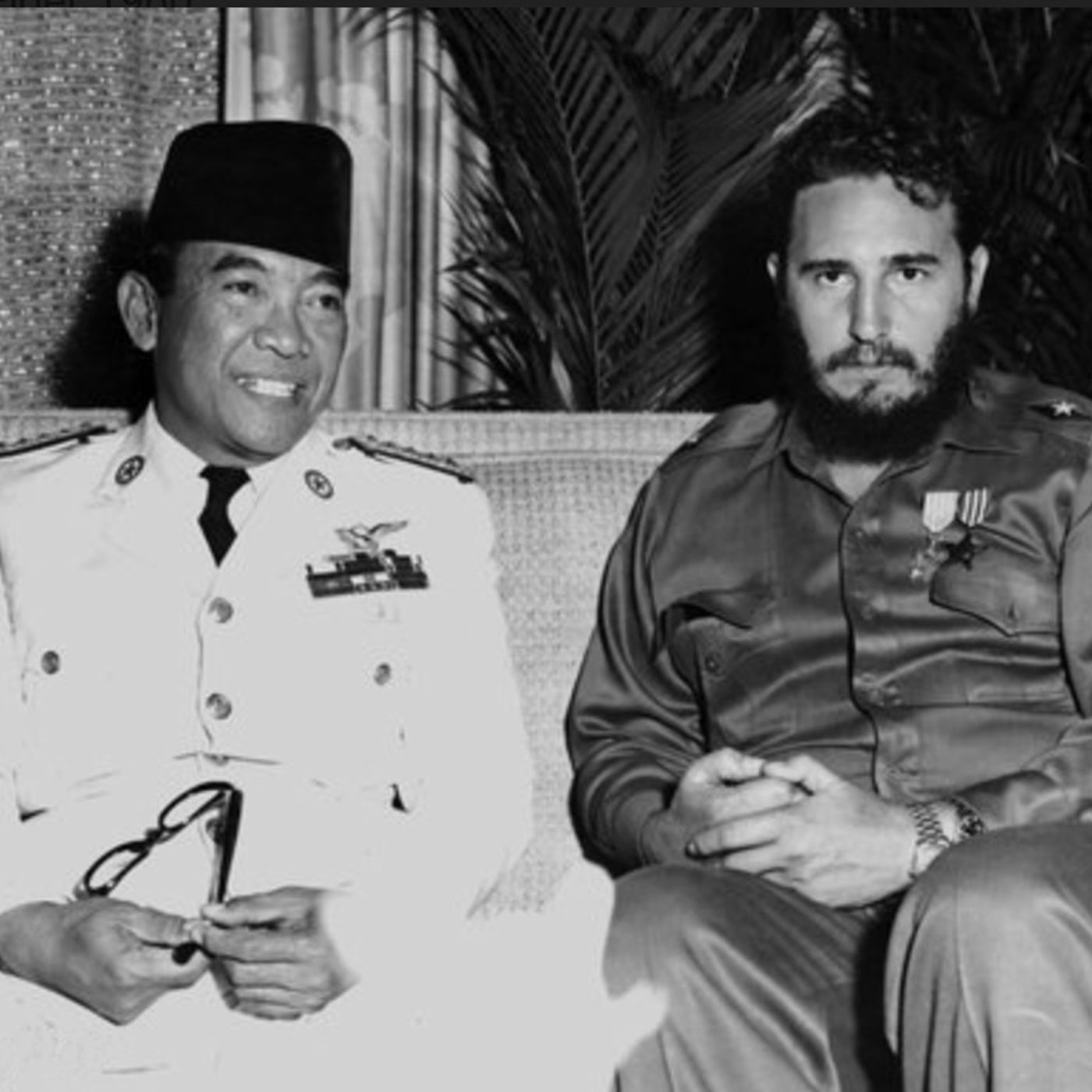
1960 SUKARNO AND CASTRO IN HAVANA Soviet Collapse and Missed Opportunity Michael McFaul, author of Autocrats versus Democrats, recalls watching the Soviet Union collapse while he was doing research in Moscow in 1990 and 1991. He describes how Mikhail Gorbachev's reforms set off a revolutionary cycle that led to Boris Yeltsin and, later, the autocratic backlash under Vladimir Putin. He argues that American policy grew complacent after the Cold War and failed to give Russia the political and economic help it needed during its 1992 transition to secure its fragile democratic and market institutions. Part Three. (3)

Episode information is provided by the publisher. Listening takes place on the publisher’s service.

Listen at the source ↗

Featured places to meet in Palo Alto, CA

Explore these places and arrange a conversation through ThinkMatch.

City guide for Palo Alto, CA

More from The John Batchelor Show

The John Batchelor Show

Grand Strategy for Democratic Alliances Michael McFaul, author of Autocrats versus Democrats, MCFAUL8

10 min

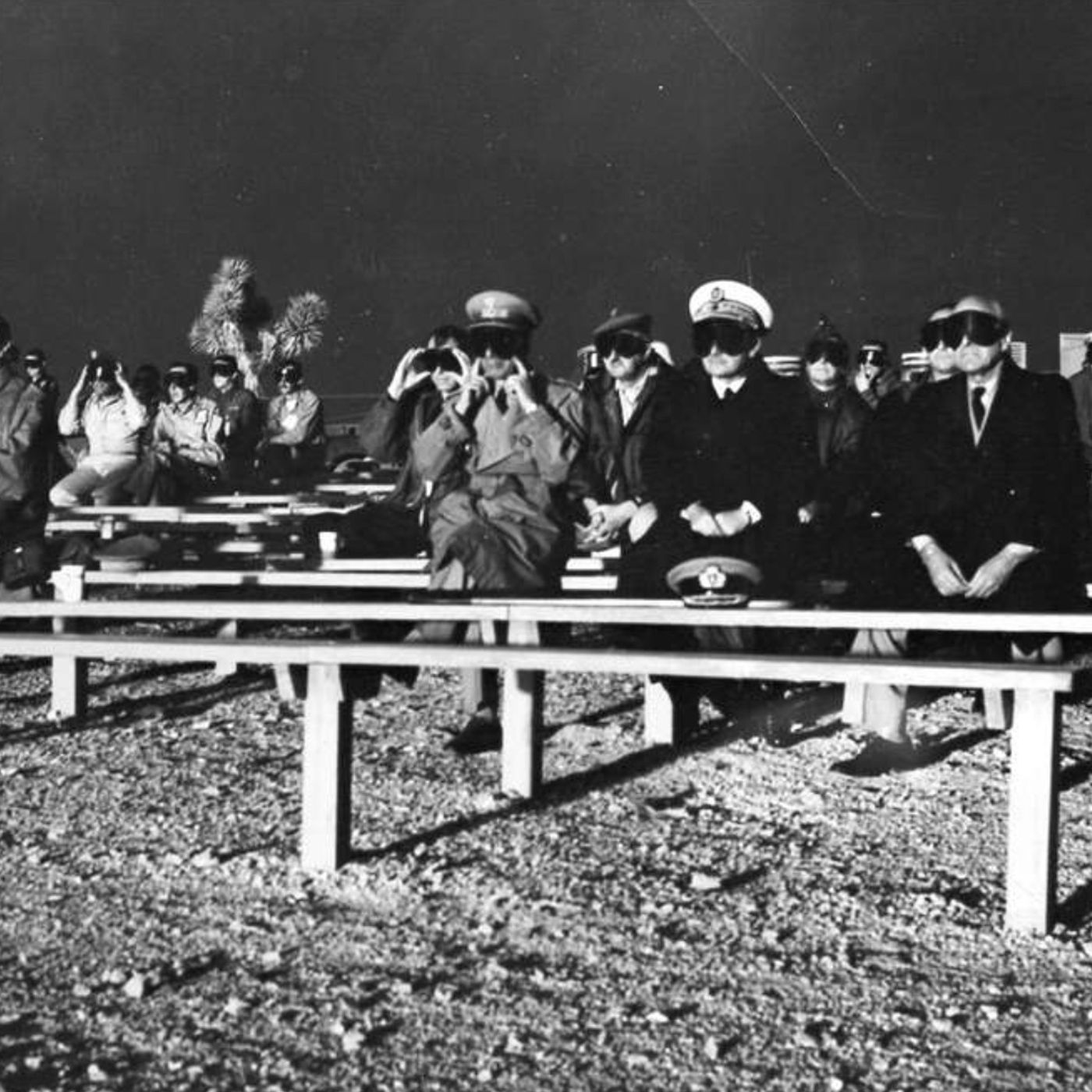
1957 PLUMBBOB ,BOLTZMAN EVENT Grand Strategy for Democratic Alliances Michael McFaul, author of Autocrats versus Democrats, sets out a long-term grand strategy for the democracies in their competition with rising autocracies. He argues that democratic alliances still hold the advantage over Russia and Chinain military, economic, technological and ideological strength. To keep that edge, he calls for strengthening democratic institutions at home and renewing investment in public diplomacy such as the Voice of America. He also urges reforming trade agreements rather than retreating into isolation, and keeping international democratic coalitions united. Part Eight. (8)

Discuss this episode

The John Batchelor Show

Supporting Ukraine and Attracting Talent Michael McFaul, author of Autocrats versus Democrats MCFAUL7

11 min

1890 UKRAINE Supporting Ukraine and Attracting Talent Michael McFaul, author of Autocrats versus Democrats, outlines strategies for countering autocratic aggression and preparing for a future political transition in Russia. He stresses that backing a decisive Ukrainian victory is essential to undermining Putin's narrative and encouraging reform inside Russia. He also urges reform of restrictive U.S. visa policies to attract top Russian and Chinese technical talent, and the strategic exploitation of the friction points in the partnership between Xi Jinping and Vladimir Putin. Part Seven. (7)

Discuss this episode

The John Batchelor Show

Autocracy, Alliances and Human Rights Michael McFaul, author of Autocrats versus Democrats MCFAUL6

8 min

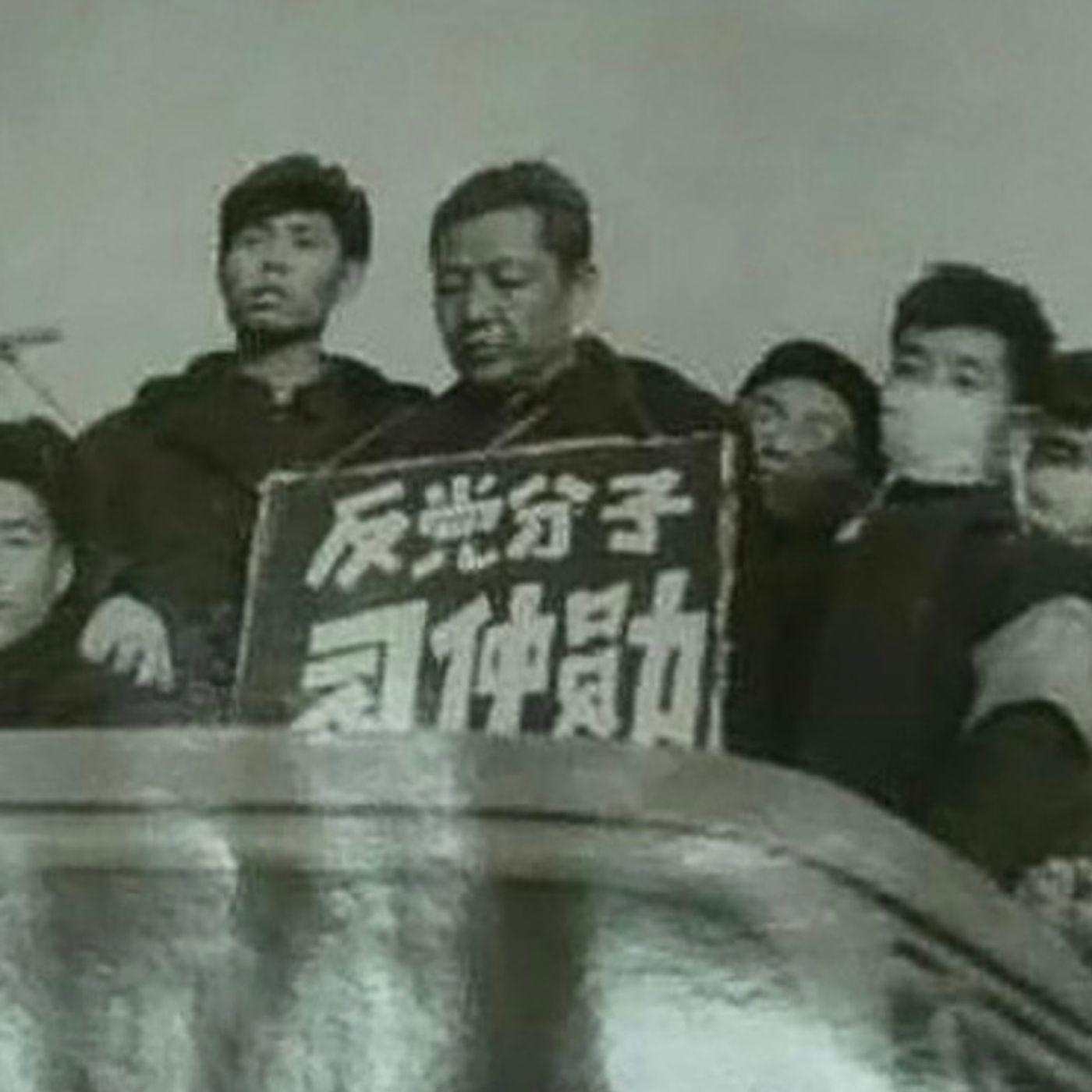
1967 RED GUARDS Autocracy, Alliances and Human Rights Michael McFaul, author of Autocrats versus Democrats, analyzes U.S. strategy toward autocrats, citing Donald Trump's meetings with Xi Jinping at Mar-a-Lago. McFaul supports strong military deterrence and direct communication with adversaries, but criticizes policies that strain key democratic alliances. He calls for pairing firm security measures with open advocacy for human rights, pointing to jailed Hong Kong publisher Jimmy Lai as a figure who can inspire democratic dissidents living under the regimes in China and Russia. Part Six. (6)

Discuss this episode

Community Poll

Punishments should be evaluated by their effect on future harm, not only their severity.

Share your view, then see how readers voted. No sign-in required. This poll is shared across stories.

Do you agree or disagree?

Choose one answer

Common Quandary

A Common Quandary to discuss

Another conversation to explore, separate from this news story.

A coworker tells you their salary in confidence—and proves everyone else is underpaid. Do you share it?

A coworker privately tells you their salary and asks you not to repeat it. You later realize the figure is strong evidence that several equally experienced colleagues are being underpaid.

When does fairness outweigh a promise of confidentiality?

Explore this quandary