English-language podcasts

The Projection Booth

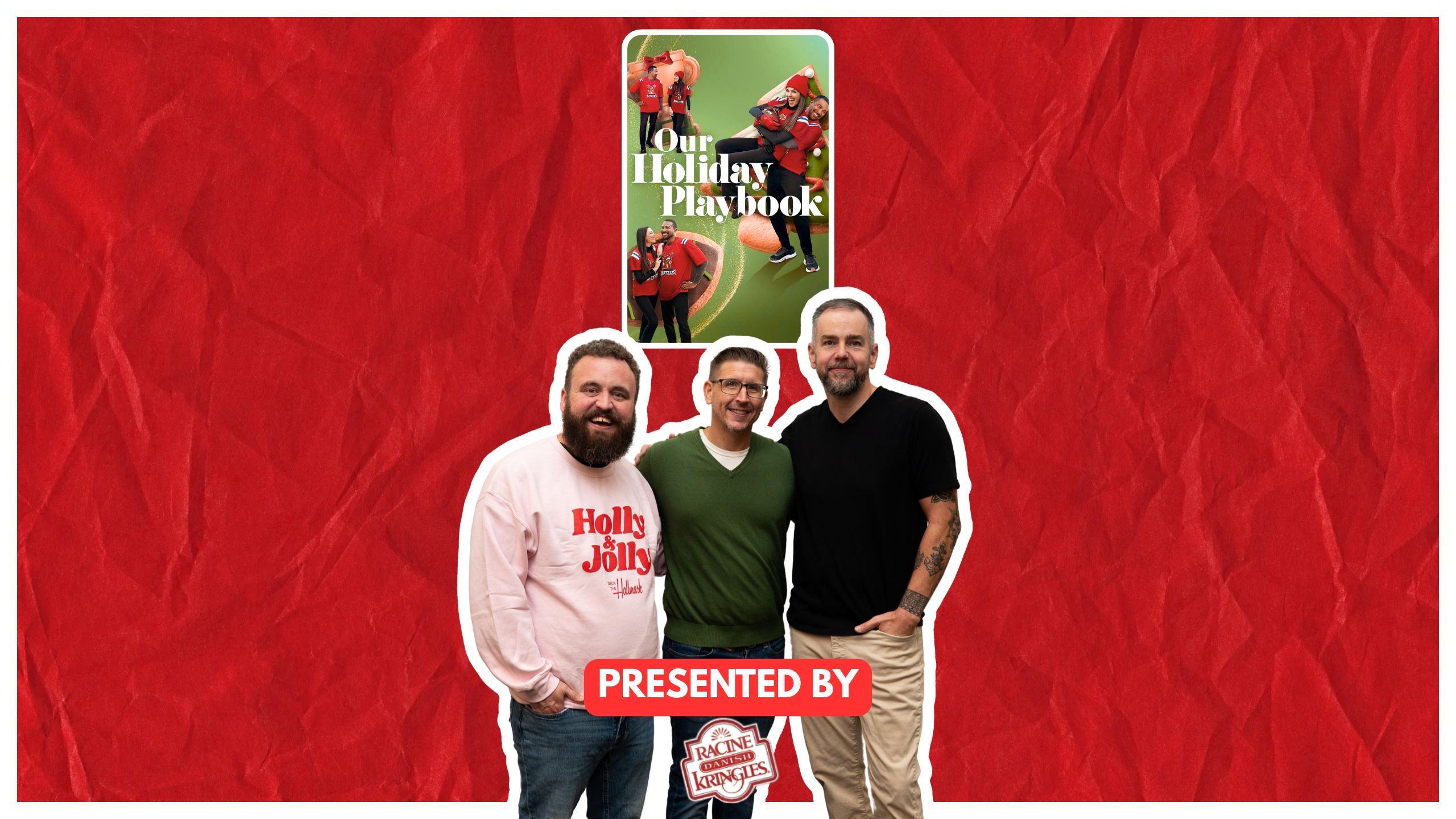
Special Report: Tony (2026)
25 min

Listen through the publisher, then discuss the episode here or arrange an in-person Roundtable. Your city determines where to meet.

Roundtables are designed for groups of four, with a shared subject and room for everyone to speak. Come for discussion, with no dating expectation.

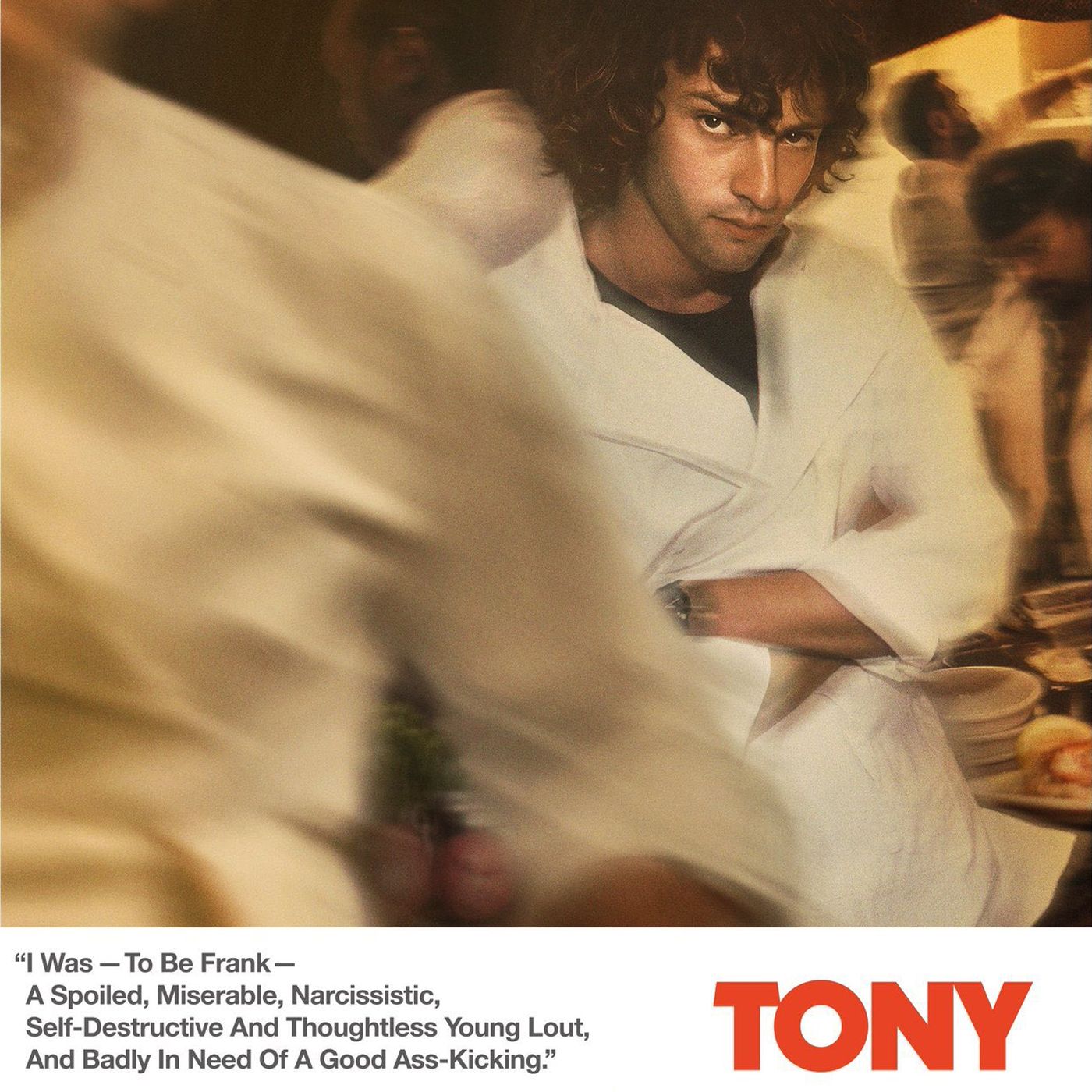
Before Anthony Bourdain became everybody's life guru, he was, by his own account, an insufferable young lout who treated the world as his ashtray. Tony (2026) meets him right there: 19 years old in the summer of 1975, learning to cook and to grow up in a Provincetown, Massachusetts kitchen. Matt Johnson directs the new A24 comedy-drama, with Dominic Sessa as the future author of Kitchen Confidential alongside Antonio Banderas, Emilia Jones, Leo Woodall and Stavros Halkias. Screenwriters Todd Bartels and Lou Howe join Mike to explain how one summer can stand in for a whole life. Friends since boarding school at 15, the two became a writing team on Dumb Blonde, an unproduced Dolly Parton origin story, then turned the same approach on a writer they both revered. They treat the biopic as a Trojan horse for the movies they want to see: 1970s-style comedies with heart, about family and relationships, instead of a Wikipedia page squeezed into two hours. Bartels and Howe trace the script from a thin first pitch to the Bourdain estate, through a spec draft developed with Tim and Trevor White of Star Thrower Entertainment, the producers of The Post (2017) and King Richard (2021), to a year and a half in a Zoom writers' room with Johnson and Matthew Miller. They recall the surreal, drug-fueled sequences that had to go, Halkias making up his lines on the spot, and the oyster-shucking scene that made a New York premiere audience gasp out loud. How do you turn a self-described punk know-it-all into a beacon of curiosity in a single summer? Explore more of our shows at http://weirdingwaymedia.com.

Episode information is provided by the publisher. Listening takes place on the publisher’s service.

Listen at the source ↗

Featured places to meet in Palo Alto, CA

Explore these places and arrange a conversation through ThinkMatch.

City guide for Palo Alto, CA

More from The Projection Booth

The Projection Booth

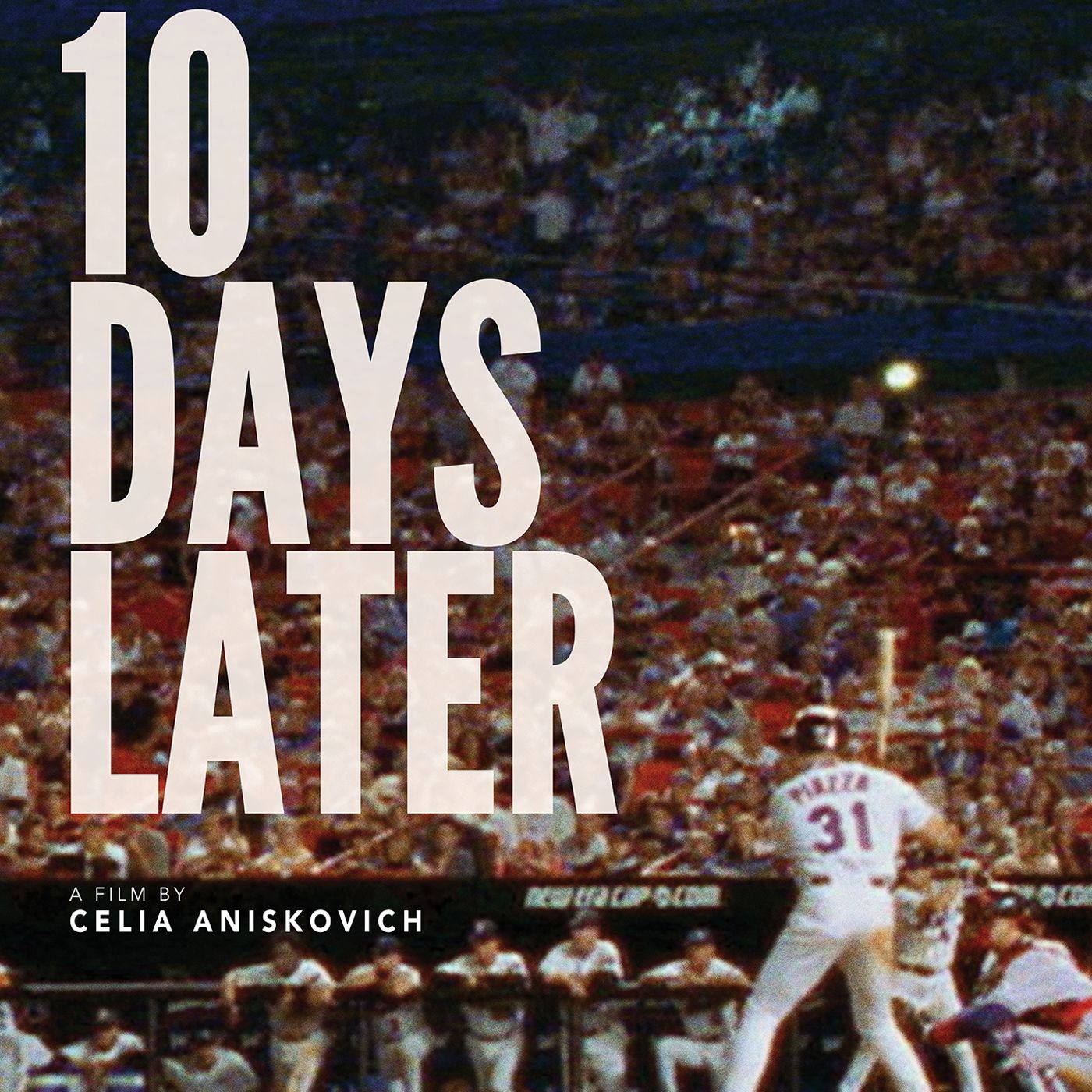
Special Report: 10 Days Later (2026)

34 min

Mike Piazza's home run in the first New York ballgame after 9/11 is the subject of 10 Days Later (2026), a short documentary from director Celia Aniskovich. She and director of photography Megan Stacey join Mike for this Special Report. Aniskovich was in fourth grade in 2001, a Mets fan with a life-size cardboard Piazza in her bedroom, and her father used that game to help her put the pieces back together. She calls this the film she has always wanted to make. A former NBC page, she left the newsroom for documentary. Stacey started with stop-motion movies in high school and went on to film school at Loyola Marymount. They discuss shooting at Citi Field in two days with a Canon C500 Mark II and a C70, and how Field of Dreams (1989) shaped the look. Aniskovich tells how Canon came aboard after she ran into a man at Sundance whom she had sat beside at the Mets' 2015 playoff games, how Major League Baseball opened its archive, and why every second of archival footage in the film comes from

Discuss this episode

The Projection Booth

Episode 831: Journey Into Fear (1943)

214 min

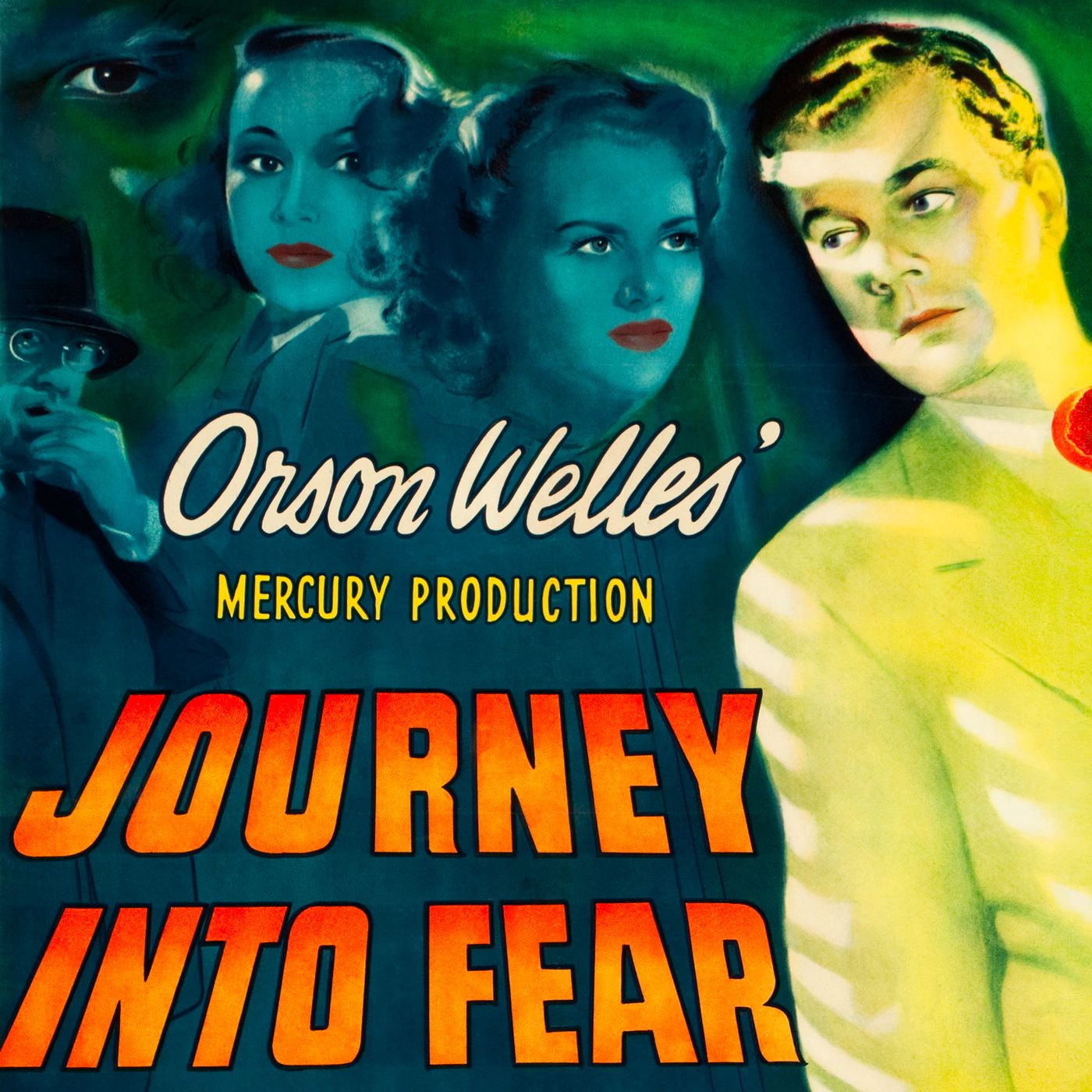
RKO budgeted Journey Into Fear (1943) as Orson Welles's next big picture and released it at 68 minutes, the length of a B movie. Joseph Cotten plays an American ballistics expert stuck on a tramp steamer out of Istanbul with his would-be killer aboard. Norman Foster has the directing credit, and the rumor that Welles directed it has never gone away. Spencer Parsons and Matthew Asprey Gear, author of At the End of the Street in the Shadow: Orson Welles and the City, join Mike to go through the record: Eric Ambler's anti-fascist novel, the censor's notes on the script, a lost preview cut of about 100 minutes, and Welles's return from Brazil to add Cotten's narration and take his own name off the writing and producing credits. They split on which surviving cut plays better. Mark Edlitz discusses his book Maverick in the Machine: Orson Welles and the Battle Over Journey Into Fear, and Joseph McBride talks about the new edition of his Orson Welles. Explore more of our shows at http://weirdi

Discuss this episode

The Projection Booth

Special Report: Don Bluth: Somewhere Out There (2025)

37 min

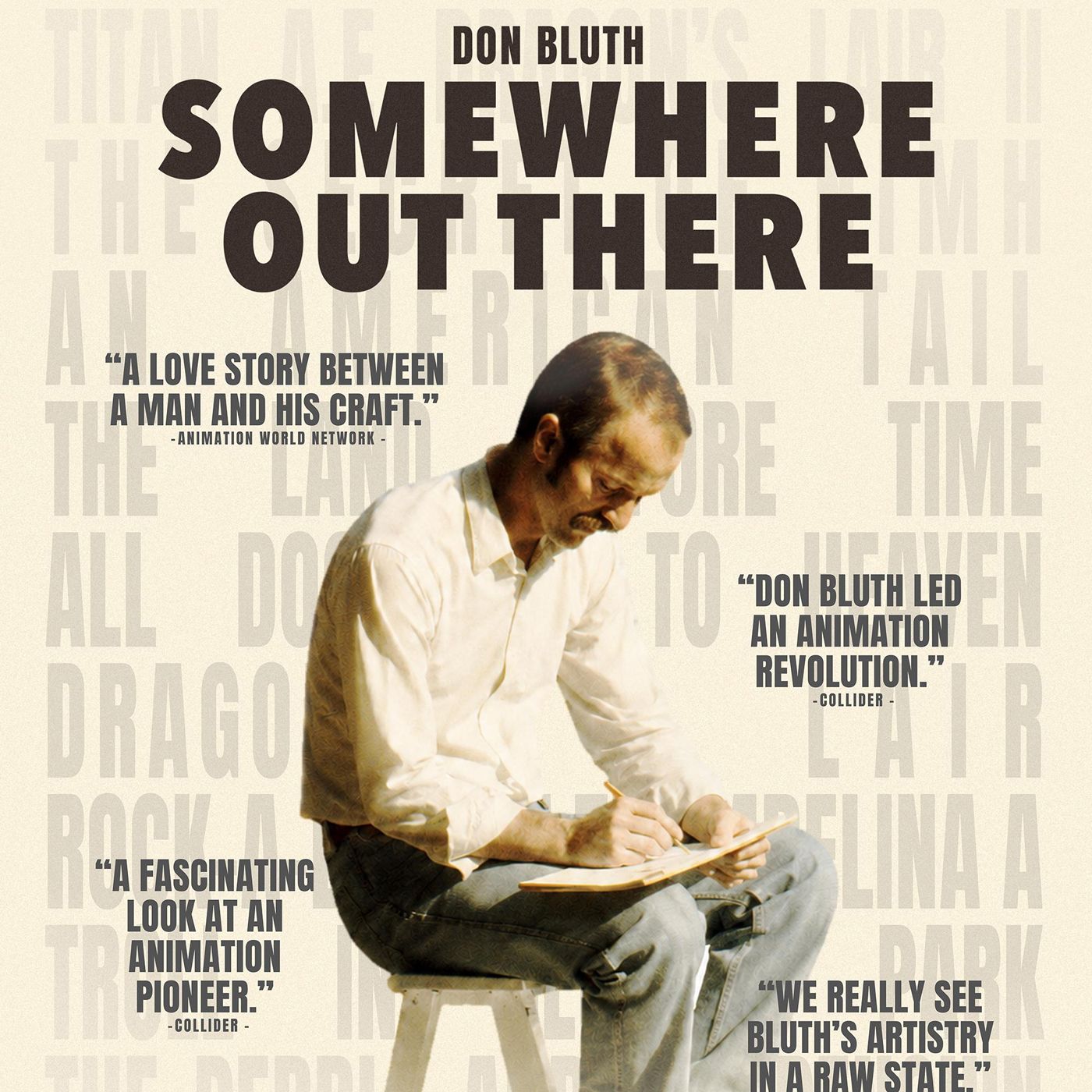
Don Bluth walked out of Disney, his dream job, to save the hand-drawn animation he loved more than anything. Don Bluth: Somewhere Out There (2025), the new documentary from directors Dave LaMattina and Chad N. Walker, lets the animator tell that story himself. Mike talks with both filmmakers ahead of the film's November 20 release on Amazon. LaMattina and Walker met at Blue Sky Studios and made I Am Big Bird: The Caroll Spinney Story (2014) before turning to the man behind The Secret of NIMH (1982), An American Tail (1986), The Land Before Time (1988) and All Dogs Go to Heaven (1989). They recount a first shoot in Arizona where the cameras kept failing, and the Rubbermaid bin in Bluth's house that rescued it: raw film reels of a news piece shot just after Banjo the Woodpile Cat (1979), outtakes and all. That footage set the film's intimate tone and convinced them to drop the talking heads and stay with a single point of view, Bluth's own, as he wrestles with ego and the pull between ar

Discuss this episode

Community Poll

People leaving prison should receive practical help finding housing and work.

Share your view, then see how readers voted. No sign-in required. This poll is shared across stories.

Do you agree or disagree?

Choose one answer

Common Quandary

A Common Quandary to discuss

Another conversation to explore, separate from this news story.

An outsider becomes famous cooking another culture's food. Appreciation or taking over?

A chef becomes known for food from a culture outside their own after years of study with respected cooks. The restaurant is successful, while small businesses run by people from that culture struggle for attention.

When does appreciation become taking opportunity from the people who created a tradition?

Explore this quandary