Listen through the publisher, then discuss the episode here or arrange an in-person Roundtable. Your city determines where to meet.
Roundtables are designed for groups of four, with a shared subject and room for everyone to speak. Come for discussion, with no dating expectation.
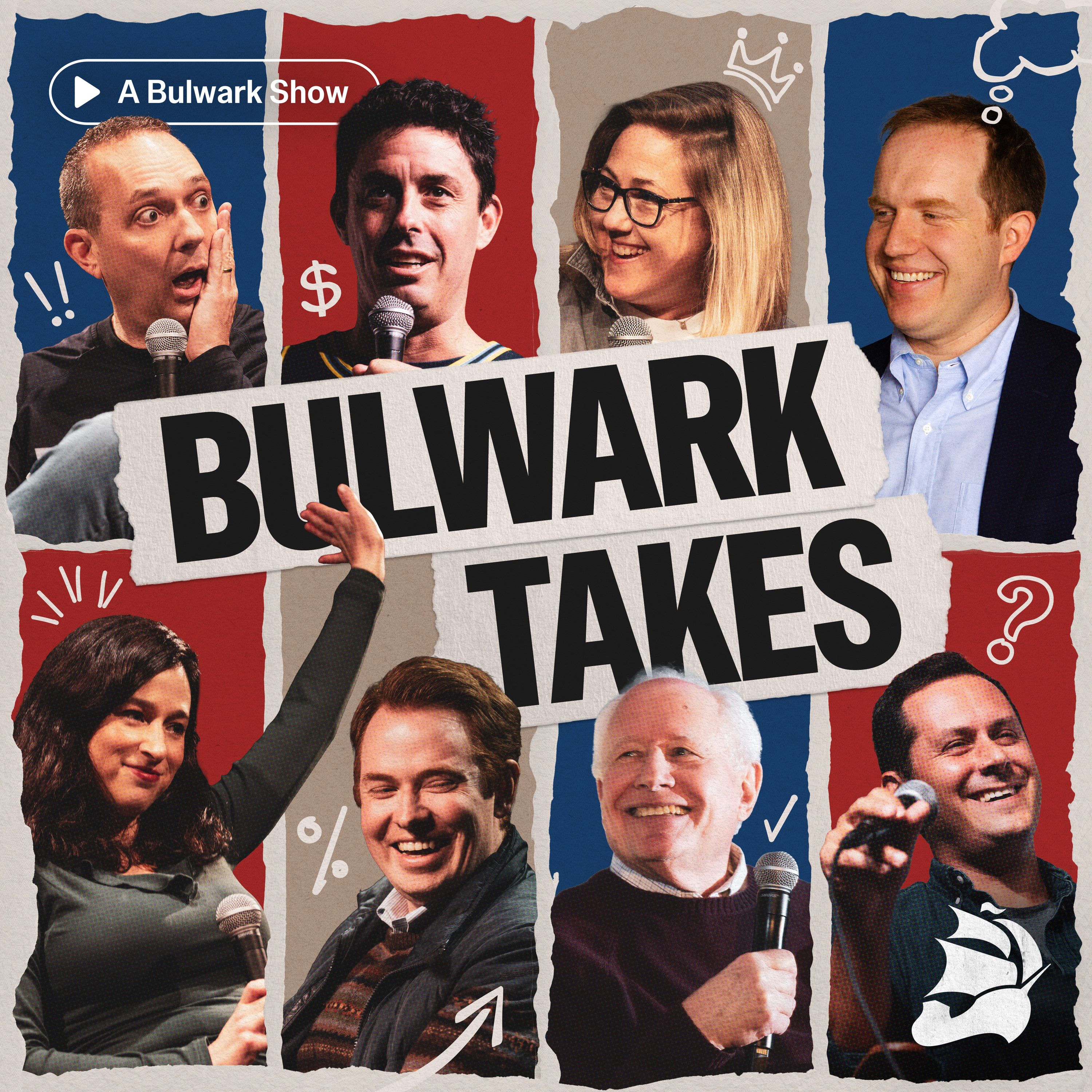
Trump’s response to a crushing midterm defeat? Putting Stephen Miller in charge of the White House. Bill Kristol and former Trump aide Sarah Matthews discuss why Miller could become the de facto president, how his appointment could reshape the balance of power inside the administration, and whether Pete Hegseth’s desperate displays of loyalty can save his job as the Iran war drags on.
Episode information is provided by the publisher. Listening takes place on the publisher’s service.
November 21, 2026; 12pm: In almost every presidency, there comes a time when the president turns their attention overseas – usually after some sort of political defeat. President Trump’s attention is definitely overseas, but for personal reasons. Ruth Ben-Ghiat points out the red flags of Trump cozying up to notorious Strongmen; Democrats have never held this much power before and it’s not just in Congress, it’s at the state level too. State Rep.-elect Allie Phillips (D-TN) and State Senator-elect Robyn Vining (D-WI) explain how they will set their most important agenda items into action; MS NOW’s Rachel Maddow continues her discussion with Jacob Soboroff about her brand new book “The Department of Fate,” Stephen Miller’s rise, and much more. Hosted by Simplecast, an AdsWizz company.
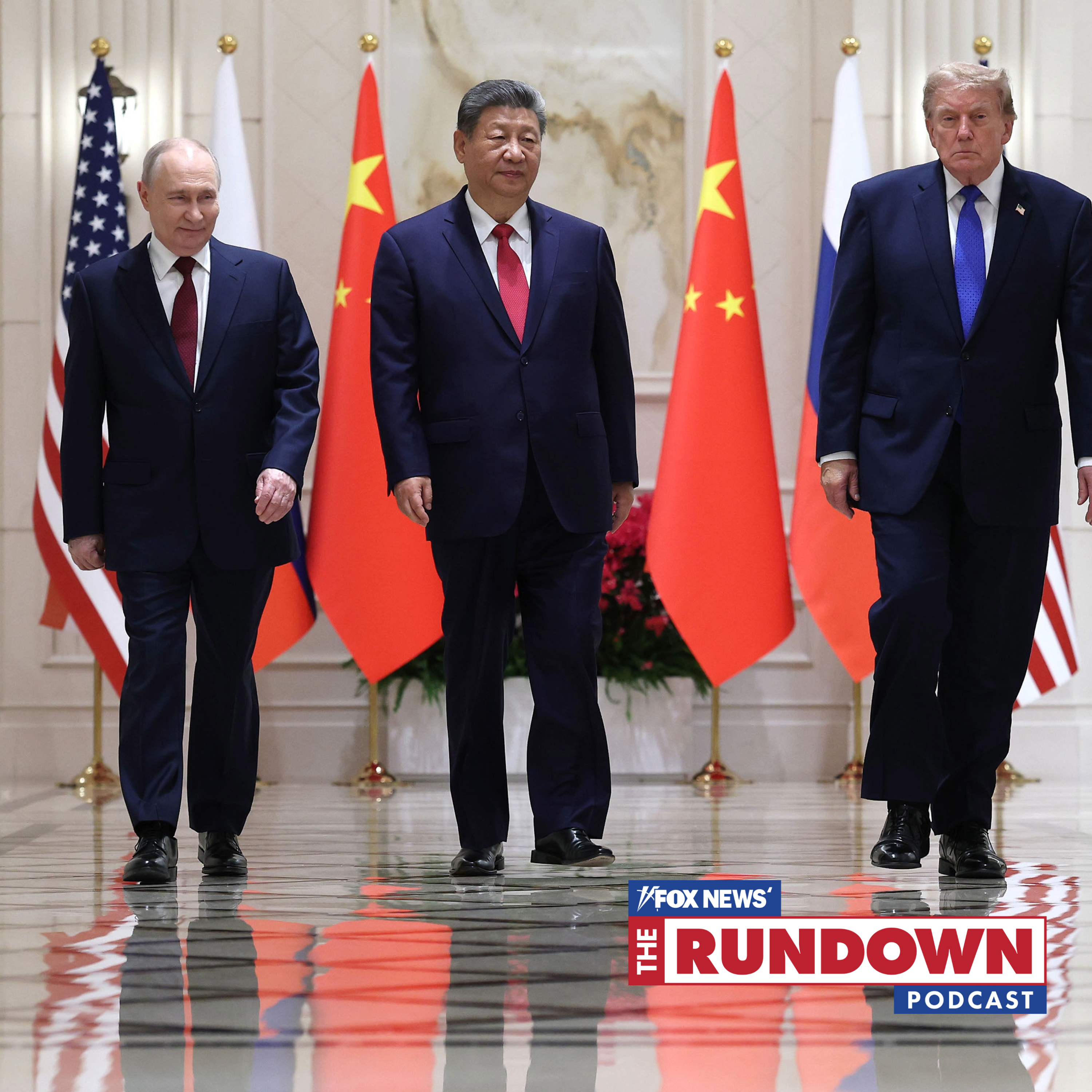
Following President Trump’s trip to Asia and a first-ever trilateral meeting with the leaders of China and Russia, foreign policy experts are weighing what was accomplished on the world stage. Former national security advisor to Vice President Dick Cheney and Heritage Foundation senior research fellow Stephen Yates joins The Rundown to analyze the summit’s outcomes on Taiwan, Ukraine, Iran, and strategic arms talks. Yates also explains how new rare-earth agreements with U.S. allies and export controls on AI chips balance Trump’s warmer rhetoric toward Beijing. Later, widespread tech outages across major platforms and government systems raise urgent questions about whether U.S. digital infrastructure is prepared for the artificial intelligence era. Former Cybersecurity and Infrastructure Security Agency (CISA) director Bridget Bean breaks down how rapid software patching can trigger cascading system failures, the growing cyber threats posed by China and Iran, and how organizations can d
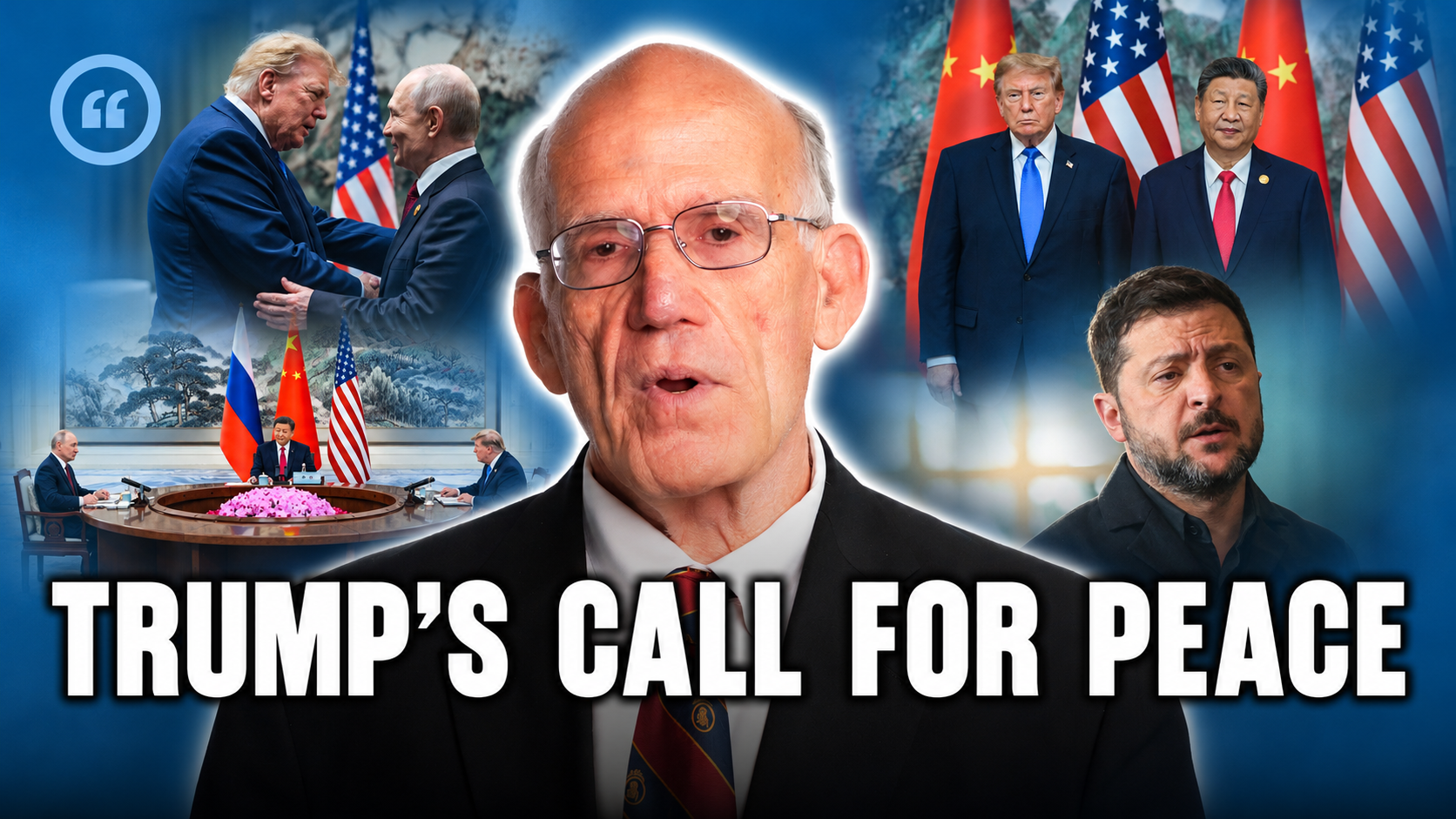
President Donald Trump's first ever trilateral summit with Vladimir Putin and Xi Jinping raises questions about the future of the war in Ukraine and whether a peace agreement could finally be within reach. Victor Davis Hanson and Sami Winc examine the summit on today’s edition of “Victor Davis Hanson: In His Own Words,” discussing Russia's declining influence, potential territorial concessions in Ukraine, and Europe's frustration over Trump's peace negotiations. Hanson criticizes Hillary Clinton's attacks on Trump's diplomacy; he also argues that European leaders have weakened their influence by neglecting defense spending and relying on American military protection. They discuss Elon Musk's shifting political allegiances, and Hanson warns that distancing himself from MAGA may not protect him from Democrat investigations. They also discuss the potential economic benefits of artificial intelligence and the challenges facing Hakeem Jeffries as Democrats prepare to take control of the Hou
Hey everybody, Tom Bilyeu here. On today’s episode of Impact Theory, we’re taking on a topic that’s got the whole world holding its breath: the escalating crisis between the United States and Iran. As tensions ratchet up, we’re asking the tough questions—how did we get stuck in this “escalation trap,” and what does it mean for America’s global leverage, our economy, and our very sense of security? The conversation focused on why the traditional idea of “strategy” might be failing policymakers, using powerful analogies—like chess versus roulette—to show how doubling down in conflict can spiral out of control. We’ll break down the risks of tactical “wins” that create even bigger crises, the real leverage Iran holds with control of the Strait of Hormuz, and the mounting pressure on President Trump as political support erodes and legacy hangs in the balance. A key theme that emerged is what happens when military might runs into decentralized opposition, and why high-stakes gambles—like the
November 21, 2026; 7am: Yesterday, President Trump held a press conference recapping his trip to Asia, where he met with Chinese President Xi Jinping and Russian President Vladimir Putin, whom he described as “friends.” On Friday, Trump insisted Putin wants to end his war with Ukraine, but hours earlier Russia fired hundreds of missiles and drones into Ukraine, with two missiles and a suspected drone crashing into neighboring Poland. MS NOW Chief White House reporter Paula Reid and Jon Finer, former principal deputy national security advisor in the Biden administration, join “The Weekend” to discuss. For more, follow us on social media Bluesky: @theweekendmsnow.bsky.social Instagram: @theweekendmsnow TikTok: @theweekendmsnow Hosted by Simplecast, an AdsWizz company.
The position of Surgeon General remains vacant, a federal court struck down vaccine overhauls (for now), and anger from ‘Make America Healthy Again’ activists has some wondering whether Health and Human Services Secretary Robert F. Kennedy Jr. has lost his grip on the movement that helped propel President Donald Trump back to the White House. We hear from one activist — outraged by an executive order about weedkiller — who says some voters “will not be coming back.” Plus, what’s going on with all the whole hype videos? --- Guests: Kelly Ryerson, ‘Glyphosate Girl’ & Sarah Owermohle, CNN Health Policy Reporter Host/Producer: David Rind Producer: Paola Ortiz Showrunner: Felicia Patinkin
House Republicans have apparently decided to stop showing up for work, leaving Mike Johnson begging his members to return as a government shutdown looms. Catherine Rampell and Joe Perticone discuss the GOP’s disappearing majority, Trump’s trouble getting his nominees confirmed, and a new executive order that Joe calls “mafia-esque” as the White House tries to get ahead of congressional investigations.
Rep. Jamie Raskin joins Catherine Rampell to discuss the growing investigation into Commerce Secretary Howard Lutnick’s financial ties to NVIDIA, his family’s business dealings, and whether the Trump administration has compromised national security for private profit. Raskin also reveals that whistleblowers are already coming forward with allegations of corruption and criminality, and explains why Trump’s presidential pardons may not protect his allies from the investigations ahead. Upgrade your sleep now with Boll & Branch during their best sale of the year.
Tim Miller and JVL react live to Trump’s marathon White House press conference following his summit with Putin and Xi. From Trump’s fawning praise of the two dictators to JD Vance’s refusal to say whether the Iran war was worth losing the Senate, the spectacle takes some unexpected turns—including a possible 2028 audition from Stephen Miller. Plus, the bizarre claims, endless tangents, and increasingly exhausted reactions from Tim and JVL. Upgrade your sleep this holiday season with Boll & Branch’s luxurious, breathable organic cotton sheets, blankets, and bedding. Exclusions apply.
People should receive clear risk information before buying property in hard-to-insure areas.
Share your view, then see how readers voted. No sign-in required. This poll is shared across stories.
Do you agree or disagree?
Common Quandary
A Common Quandary to discuss
Another conversation to explore, separate from this news story.
Your coworker's religious holiday means you work the unpopular shift again. Is that fair?
A workplace accommodates religious observances by asking other employees to cover unpopular shifts. One coworker objects that nonreligious commitments can be equally meaningful but receive less formal protection.
Does equal respect require treating every kind of commitment identically?