STREAMING THE MAKING OF THE JOHN BATCHELOR SHOW 9-11-262
55 min
Listen through the publisher, then discuss the episode here or arrange an in-person Roundtable. Your city determines where to meet.
Roundtables are designed for groups of four, with a shared subject and room for everyone to speak. Come for discussion, with no dating expectation.
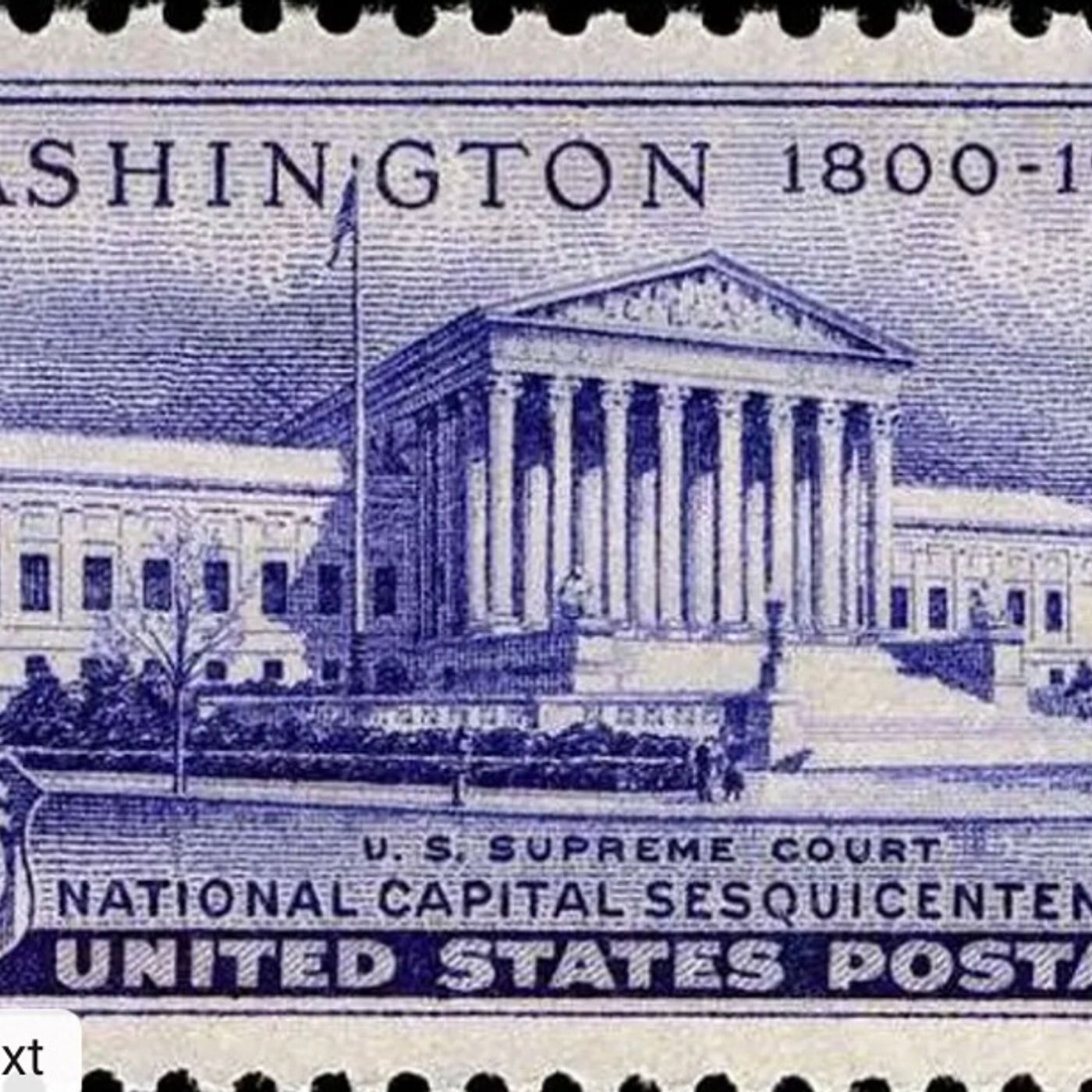
1940 SCOTUS Global political analysis and historical parallels dominate the discussions as experts evaluate mounting tensions between modern Western leaders and the Roman Catholic Church, drawing comparisons to medieval disputes over authority. Analysts also examine the aftermath of recent elections in the United States and Israel, highlighting how public dissatisfaction with ongoing military conflicts and inflation has significantly altered the political landscape. Meanwhile, military strategies concerning Iran and Middle Eastern proxy groups remain precarious, as leaders navigate a complex web of international diplomacy, domestic dissent, and unresolved security threats.
Episode information is provided by the publisher. Listening takes place on the publisher’s service.
Runaway government spending, rising costs, and a new wave of legal battles over constitutional rights. With Democrats preparing to take control of Congress and several state governments, Republicans are confronting a very different political landscape. John Solomon and Amanda Head welcome Montana Senator-elect Kurt Alme, who says Washington must get serious about reining in spending, lowering inflation, and making everyday life affordable again. Already preparing for his arrival in the Senate, Alme discusses his priorities for protecting Montana's way of life, keeping taxes low, creating good-paying jobs, and working across party lines when possible. He also addresses the challenges Republicans face in the minority, the remaining lame-duck session, and concerns about efforts to expand the Supreme Court and eliminate the filibuster. Then, Southeastern Legal Foundation President Kimberly Hermann joins the show with a warning about potential policy reversals in states where Democrats have
Hey everybody, Tom Bilyeu here. On today’s episode of Impact Theory, we’re taking on a topic that’s got the whole world holding its breath: the escalating crisis between the United States and Iran. As tensions ratchet up, we’re asking the tough questions—how did we get stuck in this “escalation trap,” and what does it mean for America’s global leverage, our economy, and our very sense of security? The conversation focused on why the traditional idea of “strategy” might be failing policymakers, using powerful analogies—like chess versus roulette—to show how doubling down in conflict can spiral out of control. We’ll break down the risks of tactical “wins” that create even bigger crises, the real leverage Iran holds with control of the Strait of Hormuz, and the mounting pressure on President Trump as political support erodes and legacy hangs in the balance. A key theme that emerged is what happens when military might runs into decentralized opposition, and why high-stakes gambles—like the
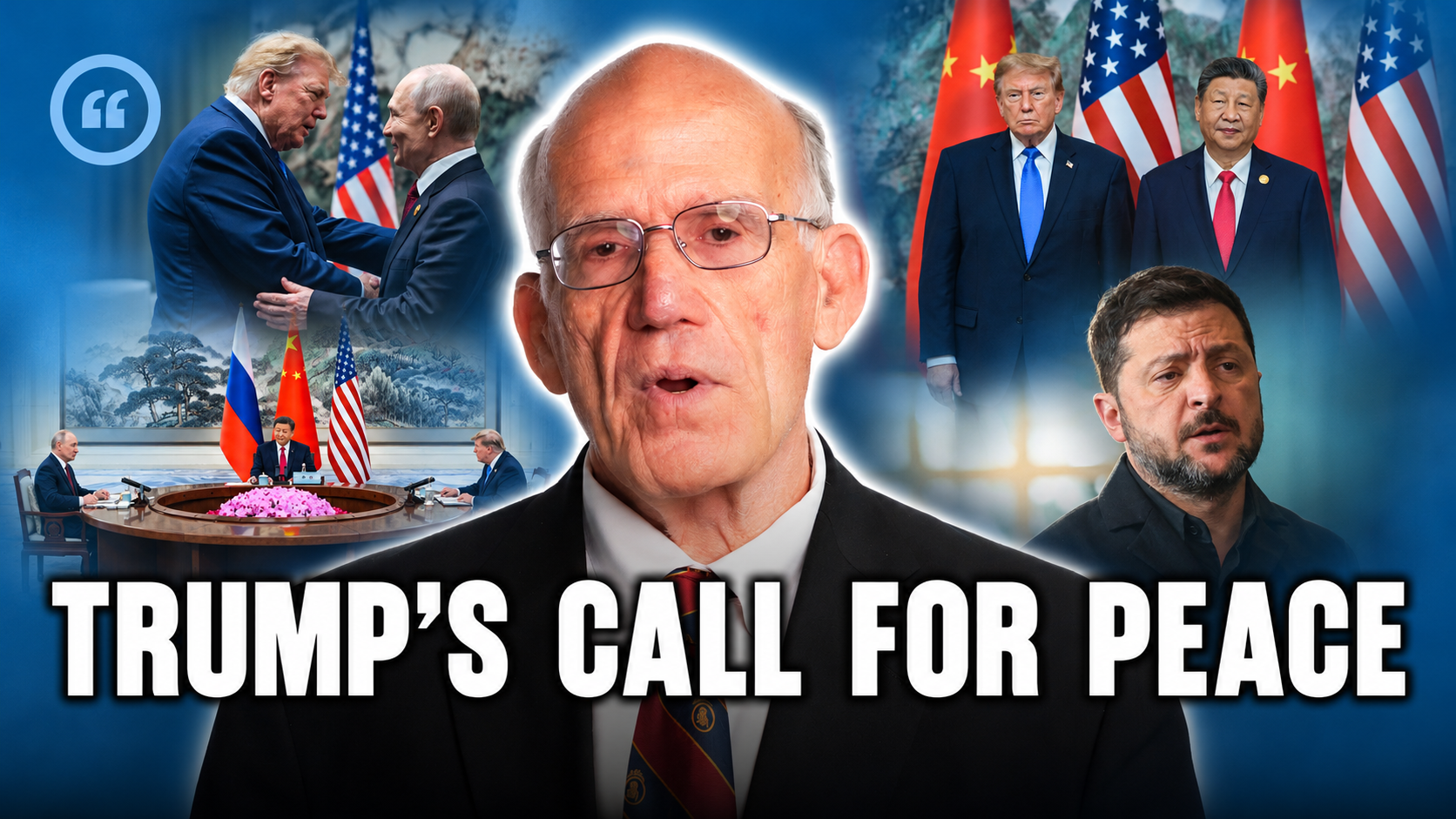
President Donald Trump's first ever trilateral summit with Vladimir Putin and Xi Jinping raises questions about the future of the war in Ukraine and whether a peace agreement could finally be within reach. Victor Davis Hanson and Sami Winc examine the summit on today’s edition of “Victor Davis Hanson: In His Own Words,” discussing Russia's declining influence, potential territorial concessions in Ukraine, and Europe's frustration over Trump's peace negotiations. Hanson criticizes Hillary Clinton's attacks on Trump's diplomacy; he also argues that European leaders have weakened their influence by neglecting defense spending and relying on American military protection. They discuss Elon Musk's shifting political allegiances, and Hanson warns that distancing himself from MAGA may not protect him from Democrat investigations. They also discuss the potential economic benefits of artificial intelligence and the challenges facing Hakeem Jeffries as Democrats prepare to take control of the Hou
At the trilateral meeting of the leaders of the United States, Russia and China, in Shenzhen this week, Donald Trump was keen to emphasise that they were making history. While wars continue to roil Ukraine and the Middle East, the three leaders sat down to discuss nuclear weapons, boosting petroleum production, reform of the United Nations and their dislike of the International Criminal Court. So was this a Yalta 2.0 as some parts of the media have suggested, or will this meeting soon be forgotten as just another wild moment from final years of Trump's presidency? Guest: Margaret MacMillan, emeritus professor of international history at Oxford University and the University of Toronto
For review: 1. Iraq has reached a compromise with the powerful Iran-backed militia Kataeb Hezbollah, three senior security officials said, after Prime Minister Ali al-Zaidi readied security forces to move against the group. Reflecting the gravity of the situation, Iraqi Shiite political sources said Esmail Qaani, commander of Iran’s elite Revolutionary Guards’ Quds Force, arrived in Baghdad late on Monday to help defuse tensions with Kataeb Hezbollah, Tehran’s most powerful militia ally in Iraq. 2. Lebanese President Joseph Aoun launched a lengthy rebuke of Iran in an Independence Day address, arguing that the Islamic Republic does not have the right to interfere in Lebanon’s internal affairs, as it long has via support for its local terror proxy, Hezbollah. 3. Yemen’s Houthis launched strikes on the Saudi capital Riyadh on Saturday, after vowing reprisals for a “special operation” by the Saudi-led coalition fighting them. The coalition later said it had “intercepted and destroyed” thr
This week on the Mark Levin Show, 2028 Republican Presidential candidates must directly address the urgent threats to the country - Marxism and Islamism. These candidates should deliver bold, courageous speeches that clearly explain what is happening in the country, identify those responsible, and directly challenge these threats rather than leaving such warnings to a small number of media voices. Also, it is difficult to believe so many major outages affecting entities such as the NSA, FAA, airline systems, Microsoft, and Apple services could be merely coincidental. The timing and scale of the incidents are troubling and remain inadequately explained. President Trump had proposed a major modernization and restructuring of air traffic control in 2017 that Congress failed to enact. Had those reforms been adopted, many current FAA failures might have been avoided. Later, does Senator John Kennedy know anything about originalism? Originalism is not pure textualism. The meaning and intent
Sandpaper Scandal Resurfaces Again Jeremy Zakis reviews the 2018 cricket scandal in which Australian players secretly used sandpaper to alter the ball. The controversy has resurfaced after a former teammate published a book accusing current captain Pat Cummins of involvement, sparking intense debate despite official support for Cummins. (3)
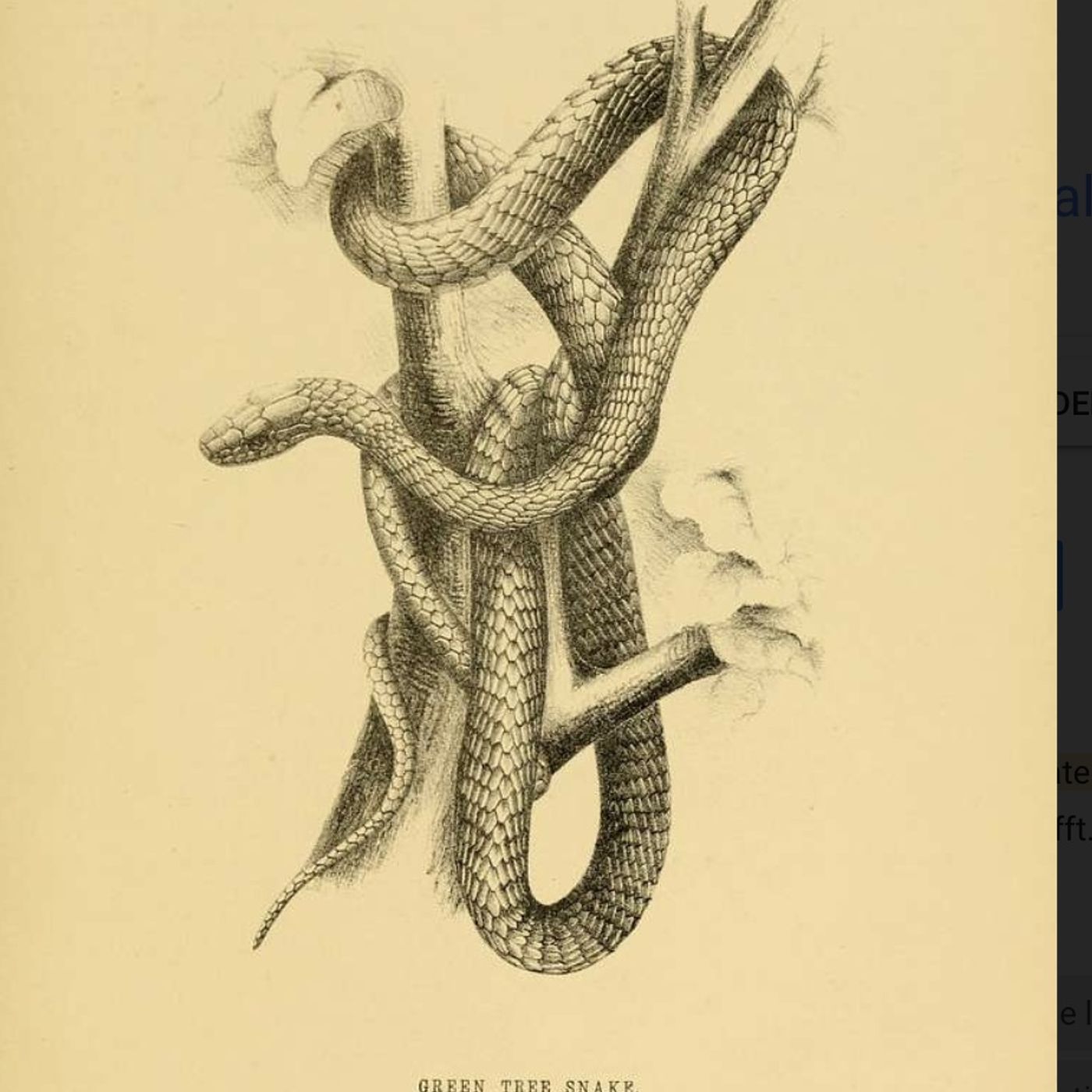
Floods Wash Snakes Downtown Jeremy Zakis explains the official warnings issued in Melbourne after floodwaters washed venomous snakes into the central business district. Snake catchers face surging demand and charge costly call-out fees, while unseasonable storms have disrupted local wildlife, leaving kangaroos hyperactive and erratic on the roads. (2)
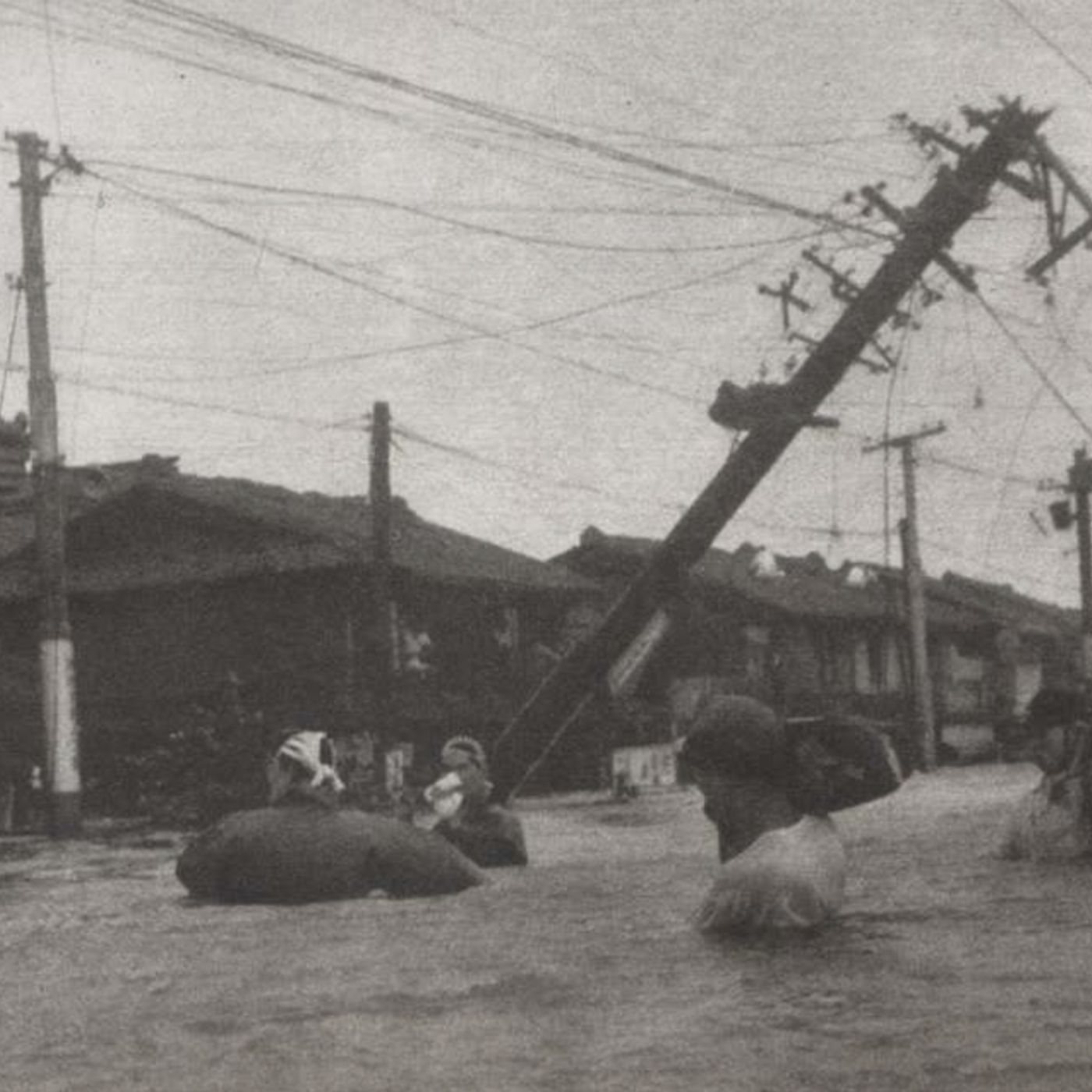
1950 Super El Niño Spring Storms Jeremy Zakis discusses extreme spring weather across Australia, driven by a super El Niño and elevated ocean temperatures. Heavy rain, microbursts, and severe winds in South Australia toppled massive power lines and spawned funnel clouds, while Sydney faces hot, chaotic, (1)
Elected representatives should serve people who voted against them as seriously as their supporters.
Share your view, then see how readers voted. No sign-in required. This poll is shared across stories.
Do you agree or disagree?
Common Quandary
A Common Quandary to discuss
Another conversation to explore, separate from this news story.
A likable but unreliable former employee lists you as a reference. How honest are you?
A former employee who was unreliable but personally likable lists you as a reference without asking. Their prospective manager calls and asks only whether you would hire them again.
How much truth do you owe a stranger when it may cost someone a fresh start?