STREAMING THE MAKING OF THE JOHN BATCHELOR SHPW-11-4
61 min
Listen through the publisher, then discuss the episode here or arrange an in-person Roundtable. Your city determines where to meet.
Roundtables are designed for groups of four, with a shared subject and room for everyone to speak. Come for discussion, with no dating expectation.
1860 STREAMING THE MAKING OF THE JBS-11-4-26 This broadcast offers an extensive geopolitical analysis of the escalating strategic and military threats posed by the People's Republic of China, particularly its naval expansion, artificial intelligence ambitions, and Angoing aggression toward Taiwan. The commentators discuss the domestic fallout of the midterm elections, viewing the political shift as a public rebuke of current executive policies while emphasizing the urgent need to educate a newly elected Congress on foreign affairs. The dialogue also evaluates prospective international summits, such as APEC and the G20, where leaders from the United States, Russia, and China may convene to address the wars in Ukraine and Iran, alongside nuclear arms control. Finally, the experts scrutinize Beijing's technological ambitions and military leadership structure, warning that ideological purges and aggressive industrial subsidies present profound systemic challenges to Western democracies.
Episode information is provided by the publisher. Listening takes place on the publisher’s service.
For review: 1. Iraq has reached a compromise with the powerful Iran-backed militia Kataeb Hezbollah, three senior security officials said, after Prime Minister Ali al-Zaidi readied security forces to move against the group. Reflecting the gravity of the situation, Iraqi Shiite political sources said Esmail Qaani, commander of Iran’s elite Revolutionary Guards’ Quds Force, arrived in Baghdad late on Monday to help defuse tensions with Kataeb Hezbollah, Tehran’s most powerful militia ally in Iraq. 2. Lebanese President Joseph Aoun launched a lengthy rebuke of Iran in an Independence Day address, arguing that the Islamic Republic does not have the right to interfere in Lebanon’s internal affairs, as it long has via support for its local terror proxy, Hezbollah. 3. Yemen’s Houthis launched strikes on the Saudi capital Riyadh on Saturday, after vowing reprisals for a “special operation” by the Saudi-led coalition fighting them. The coalition later said it had “intercepted and destroyed” thr
At the trilateral meeting of the leaders of the United States, Russia and China, in Shenzhen this week, Donald Trump was keen to emphasise that they were making history. While wars continue to roil Ukraine and the Middle East, the three leaders sat down to discuss nuclear weapons, boosting petroleum production, reform of the United Nations and their dislike of the International Criminal Court. So was this a Yalta 2.0 as some parts of the media have suggested, or will this meeting soon be forgotten as just another wild moment from final years of Trump's presidency? Guest: Margaret MacMillan, emeritus professor of international history at Oxford University and the University of Toronto
This week on the Mark Levin Show, 2028 Republican Presidential candidates must directly address the urgent threats to the country - Marxism and Islamism. These candidates should deliver bold, courageous speeches that clearly explain what is happening in the country, identify those responsible, and directly challenge these threats rather than leaving such warnings to a small number of media voices. Also, it is difficult to believe so many major outages affecting entities such as the NSA, FAA, airline systems, Microsoft, and Apple services could be merely coincidental. The timing and scale of the incidents are troubling and remain inadequately explained. President Trump had proposed a major modernization and restructuring of air traffic control in 2017 that Congress failed to enact. Had those reforms been adopted, many current FAA failures might have been avoided. Later, does Senator John Kennedy know anything about originalism? Originalism is not pure textualism. The meaning and intent
November 20, 2026 On November 19, Trump met with Xi Jinping and Vladimir Putin in Shenzhen, China, The fact that the president of the US would meet with leaders of China and Russia was bizarre since both China and Russia have been helping Iran in its current fight against the US, Trump appeared to want the fanfare and President Xi played that up, Putin wanted the meeting because it would suggest that Russia was a great power, although it is far from being so and Putin’s war on Ukraine is going poorly, The meeting’s purpose seemed to be to produce propaganda for each of the three leaders, Beyond the propaganda is the larger story of the destruction of the post-World War II rules-based international order, In its place is the idea of dividing the world into spheres of influence, The three leaders met for 90 minutes and issued only a vague "joint declaration toward peace," which vowed to reform the UN and weaken the International Criminal Court, where Putin is already under indictment for
A wave of major technology outages is raising troubling questions about America's cybersecurity, aging infrastructure, and readiness for a new era of artificial intelligence. Are these isolated technical failures, or warning signs of a much larger national security problem? John Solomon and Amanda Head welcome Ohio Congressman and former Army Ranger Warren Davidson, who discusses recent disruptions involving the FAA, Microsoft, and other critical systems. Davidson calls for greater transparency from government agencies and technology companies, questions whether America's infrastructure is adequately protected against emerging cyber threats, and examines how artificial intelligence could be used both to strengthen defenses and exploit vulnerabilities. The conversation also turns to immigration and national security, with Davidson raising concerns about individuals who entered the country illegally, potential gaps in government screening systems, and the surveillance powers used to moni
This week on The Necessary Conversation, it's Chad, Haley, and Mary Lou. Bob is still recovering but sent in a video message about Trump calling Putin his friend that we watch together. 🇷🇺 Trump held the first-ever three-way talks with Putin and Xi, called it a "12 out of 10," and produced nothing. Then at a press conference he called Putin his friend — and when asked if Putin is a friend to America, the president of the United States said, "I can't speak to America." That same day, Trump's friend Putin launched massive strikes into Ukraine, hit Poland with two missiles — an act of war against a NATO ally — then struck near a Ukrainian restaurant and drone-bombed the first responders, killing a 7-year-old child and a 20-year-old paramedic. We watch Bob's video and ask Mary Lou: is Russia our friend? 🇨🇳 The House Foreign Affairs Committee revealed Trump's Commerce Department approved nearly 880,000 advanced AI chips for Chinese military-linked companies including Alibaba, Tencent, a
Sandpaper Scandal Resurfaces Again Jeremy Zakis reviews the 2018 cricket scandal in which Australian players secretly used sandpaper to alter the ball. The controversy has resurfaced after a former teammate published a book accusing current captain Pat Cummins of involvement, sparking intense debate despite official support for Cummins. (3)
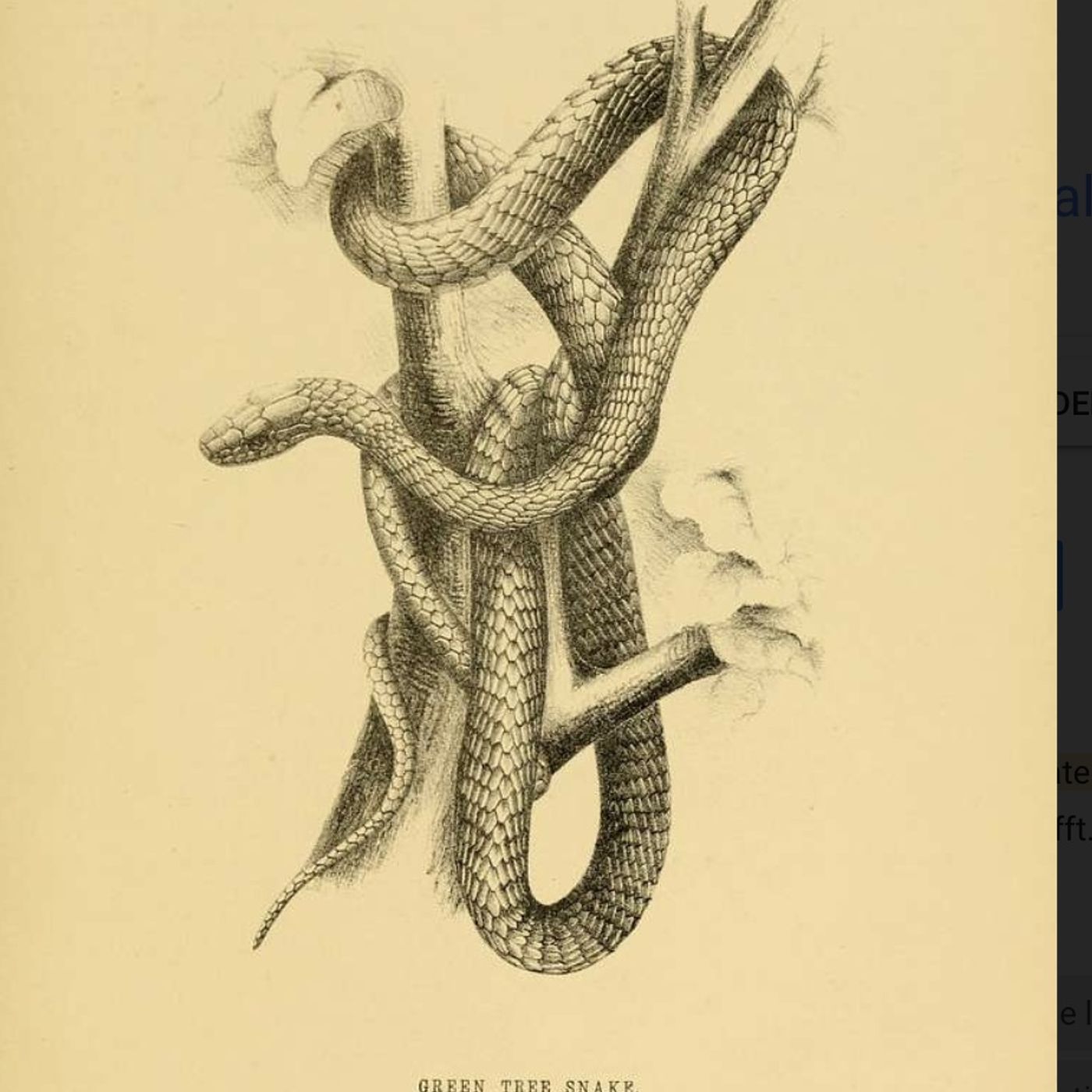
Floods Wash Snakes Downtown Jeremy Zakis explains the official warnings issued in Melbourne after floodwaters washed venomous snakes into the central business district. Snake catchers face surging demand and charge costly call-out fees, while unseasonable storms have disrupted local wildlife, leaving kangaroos hyperactive and erratic on the roads. (2)
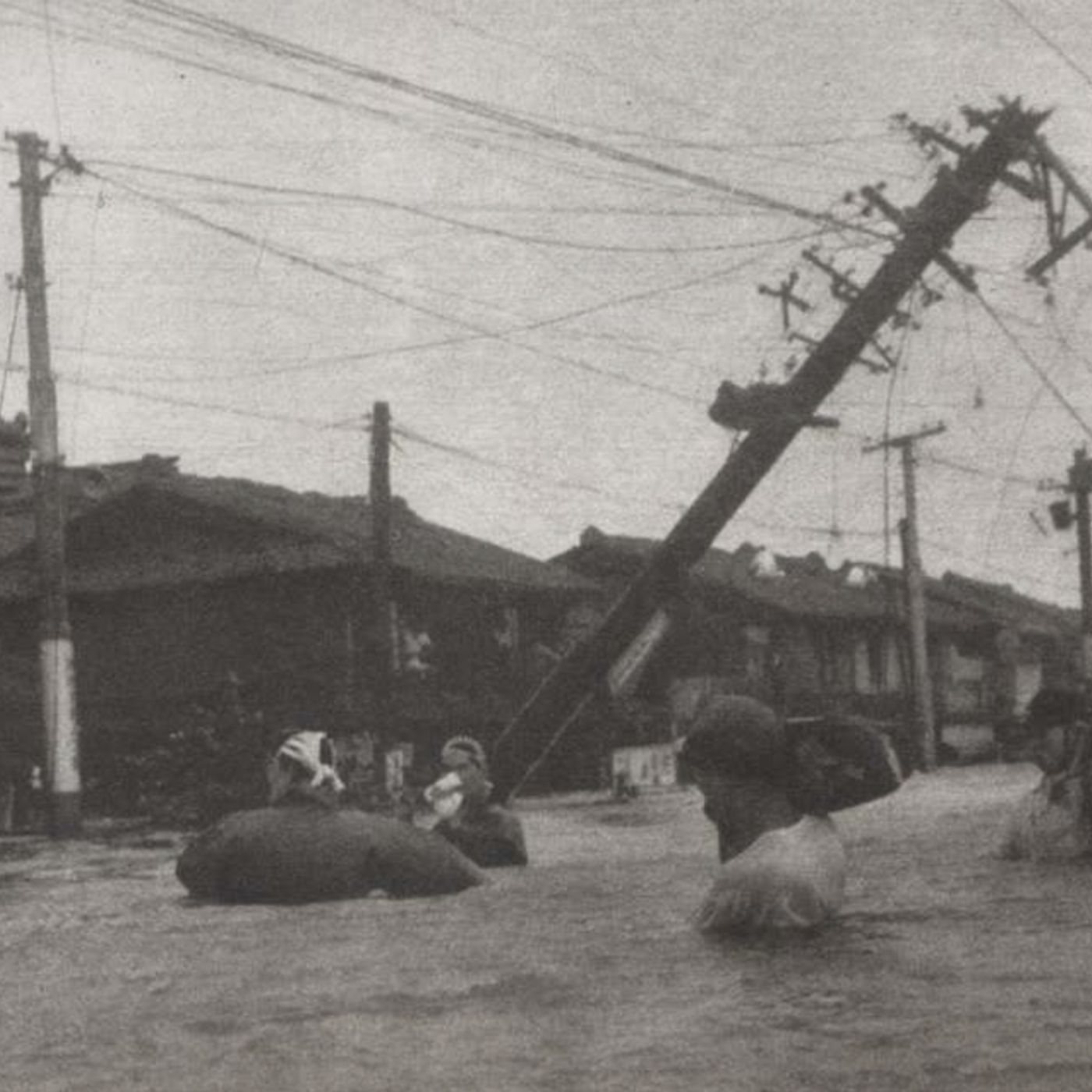
1950 Super El Niño Spring Storms Jeremy Zakis discusses extreme spring weather across Australia, driven by a super El Niño and elevated ocean temperatures. Heavy rain, microbursts, and severe winds in South Australia toppled massive power lines and spawned funnel clouds, while Sydney faces hot, chaotic, (1)
Lawmakers should review laws when their real effects differ from the original promises.
Share your view, then see how readers voted. No sign-in required. This poll is shared across stories.
Do you agree or disagree?
Common Quandary
A Common Quandary to discuss
Another conversation to explore, separate from this news story.
You are training the software that may replace your team. Do you warn them?
A manager is asked to help test software that could eliminate several jobs on their team. Leadership insists the project is uncertain and confidential, while employees are making major financial decisions.
When does loyalty to colleagues override professional confidentiality?