English-language podcasts

Pop: The History Makers with Steve Blame

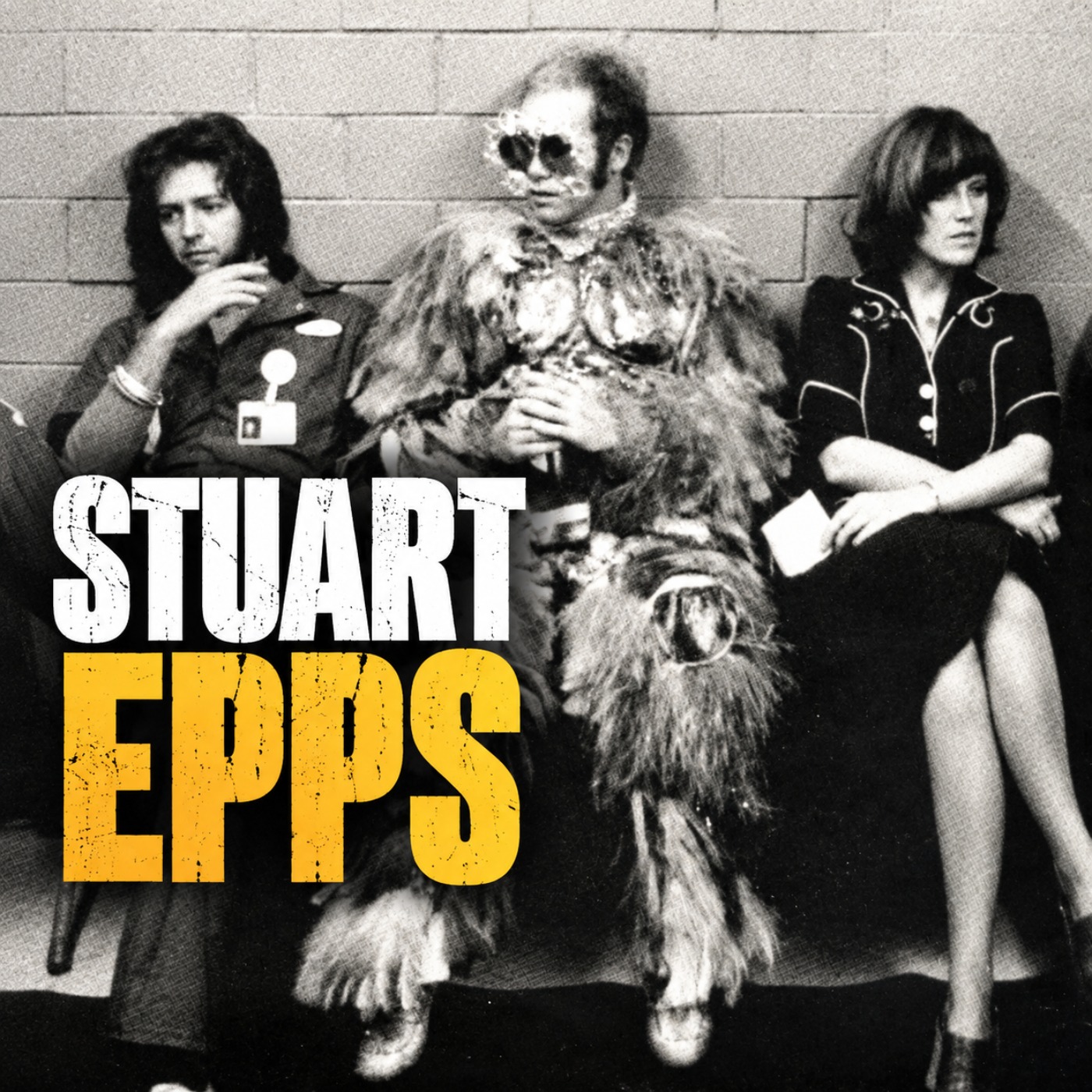
Stuart Epps

65 min

Listen through the publisher, then discuss the episode here or arrange an in-person Roundtable. Your city determines where to meet.

Roundtables are designed for groups of four, with a shared subject and room for everyone to speak. Come for discussion, with no dating expectation.

Producer and engineer Stuart Epps witnessed Elton John’s transformation from jobbing musician Reg Dwight into one of the biggest stars in the world. Stuart began working at Dick James Music as a teenager in 1967. It was there that he met Reg Dwight and Bernie Taupin, heard unreleased Beatles albums, cut demonstration records and absorbed everything he could about songwriting, recording and the rapidly changing music business. He recalls Elton’s early development as a songwriter, the making of Empty Sky and the arrival of producer Gus Dudgeon and arranger Paul Buckmaster for the landmark Elton John album. Stuart was present as Elton assembled his original three-piece band and developed the explosive stage presence that astonished audiences at the Troubadour in Los Angeles. He also explains Elton’s relentless drive, extraordinary speed as a songwriter and sometimes volcanic temper. As part of the Rocket Records story, Stuart worked with Kiki Dee and accompanied her on Elton’s 1974 American tour. He gives a remarkable first-hand account of John Lennon joining the tour, Lennon’s nervousness before appearing at Madison Square Garden and the overwhelming response when he stepped onto the stage. Stuart also remembers the recording of “Song for Guy”, when the tape ran out on Elton’s final chord, and reflects on the childhood forces that drove artists including Elton John and Chris Rea. The interview concludes with Stuart’s approach to developing new performers, what a producer should contribute and how artists can work with him through Epps Records. Hosted on Acast.

Episode information is provided by the publisher. Listening takes place on the publisher’s service.

Listen at the source ↗

Featured places to meet in Palo Alto, CA

Explore these places and arrange a conversation through ThinkMatch.

City guide for Palo Alto, CA

More from Pop: The History Makers with Steve Blame

Pop: The History Makers with Steve Blame

Torleif Svensson

42 min

Swedish photographer Torleif Svensson captured Queen and Freddie Mercury during the historic 1986 Magic Tour—the band’s final tour with Freddie. But Torleif’s extraordinary journey began two years earlier when a thief broke into his car and stole his camera equipment and approximately 50 exposed rolls of film. Among the lost photographs were the pictures he had taken at his first Queen concert. Determined to photograph Freddie Mercury again, Torleif travelled to Montreux, met Brian May and was invited to join Queen on a boat trip across Lake Geneva. Later, after Queen manager Jim Beach saw Torleif’s experimental concert photography, he invited him onto the Magic Tour. Torleif was given exceptional access. While other photographers were restricted to the opening three songs, he could move around the venues and continue photographing until the end of the concerts. That freedom allowed him to capture Freddie wearing his crown and royal mantle during God Save the Queen—including images fro

Discuss this episode

Pop: The History Makers with Steve Blame

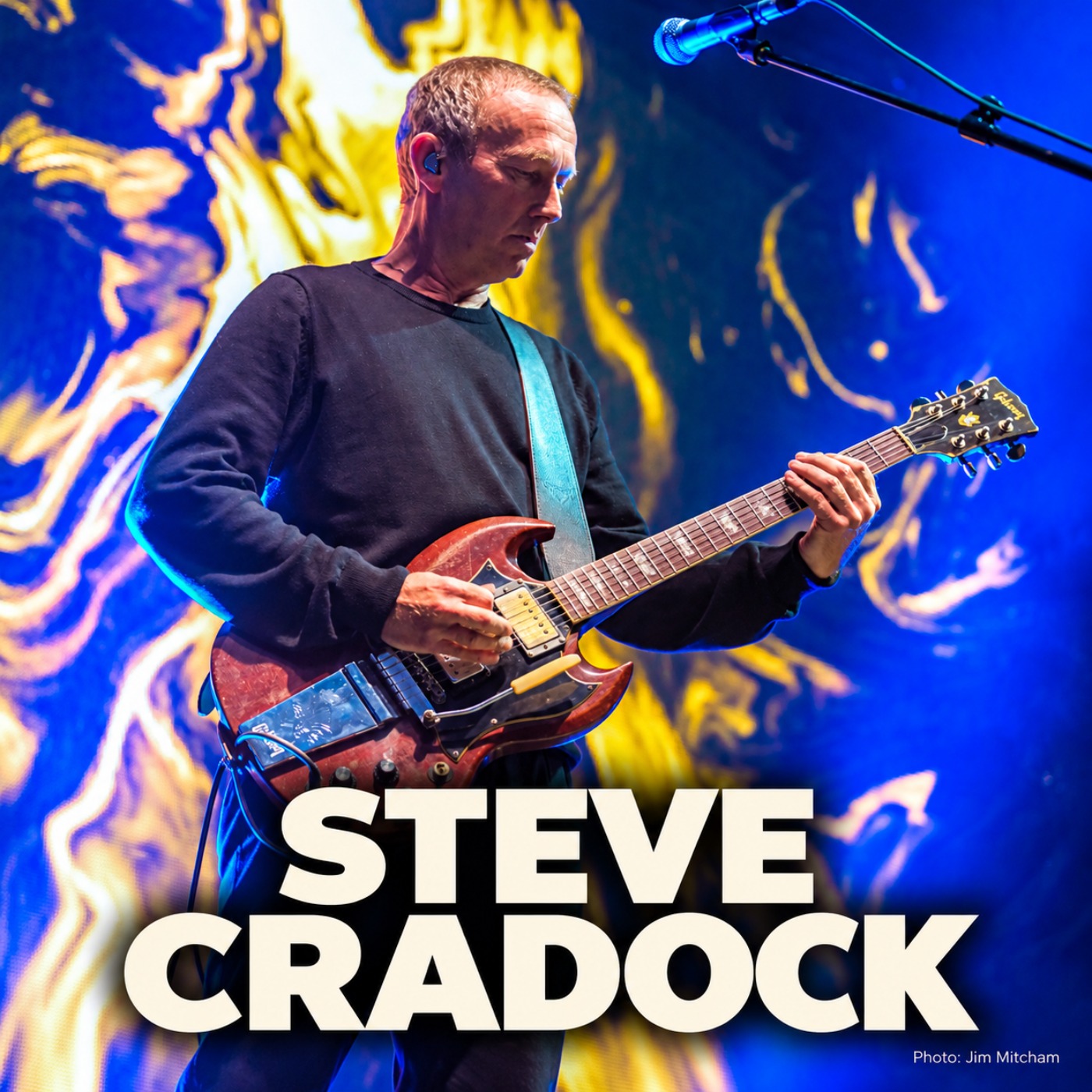
Steve Cradock

48 min

Steve Cradock joins Steve Blame to explore the music, people and family relationships behind his life with Ocean Colour Scene. From playing working men’s clubs while still at school to finding the band’s sound and recording Moseley Shoals, Steve looks back on the experiences behind the records. He shares the unexpected beginnings of “The Riverboat Song” riff, meeting his musical hero Paul Weller, and watching Oasis change the country. At the heart of our conversation is family: the support he received from his father, the music he grew up with, and what it means to offer that encouragement to his own son. We also discuss a question facing established bands: do audiences really want new music? Support the channel by becoming a member: Explore more interviews: https://www.popthehistorymakers.com (https://www.popthehistorymakers.com/) Photography: Jim Mitcham. #SteveCradock #OceanColourScene #PaulWeller Hosted on Acast.

Discuss this episode

Pop: The History Makers with Steve Blame

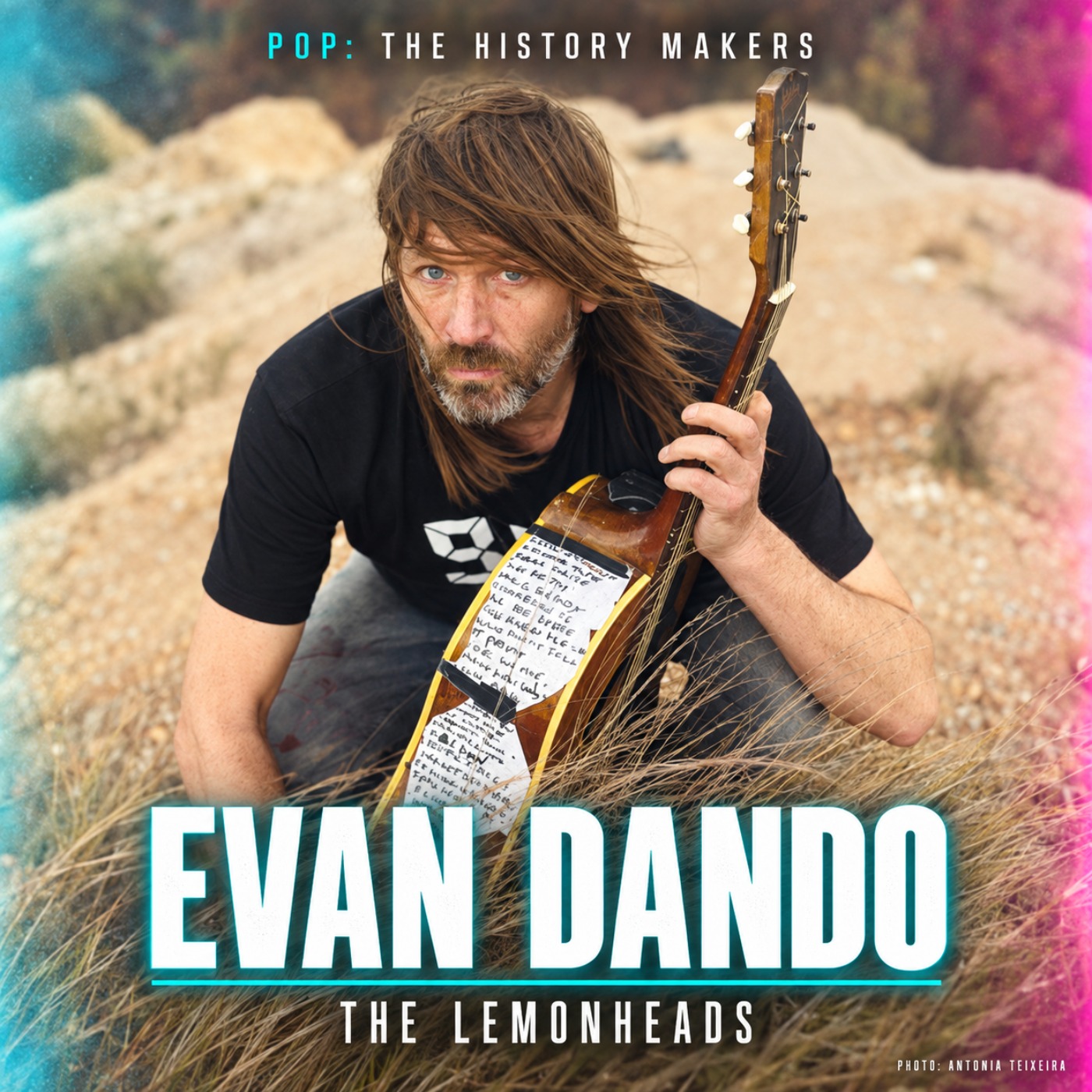
Evan Dando

45 min

Evan Dando: The Lemonheads, Addiction, Touring & Finding Salvation in Music An artist who never seemed entirely comfortable with being a rock star. When The Lemonheads emerged from the American alternative scene in the late 1980s, Evan Dando quickly became one of its most recognisable faces. Albums such as It's a Shame About Ray and Come On Feel the Lemonheads combined irresistible melodies with deeply personal songwriting, while songs including My Drug Buddy, It's About Time and Into Your Arms revealed an artist capable of turning vulnerability into something quietly universal. But fame never really suited Evan Dando. If you like this interview please support me; buymeacoffee.com/popthehistorymakers Link to video; Over the years, the music became only part of the story. There were struggles with addiction, long disappearances from the spotlight, endless touring, and a reputation for saying exactly what was on his mind—whether he was talking about music, Situationism, America, creativi

Discuss this episode

Community Poll

Synthetic images and videos should carry clear labels when presented as real events.

Share your view, then see how readers voted. No sign-in required. This poll is shared across stories.

Do you agree or disagree?

Choose one answer

Common Quandary

A Common Quandary to discuss

Another conversation to explore, separate from this news story.

Everyone loves the group photo except you. Can you forbid them from posting it?

At a reunion, someone takes a joyful group photo that captures the night perfectly. Everyone looks wonderful except you, caught at an awful angle. The group wants to post it publicly and promises nobody else will care.

How much control should one person have over a memory shared by many?

Explore this quandary