English-language podcasts

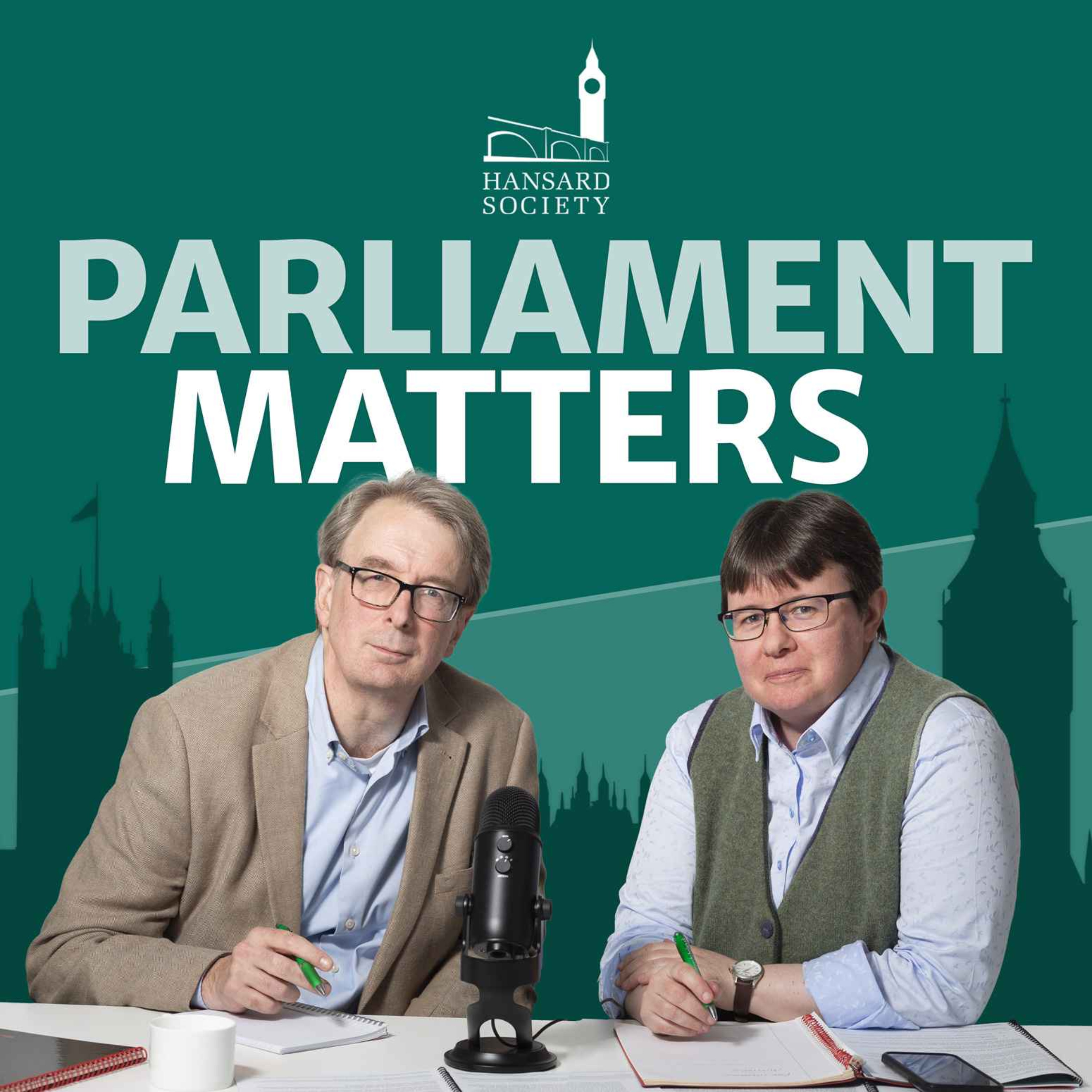
Parliament Matters

Taking on Big Tech: Beeban Kidron on the art of legislating
53 min

Listen through the publisher, then discuss the episode here or arrange an in-person Roundtable. Your city determines where to meet.

Roundtables are designed for groups of four, with a shared subject and room for everyone to speak. Come for discussion, with no dating expectation.

How do you turn a campaign into law when some of the world’s richest companies are determined to stop you? Filmmaker and crossbench peer Baroness Beeban Kidron joins us to discuss the art of legislating for the digital world. From protecting children online to defending creators’ copyright against AI companies, she explains how she built support, won amendments and persuaded reluctant ministers to act. But winning a vote is only part of the battle. Kidron contrasts her experience of the children’s privacy code with Ofcom’s implementation of the Online Safety Act, arguing that Parliament needs stronger powers to hold regulators to its intentions. She also describes Big Tech’s tactics for resisting regulation, the pressure to back down during parliamentary “ping-pong”, and why she rejects the claim that technology moves too fast for lawmakers. Her new book is Users: How Big Tech Took Control and How to Fight Back. ___ Chapters 00:00 Introduction 01:00 From filmmaking to campaigning 04:00 Turning children’s rights into legislation 09:00 Winning amendments and building support 13:00 Delegated legislation and regulatory accountability 18:00 Can Parliament keep up with technology? 22:00 Challenging “tech exceptionalism” 27:00 Reforming Parliament’s legislative machinery 32:00 Big Tech’s resistance playbook 40:00 AI, copyright and celebrity allies 43:00 Parliamentary ping-pong: when should peers give way? 47:00 Is the political tide turning against Big Tech? 51:00 Book details and closing remarks ____ Learn more using our resources (https://www.hansardsociety.org.uk/news/parliament-matters-podcast-e163) for the issues mentioned in this episode. Presenters: Mark D’Arcy and Ruth Fox Hosted on Acast.

Episode information is provided by the publisher. Listening takes place on the publisher’s service.

Listen at the source ↗

Featured places to meet in Palo Alto, CA

Explore these places and arrange a conversation through ThinkMatch.

City guide for Palo Alto, CA

More from Parliament Matters

Parliament Matters

Why can’t Parliament fix its own home? A conversation with Jesse Norman MP

50 min

Who’s in charge of fixing the Palace of Westminster? With projected costs potentially running into tens of billions of pounds and a parliamentary decision still awaited, Conservative Shadow Leader of the House of Commons Jesse Norman MP tells us why he thinks the Restoration and Renewal project needs an urgent rethink. He blames successive failures of political leadership for allowing the scope and costs to grow. He calls for a three-month review to pin down what work is essential, what it should cost and who should be accountable for delivering it. Ruth and Mark press him on what another review would achieve, the Conservatives’ share of responsibility for past delays and whether a project that could span several parliaments needs a government minister to drive it forward. They also discuss why comparisons with the renovation of the Cathedral of Notre Dame and Buckingham Palace only go so far. The conversation also turns to what happens inside the Commons chamber. Norman argues that sp

Discuss this episode

Parliament Matters

The EU reset: How much say will Parliament have?

49 min

As the Government prepares to strike new deals with the EU, will Parliament help shape the future relationship or simply rubber-stamp decisions already taken? We explore a new House of Lords report calling for stronger parliamentary oversight of the EU reset. Drawing extensively on Hansard Society evidence, the European Affairs Committee argues that MPs and peers need the information, resources and opportunities to hold ministers to account as the UK moves towards closer alignment with EU rules. What should Parliament know before approving a deal? Could the promised legislation give ministers sweeping powers over future agreements? And does Parliament need its own eyes and ears in Brussels? We explain why the arrangements established now could determine Parliament’s influence for years to come and why ministers must be candid about costs as well as benefits. Then, MPs prepare to examine new planning rules for data centres. How should national ambitions for AI be balanced against local

Discuss this episode

Parliament Matters

Inside the new Congress

50 min

Winning the election is one thing. Making Congress work is another. How will the Democrats now turn electoral success into effective congressional power to constrain Donald Trump and advance their own policy agenda? Daniel Schuman of the American Governance Institute joins us to explain how the new Congress will organise itself between election day and January, when the new House of Representatives and Senate are sworn in. The outgoing “lame duck” Congress faces the prospect of last-minute confirmation battles and an urgent funding deadline if a government shutdown before Christmas is to be avoided. Next year will bring fresh battles over the budget and spending. Meanwhile, incoming representatives must recruit staff, establish offices and learn the ropes of an unfamiliar institution. For Democrats, there are decisions to be made about leadership positions, who gets coveted committee places, and agree the rules that will govern the House. Their choices will shape whose priorities advan

Discuss this episode

Community Poll

Major sporting events should offer ways for people with limited budgets to take part.

Share your view, then see how readers voted. No sign-in required. This poll is shared across stories.

Do you agree or disagree?

Choose one answer

Common Quandary

A Common Quandary to discuss

Another conversation to explore, separate from this news story.

One slice of pizza remains and everyone is pretending not to want it. Can you take it?

Six friends have been circling the last slice of pizza for twenty minutes. Nobody claims it when you ask, yet two people keep glancing at the box. You are still hungry and paid the same share as everyone else.

Does politeness require leaving something that nobody will openly claim?

Explore this quandary