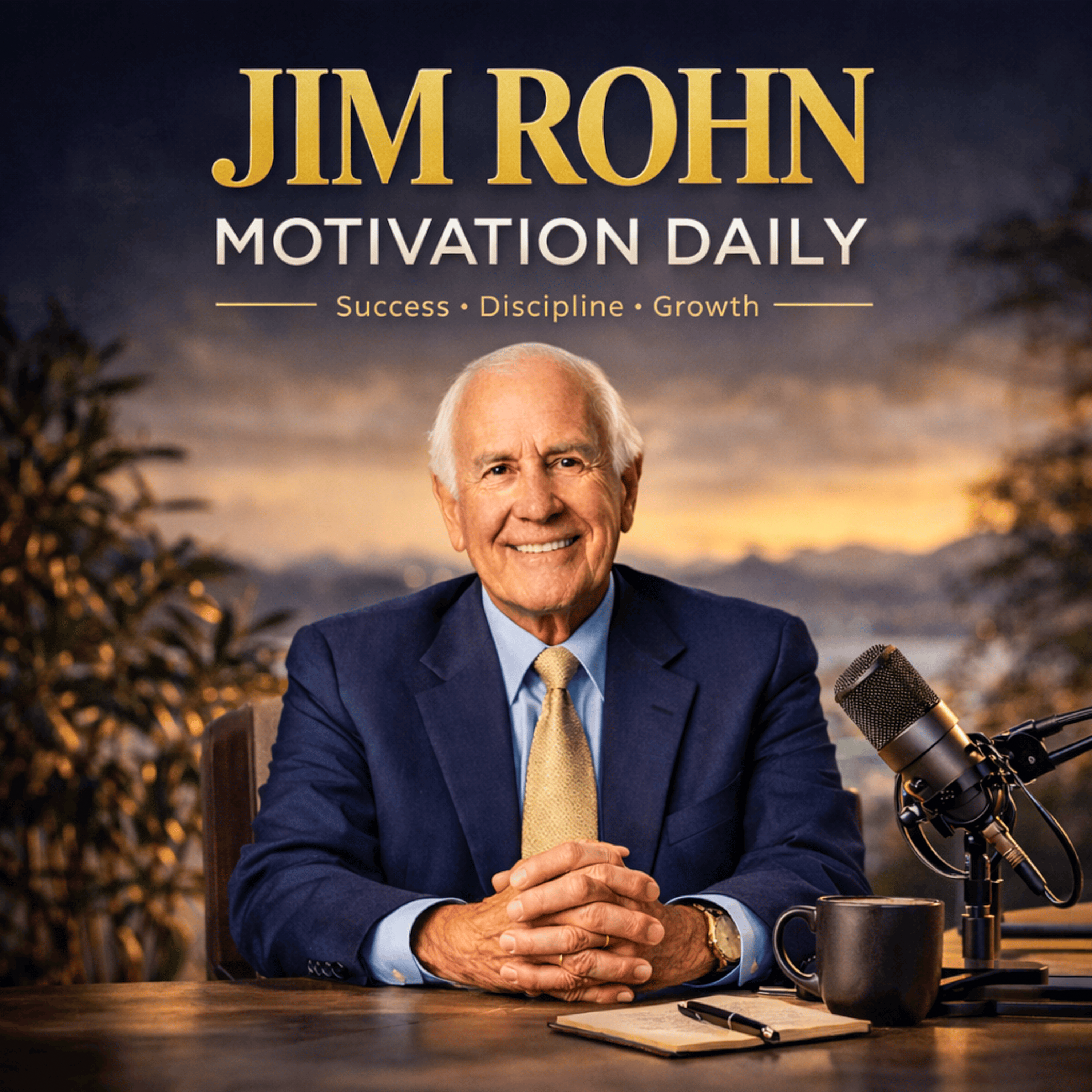
Listen through the publisher, then discuss the episode here or arrange an in-person Roundtable. Your city determines where to meet.
Roundtables are designed for groups of four, with a shared subject and room for everyone to speak. Come for discussion, with no dating expectation.
You can be genuinely grateful for somebody and still make them feel completely unappreciated. Because not everybody experiences appreciation the same way. For some people, they need to hear you say thank you. They need to hear that you’re proud of them. For others, words aren’t enough. They need you to put your phone down and spend time with them. Somebody else doesn’t need another compliment about Thanksgiving dinner. They need you to get up and help wash the dishes. Some people appreciate thoughtful gifts. Others appreciate a hug. Here’s what I want you to understand. Your intentions don’t automatically translate into somebody else’s experience. You might be expressing appreciation in the language that’s easiest for you instead of the language that’s meaningful to them. So this Thanksgiving, don’t just ask yourself who you’re grateful for. Ask yourself how they would know. Because the goal isn’t just to feel grateful for people. It’s to make sure they feel appreciated by you. Check out ryanleak.com/holiday for other resources on navigating the holiday season.
Episode information is provided by the publisher. Listening takes place on the publisher’s service.
Here's what nobody tells you about your career. Uploaded 03-06-26 The thing that decides whether you spend the next 30 years climbing or coasting isn't your talent. It isn't your work ethic exactly. It isn't even your network. It is whether you have made yourself genuinely hard to replace. The world is full of people who are technically competent. They show up. They do the work. They aren't bad at what they do. But if they left tomorrow, the company would replace them in two weeks. The clients would survive. The team would adjust within a month. It would be as if they had never been there. Meanwhile there are people in the same company, doing roughly the same job, who could leave tomorrow and the entire system would shake. The boss would lose sleep. The clients would call. The replacement wouldn't be as good. The difference isn't luck. It's deliberate choices made over years. This seminar lays out 10 specific things you can start doing today to take yourself off the replaceable list —
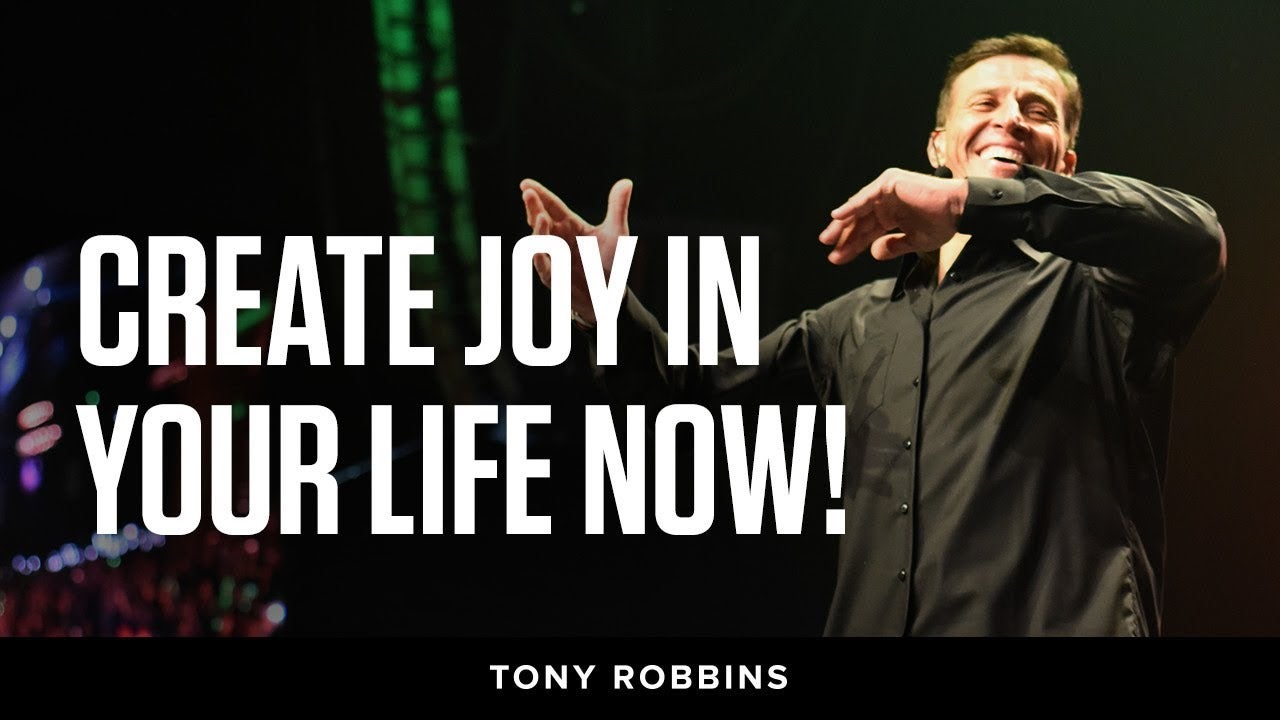
When you’re looking through the lens of depression, how do you see the world? How do you react to those around you? And how do you handle obstacles that come your way? Uploaded 11-09-19 What about when you’re in a state of peace? How do you act? How do you react? Do you sweat the small stuff, or do you just shake it off? Does adversity rattle you, or are you able to approach challenges with confidence and ease? The fact is that you will have a very different experience in life when you are in a peaceful state, rather than a state of suffering. Your thoughts, actions and reactions – these stem directly from where you find yourself mentally and emotionally. This is why Tony says that the most important decision you will ever make is to live in a beautiful state – even when life doesn’t go your way. Because ultimately, our lives aren’t shaped by our conditions. Our lives are shaped by our decisions. And you must decide where to direct your focus. An undirected mind operates naturally in s
A more exciting opportunity appears after you have already given your word. The new possibility deserves attention. So does the person who planned around your existing promise. In this episode of The Level Up Podcast, Paul Alex breaks down how to consider a better opportunity while handling prior commitments responsibly. An older obligation can begin to feel inconvenient once a rewarding option arrives. Bring its effect on others back into view: what you agreed, what they rely on, and what a change would require from them. Have the conversation before accepting a conflicting promise. A responsible decision might involve finishing the work, agreeing on a handoff, changing the timeline, or passing on the new option. Clear agreement gives the transition a firmer basis than assuming someone will understand after you have moved on. In this episode, you’ll learn: • Why existing expectations belong in the evaluation of a new opportunity. • What to clarify about the impact of changing an earli
What’s it like to watch AI solve a problem you’ve spent years on? Researcher Ittai Abraham spent about two years working on a set of math problems. Years later, he gave one of them to an AI model. In about an hour, it made progress where he’d gotten stuck. Stanford cryptographer Dan Boneh takes that experience a step further. Suppose an AI settles P vs. NP, one of the biggest open questions in computer science. A computer can check every step, but the proof runs to a billion pages. What would we actually understand? This episode brings together researchers — Abraham, Boneh, Scott Duke Kominers, and Justin Thaler — to talk about where math goes from here, now that AI is so good at solving hard problems. Also: why a model can produce a correct proof and still skip key steps, how you develop a feel for which problems are worth pursuing, and what they’d tell a student deciding whether to spend the next five years on a math PhD. This episode is for anyone wondering what happens to human kno
In this week's episode of The Wrap with Chris Whalen, Chris answers viewer questions. He explains why the Fed still has to act even if today's inflation is a supply shock from the Iran war, why the Fed is reinvesting rather than growing its balance sheet, and why he expects the 10-year to rise toward 5–5.5% in 2027 as mortgage spreads widen. On gold, he says a revaluation "doesn't do anything" because it's only an accounting change. He'd rather repeal the 1930s gold laws and have the Treasury issue gold coins by weight. He also explains Hayek's view that no democracy can have sound money, how he keeps no single asset class above 20% of his portfolio, and whether a recession could cut silver supply. On real estate, he covers the comeback in trophy office space in New York, why manufactured housing is the future of single-family homes, and a REITs 101. Viewers sent in a flood of Annaly questions, so he walks through how Annaly differs from AGNC, how to think about its leverage and what w
Discover vital resources for those in need! We explore nonprofits, religious groups, and corporate charities offering assistance. Learn about crowdfunding, labor unions, and homeless organizations. Plus, practical tips on budgeting, transportation, and reducing costs. Reach out and find the support you deserve! #AssistanceNeeded #Nonprofits #Charity #Assistance #CommunitySupport #FinancialHelp #BudgetingTips #TransportationAssistance #Homelessness #Crowdfunding #DebtFree
Some of you are better at counting your problems than counting your blessings. You can tell me exactly who’s disappointed you, what’s stressing you out, what’s missing from your life, and what hasn’t gone according to plan. But when’s the last time you actually counted what’s going right? Not just said you were grateful. Actually counted. The people who love you. The opportunities you’ve been given. The doors somebody opened for you. The moments you survived that you weren’t sure you would. Here’s what I’ve learned. You can be surrounded by blessings and still feel miserable if all you’re looking for is a problem. Gratitude isn’t pretending everything is perfect. It’s refusing to let what’s wrong become the only thing you notice. So before you spend another day counting everything you wish you had, take a moment to count what you’d miss if it were gone. Because you can’t be grateful for what you haven’t noticed. You can get the holiday gratitude journal we created just for you at ryanl
Every family has that one person who knows exactly how to turn a peaceful holiday dinner into a heated debate. But what if you didn’t have to let the loudest person determine the atmosphere? In week two of our eight-week holiday series, Ryan Leak shares how to steer conversations without controlling people, redirect uncomfortable discussions without creating more conflict, and use three kinds of questions to make your holiday gatherings more meaningful. You’ll learn how to ask questions that make people laugh, remember, and hope, along with practical ways to navigate difficult topics before they take over the table. This week’s challenge: Prepare three great questions before your next family gathering. One that makes people laugh, one that makes people remember, and one that makes people hope. Download the free holiday conversation guide with thirty questions at ryanleak.com/holiday.
Museums should actively seek histories missing from their existing collections.
Share your view, then see how readers voted. No sign-in required. This poll is shared across stories.
Do you agree or disagree?
Common Quandary
A Common Quandary to discuss
Another conversation to explore, separate from this news story.
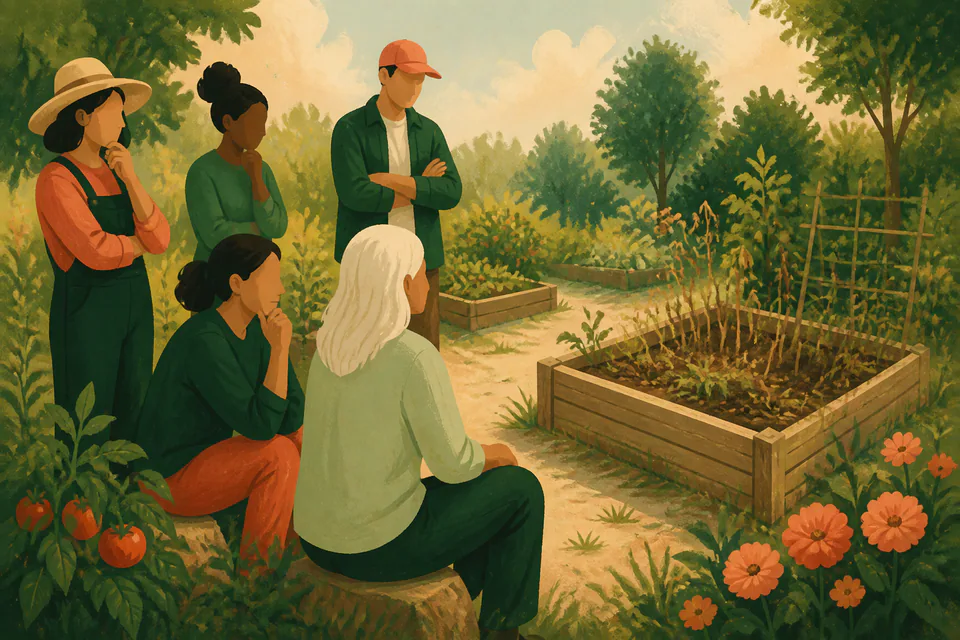
The best garden plot has been abandoned for months. Who gets to take it?
Garden plots have a three-year waiting list. One member's plot has gone untended for months and messages go unanswered, but other gardeners know they recently faced serious health problems.
How long should a shared resource remain reserved out of compassion?