English-language podcasts

Cyber Focus: Cybersecurity, National Security, and Critical Infrastructure

The $6.3B Binance Heist and North Korea's Crypto Playbook | Maya Song

26 min

Listen through the publisher, then discuss the episode here or arrange an in-person Roundtable. Your city determines where to meet.

Roundtables are designed for groups of four, with a shared subject and room for everyone to speak. Come for discussion, with no dating expectation.

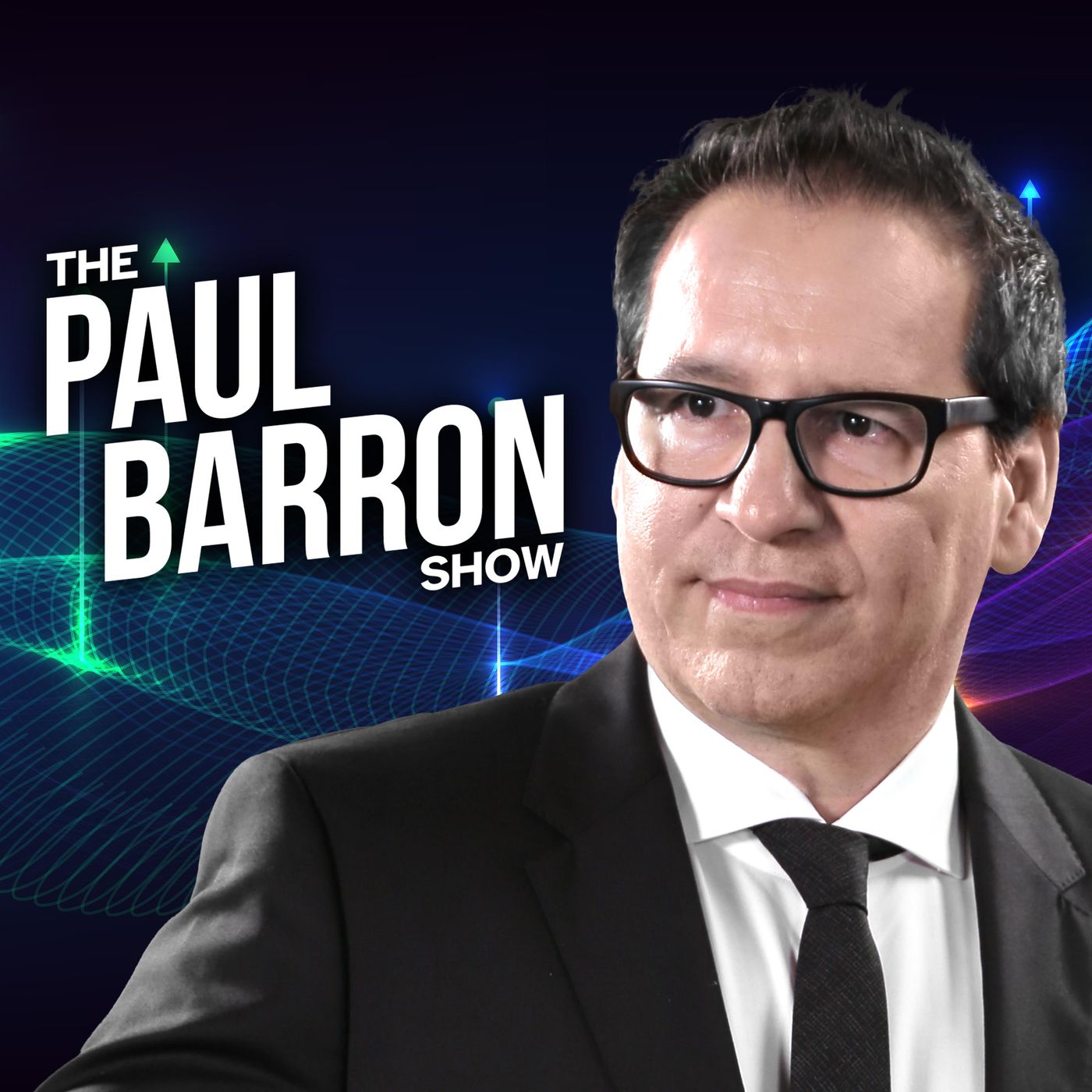
A fake job interview helped open the door to a reported $6.3 billion theft from Binance. The FBI attributed the heist to North Korea, which has used cryptocurrency theft to raise revenue and evade sanctions. This week, former federal prosecutor Maya Song joins Frank Cilluffo to explain why tracing stolen cryptocurrency is easier than getting it back, what prosecutors need to turn an attribution into a criminal case, and how companies and law enforcement can work together to limit the damage after a breach. Main Topics The fake recruiting scheme the led to $6.3B loss The theft and fraudulent IT work funding North Korea Tracing, freezing, and recovering stolen cryptocurrency Public attribution and the evidence needed for an indictment When companies should contact law enforcement How indictments and asset seizures can disrupt future operations Key Quotes "Law enforcement generally, when it comes to the cybercrime threat, they have at the federal level taken an attitude of deter, disrupt, dismantle, because they know that prosecutions are slow." — Maya Song "In any significant cybercrime the FBI is relying on victims in the private sector and those who might have any information or evidence that would help an investigation. They're relying on them to come forward." — Maya Song "Being able to bring the North Korean cyber threat into the criminal space allows the U.S. government to publicize it, talk about it, and educate companies in the United States about it." — Maya Song Related Links FBI alert attributing the Binance theft to North Korea (https://www.fbi.gov/investigate/cyber/alerts/2026/north-korea-responsible-for-6-billion-binance-attack) Reuters reporting on Binance's account of the fake job interview (https://www.investing.com/news/economy-news/binance-says-hackers-used-fake-job-interview-to-compromise-computer-before-63-billion-attack-4995603) Justice Department's Nov. 23 announcement of a civil forfeiture action for more than $1.1 billion in stolen cryptocurrency (https://www.justice.gov/opa/pr/united-states-files-action-recover-more-1-billion-cryptocurrency-assets-stolen-north-korean) Maya Song's bio at Ropes & Gray (https://www.ropesgray.com/en/people/s/maya-song) About the Guest Maya Song is a partner in Ropes & Gray's data, privacy and cybersecurity practice. She previously served as first assistant U.S. attorney for the Eastern District of Virginia and as senior counsel to the deputy attorney general.

Episode information is provided by the publisher. Listening takes place on the publisher’s service.

Listen at the source ↗

Featured places to meet in Palo Alto, CA

Explore these places and arrange a conversation through ThinkMatch.

City guide for Palo Alto, CA

More from Cyber Focus: Cybersecurity, National Security, and Critical Infrastructure

Cyber Focus: Cybersecurity, National Security, and Critical Infrastructure

Can AI/SI Shut Down the Power Grid? Inside Lawrence Livermore's Tests with Nate Gleason

30 min

AI's ability to attack critical infrastructure is advancing, while defenders face constraints that software patches alone cannot solve. In Lawrence Livermore National Laboratory's tests, AI models given expert instructions successfully shut off power in a laboratory representation of an electric substation more than 90% of the time. Some models also succeeded with minimal guidance, raising concerns about how AI could expand access to disruptive cyber capabilities. Nate Gleason, who leads Lawrence Livermore's Cyber and Infrastructure Resilience Program, joins Frank Cilluffo at Auburn University's McCrary EDGE Lab to discuss the findings and what they mean for infrastructure security. They examine how adversaries could exploit the civilian systems supporting military operations, why AI guardrails have limits, and how to build infrastructure that keeps operating when attackers get inside. Main Topics Critical infrastructure dependencies and military readiness AI/SI threats and the limits

Discuss this episode

Cyber Focus: Cybersecurity, National Security, and Critical Infrastructure

When AI Has the Keys: Autonomous Risk and Digital Identity with Dashlane CEO John Bennett

40 min

AI agents can read emails, access customer records, and issue refunds—but every permission creates another opportunity for misuse. As businesses give autonomous software more authority, how can they keep control of the accounts, data, and decisions those systems touch? Dashlane CEO John Bennett joins Frank Cilluffo to discuss securing digital identity when software acts on our behalf. Bennett explains why agents should be able to use credentials without possessing them, how to limit their access, and why CEOs must take responsibility for AI adoption and the risks that come with it. Main topics AI's impact on phishing and credential theft Autonomous workflows and the risk of prompt injection Agent authentication without exposing credentials Limits on access, permissions, and autonomy Passkeys and planning for compromise CEO accountability and the CISO's role Consumer risks from personal AI assistants Key quotes "Once you've handed [the credential] over … it can be replayed, it can be co

Discuss this episode

Cyber Focus: Cybersecurity, National Security, and Critical Infrastructure

Cyber Focus Unplugged: AI Threats, China, and the Next Congress

50 min

Winning the AI race takes more than building the best model. It demands hardened infrastructure, reliable energy, and the public's confidence. As AI accelerates cyberattacks and China establishes footholds inside American pipelines, ports, and power grids, will policymakers and industry leaders act before a crisis forces their hand? In this inaugural Cyber Focus: Unplugged roundtable, Frank Cilluffo convenes McCrary Institute senior fellows Bill Evanina, Alison King, Cynthia Kaiser, and Rob Joyce. Drawing inspiration from The McLaughlin Group, the panel debates AI's advantage for attackers, Congress's cyber priorities, how to impose costs on China, and whether CISA has the resources to deliver on its new strategy. The discussion closes with blunt predictions on Taiwan, Russian aggression in Europe, and the future of U.S. cyber policy. Main topics Is AI giving attackers the upper hand? What does winning the AI race require? Can the U.S. build public support for AI? What should Congress

Discuss this episode

Community Poll

Security claims about important digital products should face independent testing.

Share your view, then see how readers voted. No sign-in required. This poll is shared across stories.

Do you agree or disagree?

Choose one answer

Common Quandary

A Common Quandary to discuss

Another conversation to explore, separate from this news story.

The proposal is perfect and the ring is terrible. When do you say so?

Your partner proposes with a costly ring chosen after months of secret planning. You love the proposal and want the marriage, but strongly dislike the ring you would be expected to wear every day. Returns are possible for one week.

How much honesty can a loving gesture reasonably be asked to survive?

Explore this quandary