The 7 Laws of Discipline Ritual (For People Who Can't Stick to Anything)
52 min
Listen through the publisher, then discuss the episode here or arrange an in-person Roundtable. Your city determines where to meet.
Roundtables are designed for groups of four, with a shared subject and room for everyone to speak. Come for discussion, with no dating expectation.
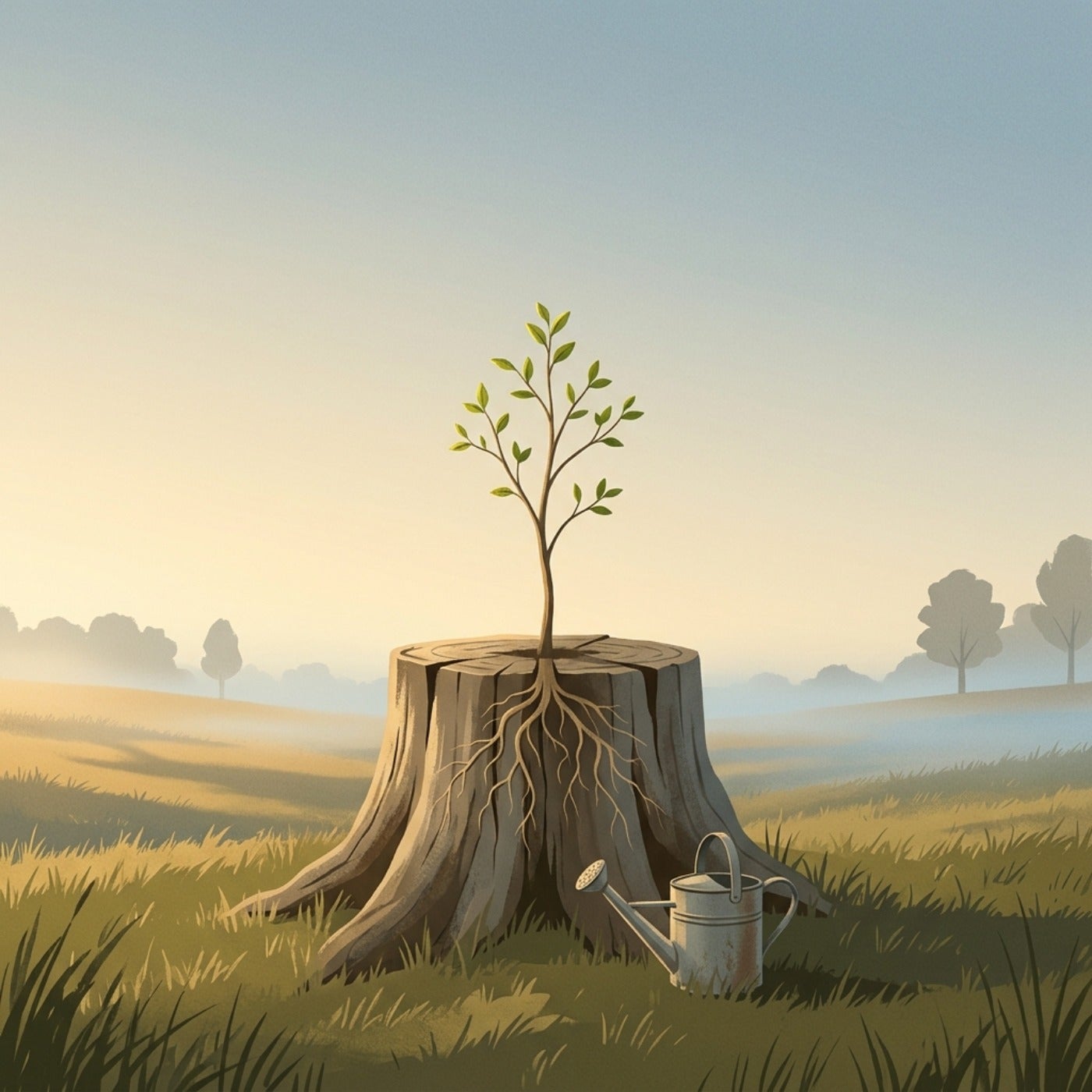
How many times have you decided that this time will be different? New week, new routine, new promises to yourself. And then life happens, motivation disappears, and somehow you're back at the beginning again. I think we've got discipline all wrong. We've made it into this rather miserable exercise in self-punishment. Something reserved for people with extraordinary willpower, perfect morning routines and an apparently endless appetite for doing things they don't want to do. But the natural world tells a very different story. Birds migrate. Animals carve paths through forests. Trees know when to surrender their leaves and when to begin again. None of them are waiting for a Monday morning or a sudden burst of motivation. This week on 9 Lives, we're looking at discipline through a slightly stranger lens. Seven laws, a little neuroscience, some wisdom from the animal kingdom, and the forgotten power of ritual. We'll explore why habits become automatic, how our surroundings shape our behaviour, and why learning to return to something might be far more useful than learning to force ourselves through it. And because I don't want you leaving with another collection of lovely ideas you'll never actually use, we're going to build one small ritual together. Something you can take into your own life, even on the days when everything feels rather impossible. We finish with a little Christina Rossetti, because sometimes a Victorian poet can explain the human condition better than another motivational speech ever could. Perhaps discipline isn't about becoming harder on yourself. Perhaps it's about finding your way back, again and again, until the path becomes familiar. Until next week, Cass
Episode information is provided by the publisher. Listening takes place on the publisher’s service.
you will be successful if you have these 5 d’s: dream, direction, desire, discipline, determination #Motivation, #MotivationalSpeech, #SuccessMindset, #PersonalDevelopment, Uploaded 17-10-26 Success is not an accident. It begins with a dream, grows through direction, burns with desire, develops through discipline, and becomes unstoppable through determination. In this powerful motivational speech, discover the 5 D’s that can transform your mindset, strengthen your character, and help you build the future you truly deserve. If you want to achieve your goals, overcome self-doubt, break free from procrastination, and become the person you know you can be, this motivational speech will challenge you to take responsibility for your life and start moving toward your dreams. The 5 D’s of Success: Dream: Create a clear vision of the life you want to build. Direction: Know where you are going and take purposeful action. Desire: Develop a powerful reason to keep moving forward. Discipline: Do wh
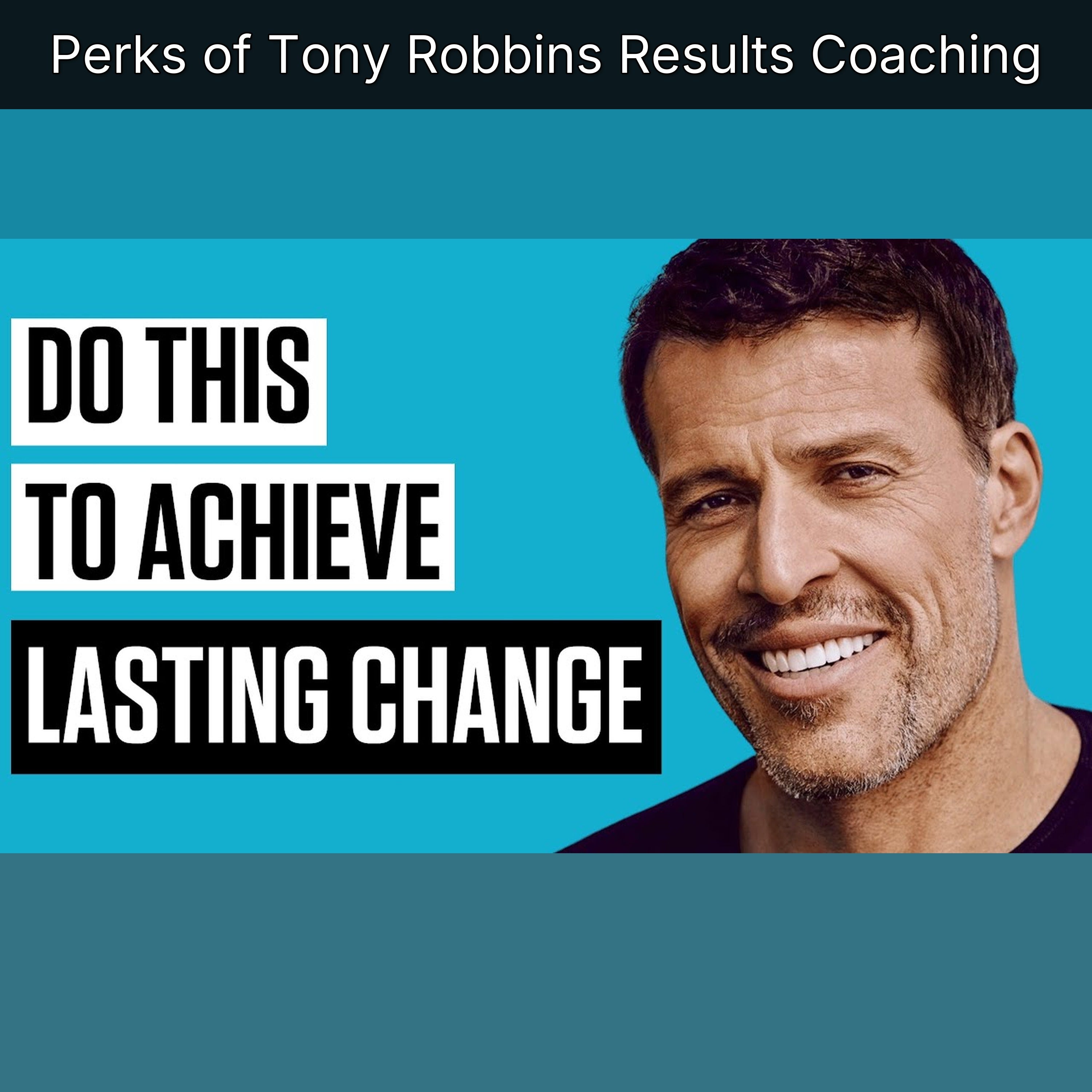
If you really want lasting change, real results that stick around, what do you have to do? Tony Robbins is asked this all the time. His answer is always the same: For your life to change, you have to change. For things to get better, you have to get better. You need to create new patterns that facilitate progress and eliminate the patterns that don’t. Your life isn’t determined by what you do some of the time. It’s determined by what you do consistently. If you’re serious about getting results, you need a system. Tony Robbins Immersion Coaching can provide that system. For three decades, Tony has built his brand based on one thing: Robbins = Results. His system of Immersion Coaching is unlike anything else in the world. He is the Father of the Coaching Industry and his coaches' standards and training for success coaching are the best in the industry. We provide general Immersion Coaching as well as Specialized Curriculum Coaching Courses on the areas of life that matter most. As Tony s
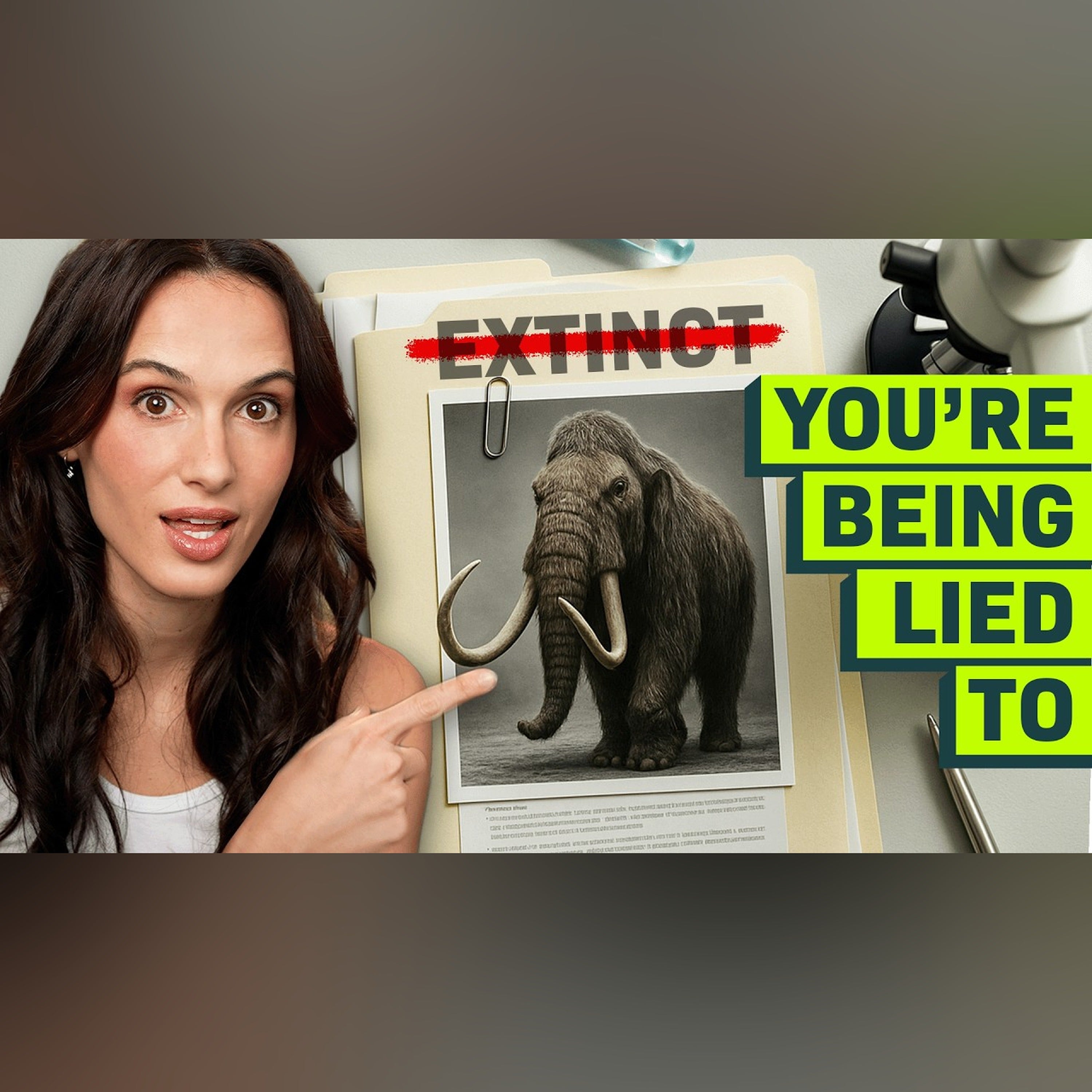
The real story about “de-extinction”... The Tasmanian tiger was declared extinct in 1982. But now… scientists are trying to bring it BACK. And it’s not alone! You might’ve seen news about dire wolves, woolly mammoths, passenger pigeons… dodo birds… dinosaurs?? “De-extinction” has become a huge and urgent scientific debate. But when I took a deep dive into what’s really going on here, I realized we're getting this conversation very, very wrong. We're on the cusp of a huge genetic breakthrough… and yet the most "huge if true" thing happening here isn’t bringing back extinct animals. It's what this means for all the animals alive today! And very few people seem to know about it… Chapters: 00:19 Can we bring back extinct animals? 01:22 Can we bring back a mammoth? 02:24 Is Jurassic Park possible? 05:44 Are Dire Wolves brought back from the dead? 6:26 What is de-extinction? 09:04 How do we save cute little animals? 11:08 Is the Tasmanian tiger coming back? 12:50 When is it ok to bring back
Get the 200+ Page Optimal Living Daily Workbook (PDF) - Free. Want to turn today's episode into an actionable plan? Episode 4234: In two short essays, Cylon George explains why we so often act against our own values: powerful unmet needs, not bad character, are usually what drive us. He then offers encouragement for anyone starting over after a setback, reminding listeners that beginning again never means starting from scratch and that treating yourself with kindness is part of the work of personal development. Read along with the original article(s) here: https://www.spirituallivingforbusypeople.com/why-you-do-what-you-do and https://www.spirituallivingforbusypeople.com/on-beginning-again Quotes to ponder: "We don't stray from our values because we're bad people." "To begin to understand why we do what we do, we must become intimately familiar with our needs." "It's hard work to begin again, and you don't need to be hard on yourself." We spend so much of our lives caught up in our tho
To check the transcript: https://www.buzzsprout.com/2379282 Somewhere along the way Have you ever had a friend who used to be such a big part of your life that you couldn't imagine a day without talking to them? You shared ordinary moments, private jokes, and conversations that lasted until midnight. You were the first people each other turned to, whether something wonderful happened or the world felt a little too heavy. But years passed, and life took you in different directions. Then one day, you meet again. You're happy to see each other, and there's still affection between you, but something feels different. You remember each other beautifully, yet you realize you no longer know the people you've become. “We still know so much about who we used to be, but somewhere along the way, we stopped getting to know who we were becoming.” Hello everyone, and welcome to Daily English. Today's expression is “somewhere along the way.” We use this expression when something happens or changes dur
Happy Sunday! Welcome to Heal Squad’s The Sunday Set Up. Life lessons to help you start the week. How much of success comes down to simply showing up? This week, we talk keeping an open mind, taking chances, and recognizing the doors that open along the way. From Olympic athletes appearing on national television alongside Mercedes Moné to performers who keep showing up week after week hoping for their big break, we explore why success isn't always about talent or luck. Sometimes it's about making connections, putting in the effort, and being willing to try without knowing what we'll get in return. We talk knowing when to stop investing time in people who aren't willing to help themselves, and why even experiences that don't work out can teach us something valuable. The takeaway: don't wait for the perfect moment or expect someone else to make things happen. Be willing to take a chance, walk through the doors that open, and remember that half of life is just showing up. Plus, a little b
There is a particular kind of grief in watching your own life remain hypothetical. You can see it so clearly sometimes. The thing you would make. The place you would go. The version of yourself you keep speaking about as if she lives just slightly ahead of you, somewhere you will eventually arrive. And then somehow you don’t. Months pass. Years pass. The idea stays pristine. That is what this episode is really about. Not laziness. Not motivation in the usual sense. More the strange ways we protect ourselves from finding out what would happen if we actually tried. Because as long as something stays imaginary, it cannot fail. The book in your head is still brilliant. The business could still work. You could still be extraordinary at the thing you have never fully attempted. The horse is still behind the gate, untouched by the possibility of refusing the jump. So I wanted to look at what lives underneath that delay. Perfectionism. Procrastination. Tying your worth to achievement. Leaving
Basic classroom needs should take priority over optional school programs when budgets are cut.
Share your view, then see how readers voted. No sign-in required. This poll is shared across stories.
Do you agree or disagree?
Common Quandary
A Common Quandary to discuss
Another conversation to explore, separate from this news story.
A stranger is behaving horribly in public. Do you record them?
You witness a stranger berating a service worker in public. Recording could create accountability and protect the worker, but posting the video could expose everyone involved to a permanent online audience.
Who gets to decide when public behavior becomes public content?