The Art of Getting Emotionally Naked: The 7 Levels of Emotional Intimacy & How They Create Closeness
35 min
Listen through the publisher, then discuss the episode here or arrange an in-person Roundtable. Your city determines where to meet.
Roundtables are designed for groups of four, with a shared subject and room for everyone to speak. Come for discussion, with no dating expectation.
The real secret to intimacy? Letting someone see the parts you usually hide. We all deeply want to feel known, understood, and loved for who we really are... but are we actually letting people fully know us? You can spend years in a relationship or friendship without ever feeling truly seen. So what does it take to build deeper relationships and experience real emotional intimacy? This week, I’m breaking down Matthew Kelly’s Seven Levels of Intimacy — a framework for understanding how relationships move from surface-level small talk to genuine vulnerability, emotional connection, and feeling deeply known. We explore why we hide parts of ourselves, how fear of rejection and people-pleasing can prevent us from creating meaningful connections, and why learning to communicate our needs might be the most important (and surprisingly difficult) part of intimacy. The question I can't stop thinking about: Are the people closest to you getting to know the real you, or just the version of yourself you think they’ll accept? Whether you’re dating, in a long-term relationship, or hoping to build deeper friendships, these seven levels will help you understand what creates closeness — and how to bring more honesty, vulnerability, and connection to the relationships that matter most. Tune in to hear about: Matthew Kelly’s Seven Levels of Intimacy and what each level reveals Why you can have a busy social life but still feel lonely and disconnected How to move beyond small talk and build deeper, more meaningful connections Why conflict avoidance and fear of rejection keep us from closer connection How to share your real opinions, values, and dreams The difference between knowing what someone thinks and understanding how they feel How to become a better listener and stead of trying to "fix" everything Why sharing your fears, faults, and failures is essential to emotional intimacy The surprising seventh level of intimacy, and how to meet each other's needs Simple questions you can ask to create more emotional intimacy in your relationships Get Matthew Kelly's book, The Seven Levels of Intimacy (https://www.amazon.ca/Seven-Levels-Intimacy-Loving-Being/dp/1942611420/ref=asc_df_1942611420?gad_source=1&hvadid=706762886308&hvdev=c&hvdvcmdl=&hvexpln=0&hvlocint=&hvlocphy=9000935&hvnetw=g&hvocijid=13707667846442290864-1942611420-&hvpone=&hvpos=&hvptwo=&hvqmt=&hvrand=13707667846442290864&hvtargid=pla-313048529500&linkCode=df0&mcid=0720969cd924303ea01be95dd3b0398e&psc=1&tag=googleshopc0c-20) For advertising and sponsorship inquiries, please contact Frequency Podcast Network. @gillian.berner (https://www.instagram.com/gillian.berner/) Hosted by Simplecast, an AdsWizz company.
Episode information is provided by the publisher. Listening takes place on the publisher’s service.
My guest today David Williams is a counselor at Jesuit College Preparatory School of Dallas, where he has spent 30 years working with adolescent boys including my own. He's also someone I've learned so much from over the years. I've shared things he's taught me in other podcast conversations, but I decided it was time to bring him on for an entire episode. Raising teenage boys comes with its own set of challenges in a world that constantly tells them to be faster, stronger, smarter, and better. In this conversation, David shares what boys are really navigating beneath the surface, why so many struggle to express emotions or ask for help, and how parents can create a home where they feel safe. We talk about breaking out of the expectations of the "act like a man box," knowing when to step in and when to give them room to grow, and how to raise boys with both high expectations and high support. We also explore the growing pressures of AI, social media, and gambling, and why our ultimate
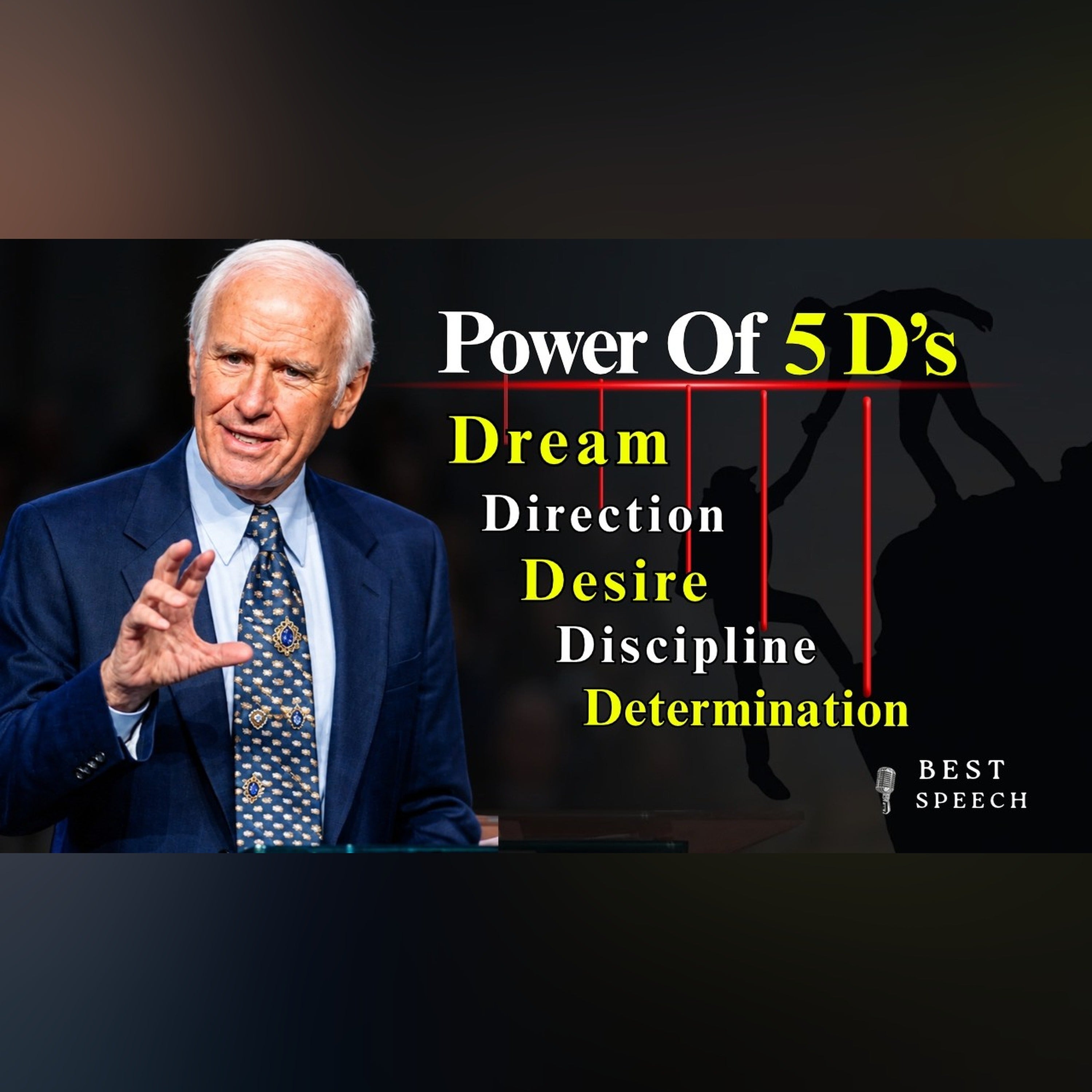
you will be successful if you have these 5 d’s: dream, direction, desire, discipline, determination #Motivation, #MotivationalSpeech, #SuccessMindset, #PersonalDevelopment, Uploaded 17-10-26 Success is not an accident. It begins with a dream, grows through direction, burns with desire, develops through discipline, and becomes unstoppable through determination. In this powerful motivational speech, discover the 5 D’s that can transform your mindset, strengthen your character, and help you build the future you truly deserve. If you want to achieve your goals, overcome self-doubt, break free from procrastination, and become the person you know you can be, this motivational speech will challenge you to take responsibility for your life and start moving toward your dreams. The 5 D’s of Success: Dream: Create a clear vision of the life you want to build. Direction: Know where you are going and take purposeful action. Desire: Develop a powerful reason to keep moving forward. Discipline: Do wh
Imagine if every big change in our lives came with a whole community stepping up beside us… In this episode, I sit down with Dr Arne Rubinstein, former GP and emergency doctor, founder of the Rites of Passage Institute, and a man who's spent more than 30 years walking young people across the threshold into adulthood. Arne's work began around a fire at his very first men's gathering, listening to a hundred men wrestle with the same handful of wounds. Then in the Emergency Dpt, he kept meeting teenagers who'd pushed it one step too far... kids trying to become adults with nobody there to hold them. He came to believe every young person will go through a rite of passage either way. The question is whether we leave them to create their own, or gather around and help. We talk about why our culture is so good at turning away from the big moments - from first periods to menopause to death - and what opens up when we turn towards them. We explore: Separation, transformation and integration, an
Get the 200+ Page Optimal Living Daily Workbook (PDF) - Free. Want to turn today's episode into an actionable plan? Episode 4233: Kate Galliett explains three reasons we make health, fitness and life harder than they need to be: ignoring how the body works as a connected system, trusting only extreme intensity, and leaking the energy that fuels motivation and discipline. She makes the case that appropriate effort, not maximum effort, is the only sustainable path to lasting results. Read along with the original article(s) here: https://fitforreallife.substack.com/p/why-you-make-everything-harder-than Quotes to ponder: "The better way is to give appropriate effort and get appropriate results. This is the only sustainable way." "If you try and live at the extremes, you will constantly ping-pong back and forth from one extreme to the other." "Just imagine - you might not actually lack discipline after all, you just might be leaking energy that feeds your ability to be disciplined." We spen
Human DNA editing is finally here. Check out the new WHOOP here! https://join.whoop.com/cleo There is a microscopic technology that now gives us the power to edit our own genes while we’re alive. To cure certain diseases, possibly prevent others, or boost what our bodies can do… or maybe, one day give our kids abilities no one has ever had before… effectively putting evolution into our hands. This is not some sci-fi future! We’re already using this technology in real medical treatments in plants to grow new crops and in animals to create new species! Just yesterday, news broke that a baby’s life was saved using personalized gene editing that fixed one tiny error in its DNA. This is truly “huge if true.” Deciding how we use this new superpower may be the biggest challenge we have ever faced - and the biggest opportunity to reduce human suffering. This tool is called CRISPR. Dr. Jennifer Doudna won the Nobel Prize for discovering it. So, in this third episode of Huge Conversations, Dr. D
Happy Sunday! Welcome to Heal Squad’s The Sunday Set Up. Life lessons to help you start the week. How much of success comes down to simply showing up? This week, we talk keeping an open mind, taking chances, and recognizing the doors that open along the way. From Olympic athletes appearing on national television alongside Mercedes Moné to performers who keep showing up week after week hoping for their big break, we explore why success isn't always about talent or luck. Sometimes it's about making connections, putting in the effort, and being willing to try without knowing what we'll get in return. We talk knowing when to stop investing time in people who aren't willing to help themselves, and why even experiences that don't work out can teach us something valuable. The takeaway: don't wait for the perfect moment or expect someone else to make things happen. Be willing to take a chance, walk through the doors that open, and remember that half of life is just showing up. Plus, a little b
What if you’re not actually angry in your relationship… you’re afraid? Our fears and insecurities show up more than we realize in relationship. If you’ve been overthinking, people-pleasing, seeking constant reassurance, or pulling away when you’re triggered, this episode will help you understand what's happening beneath the surface — and how to start changing it. We’re throwing it back to marriage and family therapist Trevor Hanson, who unpacks the psychology behind relationship anxiety, insecure attachment styles, and the patterns that can sabotage our relationships. We explore how to move from anxious or avoidant attachment towards secure attachment, how to build more confidence, and how repeated emotional experiences can help you actually feel safe and secure. We also break down how to self-soothe when you're triggered, and how to navigate conflict without criticism, defensiveness, or shutting down. Trevor has helped thousands of individuals and couples heal attachment wounds and bu
We’re lonelier and more disconnected than ever, and yet… on average, we have a lot of friends, and we know a lot of people. So what’s missing? Welcome to today’s ICYMI, where we kick off the week with a quick game-changing tip from one of our guests that you might have missed. It turns out, the problem might not be that you need more friends — it’s that you need deeper, more reciprocal friendships. Adult friendships can be complicated, so we’re throwing it back to advice from friendship expert and psychologist, Dr. Elisabeth Crain, on why so many of us feel alone even when we have an active social life, how fear of rejection can keep our friendships stuck, and why finding your people requires real discernment. Plus, the value of taking your time in relationships and taking small emotional risks that allow people to reveal themselves. Watch our full episode with Dr. Elisabeth. (https://youtu.be/xPvB2ozfEyc?si=HALtlBbwQ4_6Asyw) Tune in every Monday for an expert dose of life advice in un
It turns out you CAN improve your blood sugar and insulin resistance without giving up carbs. Welcome to today’s ICYMI, where we kick off the week with a quick game-changing tip from one of our guests that you might have missed. We're throwing it back to this balanced and super doable advice from dietitian Abbey Sharp on the science of blood sugar, insulin resistance, and how small changes to the way we eat and move can make a difference. We’re talking the surprising power of retrogradation (AKA cooling your carbs), how food order and pairing can help reduce blood sugar spikes, and simple, sustainable strategies to support your hormone health and glucose levels without deprivation. Abbey is a Registered Dietitian (RD), a cookbook author, a TV nutrition expert, a YouTuber, host of the podcast Bite Back, and the founder of Abbey’s Kitchen. She dismantles diet culture with science and sass, and her core philosophy is that a pleasurable relationship with food, your body and your self is th
Studies used in public decisions should include people from varied backgrounds.
Share your view, then see how readers voted. No sign-in required. This poll is shared across stories.
Do you agree or disagree?
Common Quandary
A Common Quandary to discuss
Another conversation to explore, separate from this news story.
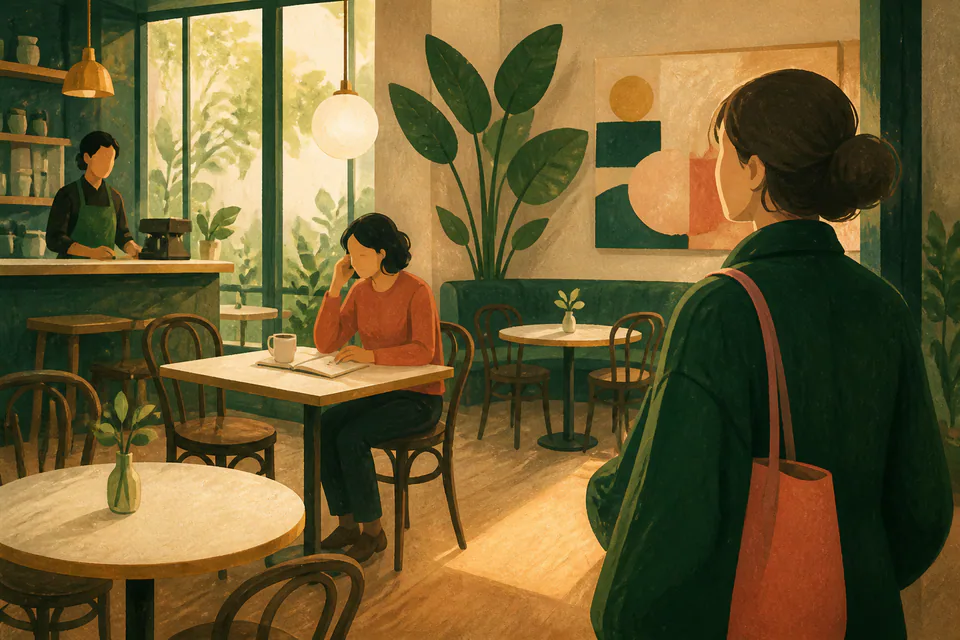
A stranger is sitting at your usual café table. Can you ask them to move?
You visit the same café every Saturday and always write at one particular table. Today a first-time customer is sitting there while several other tables remain open. The staff recognize you but there is no reservation policy.