The First Sign: Water Into Wine at Cana - John 2:1–11
6 min
Listen through the publisher, then discuss the episode here or arrange an in-person Roundtable. Your city determines where to meet.
Roundtables are designed for groups of four, with a shared subject and room for everyone to speak. Come for discussion, with no dating expectation.
Jesus Christ performing His fist miracle at a wedding celebration in Cana by transforming water into superior wine. It highlights how Mary alerted Jesus to the depleted wine supply and instructed the servants to unconditionally follow His directives. By using stone purification jars for this wondrous act, Jesus prevented social embarrassment for the hosts while manifesting His divine glory. This remarkable event prompted His followers to strengthen their faith and established a profound theological lesson regarding obedience. Ultimately, the passage emphasizes that submitting ordinary circumstances to Christ's authority yields extraordinary outcomes that boldly reveal His true identity. Every contribution counts. Thank you for being part of our journey!
Episode information is provided by the publisher. Listening takes place on the publisher’s service.
Black holes are not just the strangest objects in the universe, they're the sharpest test we have of how reality actually works. This episode explores how these extreme cosmic laboratories force general relativity and quantum physics into direct confrontation. We look back through a decade of content to understand their formation and the theoretical diagrams that describe them, offering a journey through the profound implications of these celestial objects for our understanding of space time and astrophysics. Sign Up on Patreon to get access to the Space Time Discord! Check out the Space Time Merch Store Sign up for the mailing list to get episode notifications and hear special announcements! Hosted by Matt O'Dowd Written by Matt O'Dowd Post Production by Leonardo Scholzer Directed by Andrew Kornhaber Associate Producer: Bahar Gholipour Executive Producer: Andrew Kornhaber Executive in Charge for PBS: Maribel Lopez Director of Programming for PBS: Gabrielle Ewing Assistant Director of
Luke 21: 20-28 - 'There will be signs in the sun and moon and stars.' Catechism of the Catholic Church Paragraphs: - 58 (in 'The Covenant with Noah') - The covenant with Noah remains in force during the times of the Gentiles, until the universal proclamation of the Gospel (abbreviated). - 674 (In 'The glorious advent of Christ, the hope of Israel) - The glorious Messiah’s coming is suspended at every moment of history until his recognition by “all Israel,” for “a hardening has come upon part of Israel” in their “unbelief” toward Jesus. St. Peter says to the Jews of Jerusalem after Pentecost: “Repent therefore, and turn again, that your sins may be blotted out, that times of refreshing may come from the presence of the Lord, and that he may send the Christ appointed for you, Jesus, whom heaven must receive until the time for establishing all that God spoke by the mouth of his holy prophets from of old.” St. Paul echoes him: “For if their rejection means the reconciliation of the world,
Thursday 26 November 2026 Today is Thursday the 26th of November, the feast of Saint John Berchmans SJ, in the 34th week of Ordinary Time. At every moment of the day and night, remember that you can come to the Lord. He is always there for you, whatever happens. Allow Him to carry you and be patient with you. Become still, open and receptive, and listen to His Word. The community of Taizé sing Wait for the Lord. ‘Wait for the Lord, his day is near. Wait for the Lord, be strong, take heart.’ Today’s reading is from the Gospel of Luke. Luke 21:20-28 ‘When you see Jerusalem surrounded by armies, then know that its desolation has come near. Then those in Judea must flee to the mountains, and those inside the city must leave it, and those out in the country must not enter it; for these are days of vengeance, as a fulfilment of all that is written. Woe to those who are pregnant and to those who are nursing infants in those days! For there will be great distress on the earth and wrath against
We all encounter challenges in our relationships, some more serious than others, but it’s how we handle them that ultimately matters.For many of us, when we feel pain, we tend to blame our partners. We criticize, close up. We avoid them, ignore them. All to play a game of who’s wrong and who’s right. But when you truly love someone – it doesn’t matter who’s wrong or who’s right. In fact, blame only takes our power away, and excuses only cause us to continue hurting each other. Uploaded 01-10-19 Welcome back to the Tony Robbins Podcast. On today’s episode of the Real Breakthrough Series, we’re taking you back to Date With Destiny where Tony is working with Teresa and John, a couple fighting their way out of a painful past and trying to figure out a path towards a healthier, happier future. While Teresa and John have made substantial progress since dealing with infidelity, they still struggle when it comes to constructive communication. They slip back into old ways, making excuses for th
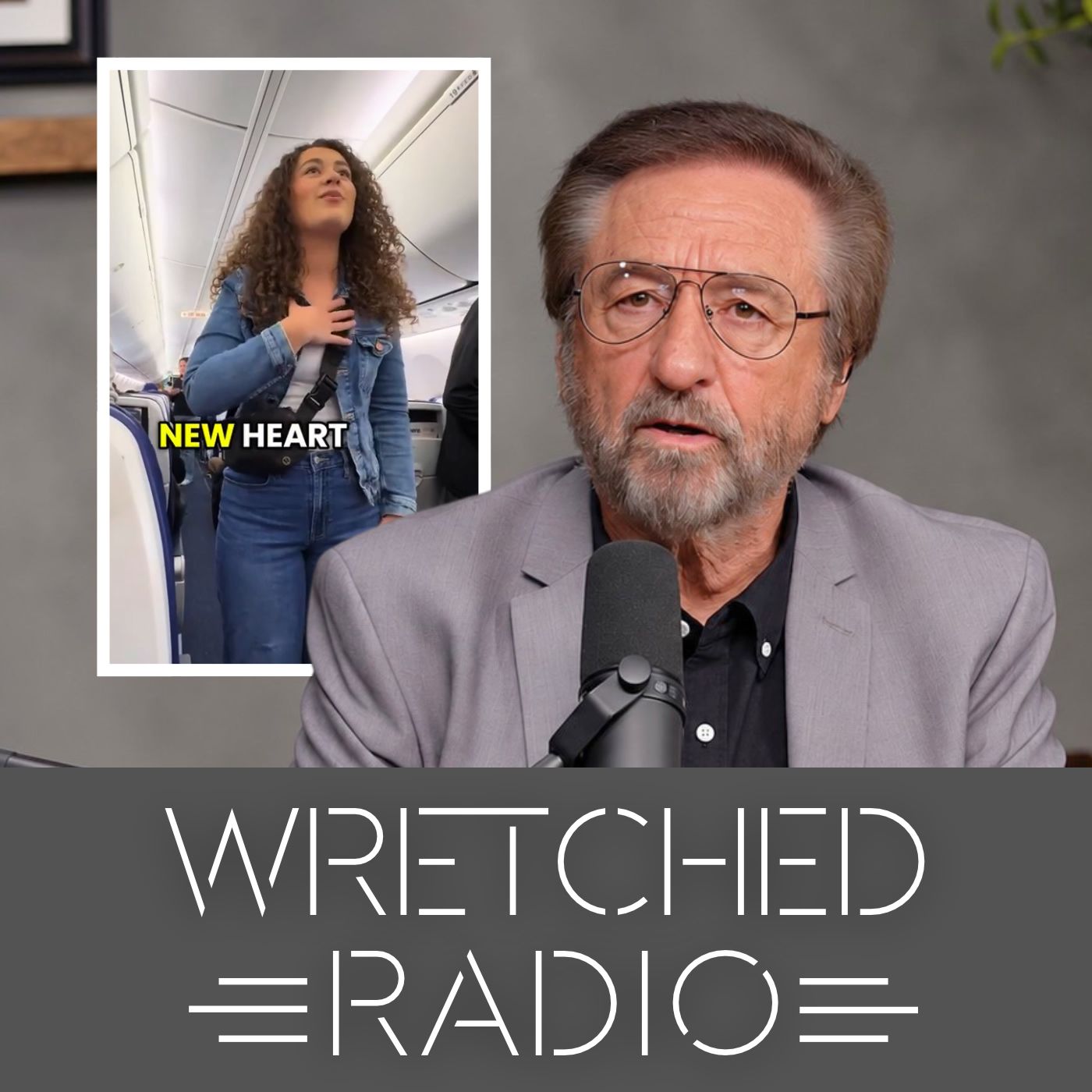
Could your approach to evangelism be leaving people with a false sense of assurance? Todd Friel and Ray Comfort put real-world gospel presentations and popular evangelism methods to the test. Discover what even well-meaning Christians can overlook and how to share the gospel more clearly and faithfully. Segment 1 What a viral airplane message gets wrong. Is telling someone “Jesus loves you” enough? Should you street preach on an airplane? Segment 2 How Ray Comfort created 27 false converts. Should you start evangelism with John 3:16? What this Tim Keller gospel presentation missed. Segment 3 Can you distinguish regret from true repentance? Does the 3 Circles method get the gospel right? Is the Romans Road missing something essential? Segment 4 How do you awaken someone to their need for Christ? Can you accurately share the gospel in 90 seconds? The witnessing encounter that terrified Ray. ___ Thanks for listening! As part of our Multiply 2027 year-end campaign, every gift made through
In Iran, an 11-year-old Christian watched a burning bottle crash through his living-room window—and his father pulled out the rag and poured out the gasoline so it did not explode. The family later fled to Athens, then Toronto. Nicky Billou also argues that in 1978 Jimmy Carter told the Shah he was on his own, putting the Iranian people in what Nicky calls an "open-air prison," and explains why converts inside Iran risk death as underground churches continue to grow.Nicky explains why he urges conservatives to distinguish between the Iranian people and the Islamic Republic, why he believes Iran's 5,800-year national identity makes it fundamentally different from Iraq or Afghanistan, and why he sees growing underground Christian faith across Iran today.Nicky Billou is an Iranian-born Christian author, podcast host (The Thought Leader Revolution, The Sovereign Man Podcast), and founder/CEO of eCircle Academy (https://nickybillou.com/ · https://ecircleacademy.com/). His books include Fini
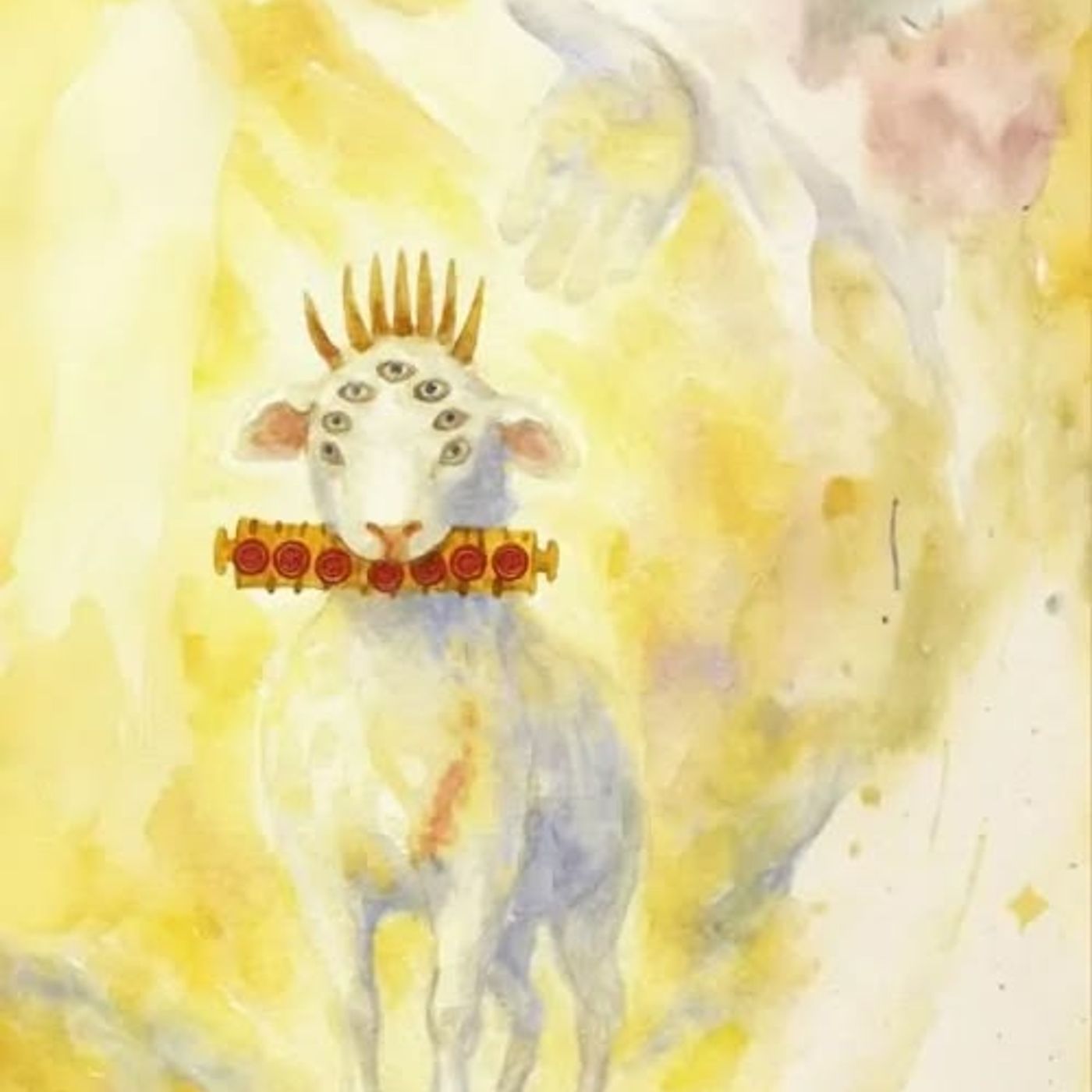
In John's vision, he sees a scroll in God's right hand, sealed with seven seals. No one is found worthy to open it, and John begins to weep. But one of the elders tells him that the Lion of the tribe of Judah has conquered. When John looks, he sees a Lamb standing as though it had been slain, with seven horns and seven eyes. The vision presents a powerful picture: the One who was sacrificed is also the One worthy to carry out God's purposes. What appears to be weakness becomes the greatest demonstration of victory. Every contribution counts. Thank you for being part of our journey!
Exodus focusing on Pharaoh's persistent refusal to heed divine warnings. It details the devastating plague of locusts that completely ruined Egypt's remaining crops and food supply after previous disasters. Although Egyptian officials begged the ruler to free the Israelites, and pharaoh momentarily confessed his wrongdoing, his stubbornness quickly returned. After Moses prayed to remove the insects, a powerful wind cleared the land of the pests. Ultimately, the narrative highlights how Pharaoh hardened his heart yet again the moment the crisis subsided. Every contribution counts. Thank you for being part of our journey!
Rahab hid the spies on her roof beneath stalks of flax and told the king's men that the visitors had already left. After the men departed, Rahab spoke privately with the spies. She explained that the people of Jericho had heard what God had done for Israel, including the parting of the Red Sea and the victories over other kings. Rahab's story is remarkable because she recognized God's authority even though she was not part of Israel. Her faith was more than an opinion; it influenced a dangerous decision and changed the direction of her actions Every contribution counts. Thank you for being part of our journey!
International institutions should explain their decisions to the people affected by them.
Share your view, then see how readers voted. No sign-in required. This poll is shared across stories.
Do you agree or disagree?
Common Quandary
A Common Quandary to discuss
Another conversation to explore, separate from this news story.
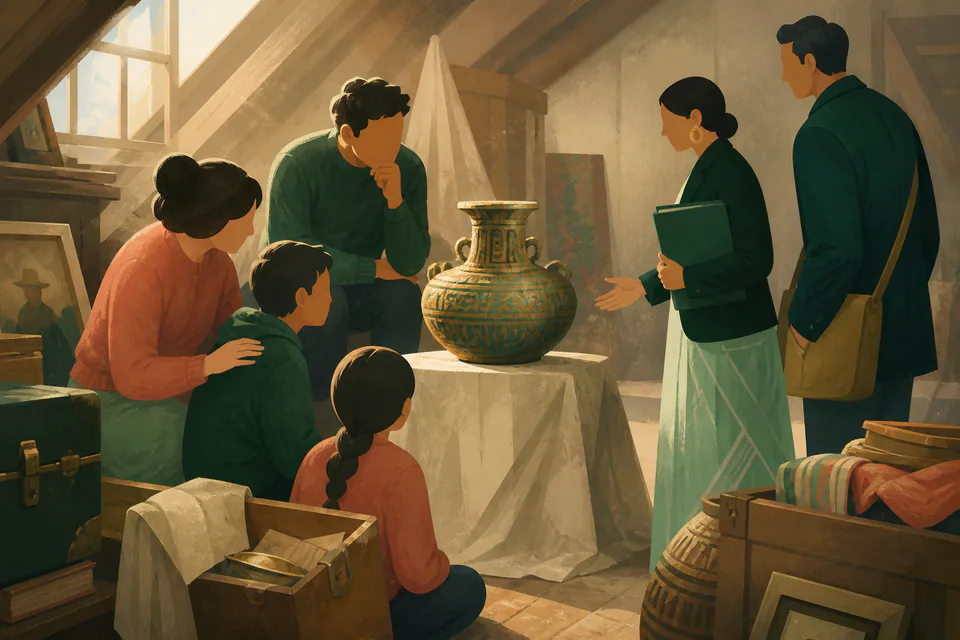
Your grandfather brought home an ancient artifact. A museum wants it back. Do you surrender it?
In your grandfather's attic you discover a beautiful ancient object he brought home while working overseas decades ago. Your family treasures it and his papers suggest the rules were murky. A museum from that country says it belongs to their collection and asks for its return.
Can a family inherit clear ownership of something acquired through unclear power?