English-language podcasts

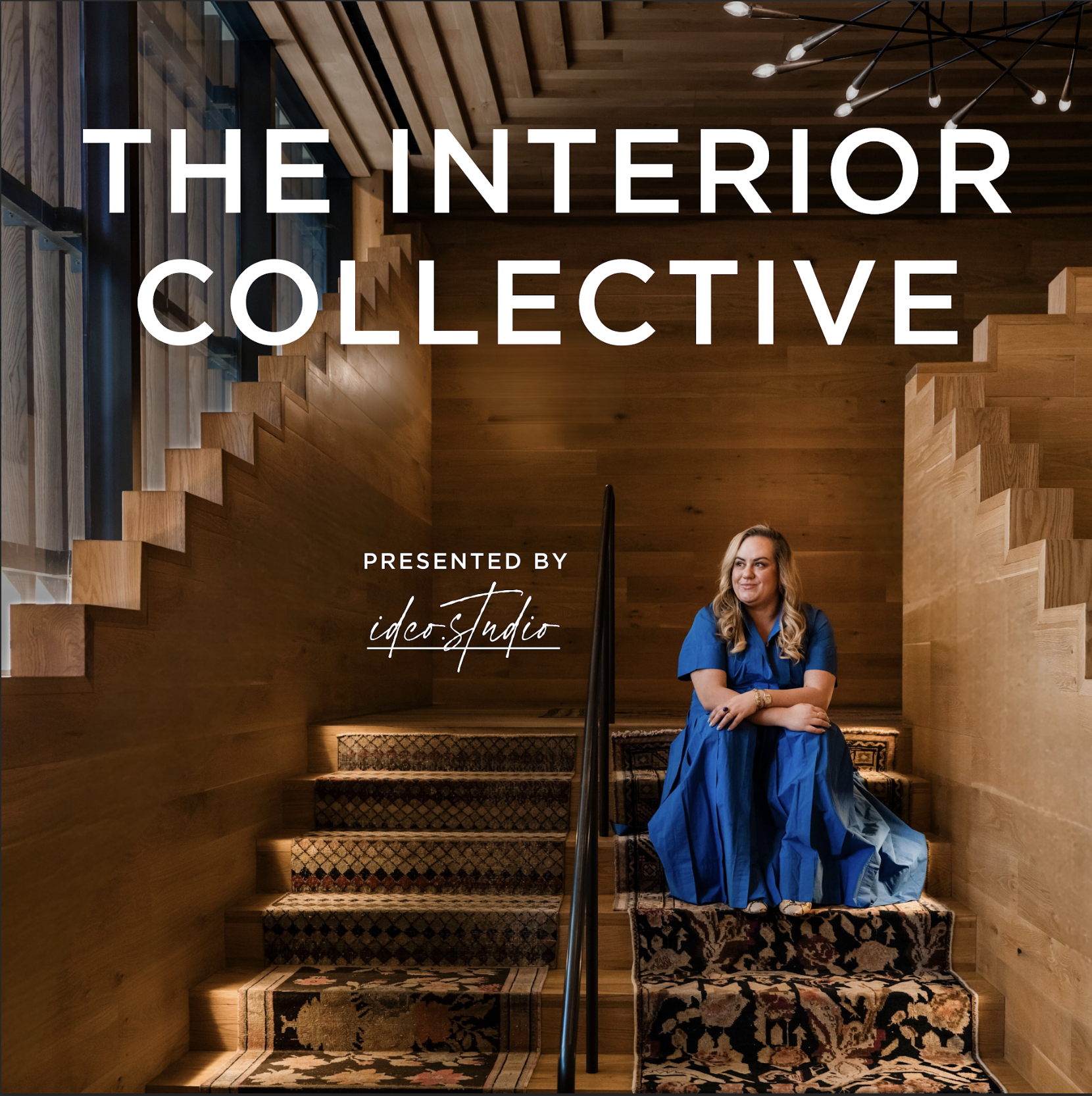
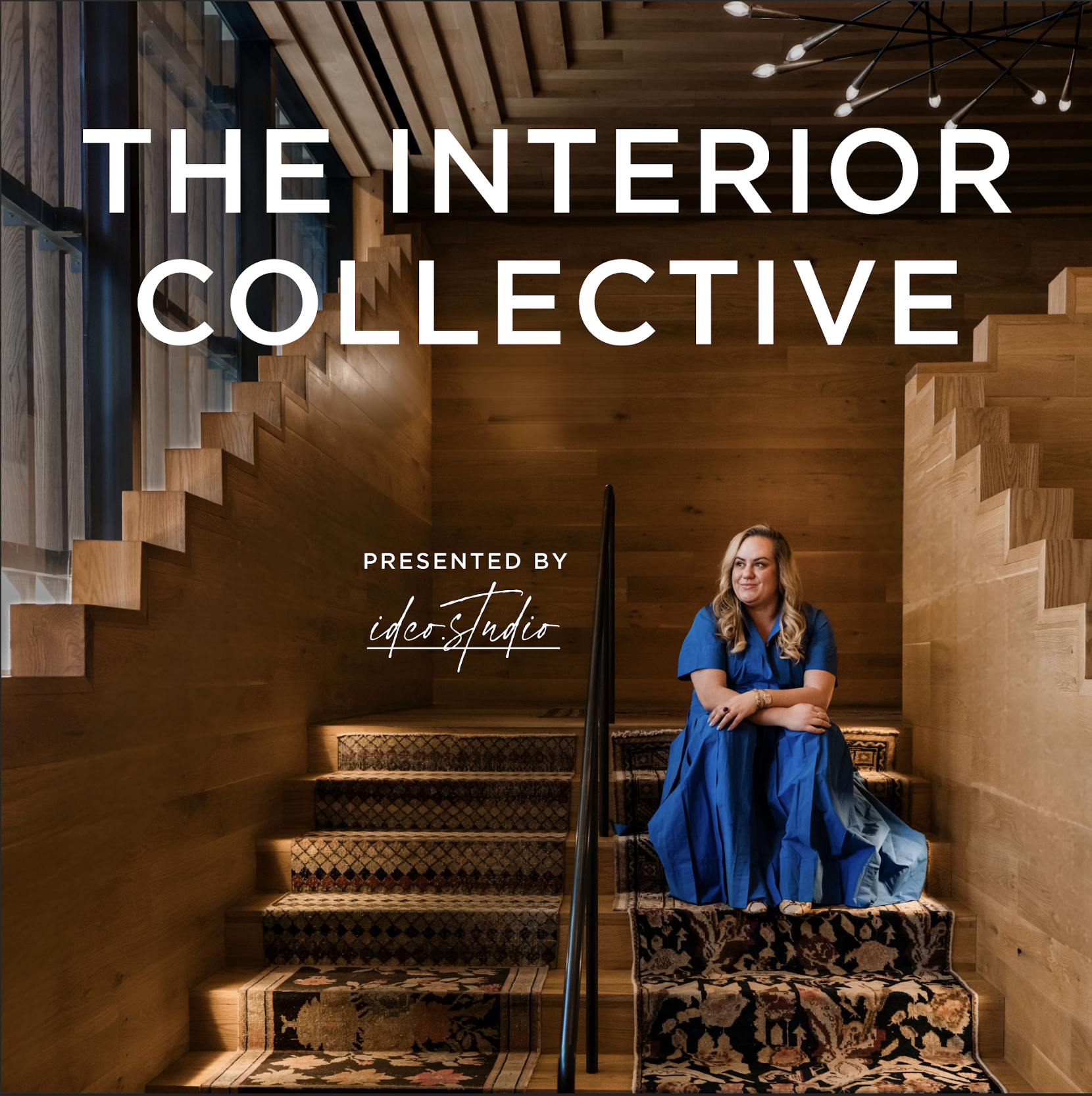
The Interior Collective

The Full Presentation: Inside Heidi Caillier's Design Process
59 min

Listen through the publisher, then discuss the episode here or arrange an in-person Roundtable. Your city determines where to meet.

Roundtables are designed for groups of four, with a shared subject and room for everyone to speak. Come for discussion, with no dating expectation.

Season 10 of The Interior Collective Podcast is brought to you by Materio (https://materio.co/interior-collective). Welcome back to The Interior Collective. I'm your host, Anastasia Casey, and I'm so excited to have Heidi Caillier on for another conversation. If you have not listened to her previous episode, go back to Season 2, Episode 1 and start there. It is one of the most listened-to episodes in the show's history for good reason. Heidi is an AD100 designer known for her confident use of pattern, color, and nostalgic detail. Her work is layered, deeply personal, and rooted in a love of vintage, antiques, and handcrafted things. And she has built a business model that blew my mind when I first heard it in detail at Design Camp. Here is the short version: Heidi presents an entire home all at once. Every hard finish, every soft finish, every fixture, every piece of furniture, including the vintage. One presentation. A month of revisions. Then procurement begins and the design is done. We covered the philosophy behind that model and the markup structure in our last conversation. Today we are going deeper into the mechanics of how it actually happens. What those six to eight weeks of design work look like inside the studio before anyone sees a single thing. How vintage pieces specifically are handled within a full home presentation, what mid-construction project management looks like once a project is handed off, and how she is managing all of this with a remote team. If the full presentation model has ever felt out of reach, this conversation will change how you think about what is actually possible.

Episode information is provided by the publisher. Listening takes place on the publisher’s service.

Listen at the source ↗

Featured places to meet in Palo Alto, CA

Explore these places and arrange a conversation through ThinkMatch.

City guide for Palo Alto, CA

More from The Interior Collective

The Interior Collective

Utilizing Personal Projects as a Marketing Channel with Jean Stoffer and Grace Start

67 min

Season 10 of The Interior Collective Podcast is brought to you by Materio (https://materio.co/interior-collective). Welcome back to The Interior Collective. I'm your host, Anastasia Casey, and today two of my favorite people are back. Jean Stoffer joined us in Season 5 to talk about building a family legacy in design, and it was such an impactful conversation. If you have not listened to it, go back and start there. Today we are picking up where we left off, but going somewhere completely new. Jean and Grace were also keynote speakers at Design Camp last fall, and if you were in the room that day you already know what an extraordinary conversation it was. It’s a privilege to have them back. Here is what I have been thinking about since we last spoke. The Madison, the 10,000 square foot Greek Revival home that started as a flip and ended with Jean and her husband moving in, is widely credited as the moment that put Jean Stoffer Design on the international map. The photos went viral on I

Discuss this episode

Community Poll

An institutional apology should include a concrete plan to prevent repetition.

Share your view, then see how readers voted. No sign-in required. This poll is shared across stories.

Do you agree or disagree?

Choose one answer

Common Quandary

A Common Quandary to discuss

Another conversation to explore, separate from this news story.

Your family connection could get your child into their dream school. Do you use it?

A university argues that considering family ties builds loyalty and encourages donations that fund scholarships. Critics say the preference preserves inherited advantage and takes places from stronger applicants.

Can benefits to the whole institution justify an unequal admissions advantage?

Explore this quandary