English-language podcasts

The Next Five

The Future Architecture of Finance
41 min

Listen through the publisher, then discuss the episode here or arrange an in-person Roundtable. Your city determines where to meet.

Roundtables are designed for groups of four, with a shared subject and room for everyone to speak. Come for discussion, with no dating expectation.

When it comes to the powerhouse behind banking economics, global payments is the unchallenged King. It accounts for about 41 percent of total banking revenues, that’s a $2.6 trillion revenue pool. Every year, it processes 3.8 trillion transactions representing over two quadrillion dollars in value. Those numbers are worthy of the noble crown. And yet this is all based on a system where transactions wind their way through a complex web of correspondent banks, clearing across multiple time zones, taking days to settle, and locking up vast sums of capital. But we are stepping into an era of 24/7, real-time, borderless payments and market modernisation, where the map of global money, capital markets, and financial infrastructure is being redrawn. From tokenised deposits that could reach $4 trillion by 2030 to advanced digital wallets, programmable assets and the rise of AI. But to get there we need to overcome some challenges. Joining our host, Tom Parker, is Rob Hale, Co-Head of Global Markets at Lloyds Banking Group, Nick Kerigan, Managing Director and Head of Innovation at Swift and Yuval Rooz, Co-Founder & CEO at Digital Asset. This episode was recorded on 23rd October 2026. Sources: FT Resources, McKinsey, Swift, aeaweb, cgap, chain.link, canton.network This content is paid for by Lloyds Corporate & Institutional and is produced in partnership with the Financial Times' Commercial Department. The views and claims expressed are those of the guests alone and have not been independently verified by The Financial Times. Hosted on Acast. See acast.com/privacy (https://acast.com/privacy) for more information.

Episode information is provided by the publisher. Listening takes place on the publisher’s service.

Listen at the source ↗

Featured places to meet in Palo Alto, CA

Explore these places and arrange a conversation through ThinkMatch.

City guide for Palo Alto, CA

More from The Next Five

The Next Five

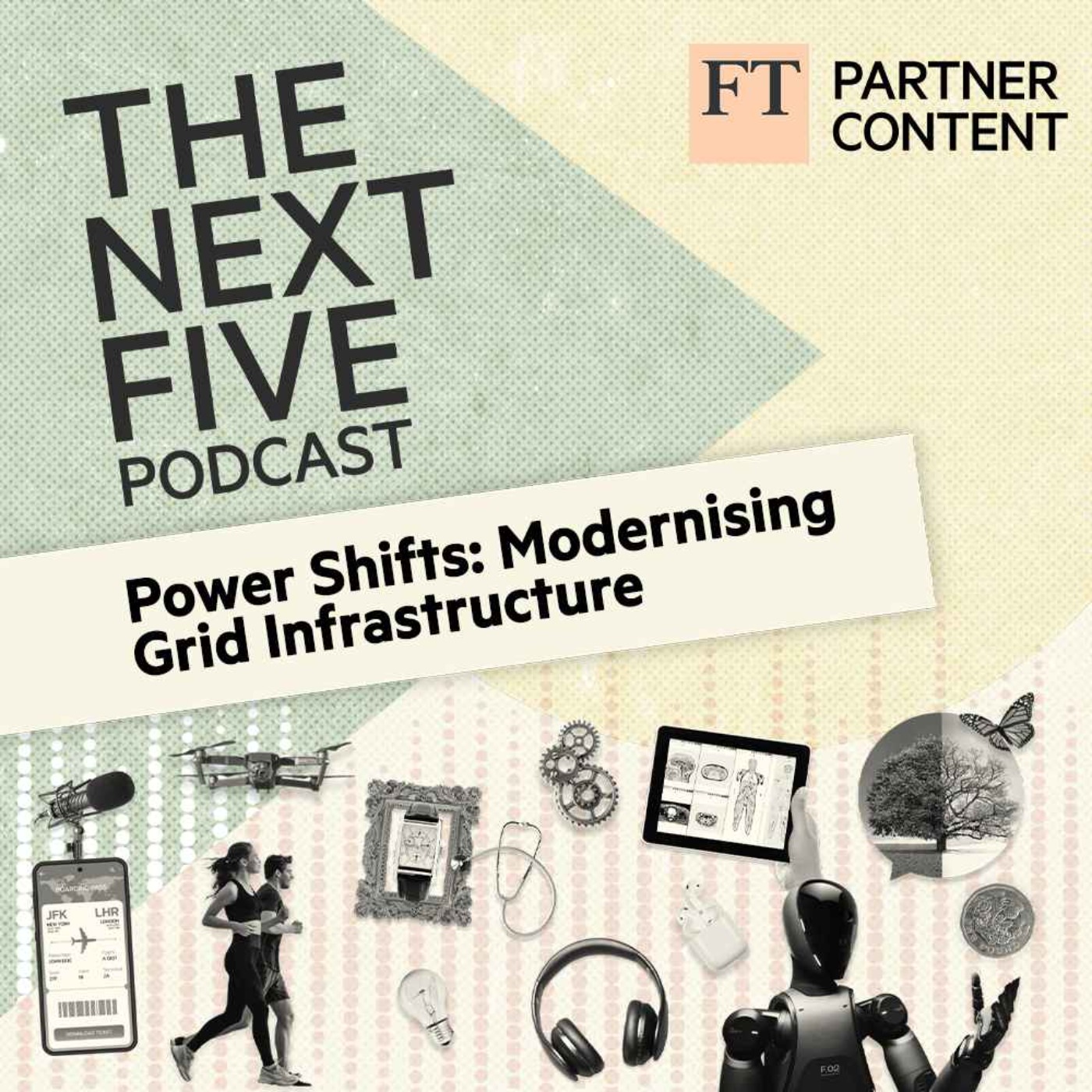
Power Shifts: Grid Bound - Modernising Grid Infrastructure

32 min

It’s a hot afternoon in July 2026. You’re at home, and the sun is beating down on your roof. Your solar panels are working overtime, generating more clean, free energy than your house can possibly use. In a perfect world, that excess power would be flowing back into the grid, charging your neighbour’s electric car or powering a local hospital. But you look at your smart meter and see a red warning light. The grid in your area is ‘congested.’ It’s full. Instead of that green energy being used, it’s being ‘curtailed’, essentially thrown away. Somewhere else, a gas-fired power station is being paid to fire up because your clean energy simply can't reach the people who need it. This is the grid gap. We have been building wind farms and solar parks at record speed over the last decade, but for all the good they bring, we are still trying to plug them into a nervous system designed for the 1950s and right now, it’s creaking under the weight. Joining, our host, Tom Parker is Ferrari Careto, C

Discuss this episode

Community Poll

People should always be told when they are communicating with a machine.

Share your view, then see how readers voted. No sign-in required. This poll is shared across stories.

Do you agree or disagree?

Choose one answer

Common Quandary

A Common Quandary to discuss

Another conversation to explore, separate from this news story.

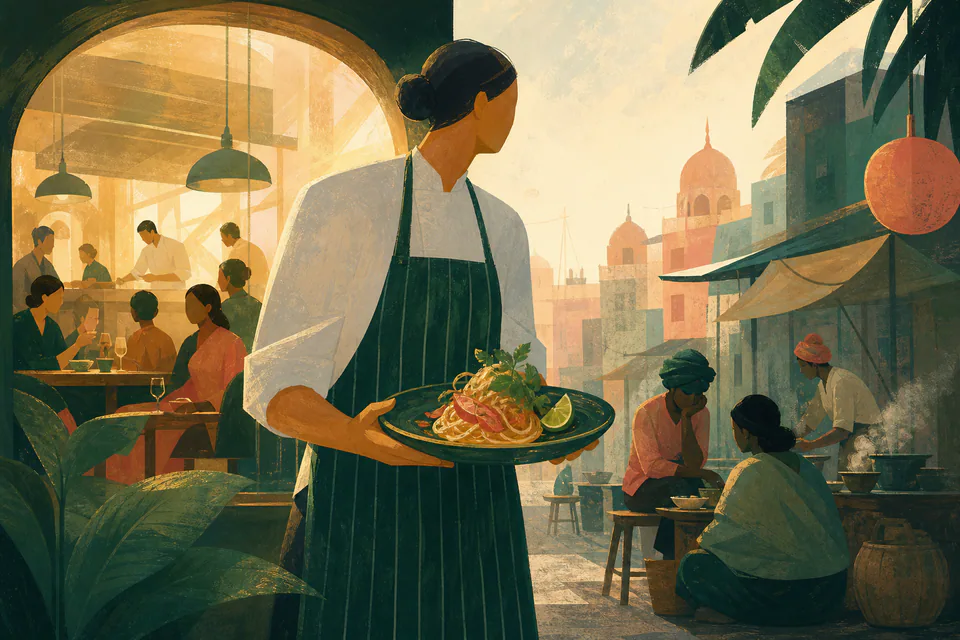
An outsider becomes famous cooking another culture's food. Appreciation or taking over?

A chef becomes known for food from a culture outside their own after years of study with respected cooks. The restaurant is successful, while small businesses run by people from that culture struggle for attention.

When does appreciation become taking opportunity from the people who created a tradition?

Explore this quandary