Listen through the publisher, then discuss the episode here or arrange an in-person Roundtable. Your city determines where to meet.
Roundtables are designed for groups of four, with a shared subject and room for everyone to speak. Come for discussion, with no dating expectation.
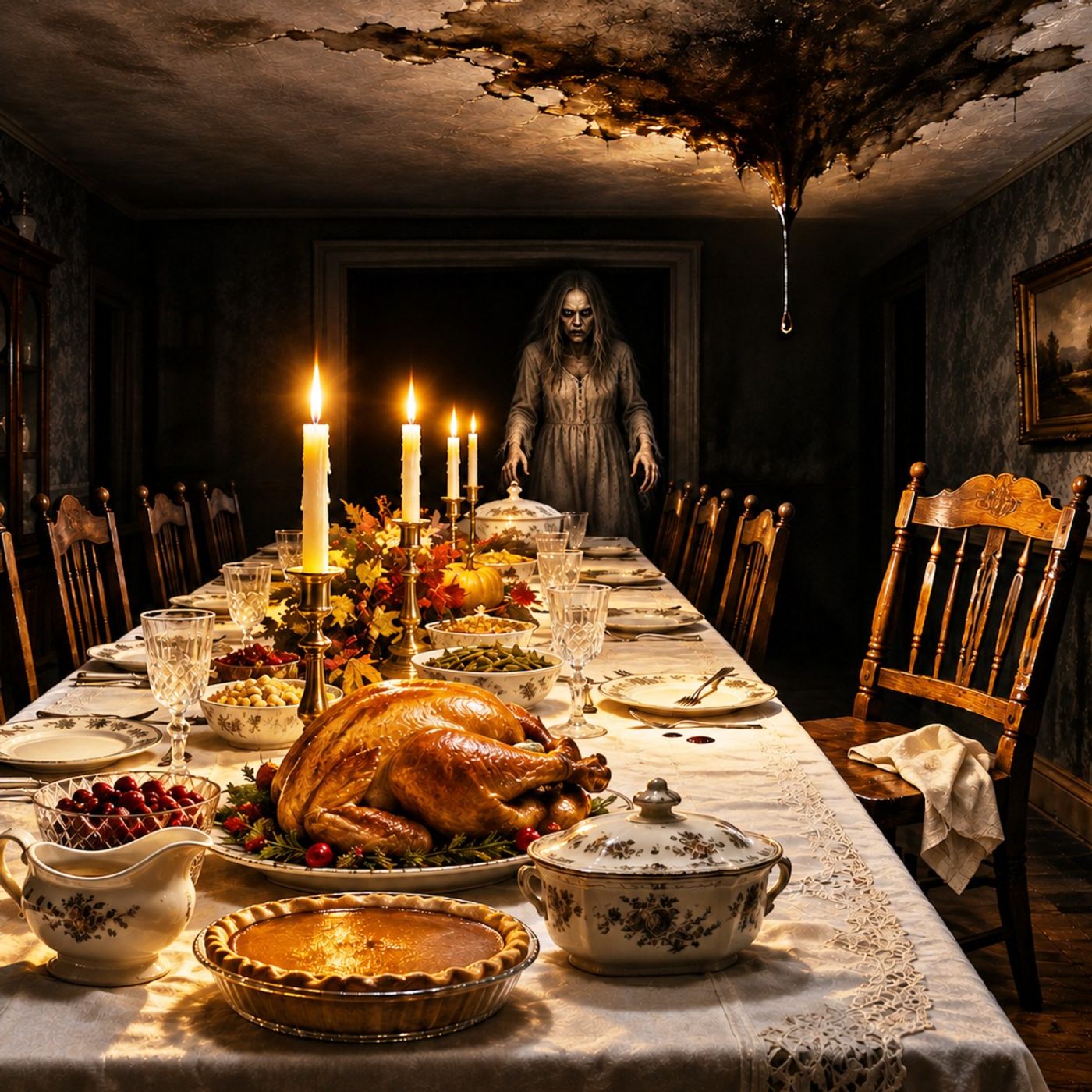
Often, the people we gather around the Thanksgiving table aren't the only ones who have come home for the holidays. And in some families, the oldest traditions are the ones you should be most afraid to disturb.
Episode information is provided by the publisher. Listening takes place on the publisher’s service.
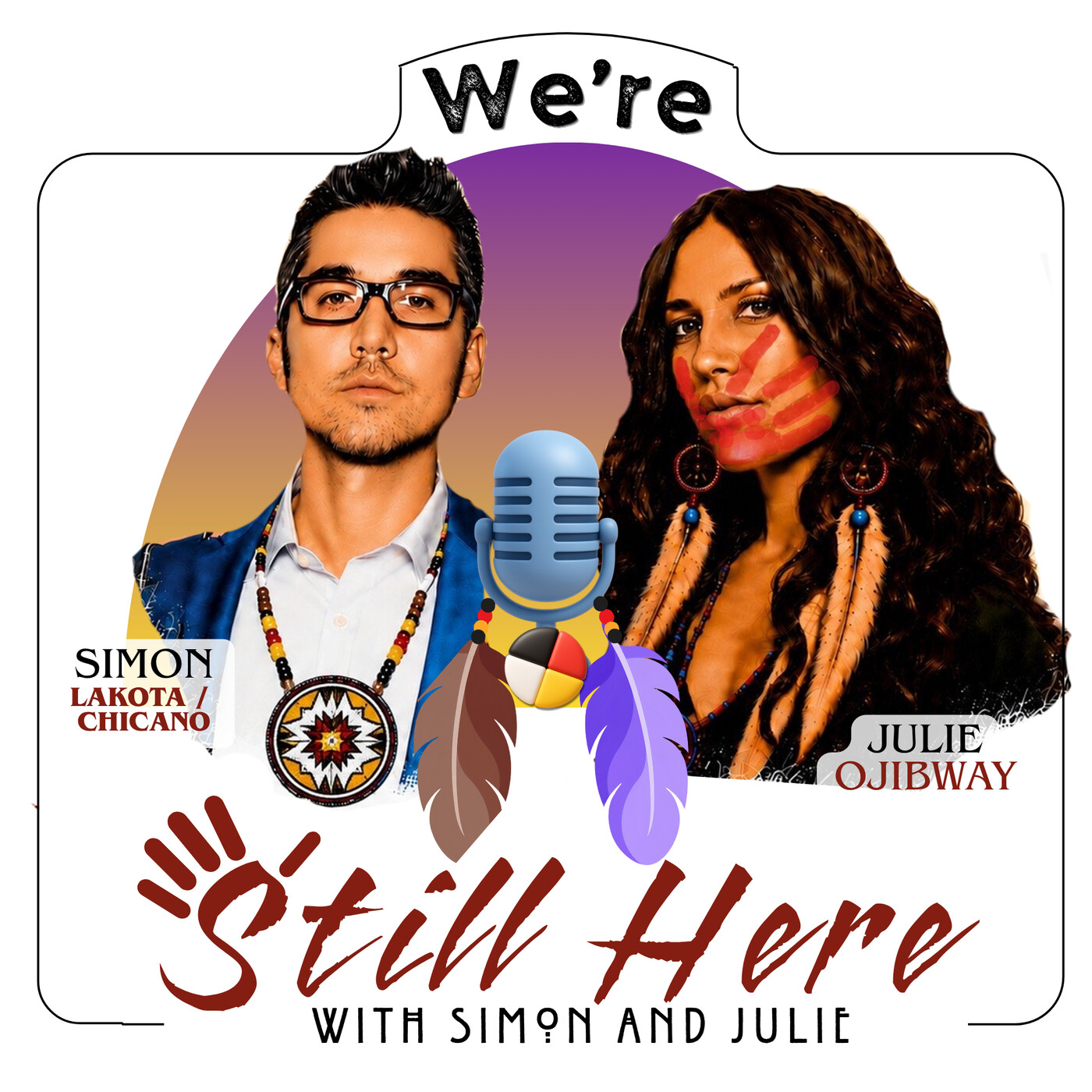
Thanksgiving is often presented as a simple story of Pilgrims and Native people sharing a meal. But what gets left out—and who benefits from that version? Lakota Chicano journalist Simon Moya-Smith and Ojibwe educator Julie Francella discuss how we should to challenge the familiar holiday narrative and share the histories, traditions, and lived experiences it obscures. They discuss the Wampanoag people’s diplomacy and the realities surrounding the 1621 gathering, the origins of the National Day of Mourning, and how Manifest Destiny helped turn a complicated history into a comforting national myth. Julie describes Indigenous gratitude as an everyday practice rooted in reciprocity with the land, water, animals, and community. Simon speaks about resilience, cultural survival, stereotypes, and why Indigenous nations should never be treated as a monolith. The conversation also explores what it means to gather with family while acknowledging painful history, why Indigenous communities contin
The afternoon before Thanksgiving 1971, a man in a dark suit handed a flight attendant a note, collected $200,000 and four parachutes in Seattle, and stepped off the rear stairs of a Boeing 727 into the rain somewhere north of Portland, leaving behind his black tie and nothing else. On Thanksgiving Day 2010, three brothers went out to play in their father's backyard in Morenci, Michigan, and never came back in. Every year, while the rest of the country carves the turkey, a few families mark the anniversary of the day someone left the table and didn't return. These are their stories. IN THIS EPISODE: While the rest of Americans are at home with their families, eating turkey and enjoying annual celebrations-- Thanksgiving has a darker side. We may often overlook this truth because it is rarely discussed at the Thanksgiving table. Every Thanksgiving Day there are some tragic and mysterious incidents. Many of these unfathomably awful things are never explained. Whether it is murders, gory
Bobby Flay is one of the all time great chefs of our generation. His daughter Sophie is a reporter and anchor for ABC. So what could be better than two father/daughter duos talking about great cookbooks and great holiday cuisine traditions (well, theirs are great. Ours are probably not as good and fancy, but tasty nonetheless). Join us for this Thanksgiving conversation that you won’t want to miss. Find books mentioned on The Book Case: Books mentioned in this episode: Bobby Flay: Chapter One: Iconic Recipes and Inspirations from a Groundbreaking American Chef by Bobby Flay Bobby at Home: Fearless Flavors from my Kitchen by Bobby Flay, Stephanie Banyas, Sally Jackson Bobby Flay’s From My Kitchen to Your Table by Bobby Flay and Joan Schwartz Bobby Flay Fit by Bobby Flay, Stephanie Banyas, Sally Jackson Bobby Flay’s Mesa Grill Cookbook by Bobby Flay Bobby Flay’s Grill It by Bobby Flay, Stephanie Banyas, Sally Jackson Bobby Flay’s Bold American Food, by Bobby Flay and Joan Schwartz Bobby
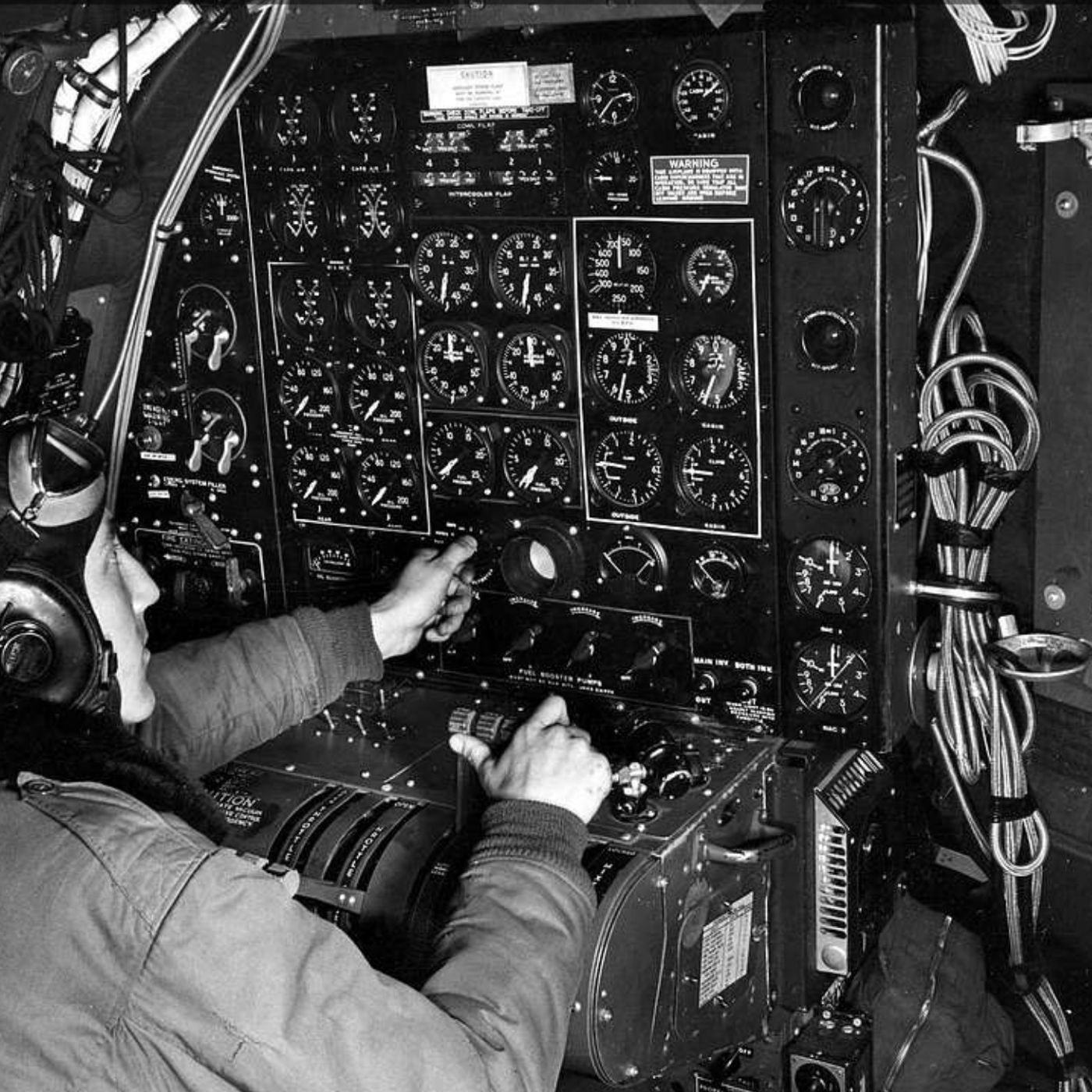
1945 B-29 ENGINEER'S STATION Rubble Search and Atomic Blast Phenomena Charles Pellegrino, author of Ghosts of Hiroshima, tells John Batchelor how survivor Kenshi Hirata recovered his wife Setsuko's remains from their flattened home, while Tsutomu Yamaguchi survived in a mud ditch. Pellegrino explains blast phenomena including shadow people, protective shock cocoons and the "ant walking" victims seen by Dr. Michihiko Hachiya and volunteer nurse Nancy Cowell. Part Four. (12)
Rob and Michele Reiner said counselors warned them their son Nick was a liar who was trying to manipulate them. They said they believed it, and they came to regret it. Rob said they should have been listening to their son instead of the people with diplomas on the wall. Nick Reiner is now charged with killing both of them, and he has pleaded not guilty. How does a family end up arranging its whole life around one person’s moods? I go through the Nick Reiner family dynamic using what the Reiners said in public and what the records show. Nick has said he went to rehab 17 times by the time he was 22. He told a podcast that when his parents said he had to leave their guest house over his drug use, he started smashing things, beginning with a TV. LAPD records show police were called to the Brentwood home at least five times before the day of the killings. I get into how manipulation and guilt work inside a family, and how the limits people set for themselves wear down a little at a time. It
Holiday Week Encore: We're revisiting one of the most powerful documentaries we've covered in a Doc Jam. The Alabama Solution takes us inside Alabama's prison system, where incarcerated men risked everything to expose what was happening behind prison walls. Thank you for letting us spend this week with our families! When the evidence is there, the witnesses are speaking, and the world is finally watching… what happens when the people in power still aren't held accountable? In Part 2 of our Doc Jam on HBO's The Alabama Solution, we continue examining the allegations of brutality, corruption, and cover-ups inside Alabama's prison system—and the extraordinary lengths incarcerated men and their families have gone to in their fight to be heard. From the death of Steven Davis and his mother's search for answers to the men risking retaliation to expose conditions inside, this documentary raises questions that go far beyond one prison or one state. Who investigates the people in charge? What h
The lore around death omens and harbingers of bad news are something that exists in every culture. Whether it’s birds, black dogs, ghost ships or Deathwatch beetles, there is plenty of imagery supposed to foretell death and doom. But alongside the visions comes another way that “Death can let you know when He is about to come knocking”. Join us as we explore the things you might hear before you draw your last breath.
Just the phrase, The Appalachian Trail, is enough to send shivers down your spine. Whether you’re a fan of legends and lore, creatures and cryptids or even true crime, there will be a story you know about this infamous stretch of the USA. From cannibals to Mothman, from serial killers to unfortunate hikers simply losing their footing and not being found until it is far too late, those old mountains have seen it all.
Sometimes, the dead return to celebrate the lives they left behind. Sometimes, they come back for revenge. And sometimes, the person you bring back from the grave is the one you should have feared all along. Tonight, we’re honoring the dead, facing the undead, and discovering why you should never play with dead things.
Workers should retain the right to strike even when a dispute inconveniences the public.
Share your view, then see how readers voted. No sign-in required. This poll is shared across stories.
Do you agree or disagree?
Common Quandary
A Common Quandary to discuss
Another conversation to explore, separate from this news story.
The proposal is perfect and the ring is terrible. When do you say so?
Your partner proposes with a costly ring chosen after months of secret planning. You love the proposal and want the marriage, but strongly dislike the ring you would be expected to wear every day. Returns are possible for one week.
How much honesty can a loving gesture reasonably be asked to survive?