Listen through the publisher, then discuss the episode here or arrange an in-person Roundtable. Your city determines where to meet.
Roundtables are designed for groups of four, with a shared subject and room for everyone to speak. Come for discussion, with no dating expectation.
When we go out into the world as Christians, Jesus says our lives will have three characteristics. First, we are salt that preserves the people and societies around us from decay. Second, we will inevitably be hurt by those who misunderstand or reject our beliefs. Lastly, we will be like a light on a hill that attracts people from all around. Daniel’s life under the king Darius, including his being thrown into a den of lions and rescued by God, highlights these very principles. Let’s examine how 1) we can work for the peace and prosperity of those around us, 2) how to respond to hostility against us, and 3) how knowing where our true salvation lies can be attractive to others. This sermon was preached by Dr. Timothy Keller at Redeemer Presbyterian Church on May 21, 2000. Series: Daniel: Living by Faith in a Secular World. Scripture: Daniel 6:1-10, 16-23.
Episode information is provided by the publisher. Listening takes place on the publisher’s service.
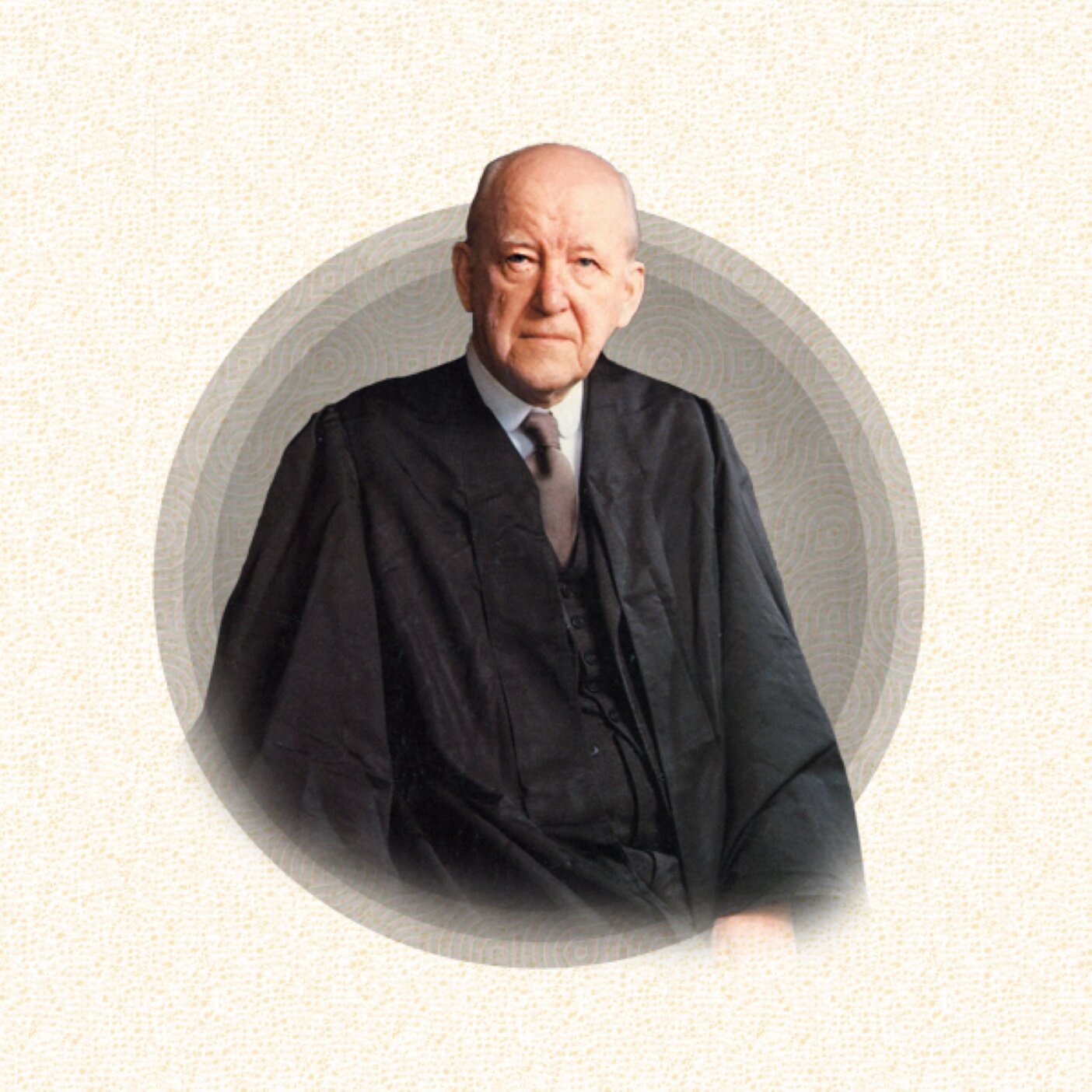
Christians often talk about the atoning death of Christ when in conversation about spiritual things. It is often mentioned regarding its relation to salvation. However, is it possible that it could mean even more? What is the impact it is supposed to have on the rest of one’s life? In this sermon on Ephesians 5:2 titled “The Atoning Work of Christ,” Dr. Martyn Lloyd-Jones instructs on how this verse and Christ’s atonement apply to the lives of believers even after they are saved. The Scriptures are never satisfied with a mere general statement about the love of God— as this verse demonstrates, God’s love is specifically written about in the Bible because the specific acts of God demonstrate His love. A person’s conduct is determined by their doctrine. Dr. Lloyd-Jones reminds that “as a man thinks, so is he.” Thus, one’s view of the doctrine of Christ’s atonement will have consequences for the Christian walk. In Christ’s atonement, one gains a clear example of the love of God. Dr. Lloyd
Matthew 25: 31-46 - 'I was naked and you clothed me; sick, and you visited me.' Catechism of the Catholic Church Paragraphs: - 544 (In 'The Kingdom of God is at hand') - Jesus identifies himself with the poor of every kind and makes active love toward them the condition for entering his kingdom (abbreviated) - 1033-1034 (in 'I Believe in Life Everlasting') - Our Lord warns us that we shall be separated from him if we fail to meet the serious needs of the poor and the little ones who are his brethren...Jesus often speaks of "Gehenna" of "the unquenchable fire" reserved for those who to the end of their lives refuse to believe and be converted, where both soul and body can be lost. Jesus solemnly proclaims that he "will send his angels, and they will gather . . . all evil doers, and throw them into the furnace of fire," and that he will pronounce the condemnation: "Depart from me, you cursed, into the eternal fire!" - 2447 (in 'Love for the Poor') - The works of mercy are charitable acti
How Do You Know It's God's Voice? The I Am and Sacred Echoes | Daily Devotional and Bible Study How do you know it's God's voice? He told me "I am," and the Word said the same thing, from Exodus 3:14 to John 8:58. It's Friday, so instead of a Bible study episode I'm sharing something that happened in my own life. I asked the Lord how He could be everywhere at once and with every generation after me, and He answered with two words, I am. Then I heard it again in my church's sermon. We walk through the seven I am statements in John, what each one reveals, and Jesus' claim in John 8:58, and we talk about how to recognize a word from God: it echoes, and it agrees with Scripture. Join me on an immersive Bible Study Experience. Learn more at BibleStudyLive.org (https://biblestudylive.org/) Have a question about the series or a prayer request? Ad-free episodes and the full library of past series: Patreon (https://www.patreon.com/c/HearingJesus) Questions we answer today How do you know it's G
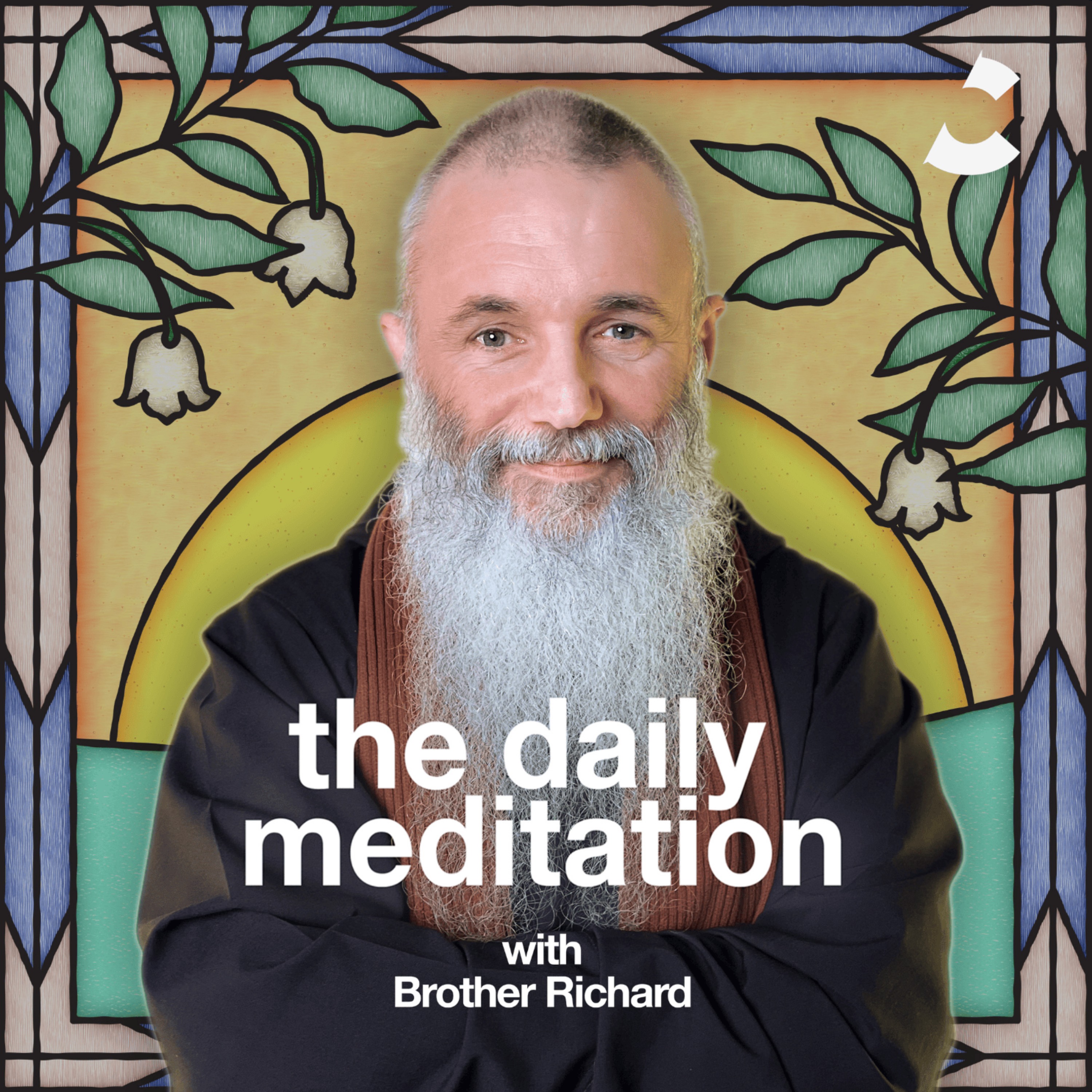
In this meditation, I invite you to reflect on the changing light of autumn as we move towards the darker days of winter. As the daylight hours grow shorter, we can sometimes feel that we are losing something. Yet the contemplative life invites us to receive each season as it is, discovering beauty and sacredness in the present moment. Beginning with the breath, we explore the difference between the changing light around us and the unchanging light of divine presence within. From the gentle light of morning to the lamps that illuminate our evenings, every expression of light becomes an invitation to awareness. As we breathe, we allow ourselves to be filled with divine light, offering compassion, peace and prayer to those in need. Chapters: 00:00 – Introduction: Autumn light 01:10 – Entering meditation with intention 01:58 – Relaxing the body and following the breath 02:48 – Returning to the present moment 03:12 – Becoming aware of the light within 03:40 – The gift of divine light 04:10
Saturday 21 November 2026 Welcome to the Saturday Examen. On Saturdays, we like to reflect back on the week just passed. This isn’t a memory test but instead a simple invitation to notice what we do remember with the help of the Holy Spirit, and under the loving gaze of God. We call this an examen prayer. Here’s a suggestion of an examen with pen and paper. Use your journal or a sheet of paper. You can pause to find them. Now draw two vertical lines to create three equal columns. Head the first column: ‘Life-giving’ and the last column: ‘Life-sapping’. The middle column doesn’t need a heading though you might want to invent one. Ask for God’s light as you review your week... Look back at your week starting exactly seven days ago. Consider work, leisure, people, places, activities, times of prayer and anything else that comes to mind. Note whatever comes and place it in one of the three columns... Some things may fit into more than one. When you’ve done this, look back at the page. Eith
The debate over Christian nationalism raises some uncomfortable questions about faith, politics, and the role of government. Al, Zach, John Luke, and Christian examine how Christianity transformed the Roman Empire and why the early church flourished despite intense persecution. The guys also revisit the Garden of Eden, questioning whether Adam's failure to protect Eve was the first sin and what his actions reveal about responsibility and obedience. They consider what history teaches us about the dangers of unchecked power and why Christians must put their allegiance to God's kingdom above any earthly government. In this episode: Genesis 2, verses 15–17; Genesis 3, verses 1–7; Daniel 2; John 1, verses 4–5; Matthew 5, verses 27–30; Matthew 28, verses 18–20; John 11, verses 49–52; Luke 23, verses 6–12; Galatians 3, verse 28; 1 Timothy 2, verses 11–14; Romans 13, verses 1–7 Today’s conversation is about Lesson 6 of Western Heritage: From the Book of Genesis to John Locke taught by various
As soon as someone says “generosity,” you probably think money. But according to the Bible, generosity is more radical than money. The Bible teaches that generosity should be pervasive in all parts of our lives. Money is only part of it. It’s possible to be financially generous and not radically generous. Because radical means the radix. It means the heart. It means the depth. We’re going to ask three things about this passage in Luke: 1) what is the source of radical generosity? 2) what is the sign of radical generosity? and 3) what is the key to becoming radically generous? This sermon was preached by Dr. Timothy Keller at Redeemer Presbyterian Church on September 30, 2012. Series: Generosity: Studies from the Gospel of Luke. Scripture: Luke 18:9-17.
The more we hear about Jesus, the more we’re faced with an important question: who do we actually think Jesus is? Many of us tend to sit on the fence without choosing one side or the other—we may not want to declare that he really is the Son of God, but neither do we want to call him a liar. But Jesus himself says we must choose. When he calls himself the “I Am,” he pushes us to one side of our fence or the other. How do we decide if Jesus is who he says he is? And if we decide he is, what does it mean for the way we live? Let’s explore the answers to three questions. 1) Who does Jesus think he is? 2) Who did his listeners think he was? And 3) Who do you think he is? This sermon was preached by Dr. Timothy Keller at Redeemer Presbyterian Church on December 20, 1998. Series: John – On Knowing the Christ. Scripture: John 8:31-36; 51-59.
As human beings, each of us not only experiences physical hunger, but spiritual hunger deep inside us. And it isn’t long before we find that whatever we try to fulfill ourselves with, whether it’s family, acceptance, money, or comfort, is never going to satisfy us. Jesus knows this all too well—and gives us a much better way to address our hunger. After he miraculously feeds thousands of people in the Book of John, Jesus points to himself as the real “bread of life” that will never leave us wanting. But how exactly do we find ourselves truly fed? Let’s look at how Jesus is 1) bread for the mind that engages our intellect, 2) bread for the body that shapes our actions and lives, and 3) bread for the heart that offers us eternal life. This sermon was preached by Dr. Timothy Keller at Redeemer Presbyterian Church on December 13, 1998. Series: John – On Knowing the Christ. Scripture: John 6:5-13; 32-35.
An essential service should remain open until a workable alternative is available.
Share your view, then see how readers voted. No sign-in required. This poll is shared across stories.
Do you agree or disagree?
Common Quandary
A Common Quandary to discuss
Another conversation to explore, separate from this news story.
An app can text exactly like someone you lost. Would you keep talking to it?
A service can create a conversational likeness from a deceased person's messages and recordings. A grieving family member finds it comforting, although the deceased never consented to this use of their data.
Can comfort justify creating a voice the dead never authorized?