Listen through the publisher, then discuss the episode here or arrange an in-person Roundtable. Your city determines where to meet.
Roundtables are designed for groups of four, with a shared subject and room for everyone to speak. Come for discussion, with no dating expectation.
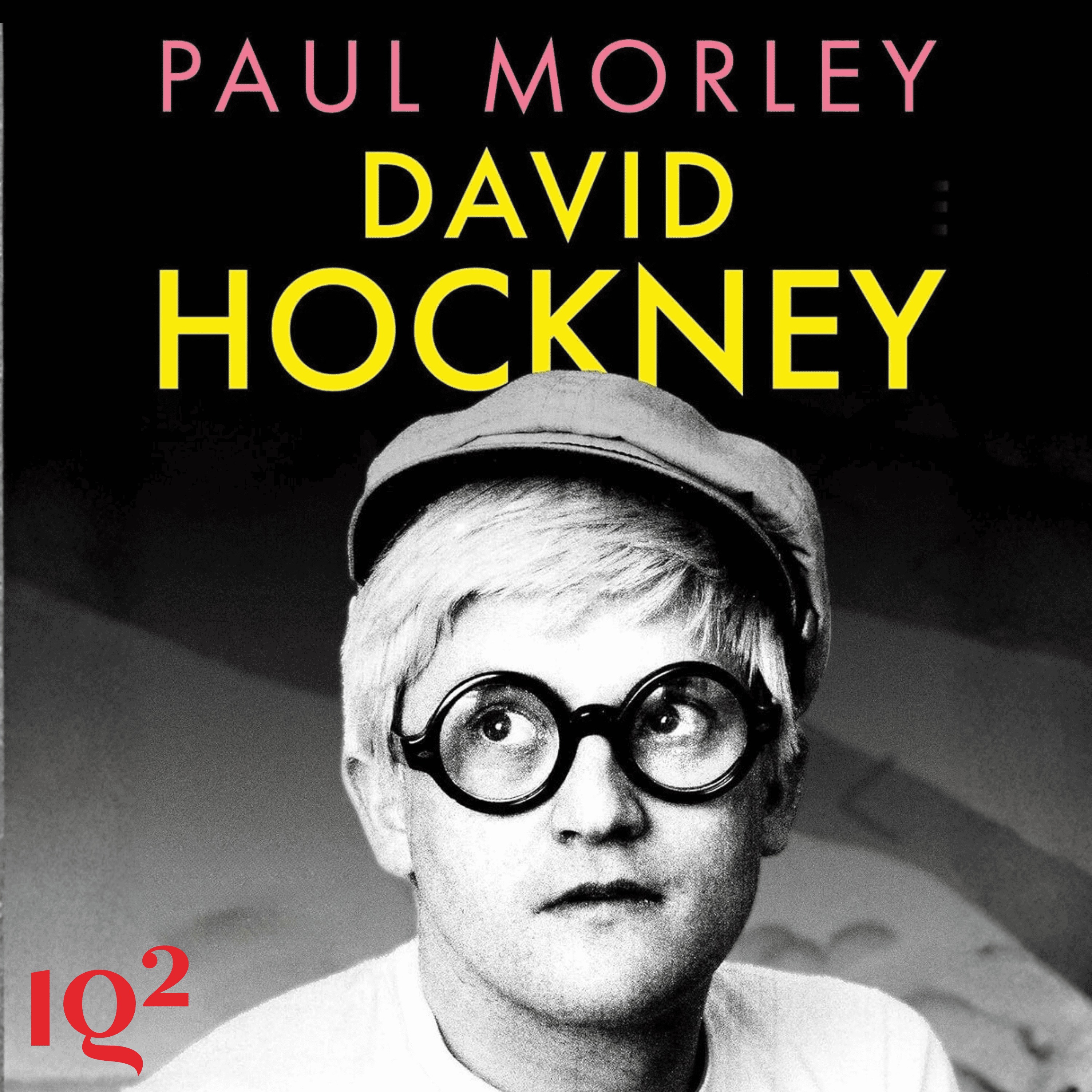
David Hockney created some of the most recognisable art pieces in the modern world. Everyone knows his evocative California swimming pools and Yorkshire landscapes; but this familiarity can obscure the restless reinvention that powered the artist behind them. In this episode, Mia Sorenti speaks with writer and cultural commentator Paul Morley about Hockney’s life through the places that shaped him: postwar Bradford, swinging London, Los Angeles, Paris, Yorkshire and Normandy. How did changing landscapes make Hockney the artist he was? How did he carry his northern identity into the wider world? And what does his life reveal about class, sexuality, technology and the changing character of Britain? Paul Morley is a writer and cultural commentator whose books include The North (And Almost Everything in It), From Manchester with Love and The Age of Bowie. His new biography is David Hockney: An Artist for Life. Mia Sorenti is Senior Producer at Intelligence Squared. Hosted on Acast.
Episode information is provided by the publisher. Listening takes place on the publisher’s service.
In this conversation I’m speaking to Rebecca Olive. Rebecca is a feminist cultural studies researcher whose work explores how everyday sport and leisure are shaped by cultural politics, relationships between humans and non-humans, environmental wellbeing, and social media. My understanding of her research is she looks very closely at why people do things that make up a culture, and the meaning of everyday practices in people’s lives. We chatted about why people are drawn to the ocean in the first place and what keeps us coming back. How swimming and surfing becomes more than recreation, and into an emotional relationship that shapes how we understand risk, shark risk, and our place in it. She also discusses how storytelling, social media and drone footage may influence our perception of danger and coexistence. Apologies, I’m a Bit under the weather in this one and in the opening couple of minutes, probably would have been a good idea to have the microphone turned on. Recorded at 3pm on
This week, producer Tim joins Nancy and Nick Clark for Eurotrash at the Young Vic, with Ben Whishaw and Kathryn Hunter as a son and mother on a deeply peculiar road trip through Switzerland, essentially two brilliant actors being very weird indeed. Then Nancy holds the fort for Eugene O’Neill’s Desire Under the Elms at the Almeida, after illness, flights and scheduling mishaps keep everyone else away. A farmer brings home a much younger wife, she falls for his son, and things go about as well as you’d expect in an O’Neill play. Plus, Nick Curtis talks to playwright extraordinaire Natasha Gordon as her superb debut play Nine Night returns at the Kiln. They discuss the Jamaican mourning tradition behind its story of family, grief and celebration, and Gordon sets the record straight about being called the first Black woman to have a play in the West End. And the ridiculously delightful Francesca Mills answers our five questions as she stars alongside Jill Halfpenny and Paul Chuckle in The
Merriam-Webster's Word of the Day for November 22, 2026 is: copacetic • \koh-puh-SET-ik\ • adjective Copacetic (less commonly spelled copasetic or copesetic) describes things that are very satisfactory. // Worry not: I assure you that everything’s copacetic. See the entry > (https://www.merriam-webster.com/dictionary/copacetic) Examples: “We will be blessed with a second lunar eclipse on this night, but it won’t quite be total: at maximum, a little more than 90 percent of the moon will fall into Earth’s shadow. The event will start at 10:35 P.M. EDT, and the maximum eclipse will occur just after midnight. It won’t be as cool as the March eclipse, but the timing will be a lot more copacetic.” — Phil Plait, Scientific American, 9 Jan. 2026 Did you know? Copacetic (with many variant spellings) is probably better known for competing theories of its origin than for any record of unconscious everyday use in American English. The first written occurrence of the word thus far detected (as copa
Jensen Huang stepped down as Nvidia CEO on November 12, 2026, after reports about an extramarital relationship with Alice Huang, a former senior executive at Megaspeed. U.S. intelligence reportedly viewed her as an asset working for Beijing. That allegation is not a conviction, and it is not the same thing as proof Nvidia secrets changed hands. Tony Brueski brings in retired FBI Special Agent Robin Dreeke, former leader of the bureau’s Counterintelligence Behavioral Analysis Program, for the question behind the headlines: how does somebody who helped build one of the world’s most important technology companies fail to recognize a possible intelligence threat in his personal life? Huang apologized to his family and Nvidia employees for infidelity. The board announced an outside investigation, while saying it knew of no reason to believe national security or proprietary information was compromised. Reuters subsequently reported that Huang had previously told Nvidia leaders his encounters
Join NCI University today to master human behavior and influence: Uploaded 13-05-20 Releasing soon: Narrated by: Isabelo E. Pascual The man who stands at gates of peace will never be known to any. His words, the swords that he'd release in the name and spirit of many. To guard their lives, I stand here now to watch over sea and land to persuade for peace, my solemn vow in the mind, I make my stand. These words I know and keep in shroud shall never see the light till country's call and kings have bowed and peace has more the might. History will come to show what most will surely find, the start and end of what we know begins within the mind.
This week, Kate is joined by her friend and fellow solo podcaster Madi Murphy of The Bad Broadcast. They get into how 45 minutes on the internet unraveled her Mormon upbringing, thought-stoppers like "doubt your doubts," Molly Mormons vs. Jack Mormons, and what it's like to watch the church relax the rules on the shoulders you spent your whole girlhood covering. Plus: Secret Lives of Mormon Wives OC, from the slicked-back buns to the self-proclaimed "emasculated" husbands, the lost art of complaining, and a Love/Hate featuring one toddler life hack you'll want to steal immediately. Enjoy! PRE-ORDER (https://www.google.com/url?q=https%3A%2F%2Fstatic.macmillan.com%2Fstatic%2Fsmp%2Fshe-let-herself-go-9781250434968%2F&sa=D&source=calendar&usg=AOvVaw0jHgJi17ziwPR4kj1rl89v&ust=1795461647781770) Kate's upcoming book, She's Let Herself Go (https://www.google.com/url?q=https%3A%2F%2Fstatic.macmillan.com%2Fstatic%2Fsmp%2Fshe-let-herself-go-9781250434968%2F&sa=D&source=calendar&usg=AOvVaw0jHgJi17
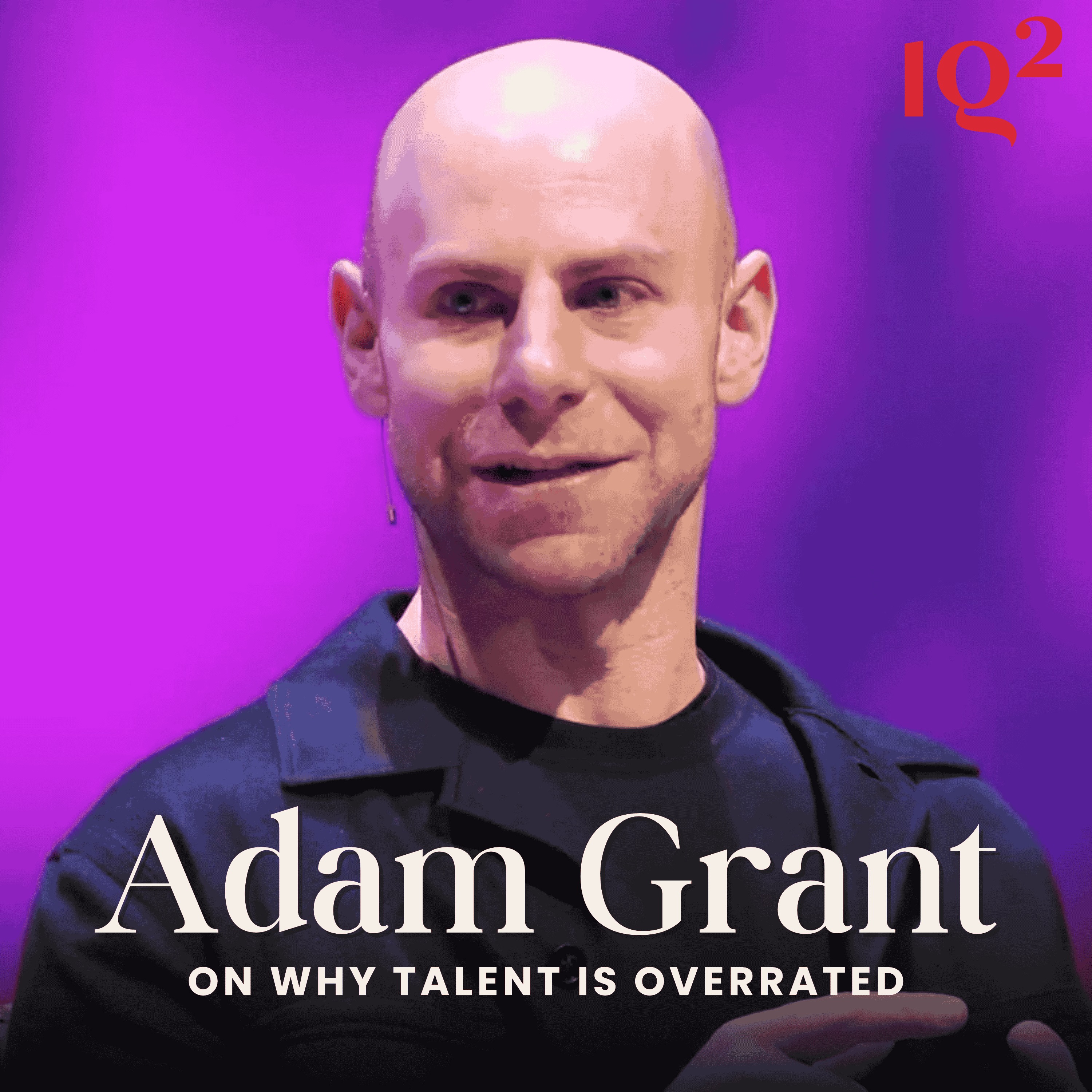
Adam Grant is one of the most sought after organisational psychologists in the world. He has provided expert advice to many of the world’s greatest business leaders, including Bill Gates and Sheryl Sandberg, equipping them with the mental tools to find motivation and meaning, rethink assumptions, and achieve greatness in their business and personal lives. In January 2024 Grant came to the Intelligence Squared stage for a rare, exclusive London event where he shared his revolutionary framework for how we can all exceed the expectations and aspirations we have set for ourselves. Drawing on his new book Hidden Potential he explained that despite living in a world that tends to admire people who start out with innate talent, there is clear scientific evidence that we can all bridge the biology gap and improve ourselves dramatically. In conversation with economist and FT columnist Tim Harford, Grant wove together groundbreaking evidence, surprising insights, and vivid story telling to take
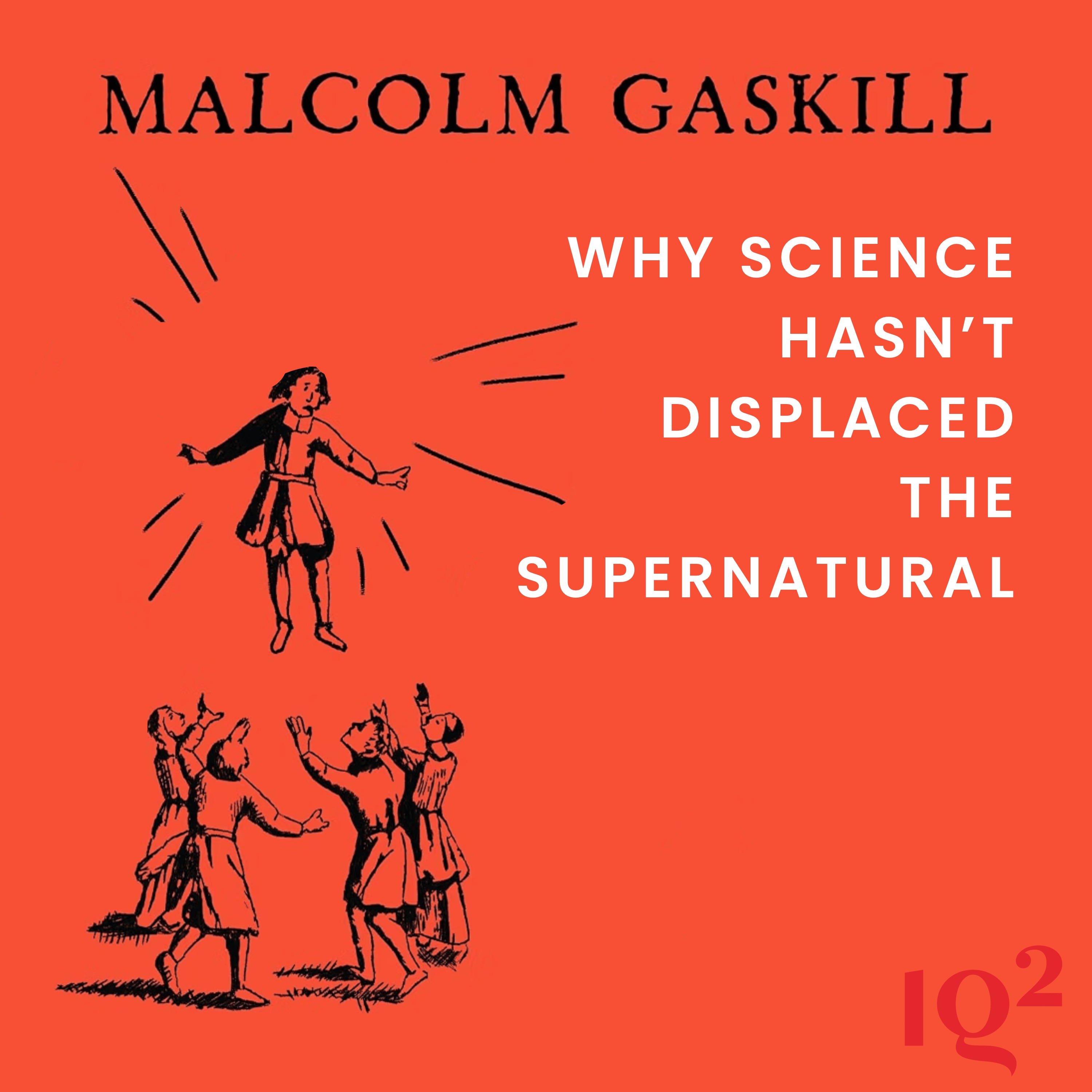
How do we make sense of the unseen? For centuries, the supernatural has offered ways to understand misfortune, find comfort and live with uncertainty. But its history is not simply a story of superstition giving way to reason. Why did people seek evidence in witchcraft trials? Can science and supernatural belief exist alongside one another? And what might today’s encounters with frontier technologies reveal to us about the persistence of the uncanny? In this episode, Margherita Volpato speaks with Malcolm Gaskill about his new book, Worlds of Fear and Wonder: Living with the Supernatural, Past and Present. Together, they explore the emotions behind supernatural beliefs that have shaped culture. They discuss Puritans searching for signs from God, the persistence of enchantment in the modern world and the uneasy relationship between technology and the uncanny. Malcolm Gaskill is Emeritus Professor of Early Modern History at the University of East Anglia and the author of seven books, inc
We live in a world designed to give us ever greater control. We can optimise our routines, monitor our bodies and manage almost every detail of our surroundings. But our pursuit of certainty may also be making us less able to face the parts of life we cannot predict. Are we becoming addicted to control? Why can uncertainty leave us feeling anxious, lonely or ashamed? And could surrender be a source of freedom rather than a sign of defeat? In this episode, Dr Güneş Taylor speaks with Stanford psychiatrist and addiction-medicine specialist Dr Anna Lembke about her new book, Radical Surrender: Letting Go in a World Addicted to Control. Drawing on neuroscience, clinical experience and her own encounter with loss, Lembke explains why accepting the limits of our control might help us find greater meaning and connection. Together, they explore what surrender means in a secular age and whether opening ourselves to uncertainty can change how we live. Dr Anna Lembke is a professor of psychiatry
Companies should be responsible for serious harm caused by suppliers they choose.
Share your view, then see how readers voted. No sign-in required. This poll is shared across stories.
Do you agree or disagree?
Common Quandary
A Common Quandary to discuss
Another conversation to explore, separate from this news story.
The night before the wedding, your friend admits serious doubts. Do you tell their partner?
On the night before a wedding, your closest friend says they are unsure they should marry but insists it is ordinary panic. They make you promise secrecy and plan to proceed. Their partner asks you directly whether everything is okay.
When does loyalty require breaking a confidence before an irreversible choice?