The Power of Making Healthy Food the Default Choice
50 min
Listen through the publisher, then discuss the episode here or arrange an in-person Roundtable. Your city determines where to meet.
Roundtables are designed for groups of four, with a shared subject and room for everyone to speak. Come for discussion, with no dating expectation.
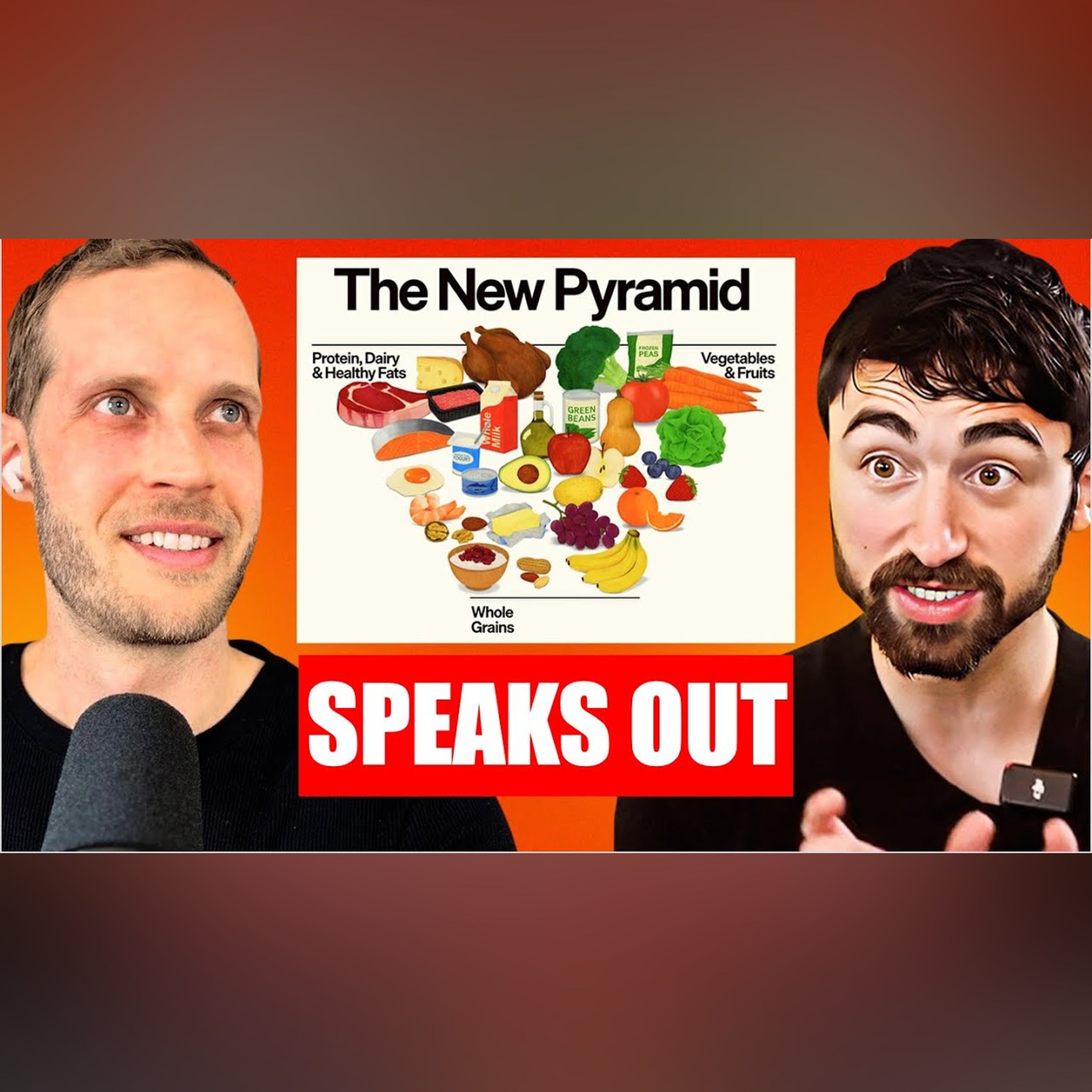
In this episode, I speak with Rachel Atcheson about changing food systems from within. Drawing on her work in New York City government, Rachel shares how plant-based meal programs in schools and hospitals made healthier choices more accessible while reducing costs and environmental impact. We discuss the power of changing default options, building unlikely partnerships, and taking patient, practical steps toward lasting policy change. Rachel also shares how Food Policy Pathways is preparing future leaders to advance a more regenerative food system. - - - - - About the Guest: Rachel Atcheson is the founder and Executive Director of Food Policy Pathways, an organization dedicated to cultivating the next generation of food and agriculture policy leaders. Previously, she served in several New York City government roles, including Deputy Director of the Mayor's Office of Food Policy, where she helped advance citywide nutrition initiatives and developed the country's first plant-based default meal program. Combining behavioral economics with nutrition science, Rachel has worked to make healthier, more sustainable food choices accessible through public policy and institutional change. Her work also brings together policymakers, business leaders, and innovators to advance solutions that connect human health, environmental sustainability, and food systems. Through Food Policy Pathways, she continues to mentor future leaders and build the partnerships needed to create a healthier, more regenerative food future. - - - - - Social Handles: Facebook: https://www.facebook.com/ratcheson/ Instagram: https://www.instagram.com/xvxrachel/?hl=en - - - - - The Plantrician Project Website: https://plantricianproject.org/ Instagram: https://www.instagram.com/plantricianproject/https://www.instagram.com/drscottstollofficial/ (https://www.instagram.com/drscottstollofficial) Facebook: https://web.facebook.com/plantricianproject/ - - - - - PODCAST Thank you for listening. Please subscribe and share. This podcast is produced by DrTalks.com
Episode information is provided by the publisher. Listening takes place on the publisher’s service.
A kiss can be wonderful. It can create an instant connection, spark romance, or make you feel closer to someone. But a kiss can also have the opposite effect — and sometimes ruin everything. So what makes kissing so powerful, and why can one kiss make such a difference? There's some fascinating science behind it. https://www.scientificamerican.com/article/why-we-kiss/ We spend an enormous amount of time worrying about what's going to change. What's next? What's coming? How do we prepare? But what if we're paying attention to the wrong things? Some of the most important forces shaping our lives never change, and understanding them may be far more valuable than trying to predict the future — something humans are notoriously bad at. Morgan Housel, partner at The Collaborative Fund and author of Same as Ever: A Guide to What Never Changes (https://amzn.to/3SwWn6u) (https://amzn.to/3SwWn6u)), joins me to explain why the things that stay the same may be the most important things to understan
For a written digest on the guidelines, see the StayCurious Metabolism Letter: https://staycuriousmetabolism.substack.com/p/the-new-dietary-guidelines-actually?r=40ekz2 The 2025–2030 Dietary Guidelines are being marketed as a major reset with a simple message: put “real food” back at the center of the American diet. And in a lot of ways, they do represent progress. But when you actually read what’s written, some of the most important details raise real questions. For example, the document still states that saturated fat should not exceed 10% of total daily calories. To separate signal from spin, I’m joined by Dr. Ty Beal PhD, who worked on the evidence review side of the Guidelines process, to explain what the scientific background documents actually say, what happens after scientists submit reviews, and why the final public-facing document can end up with compromises, inconsistencies, or imprecise terminology. If you want a clear, good-faith breakdown—what’s genuinely better, what sti
"The Big Secret" documentary portrays how the U.S. healthcare system was reshaped by corporate and pharmaceutical forces, replacing natural healing with a drug-centered, profit-driven medical monopoly The shift began with the Flexner Report, backed by Carnegie and Rockefeller interests, which redefined medical legitimacy and opened the door to corporate control over healthcare Modern medicine has wrongly vilified cholesterol, leading to widespread statin use that can undermine hormone health, cognitive function, and metabolic resilience Industrial agriculture, glyphosate, and processed foods strip essential minerals from the food supply. This has been linked to widespread nutritional deficiency and chronic disease across generations The real "big secret" is that health can restore itself once you eliminate what disrupts it and provide the inputs it's always required
Today, I’m honored to connect with Dr. Troy Badger. He is a board-certified cardiologist and interventionalist and the founder of Cardiostrong, a concierge preventive cardiology clinic in Provo, Utah, focused on reducing cardiovascular risk, optimizing metabolic health, and improving strength and cardiorespiratory fitness for executives and athletes. In today’s conversation, we discuss Dr. Badger’s gender- and age-specific approach to heart health, including treatment differences for men and women, and diagnoses such as INOCA, SCAD, vasospastic disease, and Takotsubo. We examine emotions and their influence on heart health, coronary ischemia and cardiomyopathies, labs and diagnostics, how Dr. Badger assesses risk in his patients, and the differences between a CAC and a CCTA. Dr. Badger also shares the labs he finds essential for all patients and discusses the role of VO2 Max, cardiovascular training, and lifestyle—specifically nutrition, the use of GLP-1 drugs, and a multidisciplinary
Today, Mel is taking 58 years of hard-earned life lessons and is packing them into under an hour, to save you some of the time, frustration, and worry it took her to learn them the hard way. In this episode, Mel is fielding real questions from listeners around the world. From making friends and bouncing back from rejection to feeling stuck in life and wondering if it's all going to work out, Mel is sharing the advice she wishes she'd known sooner. And she's not holding back. You'll hear Mel get personal about her own setbacks, and what she's learned about starting over, going after what you want, and trusting yourself when life doesn't go according to plan. You'll learn: -How to stop worrying about the future when nothing feels certain -How to make big life decisions, including whether or not to have kids -How to make new friends as an adult -What to do when you get rejected from your dream job -What to do when a friend ghosts you -How to stop procrastinating and finally follow through
The Game of Change is your key to unlocking potential and living the future now. In this motivational speech, discover how embracing change can propel you toward a life filled with purpose and fulfillment. We'll explore transformative strategies that empower you to take charge of your destiny and make impactful decisions today. Whether you're feeling stuck or looking for inspiration, this episode will guide you through practical steps to harness your inner strength and vision. Don't wait for the future—start living it now! Tune in and learn how to shift your mindset and create the life you truly desire. #motivation #personaldevelopment #changeyourlife #future #selfimprovement #inspiration #mindset #success #goalsetting #positivity the game of change, motivational speech, future now, personal growth, embrace change, unlock potential, self improvement, transform your life, motivational episodes, living in the now, success mindset, inspiration, positive thinking, life transformation, goal
In this episode, I talk with Allen Miner about how his mother's experience with plant-based eating and his own stage IV lymphoma diagnosis changed his understanding of nutrition and health. We explore his search for evidence-based lifestyle medicine, the challenges of introducing it in Japan, and his work with the Plantrician Project and Hokkaido University to help more clinicians discover the possibilities of food and lifestyle interventions. - - - - - About the Guest: Allen Miner is a technology entrepreneur and longtime business leader in Japan whose career has included introducing relational databases, cloud computing, and startup innovation to the country. Following his experience with stage IV lymphoma, he became an advocate for whole-food, plant-based nutrition and lifestyle medicine. As a board member of the Plantrician Project, he is working with Dr. Scott Stoll and partners in Japan to build connections with medical professionals and explore how lifestyle interventions can be
In this episode, I sit down with gastroenterologist Dr. Will Bulsiewicz to discuss why gut health involves more than food and fiber. We examine how stress, trauma, and the body's survival response can influence digestion, inflammation, and the gut microbiome. Will shares lessons from his mentor, Dr. Douglas Drossman, a remarkable patient experience, and his personal journey of reconnecting with his father. Together, we explore how emotional safety, compassion, meaningful relationships, and finding purpose can support healing. - - - - - About the Guest: Dr. Will Bulsiewicz, MD, also known as Dr. B, is a double board-certified gastroenterologist, gut health expert, and New York Times bestselling author of Fiber Fueled and The Fiber Fueled Cookbook. With over two decades of clinical experience, he combines microbiome science, nutrition, and lifestyle medicine to promote whole-person health. A graduate of Georgetown University School of Medicine, he completed his residency at Northwestern
Similar work should receive similar pay despite differences in workers' bargaining power.
Share your view, then see how readers voted. No sign-in required. This poll is shared across stories.
Do you agree or disagree?
Common Quandary
A Common Quandary to discuss
Another conversation to explore, separate from this news story.
Your friend is forty minutes late. Can the restaurant give away their chair?
A busy restaurant seats your group only after everyone arrives. One friend is forty minutes late and keeps texting that they are almost there. A couple waiting nearby could use the empty place, and the server asks your group to order without them.
How long should one person's delay control everyone else's evening?