The profound power of gratitude and "living eulogies" | Andrea Driessen (re-release)
16 min
Listen through the publisher, then discuss the episode here or arrange an in-person Roundtable. Your city determines where to meet.
Roundtables are designed for groups of four, with a shared subject and room for everyone to speak. Come for discussion, with no dating expectation.
Why do we often wait so long to recognize each other's gifts? Why are the truest compliments for the people we love often said only after they're no longer around to hear and savor them? Andrea Driessen makes the case for writing eulogies for the living, sharing the power of "Gracenotes" to offer connection on a deeper level and dispel any regrets of waiting until a loved one's death to appreciate their presence in your life. Hosted on Acast.
Episode information is provided by the publisher. Listening takes place on the publisher’s service.
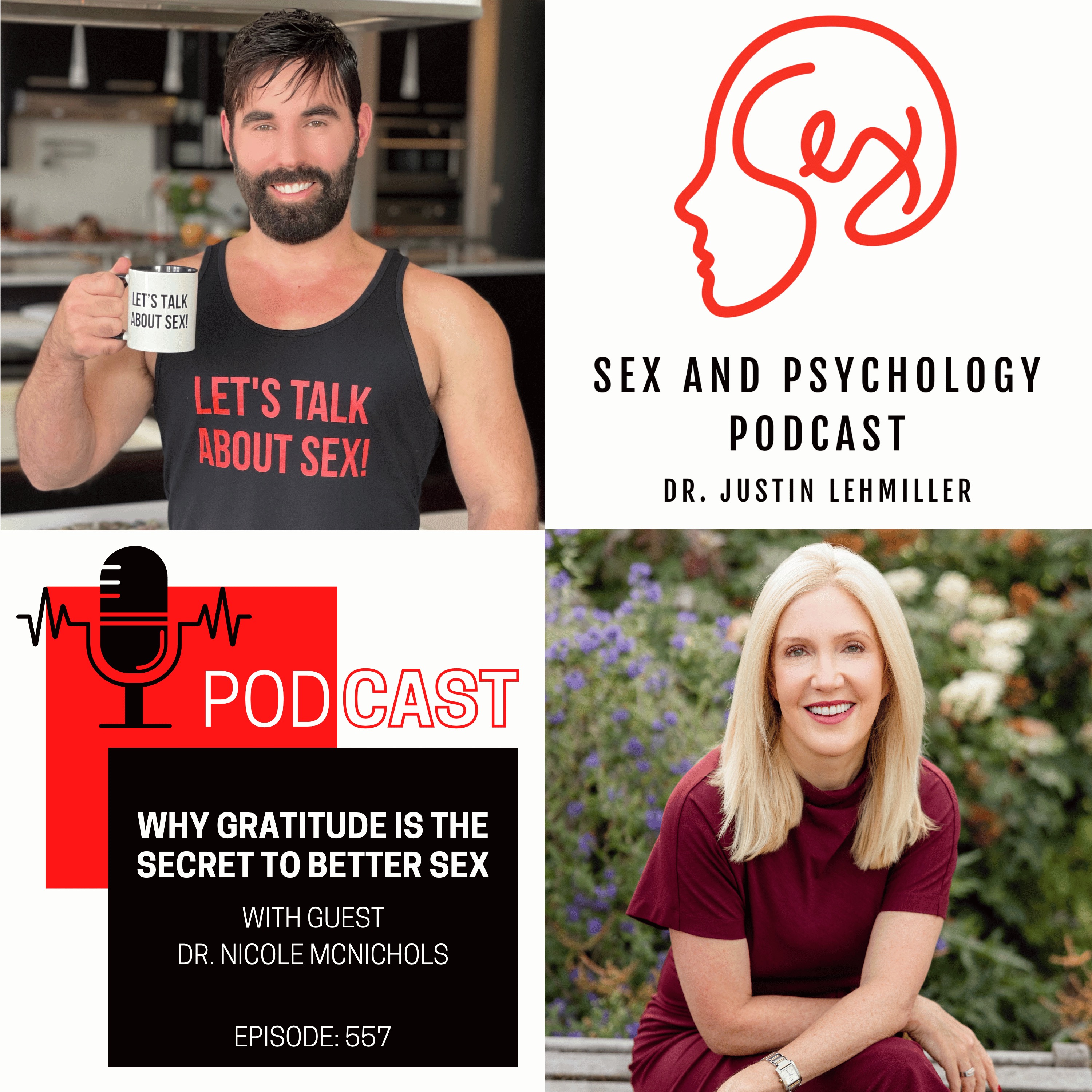
Thanksgiving is a time to reflect on the things we're grateful for, but when was the last time you stopped to appreciate your sex life? In this episode, we're exploring the surprising connection between gratitude and sexual desire. We'll discuss how feeling appreciated can strengthen intimacy, why gratitude can motivate us to be more attentive to our partners' needs, and simple ways to bring more appreciation into our sex lives without turning it into another obligation. I am joined once again by Dr. Nicole McNichols (https://nicolethesexprofessor.com/about-nicole/), an Associate Teaching Professor in the Department of Psychology at the University of Washington. Nicole's course, "The Diversity of Human Sexuality," is the largest and most popular course in the university's history with four thousand enrolled students each year. Nicole is author of the book You Could Be Having Better Sex. (https://link.amazon/B0iYWx0Q4) Some of the specific topics we cover include: What does it mean to p
THE REBOOT STARTS HERE: THE NCI MASTERCLASS: https://nci.university/opt-in-page-page#section-wpA9enoZu (https://nci.university/opt-in-page-page) Uploaded 29-10-25 You’ve punished yourself long enough. Once you see that guilt isn’t morality, it’s control, you start to wake up. Until you forgive yourself fully, you’ll keep living like you’re on trial for being human. All that shame you carry? It’s not virtue. It’s vanity in disguise. Real goodness doesn’t come from self-hatred — it comes from presence. Every moment you choose to love yourself instead of blame yourself, you dismantle the entire system that profits from your guilt. God isn’t judging you. God is breathing through you, learning through you, forgiving through you. Only when you stop apologizing for existing will you understand what freedom actually feels like. Drop the story. You are already forgiven — because you were never condemned. Guilt isn’t goodness — it’s a cage we decorate and call virtue. Most people don’t even real
This is our unabridged interview with Robert Waldinger and Marc Schulz. For all our modern so-called progress, global happiness levels have been consistently going down, especially in the richest and most developed countries. So what does it really take to be happy? Since 1938, Harvard scientists have been closely studying the lives of over 700 individuals to answer that very question. In this episode, two of those scientists - Robert Waldinger and Marc Schulz - discuss the surprising results of what is known as the “World’s Longest Study of Happiness,” and why they are consistently finding that meaningful relationships are the key to living a long, happy, flourishing life. Show Notes, Resources, and Transcript for the abridged Holiday Gratitude Special (https://nosmallendeavor.com/holiday-gratitude-special-2026) Thank you to our sponsors: The Wonder Project: Subscriber support makes more great content like I Gotta Ask with Annie F. Downs possible. The Wonder Project subscription on Pr
Sometimes the most thoughtful gifts are the ones you know will be used—especially if they actually fit the needs and desires of the person receiving them. Mari Uyehara from Wirecutter’s gifting team explains how to find the sweet spot between useful and delightful, with ideas for all kinds of people, budgets, and situations. From food and drinks that won't clutter a small apartment to clever gifts for tech lovers and frequent travelers, Mari shares how to give people things they'll genuinely appreciate. She also makes a compelling case for cash, repeat gifts, and how a bidet can make a life-changing gift for the right person. This episode covers: How to find the gaps in someone's everyday life. The best practical gifts come from knowing someone well enough to identify something that would make their routine easier or better. Why it's okay to give someone the same gift every year. If a person loves a particular kind of sock, bourbon, maple syrup, or chocolate, gifting them these items c
We last left off looking at the life of Judas, the one who betrayed Jesus. How his unbelieving heart was available for the schemes of Satan and he was used as a tool for evil. And also how Jesus knew it all along. He was never fooled by Judas, however Jesus’ love for him was the same. There was nothing fake in Jesus. He didn’t speak words just to make someone feel good. He didn’t play a part or pretend. Jesus was real. He chose all 12 of his disciples intentionally with the divine direction of God the Father. He shared his life fully with all 12 of them. He held nothing back. When he washed their feet, he washed Judas’ feet as well as an act of love. Jesus could have so easily said, NOT YOU, JUDAS. I won’t wash your feet. You don’t believe in me, so I will not serve you. You are about to betray me, so I won’t bless you. No food for you. No seat for you. But he didn’t. Jesus gave him his seat. Jesus offered him his food. Jesus washed his feet. All while he knew of the pending betrayal t
Happy Friday EIChicken Nuggets… Whether you’re listening at dawn, dusk, twilight, or golden hour… we’re back with another episode of your favourite pop culture and society podcast. Beth and Ruchira have been gamer girls this week, we’re diving into a million-dollar podcasting betrayal and Oenone is finally borrowing Ruchira’s Hayu login! Are we living in a simulation? Are the aliens playing a prank on us? TikTok creator Max Balegde has been discussed in Parliament this week after filming a lip-sync outside Number 10. Does the story actually warrant the coverage? Florence Pugh has spoken out against speculation around her getting cosmetic surgery. What did you make of her statement and could she have gone further for the greater good? Courtesy of The New Yorker, we’re wading back into the heteropessimism discourse. Is there any real merit in relationship advice? And what even is memetic desire? Finally, we’re talking about The Body Netflix’s new sapphic Catholic psychological drama. Wit
The one thing all humans have in common is that each of us wants to be happy, says Brother David Steindl-Rast, a monk and interfaith scholar. And happiness, he suggests, is born from gratitude. An inspiring lesson in slowing down, looking where you're going, and above all, being grateful. Hosted on Acast.
As a death doula, or someone who supports dying people and their loved ones, Alua Arthur spends a lot of time thinking about the end of life. In a profound talk that examines our brief, perfectly human time on this planet, she asks us to look at our lives through the lens of our deaths in seeking to answer the question: "What must I do to be at peace with myself so that I may live presently and die gracefully?" Hosted on Acast.
When a psychologist who studies well-being ends up with a brain tumor, what happens when she puts her own research into practice? Christina Costa goes beyond the "fight" narrative of cancer — or any formidable personal journey — to highlight the brain benefits of an empowering alternative to fostering resilience in the face of unexpected challenges: gratitude. Hosted on Acast.
Security claims about important digital products should face independent testing.
Share your view, then see how readers voted. No sign-in required. This poll is shared across stories.
Do you agree or disagree?
Common Quandary
A Common Quandary to discuss
Another conversation to explore, separate from this news story.
The touchscreen asks for a 25% tip while the cashier watches. What do you press?
At a counter-service shop, you place your own order, collect it, and clear the table. The payment screen suggests a twenty-five percent tip while an employee watches you choose.
When does a voluntary custom become an unfair social demand?