The Triumph of the Lamb, Vol.2: The Beginning of Woes
24 min
Listen through the publisher, then discuss the episode here or arrange an in-person Roundtable. Your city determines where to meet.
Roundtables are designed for groups of four, with a shared subject and room for everyone to speak. Come for discussion, with no dating expectation.
What are the locusts that rise from the bottomless pit in Revelation 9? Studying Revelation 8:13–9:11, Dr. John Neufeld explains the fifth trumpet and its three elements: the star fallen from heaven, the bottomless pit, and the locusts released. These locusts are the demonic hordes, led by Satan. But those who bear God’s seal are protected, so put your hope in Him, not in this world. The Triumph of the Lamb, Vol.2: In The Triumph of the Lamb, Vol. 2, Dr. John Neufeld works through Revelation 6–11. The study covers the breaking of the seven seals, the sounding of the seven trumpets, the sealing of the 144,000, and the two witnesses. These chapters show that God’s final judgment and the coming of His Kingdom are certain, and that He protects His own through it all. They also remind us that the wars, hardship, and persecution of our own day are no surprise to God, and that history remains in the hands of the Lamb.
Episode information is provided by the publisher. Listening takes place on the publisher’s service.
Sunday 22 November 2026 Today is Sunday the 22nd of November, the solemnity of Our Lord Jesus Christ, King of the Universe, beginning the 34th week of Ordinary Time. In the scripture we will pray with today, we hear of Jesus’ deep desire for us to love and serve those in need. As you hear Madison Cunningham with The Porter’s Gate singing, ‘Little Things with Great Love’, how does this song speak to you? In the garden of our Savior, no flower grows unseen; His kindness rains like water on every humble seed. No simple act of mercy escapes His watchful eye — for there is One who loves me: His hand is over mine. In the kingdom of the heavens, no suffering is unknown; each tear that falls is holy, each breaking heart a throne. There is a song of beauty on every weeping eye — for there is One who loves me: His heart, it breaks with mine. Oh, the deeds forgotten; oh, the works unseen, every drink of water flowing graciously, every tender mercy, You’re making glorious. This You have asked us:
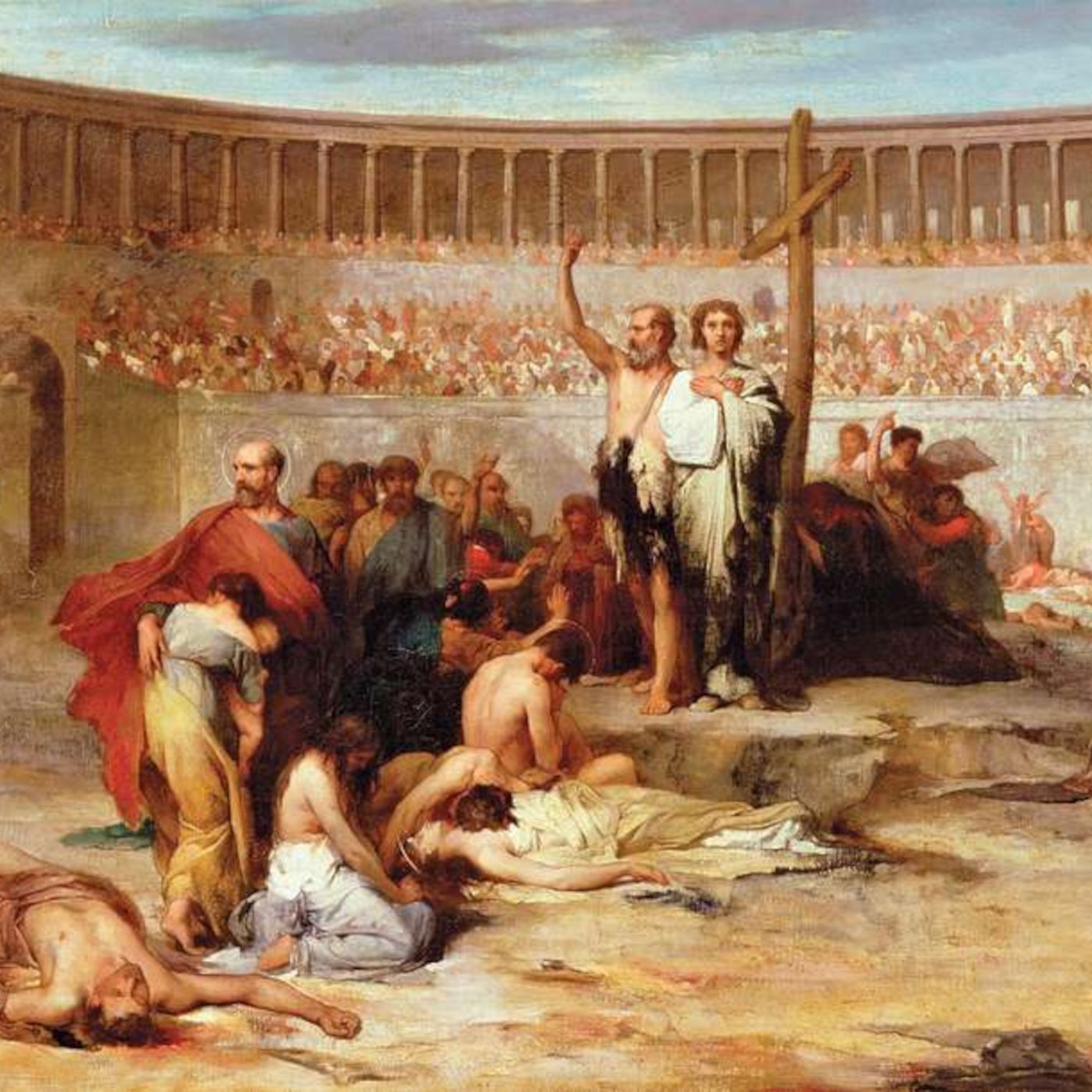
Read Online (https://catholic-daily-reflections.com/2026/11/24/the-glory-of-martyrdom/) The Glory of Martyrdom Jesus said to the crowd: “They will seize and persecute you, they will hand you over to the synagogues and to prisons, and they will have you led before kings and governors because of my name. It will lead to your giving testimony. Remember, you are not to prepare your defense beforehand, for I myself shall give you a wisdom in speaking that all your adversaries will be powerless to resist or refute.” Luke 21:12–15 Jesus does not promise us a life of worldly comfort. In fact, He promises the opposite. Today’s Gospel, spoken during the final days of His public ministry, exhorts His disciples to prepare for persecution. Jesus describes the end times, warning that “Nation will rise against nation, and kingdom against kingdom,” and that there will be “powerful earthquakes, famines, and plagues… awesome sights and mighty signs” (Luke 21:10–11). If that weren’t enough to stir fear i
Who is a God like you? ️ In this week's episode of Don't Miss This, we dive into Micah, Nahum, Habakkuk, and Zephaniah as part of our Come, Follow Me study for November 30–December 6. Through the words of these Old Testament prophets, we discover a God who is perfectly just, endlessly merciful, and always faithful to His promises. Even in times of uncertainty, wickedness, and hardship, these scriptures remind us that the Lord is aware of His children and offers hope to those who turn to Him. Join us as we explore what these prophetic messages teach us about trusting God's timing, finding peace through Jesus Christ, and recognizing His incredible love and mercy in our own lives. Scriptures: Micah; Nahum; Habakkuk; Zephaniah Come, Follow Me: November 30–December 6 ️ Lesson: Who Is a God Like You #dontmissthis #comefollowme Sign-up link in bio if you haven’t had a chance yet!! Instagram: @dontmissthisstudy Podcast: Don’t Miss This Study Facebook: Don’t Miss This Study Follow Grace Instagr
“What is a NAR song?” After I mentioned NAR worship music in a recent episode, that was the question I kept seeing in the comments. So I invited Holly Pivec, coauthor of Counterfeit Kingdom, to help answer it. Holly explains what the New Apostolic Reformation teaches about modern-day apostles and prophets, and we look at how those beliefs can show up in worship lyrics. We discuss songs like “I Speak Jesus” and Bethel Music’s “Champion,” why phrases like “bringing heaven to earth” can mean different things to different people, and whether it matters who wrote a song if the lyrics sound biblical. We also talk through three ways churches can approach this question, what worship leaders can ask before putting a song on the Sunday set list, and how pastors can care for people who have experienced spiritual abuse in NAR churches. ----------------------------------------------------------------- This video is sponsored by: SEVEN WEEKS COFFEE Taste the Coffee that is Saving Lives. Go to http:/
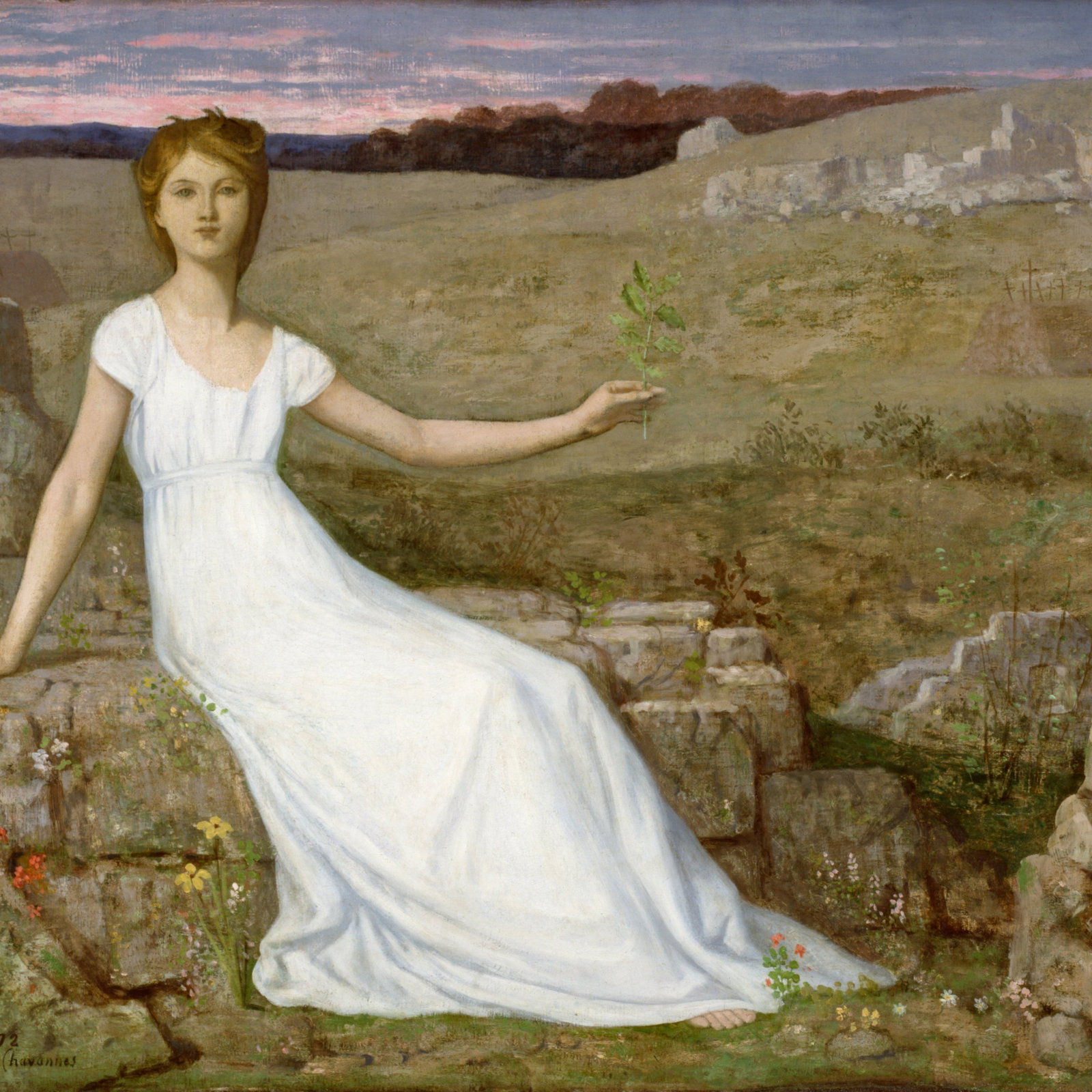
Defining the theological virtue of hope as a resilient disposition of the will, Prof. David Elliot illustrates how reliance on God's grace and our natural longing for happiness can sustain us in our journey to our heavenly homeland. This lecture was given on September 4th, 2026, at Dominican House of Studies. About the Speaker: David Elliot is the Grace P. Hobelman Endowed Chair in Catholic Moral Theology at The Catholic University in Washington, DC, specializing in St. Thomas Aquinas, moral theology, virtue ethics, and scholastic theology. He received his Ph.D. in moral theology at the University of Notre Dame in 2014, was awarded a 3-year postdoctoral position in Theological Ethics at Cambridge University, and came to CUA in 2017. He has published widely on topics such as virtue ethics, the theological virtue of hope, growth in Christian virtue, "spiritual training" or Thomistic asceticism, grace and the moral life, the history of Latin scholastic theology, art and morality, sexual e
What if one of the most powerful things we can do in the face of fear is simply give thanks? In this special Thanksgiving episode of Heaven Meets Earth, Abby shares a personal story of a frightening situation that could have ended very differently. But in the midst of uncertainty, she felt the Holy Spirit prompting her to do something unexpected: stop focusing on what could go wrong and start thanking God for who He is. As she began thanking the Lord for His protection, His presence, and His miracle-working power, she witnessed His faithfulness in an extraordinary way. God provided everything she needed, protected her, and turned a moment of fear into a powerful testimony of His goodness. This Thanksgiving, be encouraged to cultivate a heart of gratitude not just for what God has already done, but for who He is and what He is still doing. From the smallest details to life’s biggest challenges, He is present, powerful, and at work in ways we may not even realize. Sometimes the most powe
What happens when the water stops flowing from our taps? Working through Revelation 8:6–12, Dr. John Neufeld shows how the first four trumpets echo the plagues of Egypt, striking the land, the sea, fresh water, and light, and warns against reading modern theories into the text instead of letting John speak for himself. Behind these judgments lies a world that refused to give God thanks. The Triumph of the Lamb, Vol.2: In The Triumph of the Lamb, Vol. 2, Dr. John Neufeld works through Revelation 6–11. The study covers the breaking of the seven seals, the sounding of the seven trumpets, the sealing of the 144,000, and the two witnesses. These chapters show that God’s final judgment and the coming of His Kingdom are certain, and that He protects His own through it all. They also remind us that the wars, hardship, and persecution of our own day are no surprise to God, and that history remains in the hands of the Lamb.
Do your prayers for justice really matter to God? Looking at Revelation 8:1–5, Dr. John Neufeld explains that when the Lamb breaks the seventh seal, heaven falls silent as the Day of the Lord begins, and that the fire hurled to earth from the altar of incense shows judgment coming in answer to the prayers of God’s people. He has heard every prayer prayed in righteousness. The Triumph of the Lamb, Vol.2: In The Triumph of the Lamb, Vol. 2, Dr. John Neufeld works through Revelation 6–11. The study covers the breaking of the seven seals, the sounding of the seven trumpets, the sealing of the 144,000, and the two witnesses. These chapters show that God’s final judgment and the coming of His Kingdom are certain, and that He protects His own through it all. They also remind us that the wars, hardship, and persecution of our own day are no surprise to God, and that history remains in the hands of the Lamb.
Will only a handful of people make it to heaven? Studying Revelation 7:9–17, Dr. John Neufeld shows that the white-robed multitude from every nation stands before the throne only because their robes are washed in the blood of the Lamb, since Christ’s death alone satisfies the righteous demands of God. Each of us must choose between comfort in this life and comfort in the life to come. The Triumph of the Lamb, Vol.2: In The Triumph of the Lamb, Vol. 2, Dr. John Neufeld works through Revelation 6–11. The study covers the breaking of the seven seals, the sounding of the seven trumpets, the sealing of the 144,000, and the two witnesses. These chapters show that God’s final judgment and the coming of His Kingdom are certain, and that He protects His own through it all. They also remind us that the wars, hardship, and persecution of our own day are no surprise to God, and that history remains in the hands of the Lamb.
Wider communities should help fund hazard protection even when only some properties directly benefit.
Share your view, then see how readers voted. No sign-in required. This poll is shared across stories.
Do you agree or disagree?
Common Quandary
A Common Quandary to discuss
Another conversation to explore, separate from this news story.
One friend is rich, one is broke, and everyone ordered differently. How do you split dinner?
A group of longtime friends traditionally divides restaurant bills equally. Their incomes have grown increasingly unequal, and one friend now declines gatherings because even their share is difficult to afford while others order without thinking about price.
When should friendship adjust for differences in wealth?