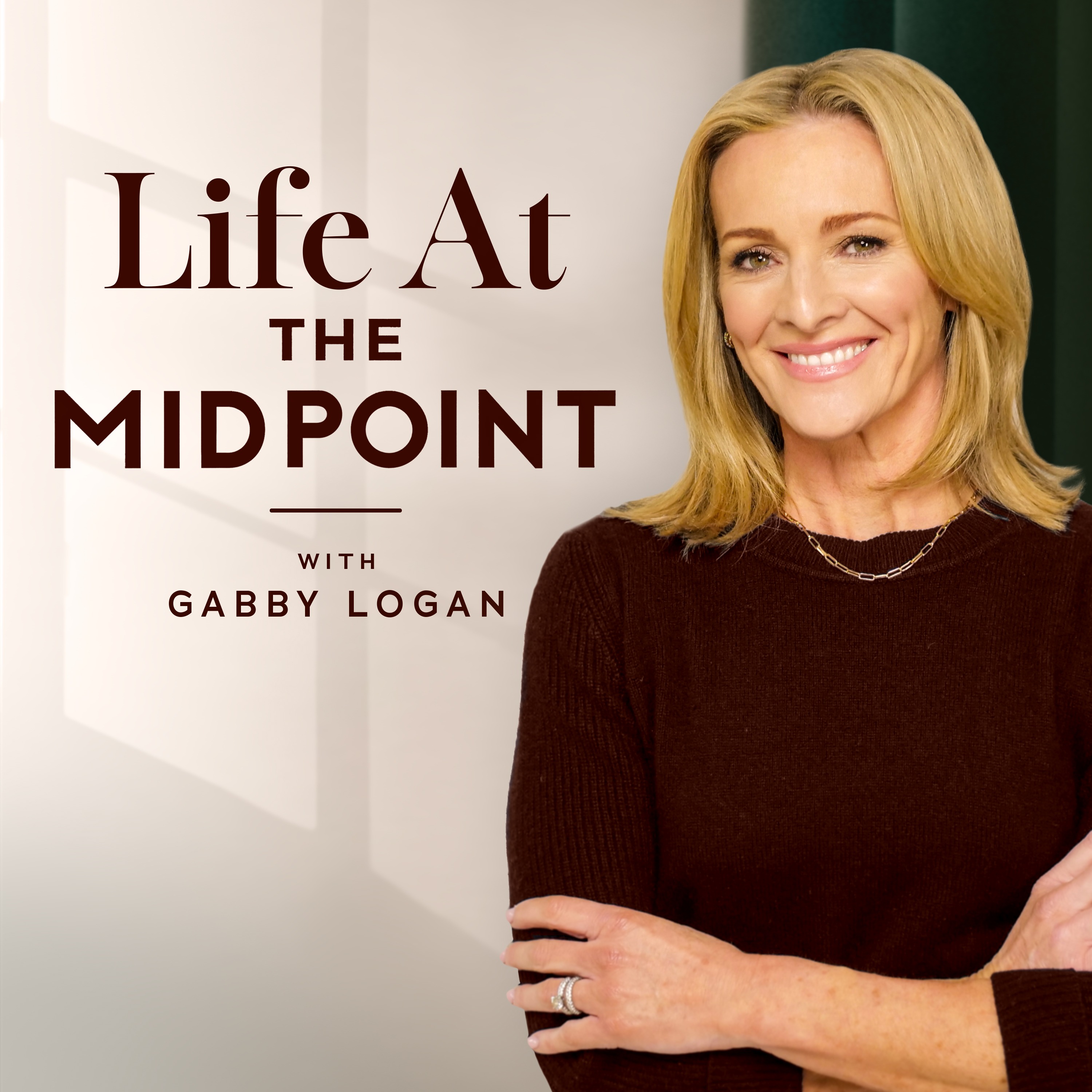
Listen through the publisher, then discuss the episode here or arrange an in-person Roundtable. Your city determines where to meet.
Roundtables are designed for groups of four, with a shared subject and room for everyone to speak. Come for discussion, with no dating expectation.
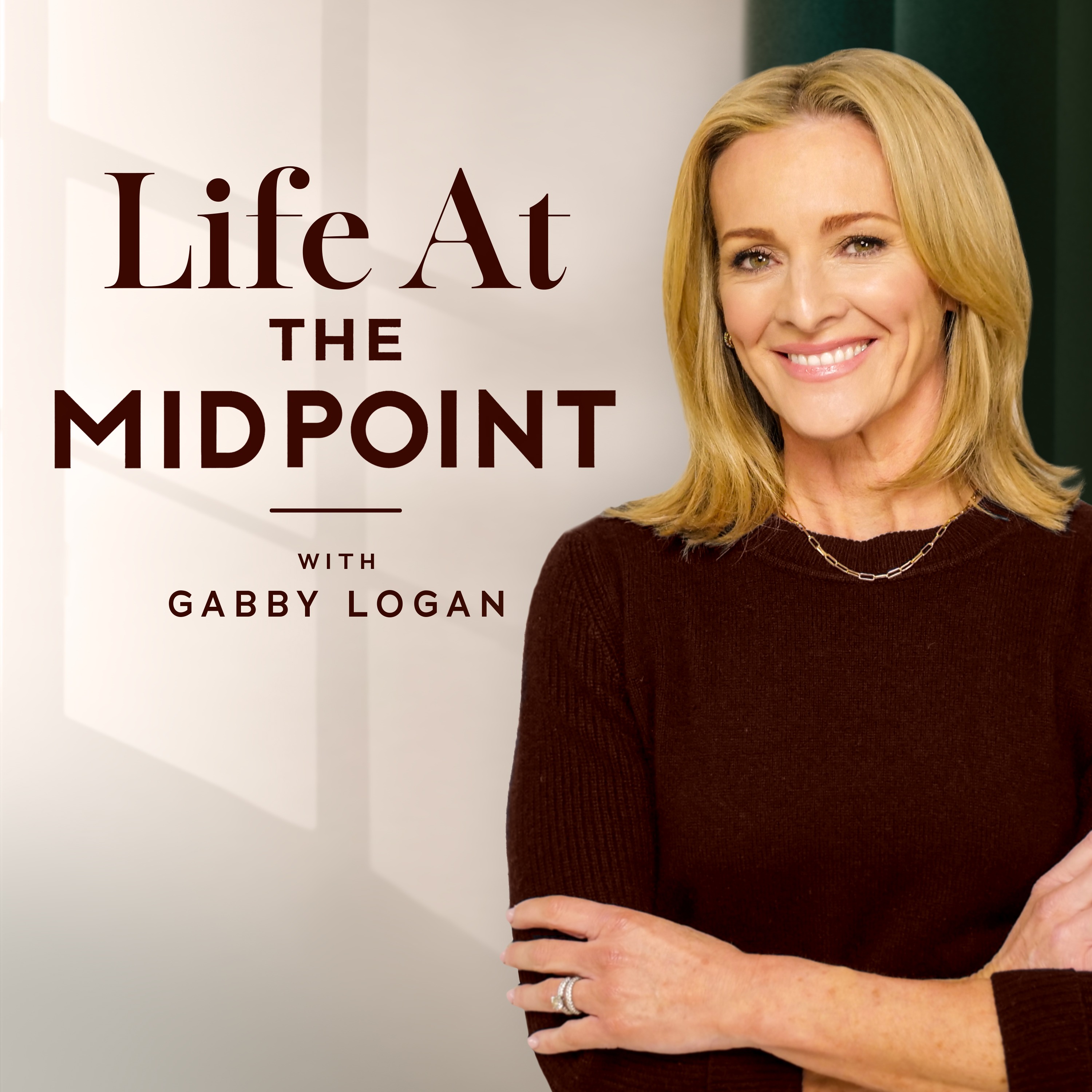
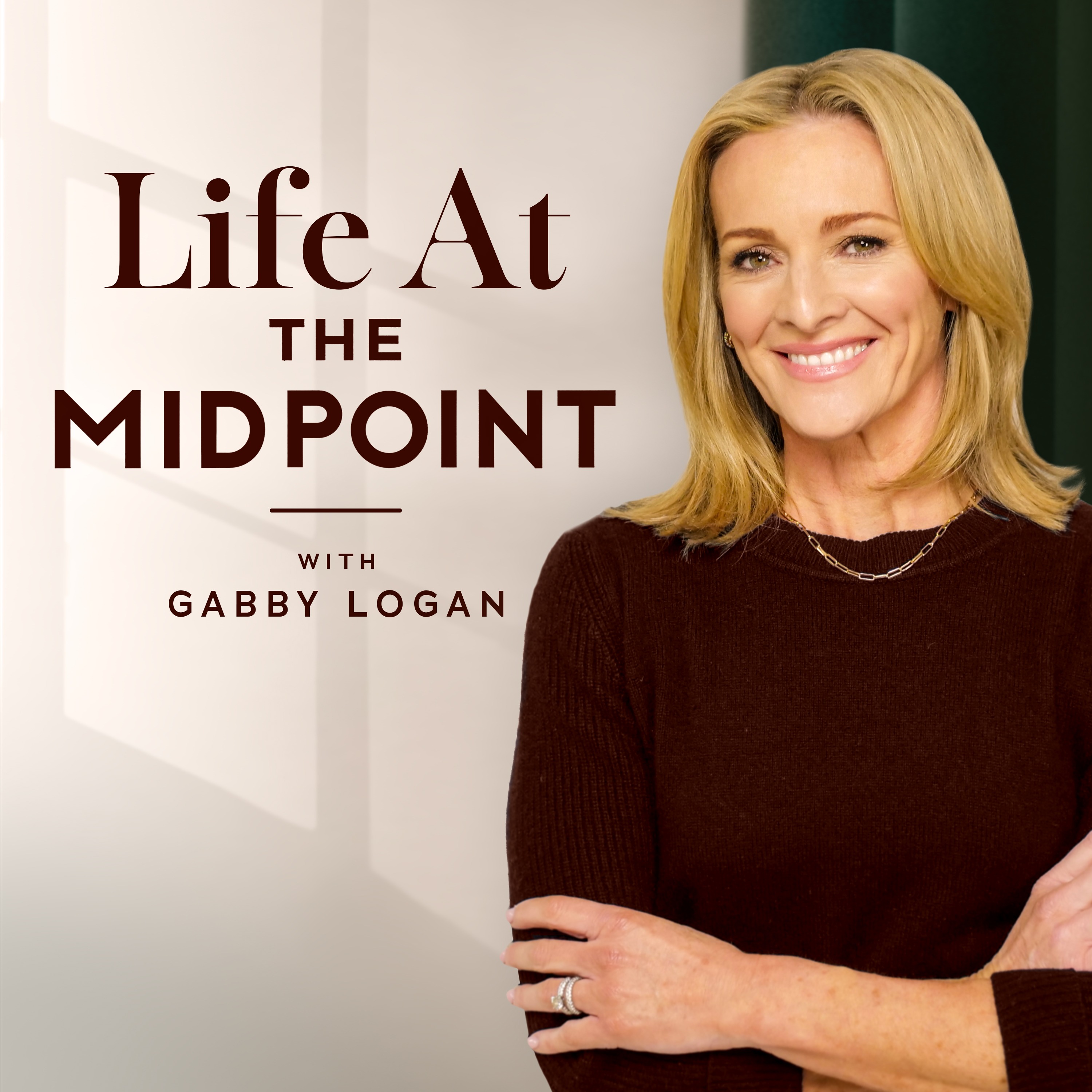
Gabby explores the realities of parenting, sharing the mottos and advice you’ve sent in and asking what it really means to get it right as a parent. Reflecting on her own experiences, she considers the guilt we carry, and how our approach to parenting changes as our children grow up. Hosted on Acast.
Episode information is provided by the publisher. Listening takes place on the publisher’s service.
A kiss can be wonderful. It can create an instant connection, spark romance, or make you feel closer to someone. But a kiss can also have the opposite effect — and sometimes ruin everything. So what makes kissing so powerful, and why can one kiss make such a difference? There's some fascinating science behind it. https://www.scientificamerican.com/article/why-we-kiss/ We spend an enormous amount of time worrying about what's going to change. What's next? What's coming? How do we prepare? But what if we're paying attention to the wrong things? Some of the most important forces shaping our lives never change, and understanding them may be far more valuable than trying to predict the future — something humans are notoriously bad at. Morgan Housel, partner at The Collaborative Fund and author of Same as Ever: A Guide to What Never Changes (https://amzn.to/3SwWn6u) (https://amzn.to/3SwWn6u)), joins me to explain why the things that stay the same may be the most important things to understan
Listen to the full 1 Hour plus Between Friends episode. Go Directly to this Patreon Episode "I Just Need Everyone to Go Away plus Unicorn Lifeguards, Stalkers, Trauma and Me Fully Melting Down" Picture this: Your houseguest arrives in an hour, the furniture delivery is a disaster, and the bed is in the WRONG room! Chalene shares the hilarious chaos of trying to move a massive bed herself, in a tight dress and heels, while Bret gets sent on an emergency hardware store run. But just when they think they've got it handled, things take a painful turn! This story is part of The Saturday Spill series a little peek into the wild, unfiltered stuff that usually stays on Patreon. Some weeks it's hilarious, some weeks it's jaw-dropping, but it's always real life that doesn't quite fit on the regular show. If you're into a little chaos and behind-the-scenes tea, you're in the right place. If you love it, amazing…you can listen to the full, unedited version here https://Chalene.com/more (https://ww
PBS Member Stations rely on viewers like you. To support your local station, go to: http://to.pbs.org/DonateSPACE ↓ More info below ↓ Uploaded 31-03-20 Sign Up on Patreon to get access to the Space Time Discord! Check out the Space Time Merch Store Normal maps are useless inside black holes. At the event horizon - the ultimate point of no return as you approach a black hole - time and space themselves change their character. We need new coordinate systems to trace paths into the black hole interior. But the maps we draw using those coordinates reveal something unexpected - they don’t simply end inside the black hole, but continue beyond. In these maps, black holes become wormholes, and new universes lie on the other side. Hosted by Matt O'Dowd Written by Matt O'Dowd Graphics by Leonardo Scholzer, Yago Ballarini, and Pedro Osinski Directed by: Andrew Kornhaber Executive Producers: Eric Brown and Andrew Kornhaber End Credits Music by J.R.S. Schattenberg: https://www.youtube.com/channel/U
Access the masterclass instantly for free: https://nci.university/learn Uploaded 10-01-26 Your goals don’t fail because you lack discipline — they fail because they were aimed at the wrong system. Optimizing behavior without fixing brain chemistry is like issuing commands to a damaged machine. Until the chemical environment is right, effort just increases friction and burnout. All goals live in the conscious mind — but control does not. Real behavior is governed by the mammalian brain, the ancient systems that decide safety, threat, and energy allocation. Every resolution collapses when those lower systems detect risk, even if you consciously “want” the outcome. Goal-setting ignores this hierarchy — and that’s why it keeps failing. Once you target the parts of the brain actually in charge, change stops feeling like force. Discipline becomes unnecessary when the system itself is aligned. Please note that the content provided in this broadcast is for informational and educational purpose
Take a walk through the woods to a special place. It's a secret hideaway of your own, far away from the hustle and bustle of everyday life. Here you can really relax. Everything you need is here for you, including a large garden that needs your love and attention. Grow what you wish here, because everything thrives here and receives everything it needs for a wonderful harvest. Background Music "The Light Walkers" by Christopher Lloyd Clarke provided under license by www.EnlightenedAudio.com (https://www.enlightenedaudio.com/) Over 470 Sleep Meditations Available 7 Day Free Trial at MyTracksToRelax.com (https://mytrackstorelax.com/) Hosted on Acast.
Is your body weight stable, but you're still not eating enough to properly fuel your training, recovery, and overall health? Introducing Why Stable Weight Doesn't Always Mean You're Eating Enough from Jeff Hoehn of the Mind Muscle Connection Podcast (https://www.buzzsprout.com/1508401). Just because your weight isn't changing doesn't necessarily mean you're adequately fueled. In this episode, Jeff breaks down why maintaining a stable body weight doesn't always mean you're meeting your body's energy needs, especially if you're training hard, staying lean, or spending long periods dieting. You'll learn: Why stable body weight doesn't automatically mean adequate energy availability Who is most at risk of underfueling, even when their weight isn't changing How high training output, staying too lean, and chronic dieting can contribute to low energy availability The potential signs of underfueling, including changes in performance, recovery, hormones, and menstrual health Why spending too lo
How do you recover from becoming world famous at 16 years old? Gabby is joined by footballing legend Wayne Rooney. They talk about the impact of being thrust into the spotlight; why it bothers him that he lost his chance to get an education and what it meant to become a role model around the world. After years of heavy drinking Wayne has now quit booze, and coffee, and explores what that’s meant for his parenting and his marriage. Wayne’s now joined Gabby in the world of punditry, and they discuss the pressure of a live sports coverage and the art of dissecting a match. Now Wayne is about to start a new adventure…in the jungle. Gabby learns what made him sign up and why he didn’t feel he could do it until now. Hosted on Acast.
What does it take to build a writing career while raising a family, and how do you find the confidence to keep pushing yourself? This week, Gabby is joined by bestselling author Jodi Picoult to talk about her journey from first-time novelist to one of the world's most successful writers. She reflects on a lifetime of writing about complex moral issues and the power of storytelling when it comes to challenging perspectives. Jodi also talks about her latest novel, Hollow Bones, the research behind tackling difficult subjects and her fight against book bans in America. She shares how she approaches the subjects people might find uncomfortable and why that whatever stage of life you're at, it's never too late to find your voice. Content warning: This episode discusses postpartum psychosis, including infanticide and suicide. Please listen with care. Hosted on Acast.
Gabby answers your questions on ageing, cosmetic treatments and the pressure to look younger. From facelifts and Botox to double standards around ageing, Gabby explores whether changing our appearance really makes us happier, and why we shouldn't feel pressured to look a certain way. Hosted on Acast.
Scarce treatments should be allocated by medical need rather than ability to pay.
Share your view, then see how readers voted. No sign-in required. This poll is shared across stories.
Do you agree or disagree?
Common Quandary
A Common Quandary to discuss
Another conversation to explore, separate from this news story.
You both hate the invitation. Which partner has to become the excuse?
A couple receives an invitation neither wants to accept. One suggests claiming the other is ill, reasoning that friends will question a vague excuse but respect sickness. The proposed patient dislikes lying but also wants to stay home.
Is a shared lie fair when only one person's reputation carries it?