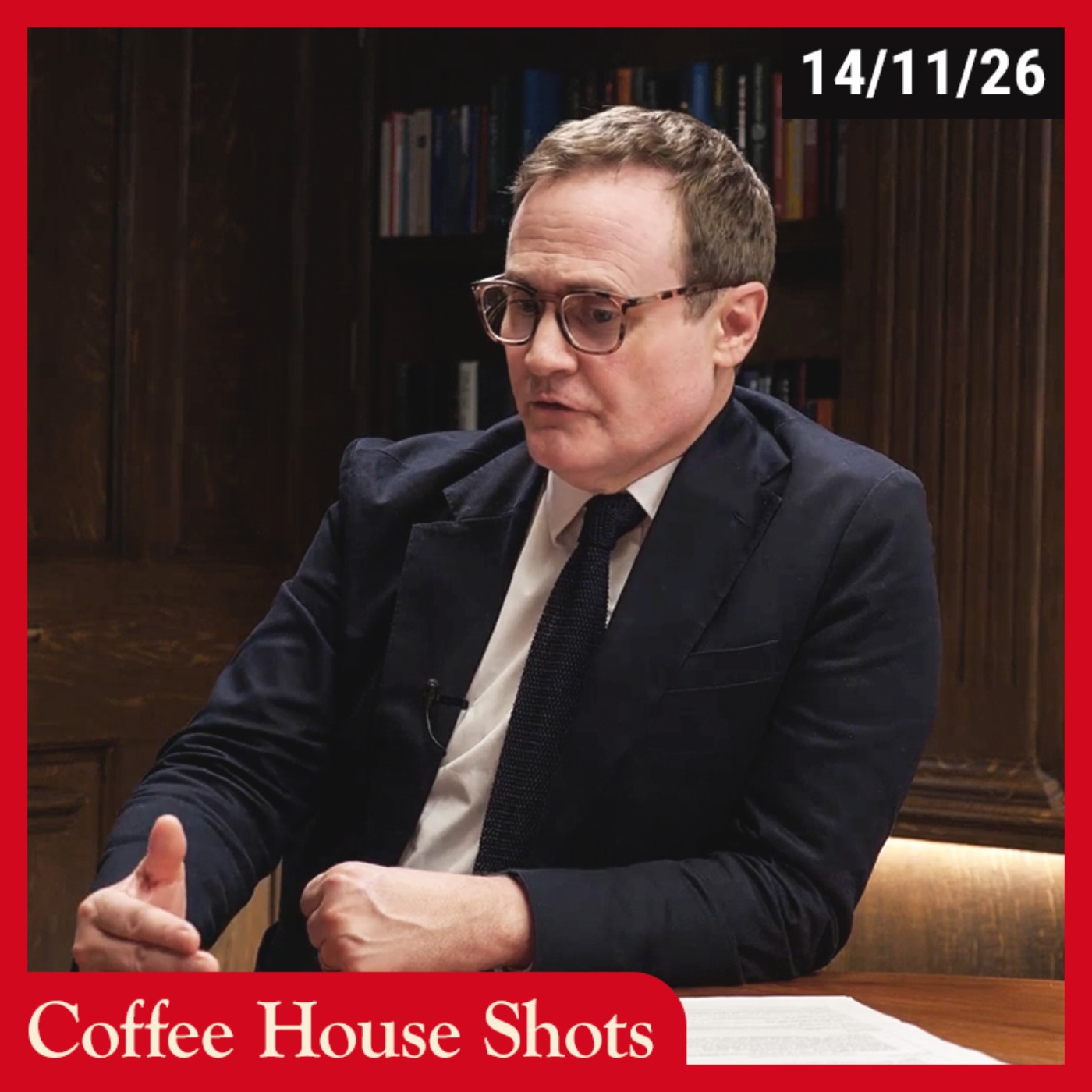
Tom Tugendhat: 'China is a bigger threat than Russia'
31 min
Listen through the publisher, then discuss the episode here or arrange an in-person Roundtable. Your city determines where to meet.
Roundtables are designed for groups of four, with a shared subject and room for everyone to speak. Come for discussion, with no dating expectation.
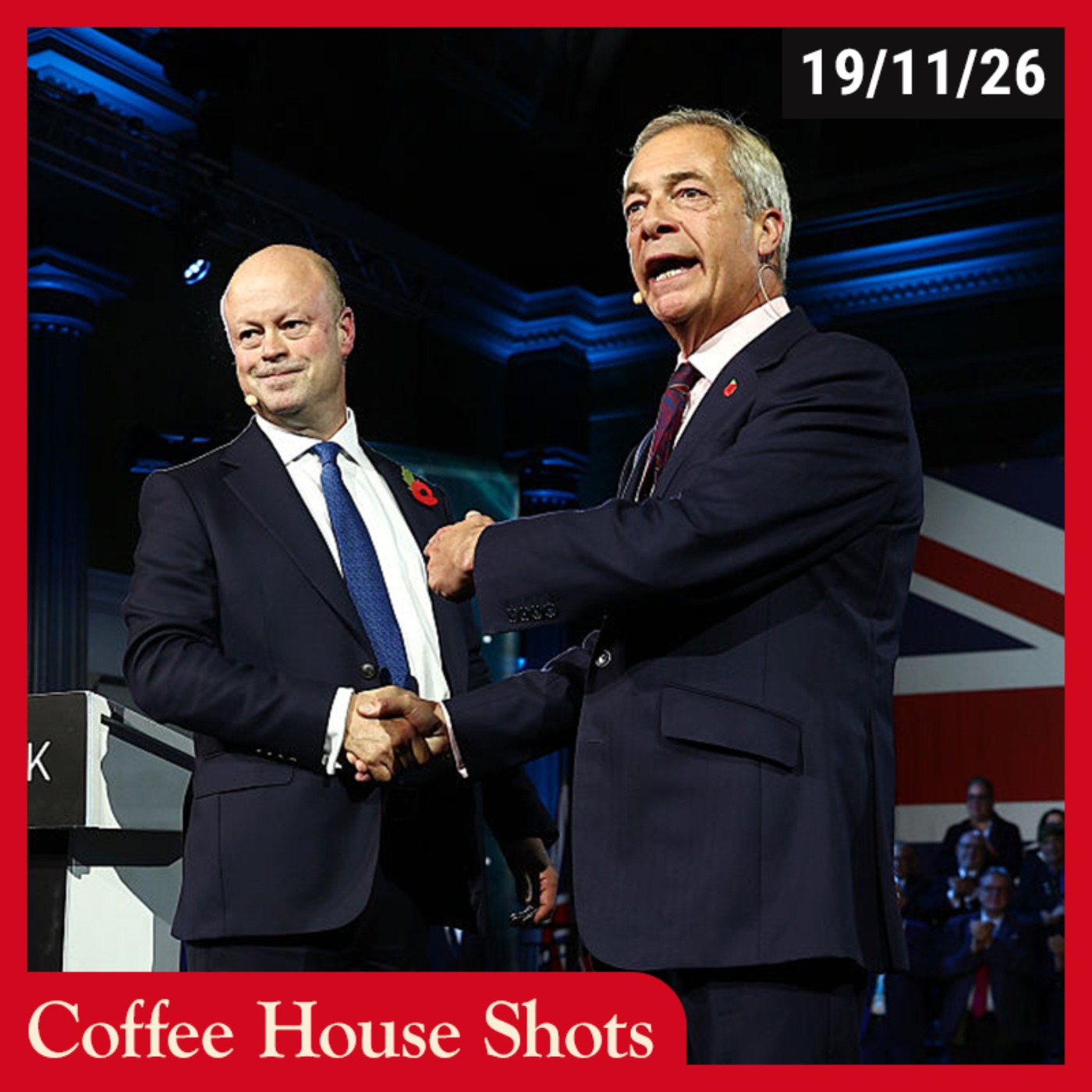
In this special edition of Coffee House Shots, Tim Shipman is joined by shadow foreign secretary Tom Tugendhat to discuss Britain's place in an increasingly dangerous world. Why does he believe China poses a greater long-term threat than Russia? Has the government lost sight of Britain's national interests? And why, despite voting Remain in 2016, would he now refuse to vote to rejoin the EU? They also discuss the future of NATO, the war in Ukraine, the European Convention on Human Rights and Britain's relationship with Donald Trump's America. This episode is brought to you by Raymond James. Investment involves risk. raymondjames.uk.com Contact us: [email protected] Hosted on Acast.
Episode information is provided by the publisher. Listening takes place on the publisher’s service.
This week on The Necessary Conversation, it's Chad, Haley, and Mary Lou. Bob is still recovering but sent in a video message about Trump calling Putin his friend that we watch together. 🇷🇺 Trump held the first-ever three-way talks with Putin and Xi, called it a "12 out of 10," and produced nothing. Then at a press conference he called Putin his friend — and when asked if Putin is a friend to America, the president of the United States said, "I can't speak to America." That same day, Trump's friend Putin launched massive strikes into Ukraine, hit Poland with two missiles — an act of war against a NATO ally — then struck near a Ukrainian restaurant and drone-bombed the first responders, killing a 7-year-old child and a 20-year-old paramedic. We watch Bob's video and ask Mary Lou: is Russia our friend? 🇨🇳 The House Foreign Affairs Committee revealed Trump's Commerce Department approved nearly 880,000 advanced AI chips for Chinese military-linked companies including Alibaba, Tencent, a
Alan Milburn wants to scrap Pip for under-25s and replace the Universal Credit health element with a new youth allowance. He says the plan could get 440,000 young people into work within a decade and eventually save £3.6 billion a year. With 981,000 young people not in education, employment or training, nobody disputes the scale of the problem. They disagree about its cause. Milburn insists this is not a generation lacking resilience. Yet his own report finds that benefit claims have outpaced any rise in ill health, and it warns of overdiagnosis of ADHD and autism. Michael Simmons puts that contradiction to Milburn directly. He also asks whether the National Insurance and minimum wage rises are pricing young people out of the jobs they need most. Can welfare reform get a generation back to work – or is the deeper problem a loss of resilience that no policy can fix? This episode is brought to you by Raymond James. Combining deep insights into who you are with our financial expertise, th
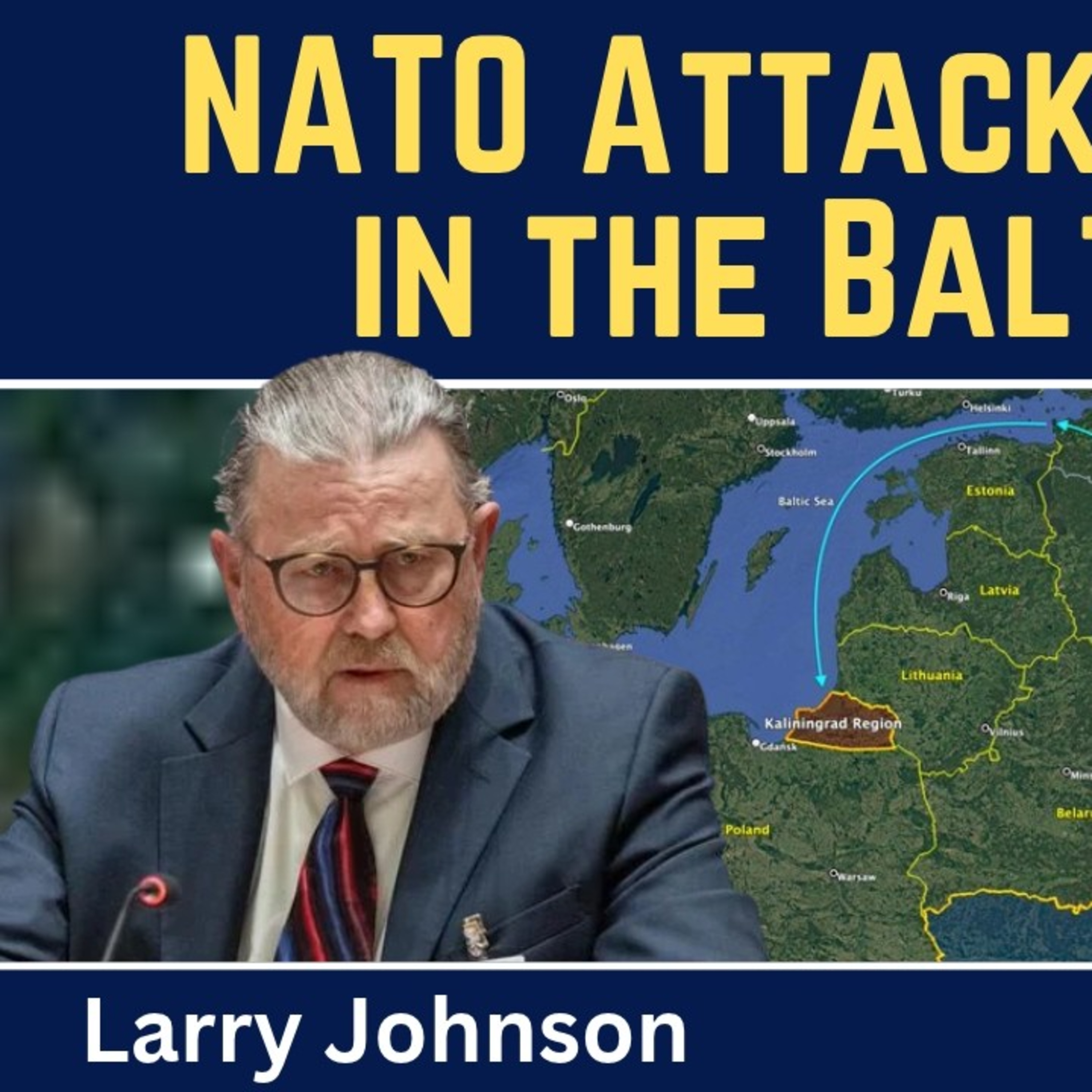
Larry Johnson is a former CIA intelligence analyst who also worked at the U.S. State Department's Office of Counterterrorism. Johnson discusses the attack on a Russian cargo ship in the Baltic Sea, and the air alarms going off in Kaliningrad. Read Larry Johnson's Sonar21: https://sonar21.com/Follow Prof. Glenn Diesen: PayPal: https://www.paypal.com/paypalme/glenndiesenBuy me a Coffee: buymeacoffee.com/gdiesengGo Fund Me: https://gofund.me/09ea012fBuy Diesen merchandise: https://diesen-shop.fourthwall.com/en-nokBooks by Prof. Glenn Diesen: https://www.amazon.com/stores/author/B09FPQ4MDL 00:00 Escalating Tensions in the Baltic Sea02:45 NATO's Role and Russia's Response05:52 The Shift in European Attitudes Towards Russia09:11 Cultural Influences on Perceptions of Russia11:44 The Consequences of Military Escalation15:06 The Irrelevance of Europe in Global Politics25:49 Reassessing Global Power Dynamics32:44 The Role of Europe in a Changing World39:19 The Impact of Economic Interests on Pol
A secret relationship can create leverage even before anyone makes a threat. That is the question Tony Brueski puts to Robin Dreeke, retired FBI Special Agent and former chief of the FBI’s Counterintelligence Behavioral Analysis Program, as they unpack the reporting around former Nvidia CEO Jensen Huang. Huang admitted infidelity and resigned in November 2026. Reports linked his affair to Alice Huang, a former Megaspeed executive whom U.S. intelligence reportedly suspected of acting for China. Those suspicions remain unproven publicly. Reuters says it could not independently confirm the alleged intelligence connection; Beijing denies it. Nvidia’s board has said it has no reason to believe company secrets or national security were compromised. That leaves plenty to investigate, but it does not establish blackmail, recruitment or disclosure of protected information. Robin explains why counterintelligence investigators focus on incentives and access, not just intercepted orders or dramati
Hey everybody, Tom Bilyeu here. On today’s episode of Impact Theory, we’re taking on a topic that’s got the whole world holding its breath: the escalating crisis between the United States and Iran. As tensions ratchet up, we’re asking the tough questions—how did we get stuck in this “escalation trap,” and what does it mean for America’s global leverage, our economy, and our very sense of security? The conversation focused on why the traditional idea of “strategy” might be failing policymakers, using powerful analogies—like chess versus roulette—to show how doubling down in conflict can spiral out of control. We’ll break down the risks of tactical “wins” that create even bigger crises, the real leverage Iran holds with control of the Strait of Hormuz, and the mounting pressure on President Trump as political support erodes and legacy hangs in the balance. A key theme that emerged is what happens when military might runs into decentralized opposition, and why high-stakes gambles—like the
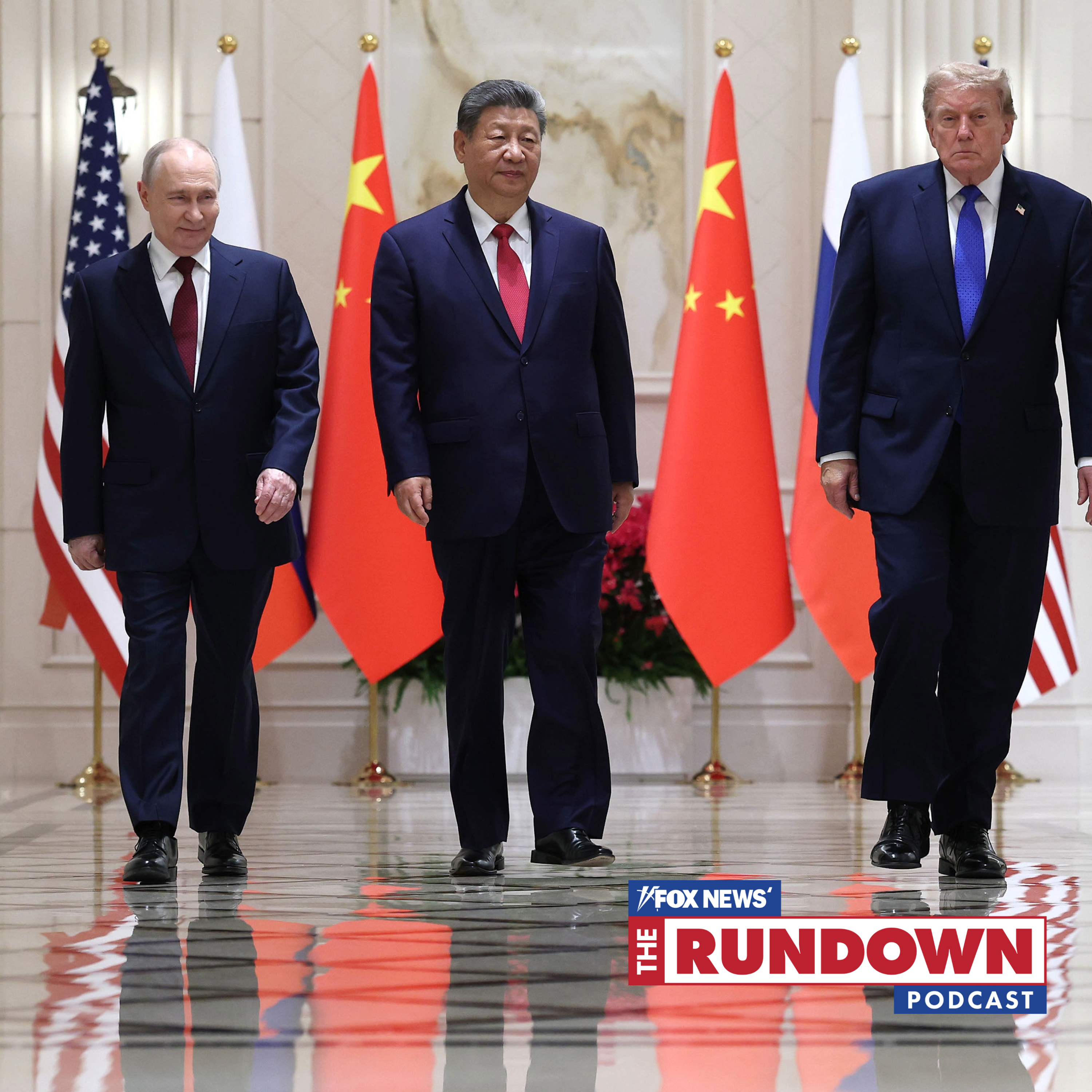
Following President Trump’s trip to Asia and a first-ever trilateral meeting with the leaders of China and Russia, foreign policy experts are weighing what was accomplished on the world stage. Former national security advisor to Vice President Dick Cheney and Heritage Foundation senior research fellow Stephen Yates joins The Rundown to analyze the summit’s outcomes on Taiwan, Ukraine, Iran, and strategic arms talks. Yates also explains how new rare-earth agreements with U.S. allies and export controls on AI chips balance Trump’s warmer rhetoric toward Beijing. Later, widespread tech outages across major platforms and government systems raise urgent questions about whether U.S. digital infrastructure is prepared for the artificial intelligence era. Former Cybersecurity and Infrastructure Security Agency (CISA) director Bridget Bean breaks down how rapid software patching can trigger cascading system failures, the growing cyber threats posed by China and Iran, and how organizations can d
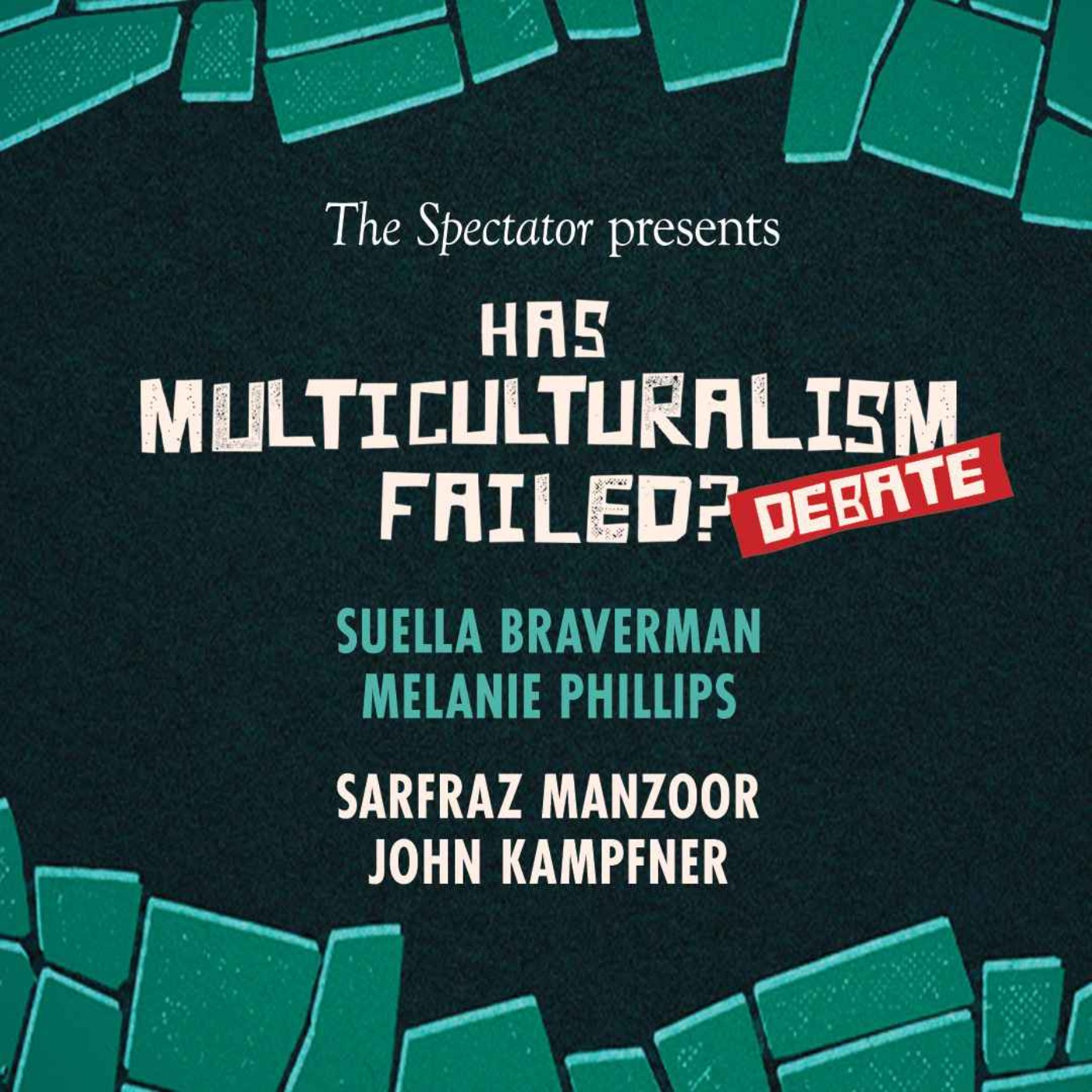
Earlier this week The Spectator’s editor Michael Gove chaired a lively debate on whether multiculturalism has failed. Former home secretary Suella Braverman and columnist Melanie Phillips went head-to-head with journalist and author John Kampfner and broadcaster Sarfraz Manzoor, tackling some of Britain’s most divisive questions. Spectator subscribers can watch the full debate here (https://spectator.com/article/livestream-multiculturalism-debate/). This episode is brought to you by Raymond James. Investment involves risk. raymondjames.uk.com Contact us: [email protected] Hosted on Acast.
Ahead of today's UK-EU summit, Andy Burnham is pushing for closer ties with Brussels. But is the Prime Minister laying the groundwork for Britain to rejoin the EU - and does he have a plan to get there? James Heale and Tim Shipman speak to Anand Menon, director of UK in a Changing Europe, to discuss Burnham’s Brexit ambitions, the political risks of reopening the debate and whether public opinion has really shifted. Could Britain be heading towards another referendum? And what would Brussels demand in return? Produced by Abigail Brierley. This episode is brought to you by Raymond James. Investment involves risk. raymondjames.uk.com Contact us: [email protected] Hosted on Acast.
Reform UK's new defence spokesman, Angus McIntyre, joins Tim Shipman to discuss his move from a 40-year military career into politics. Why has he lost faith in the Conservatives? And can Reform deliver on its promises to rebuild Britain's armed forces? McIntyre warns that Britain is dangerously unprepared for the threats it faces. He discusses the need to overhaul defence procurement, increase military spending and confront the growing threat from Russia. Plus: what does McIntyre make of Nigel Farage's position on Ukraine, the government's plans to take in people from Gaza, and the treatment of British veterans over historic allegations? Produced by Oscar Edmondson & Abigail Brierley. This episode is brought to you by Raymond James. Investment involves risk. raymondjames.uk.com Contact us: [email protected] Hosted on Acast.
A majority vote should not override the basic rights of a smaller group.
Share your view, then see how readers voted. No sign-in required. This poll is shared across stories.
Do you agree or disagree?
Common Quandary
A Common Quandary to discuss
Another conversation to explore, separate from this news story.
An app can text exactly like someone you lost. Would you keep talking to it?
A service can create a conversational likeness from a deceased person's messages and recordings. A grieving family member finds it comforting, although the deceased never consented to this use of their data.
Can comfort justify creating a voice the dead never authorized?