Listen through the publisher, then discuss the episode here or arrange an in-person Roundtable. Your city determines where to meet.
Roundtables are designed for groups of four, with a shared subject and room for everyone to speak. Come for discussion, with no dating expectation.
Some seasons ask us to wait, grow, and learn to trust the path we’re on. This episode offers a faith-centered reflection on patience, hope, and finding meaning in the present—not as a promise that life will unfold on a particular schedule, but as encouragement to keep caring for yourself while you move forward. Whatever you’re waiting for, you don’t have to put your life on hold.
Episode information is provided by the publisher. Listening takes place on the publisher’s service.
Todays’ guest is Egyptian novelist, poet, essayist, translator and photographer Youssef Rakha. We discuss his essay collection Postmuslim: A Testimony, a book that explores what it means (and what it could mean) to be Arab and Muslim in the contemporary world. As Postmuslim unpacks the hypocrisies of Western liberal humanism’s promise and self-regard, and questions Islam’s own relation and positioning to the modern world, it ultimately chronicles a personal journey towards claiming a more capacious Muslim identity within modernity. Whether speaking about the promise and disappointments of the Arab Spring, the reconfiguration of East and West since October 7th, or looking back to paths not taken in history, from Al-Andalus to the Ottoman empire, Rakha takes us along with him on a journey that is equal parts philosophical, historical, political, and metaphysical, and which suggests and dreams into multiple possible futures. For the bonus audio archive Youssef contributes a reading of fou
We have two amazing Irish authors for you this week. First, we have Mary Beth Keane, whose November GMA Book Club novel is Whale Harbor. It is a beautiful book that speaks to large families, the love in what is unsaid among them and the importance of roots. We then talk to Niall Williams, whose O Now! is a beautiful and sparing novella that still manages to examine the meaning of life and the reasoning of God. It’s all things Ireland and we can’t wait to welcome you. Join us! Find books mentioned on The Book Case: Books mentioned in this episode: Whale Harbor by Mary Beth Keane Ask Again, Yes by Mary Beth Keane Fever by Mary Beth Keane The Half Moon by Mary Beth Keane The Walking People by Mary Beth Keane O Now! by Niall Williams The Time of the Child by Niall Williams This is Happiness by Niall Williams History of the Rain by Niall Williams Only Say the Word by Niall Williams The Fall of Light by Niall Williams As it Is in Heaven by Niall Williams
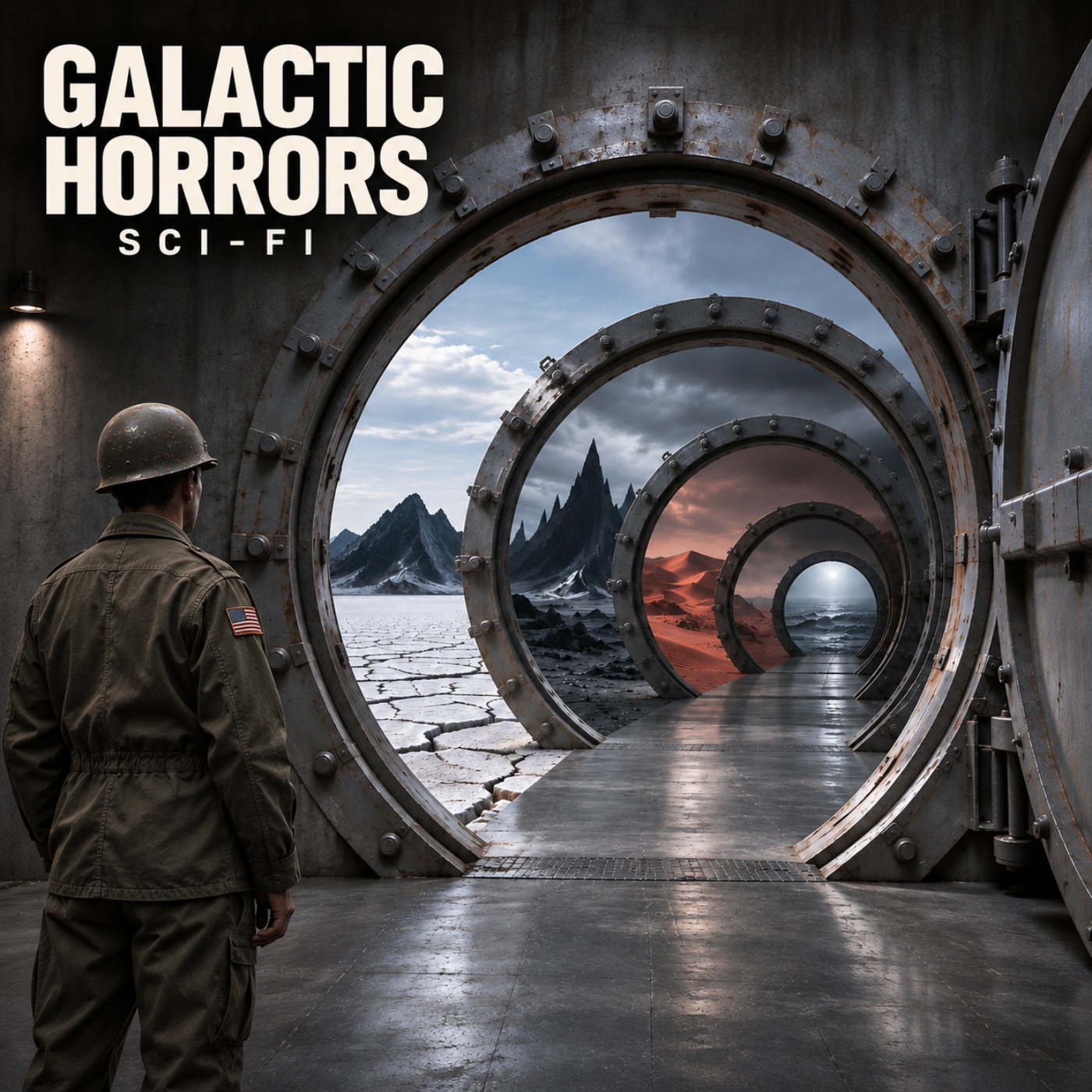
On the night of October 27, 1962, as the Cuban crisis comes to the edge, a flash goes off high over the Alleghenies that the radar men call a Soviet weapon nobody had heard of, and the Army caretakers of Project Greek Island seal sixty-one congressmen, clerks and staff into the secret bunker beneath the Greenbrier resort at White Sulphur Springs, West Virginia. The blast never touches them. It shakes the bunker loose from its Earth, and from then on, every time a blast door seats on its frame and opens again, it opens onto the next Earth over, never back, while a door left standing open keeps them where they are. By the drill they opened only to take a radiation reading and sealed again whenever the counter crackled, so the first openings, a West Virginia almost like theirs and then the hotel lit and full of diners on a night with no war at all, went by behind a crackling counter, and only after a hillside of black glass and a forest of wire-thin trees under a green sky did the bunker'
Styles sell out, so don't wait. Visit https://whyfileslovesgold.com (https://whyfileslovesgold.com/), text FILES to 638257, or call (888) 949-9172. -Selling a home is hard, but it doesn't have to be with Opendoor—get your FREE offer at https://opendoor.com/why. In 1946, the US Navy sent 4,700 men and 13 warships to Antarctica on what it called a training mission. Their real orders were to find a hidden Nazi base under the ice and destroy it. The fleet had six months to finish the job. Eight weeks later, it was heading home. Admiral Richard Byrd, the most famous explorer alive, flew past the South Pole and into a place that shouldn’t exist. What he saw there, and the message he carried back, followed him for the rest of his life. The Navy classified the whole operation and ordered everyone involved to stay quiet. But Byrd kept a private diary the Navy never found. So what was waiting at the bottom of the world?
Last episode, the Agents of the Inquisition found a safe space to hide in the Grot tunnels beneath the surface of the Ork Rok enveloping the Blackstone Pylon codenamed Ravenor. After resting to recover from their injuries, Da Judge began trying (and horrifically failing) to teach Solomon the ways of the Orks, while Morgan and Damien captured a grot to get information. During the interrogation of the Grot by Da Judge, the little creature took itself out of the equation before it could be forced to reveal any intel about the Grot Revolushun. Morgan quickly realized Grotz wouldn’t speak to a Boss or Wyrdboy, so she took Solomon and the two set out to learn more from the tiny Ork creatures. Meanwhile Damien took over looking after the Judge, who was psychologically melting down as his Arbites instincts battled the Orkish instincts in his new body. Damien promised the Judge any Grot captives the others brought back, only to discover he might have to keep Da Judge distracted for several hour
At the vets, Denise asks Neil how long Alan’s chaperoning will go on for. Esme arrives to ask if Alistair is around, but he’s with a puppy. Denise invites her to talk in the office. Esme explains that Lovell James’ head office is chasing for unpaid bills. She can’t pay them with everything getting more expensive. Head office’s suggested payment plan is too much, so Esme wants to agree something with Denise just until she sells some calves in the new year. Denise promises to speak to Alistair and Jakob on her behalf. Beth can’t believe she let Rex and Kirsty in Vince’s room yesterday, but Vince says he agreed to Kirsty coming. Beth is convinced there must have been something wrong with the tree or it wouldn’t have fell on her dad. She’s convinced they’re hiding something. Beth apologises for saying Vince’s life is ruined. Elizabeth is looking tired, so Beth says she can run errands for Vince. Vince says he has spoken to his solicitor and despite Beth’s protests, he’s not going to sue Re
What makes you feel curious, energized, or at ease? This episode is a reminder to pay attention to those moments and let them help guide your choices. You don’t need to have everything figured out start by noticing what feels meaningful, then take one small step toward more of it.
Congratulations something you hoped for has arrived. Take a moment to celebrate, appreciate the work and choices that helped bring you here, and let yourself enjoy the moment. Then check in with what you need now: stay grounded, care for what you’ve gained, and choose your next steps with intention. A fulfilled wish can be a meaningful beginning, not pressure to have everything figured out.
Sometimes the things we long for can feel far away. This episode is a reminder to pause, reconnect with your values, and notice what’s already within your reach. Explore how self-belief, patience, and intentional action can help you move toward the life you want without treating desire as a guarantee that everything will happen exactly as imagined.
Sports organizations should limit gambling promotion aimed at their supporters.
Share your view, then see how readers voted. No sign-in required. This poll is shared across stories.
Do you agree or disagree?
Common Quandary
A Common Quandary to discuss
Another conversation to explore, separate from this news story.
Your family connection could get your child into their dream school. Do you use it?
A university argues that considering family ties builds loyalty and encourages donations that fund scholarships. Critics say the preference preserves inherited advantage and takes places from stronger applicants.
Can benefits to the whole institution justify an unequal admissions advantage?