Type 2 Diabetes Linked to More Severe Menopause Symptoms
8 min
Listen through the publisher, then discuss the episode here or arrange an in-person Roundtable. Your city determines where to meet.
Roundtables are designed for groups of four, with a shared subject and room for everyone to speak. Come for discussion, with no dating expectation.
Women with Type 2 diabetes or prediabetes reported more numerous and severe menopause symptoms, with the strongest differences appearing after menopause Early menopause was associated with greater Type 2 diabetes risk, making the timing of menopause an important clue about long-term metabolic health Menopause isn't simply a state of estrogen deficiency, as estrogen activity can remain high in tissues despite lower blood levels, contributing to estrogen dominance HOMA-IR helps identify insulin resistance, while prolactin provides another clue about estrogen activity that a blood estrogen measurement alone doesn't reveal Reducing seed oils and estrogen-mimicking chemicals, eating adequate carbohydrates, staying active and restoring estrogen-progesterone balance support healthier metabolic and hormonal function during menopause
Episode information is provided by the publisher. Listening takes place on the publisher’s service.
Today, I’m honored to connect with Dr. Troy Badger. He is a board-certified cardiologist and interventionalist and the founder of Cardiostrong, a concierge preventive cardiology clinic in Provo, Utah, focused on reducing cardiovascular risk, optimizing metabolic health, and improving strength and cardiorespiratory fitness for executives and athletes. In today’s conversation, we discuss Dr. Badger’s gender- and age-specific approach to heart health, including treatment differences for men and women, and diagnoses such as INOCA, SCAD, vasospastic disease, and Takotsubo. We examine emotions and their influence on heart health, coronary ischemia and cardiomyopathies, labs and diagnostics, how Dr. Badger assesses risk in his patients, and the differences between a CAC and a CCTA. Dr. Badger also shares the labs he finds essential for all patients and discusses the role of VO2 Max, cardiovascular training, and lifestyle—specifically nutrition, the use of GLP-1 drugs, and a multidisciplinary
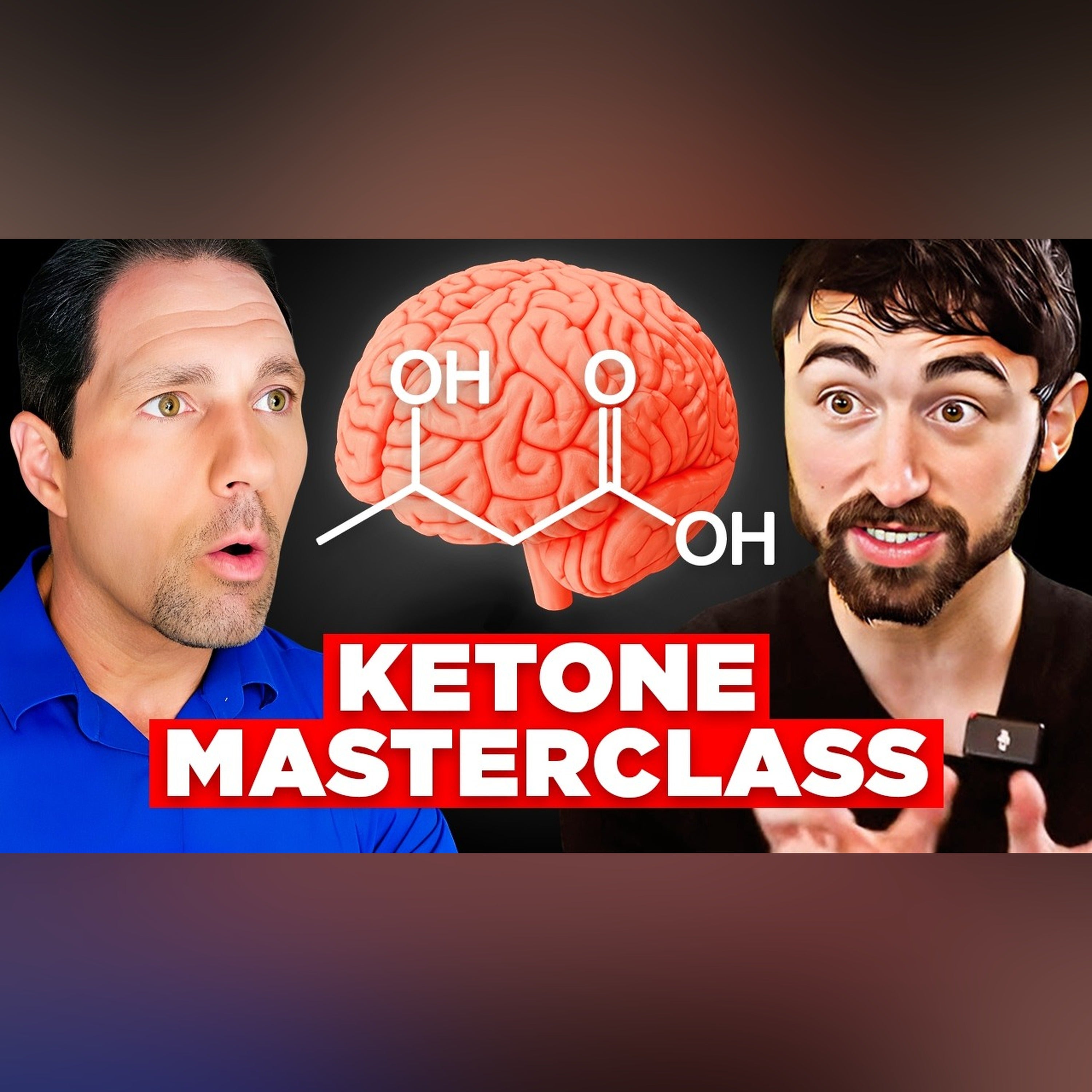
In this conversation, I sit down with Professor Dom D’Agostino, one of the world’s leading experts on metabolic therapies, ketosis, and exogenous ketones. We dive deep into the science of ketone esters, MCT oils, and 1,3-butanediol, breaking down how these compounds affect the brain, liver, and mitochondria. If you’ve ever wondered what ketone supplements actually do, this interview cuts through hype with hard data, clinical context, and self-experimentation. Mitochondrial Migration (Adapt) Video: https://youtu.be/R9x5Y57HuoA 0:00 – Ketones Can Rescue the Brain from Hypoglycemia 2:00 – The Self-Experiment That Changed Dom’s Career 5:00 – Ketones as a Lifeline in Severe Hypoglycemia 8:15 – Ketone Esters Explained: Forms, Effects, and Risks 16:10 – What Are MCTs and How They Boost Ketones 18:00 – The Story of MCT Oil and Alzheimer’s Disease 27:40 – Polyunsaturated Fats (PUFAs) and Ketone Production 33:00 – Ketone Salts: Benefits, Risks, and Misconceptions 36:00 – The Hidden Dangers of 1,
Is your body weight stable, but you're still not eating enough to properly fuel your training, recovery, and overall health? Introducing Why Stable Weight Doesn't Always Mean You're Eating Enough from Jeff Hoehn of the Mind Muscle Connection Podcast (https://www.buzzsprout.com/1508401). Just because your weight isn't changing doesn't necessarily mean you're adequately fueled. In this episode, Jeff breaks down why maintaining a stable body weight doesn't always mean you're meeting your body's energy needs, especially if you're training hard, staying lean, or spending long periods dieting. You'll learn: Why stable body weight doesn't automatically mean adequate energy availability Who is most at risk of underfueling, even when their weight isn't changing How high training output, staying too lean, and chronic dieting can contribute to low energy availability The potential signs of underfueling, including changes in performance, recovery, hormones, and menstrual health Why spending too lo
Jennifer is feeling a lot better this week - find out what she did in this week's Keto Consult with Dr Boz and Jennifer Marie. Increasing ketone levels by fasting, an update on Jennifer Marie's menopause symptoms and 3 day sleep protocol results. She even shares some expert #FastingTips! You do not want to miss this week's Keto Consult with Dr. Boz and Jennifer Marie! Learn more about the mental benefits of Keto in my blog: https://bozmd.com/keto-diet-and-brain-health/ Jennifer Marie wrote an article about her role as her husband's caregiver during his sleep 3 day sleep reset protocol -- https://lowcarbinspirations.com/sleep/ Jennifer Marie's Book link: (affiliate link) https://amzn.to/2uuEqt2 Preorder gift: https://lowcarbinspirations.com/preor... JENNIFER MARIE's Recipes: https://lowcarbinspirations.com/ Weekly meal plans: www.mealplanbuddy.com Keto Friendly Recipes Facebook Page: www.facebook.com/ketofriendlyrecipes Low Carb Inspirations Facebook Group: https://www.facebook.com/grou
If you're training hard but feeling wiped, eating a restricted diet for your gut, or just never hungry after a tough workout, you might not be getting the protein you need. This episode breaks down how much you really need and how to get it without upsetting your gut. YOU'LL TAKEAWAY: Macronutrients and calories 101, and how restrictive diets throw off your balance How your body digests protein, and why it matters before workouts The many roles of protein, from enzymes and iron storage to post-workout appetite How much protein you need, plus 3 easy low FODMAP ways to boost it — RESOURCES & LINKS MENTIONED: ⤵️ Want high touch coaching support for IBS & fuelling performance? Apply for coaching. (http://gutfitnutrition.com/apply) Free Training: How to Control IBS So You Can Fuel Your Training Without a Lifelong Low FODMAP Diet (https://gutfitnutrition.com/heal-ibs-training-live) Supporting your immune system when you're sick (Ep. 70) (https://open.spotify.com/episode/5bCto0jWLcbC5hQW4hrH6
Big News! Clicking Here (https://meditationsounds.supercast.com/) Email List (https://bit.ly/3T010m4) Calm Your Nervous System Naturally — 528 Hz Healing Frequency + Brown Noise | Reduce Anxiety, Palpitations, and Stress is designed to help your body and mind settle into a deep state of relaxation. The 528 Hz frequency is often associated with emotional balance and inner harmony, while brown noise provides a grounding, low-frequency sound that helps calm the nervous system. Together, they create a soothing soundscape that may help ease anxiety, reduce stress, and support relaxation during rest, sleep, meditation, or quiet focus. This audio is ideal for unwinding after a long day, calming racing thoughts, or creating a peaceful background for deep rest. Simply listen, breathe slowly, and allow your body to relax. #528Hz #BrownNoise #HealingFrequencies #ReduceAnxiety #StressRelief #CalmMind #NervousSystem #DeepRelaxation #SleepSounds #SoundTherapy 528 hz healing frequency brown noise, re
"The Big Secret" documentary portrays how the U.S. healthcare system was reshaped by corporate and pharmaceutical forces, replacing natural healing with a drug-centered, profit-driven medical monopoly The shift began with the Flexner Report, backed by Carnegie and Rockefeller interests, which redefined medical legitimacy and opened the door to corporate control over healthcare Modern medicine has wrongly vilified cholesterol, leading to widespread statin use that can undermine hormone health, cognitive function, and metabolic resilience Industrial agriculture, glyphosate, and processed foods strip essential minerals from the food supply. This has been linked to widespread nutritional deficiency and chronic disease across generations The real "big secret" is that health can restore itself once you eliminate what disrupts it and provide the inputs it's always required
For thousands of years, olive oil was valued as much as a medicine as a food, and modern research has largely supported that reputation. In large randomized trials, adding extra virgin olive oil to a Mediterranean diet lowered rates of heart attacks, strokes, diabetes, and atrial fibrillation Those benefits come not from the oil's fat, but from a small fraction of compounds (e.g., polyphenols) that refining destroys and that degrade with time, heat, and light. Two bottles labeled extra virgin can differ more than tenfold in them, which means the right oil delivers its benefits in a teaspoon, and the wrong one delivers little at any dose One of these compounds, oleocanthal, was discovered because it stings the throat the same way ibuprofen does, and it was then found to block the same enzymes. In clinical trials, olive oil has lowered markers of inflammation, the Mediterranean diet has the most evidence of any diet for rheumatologic patients, and in a small trial, olive oil applied dire
Consuming at least one sugar-sweetened beverage per day was associated with 2.45 times the gastric cancer risk compared with consuming less than one per month The association appeared in both sexes, with women consuming more than one sugary drink daily having 3.04 times the gastric cancer risk and men having 1.99 times the risk Artificially sweetened soft drinks weren't linked to gastrointestinal cancer overall, but a liver-specific analysis found consumption was associated with a 28% higher liver cancer risk Soda delivers more than sugar: high-fructose corn syrup delivers a concentrated fructose load your liver has to process rapidly, while phosphoric acid in cola supplies highly absorbable inorganic phosphate that research suggests may burden your kidneys and disrupt mineral balance Replacing soda and other sweetened drinks with options such as sparkling mineral water with citrus, whole fruit, and coconut water helps you avoid HFCS and phosphate additives without eliminating carbohyd
Researchers should publish important limitations alongside the main findings.
Share your view, then see how readers voted. No sign-in required. This poll is shared across stories.
Do you agree or disagree?
Common Quandary
A Common Quandary to discuss
Another conversation to explore, separate from this news story.
Rich parents want to buy their public-school class an art teacher. Should the school say no?
Parents at a well-resourced public school raise enough money for art teachers and smaller classes. Nearby schools cannot raise comparable amounts, widening differences within the same district.
Can helping your own community become unfair to the larger one?