U.S. data breach; Halifax security forum; Tumbler Ridge link to A.I.
27 min
Listen through the publisher, then discuss the episode here or arrange an in-person Roundtable. Your city determines where to meet.
Roundtables are designed for groups of four, with a shared subject and room for everyone to speak. Come for discussion, with no dating expectation.
Candice Cole looks at yet another hack targeting the FBI once again, the latest in a string of technical gaffes for the U.S. government. Heidi Petracek speaks to a former Ukrainian prime minister at the Halifax Security Forum on why Ukraine needs the U.S. Jeff Semple looks at the threat of A.I. warfare and the international efforts to regulate it. Megan King reports on the Ontario Liberal Party's new leader. Sarah MacDonald speaks with an American reporter who looked at the intimate chat logs between the Tumbler Ridge shooter and ChatGPT.
Episode information is provided by the publisher. Listening takes place on the publisher’s service.
This episode is brought to you by Sarmaya Partners. Learn more about Sarmaya’s LENS ETF, their full data and comparison, including performance here: https://sarmayaetf.com/ In this episode of Other People's Money, Max Wiethe sits down with Muddy Waters Capital founder Carson Block to discuss his firm's explosive new short thesis on Nvidia. Block breaks down the alarming connections between a former Nvidia executive and a former SMCI executive recently implicated in a major chip smuggling scandal. The conversation dives deep into the national security implications of dual-use technology and how the ongoing geopolitical tug-of-war between the US and China is reshaping the semiconductor sector. Tune in to hear why Block believes this scandal goes far beyond CEO indiscretions and could trigger a massive regulatory reckoning for Silicon Valley's biggest players. Follow Muddy Waters on X: https://x.com/muddywatersre Follow Max on X: https://x.com/maxwiethe Follow Other People’s Money on: App
For review: 1. Iraq has reached a compromise with the powerful Iran-backed militia Kataeb Hezbollah, three senior security officials said, after Prime Minister Ali al-Zaidi readied security forces to move against the group. Reflecting the gravity of the situation, Iraqi Shiite political sources said Esmail Qaani, commander of Iran’s elite Revolutionary Guards’ Quds Force, arrived in Baghdad late on Monday to help defuse tensions with Kataeb Hezbollah, Tehran’s most powerful militia ally in Iraq. 2. Lebanese President Joseph Aoun launched a lengthy rebuke of Iran in an Independence Day address, arguing that the Islamic Republic does not have the right to interfere in Lebanon’s internal affairs, as it long has via support for its local terror proxy, Hezbollah. 3. Yemen’s Houthis launched strikes on the Saudi capital Riyadh on Saturday, after vowing reprisals for a “special operation” by the Saudi-led coalition fighting them. The coalition later said it had “intercepted and destroyed” thr
A wave of major technology outages is raising troubling questions about America's cybersecurity, aging infrastructure, and readiness for a new era of artificial intelligence. Are these isolated technical failures, or warning signs of a much larger national security problem? John Solomon and Amanda Head welcome Ohio Congressman and former Army Ranger Warren Davidson, who discusses recent disruptions involving the FAA, Microsoft, and other critical systems. Davidson calls for greater transparency from government agencies and technology companies, questions whether America's infrastructure is adequately protected against emerging cyber threats, and examines how artificial intelligence could be used both to strengthen defenses and exploit vulnerabilities. The conversation also turns to immigration and national security, with Davidson raising concerns about individuals who entered the country illegally, potential gaps in government screening systems, and the surveillance powers used to moni
A secret relationship can create leverage even before anyone makes a threat. That is the question Tony Brueski puts to Robin Dreeke, retired FBI Special Agent and former chief of the FBI’s Counterintelligence Behavioral Analysis Program, as they unpack the reporting around former Nvidia CEO Jensen Huang. Huang admitted infidelity and resigned in November 2026. Reports linked his affair to Alice Huang, a former Megaspeed executive whom U.S. intelligence reportedly suspected of acting for China. Those suspicions remain unproven publicly. Reuters says it could not independently confirm the alleged intelligence connection; Beijing denies it. Nvidia’s board has said it has no reason to believe company secrets or national security were compromised. That leaves plenty to investigate, but it does not establish blackmail, recruitment or disclosure of protected information. Robin explains why counterintelligence investigators focus on incentives and access, not just intercepted orders or dramati
November 21, 2026; 7am: Yesterday, President Trump held a press conference recapping his trip to Asia, where he met with Chinese President Xi Jinping and Russian President Vladimir Putin, whom he described as “friends.” On Friday, Trump insisted Putin wants to end his war with Ukraine, but hours earlier Russia fired hundreds of missiles and drones into Ukraine, with two missiles and a suspected drone crashing into neighboring Poland. MS NOW Chief White House reporter Paula Reid and Jon Finer, former principal deputy national security advisor in the Biden administration, join “The Weekend” to discuss. For more, follow us on social media Bluesky: @theweekendmsnow.bsky.social Instagram: @theweekendmsnow TikTok: @theweekendmsnow Hosted by Simplecast, an AdsWizz company.
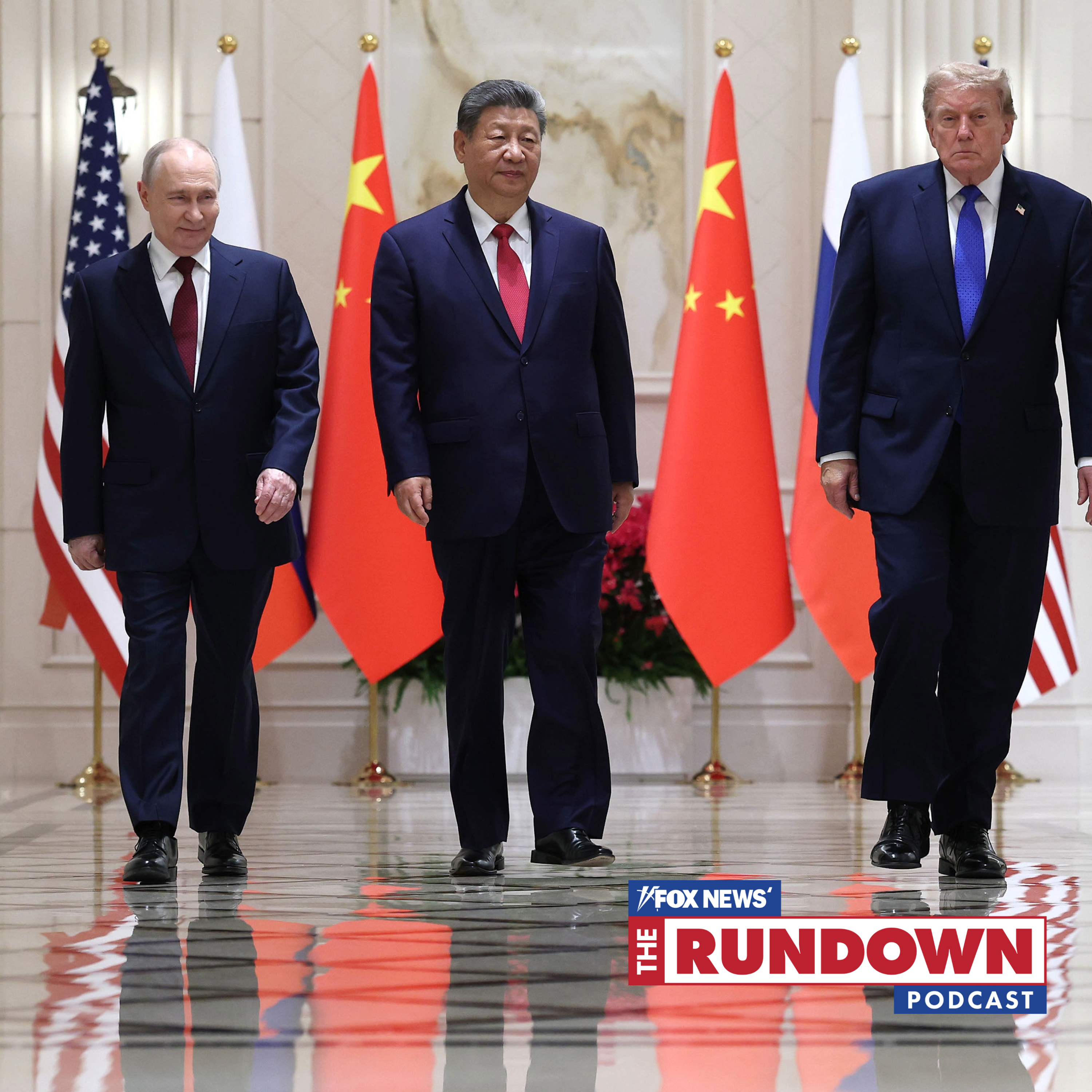
Following President Trump’s trip to Asia and a first-ever trilateral meeting with the leaders of China and Russia, foreign policy experts are weighing what was accomplished on the world stage. Former national security advisor to Vice President Dick Cheney and Heritage Foundation senior research fellow Stephen Yates joins The Rundown to analyze the summit’s outcomes on Taiwan, Ukraine, Iran, and strategic arms talks. Yates also explains how new rare-earth agreements with U.S. allies and export controls on AI chips balance Trump’s warmer rhetoric toward Beijing. Later, widespread tech outages across major platforms and government systems raise urgent questions about whether U.S. digital infrastructure is prepared for the artificial intelligence era. Former Cybersecurity and Infrastructure Security Agency (CISA) director Bridget Bean breaks down how rapid software patching can trigger cascading system failures, the growing cyber threats posed by China and Iran, and how organizations can d
Countries are leaving the UN's annual climate summit without reaching an agreement after the European Union and others rejected the final deal. As Candice Cole reports, the biggest sticking points were around fossil fuels. Washington's governor has called the video of two people being arrested by ICE at an airport in Seattle "chilling." Heidi Petracek reports on the cancellation of a federal government program that helped community groups sponsor and support refugees coming to Canada. David Murdock on the election of the new Liberal leader in Nova Scotia. Melissa Ridgen reports on warnings from the trucking industry that bridge and overpass strikes in Western Canada are only going to get worse. Heather Yourex-West takes us through the new Airbnb rules and what they mean for hosts and guests. Plus, Felicia Parrillo introduces us to three Montreal students who won an international NASA competition.
Canada's auto sector gets a boost. Eric Sorensen reports on the public funds aimed at revving up Ford's assembly plant in Oakville, Ont.; and the last-ditch pitch to save the Stellantis plant in Brampton, Ont. Jacqueline Hansen reports on investors worried about buying into artificial intelligence, as Anthropic shares slide following yesterday's record-breaking initial public offering. Jackson Proskow looks at how U.S. President Donald Trump is defending his meeting this week with Russian President Vladimir Putin. Russia is being blamed after two suspected missiles and a drone landed in Poland. As Redmond Shannon explains, Poland calls the incident a deliberate provocation. Touria Izri looks at the backlash and confusion over cutbacks to Canadian cadet training. And Mike Armstrong looks back at actor Sylvester Stallone's fight to play the title character in the iconic 'Rocky' movies; how the new film 'I Am Rocky' documents Stallone's journey; and how the fictional boxer greatly influen
Jackson Proskow reports on the historic face-to-face meeting between Chinese President Xi Jinping, Russian President Vladimir Putin, and U.S. President Donald Trump; and the kind words Trump had for Putin. Mackenzie Gray explains Canada's attempt to strike an interim tariff deal with the U.S., rather than a full one. Jacqueline Hansen looks at Anthropic's record-setting debut on the stock market. Redmond Shannon reports on the International Court of Justice ruling Mynamar committed genocide against its Rohingya minority during a 2017 military campaign. Eric Sorensen explains why Elon Musk now says he feels "foolish" about spending hundreds of millions on the U.S. midterm elections. Mike Armstrong explains why Islam is expected to surpass Christianity as the world's largest religion. Fiona, the Cincinnati Zoo's beloved and famed hippo, defied the odds when she was born in 2017. Sadly, she died today. Dawna explains the sequence of events that led to Fiona's death. And Grand Theft Auto V
Preventing medical errors requires changing systems as well as holding individuals accountable.
Share your view, then see how readers voted. No sign-in required. This poll is shared across stories.
Do you agree or disagree?
Common Quandary
A Common Quandary to discuss
Another conversation to explore, separate from this news story.
Your neighbor keeps playing music at midnight. How many friendly warnings do they get?
A neighbor regularly plays music late enough to disturb your sleep. Friendly requests help briefly, but a formal complaint could threaten their lease in a building with few affordable options.
How far should empathy extend when someone repeatedly ignores your needs?