Listen through the publisher, then discuss the episode here or arrange an in-person Roundtable. Your city determines where to meet.
Roundtables are designed for groups of four, with a shared subject and room for everyone to speak. Come for discussion, with no dating expectation.
In this episode of Private Credit Crisis, Executive Editor Teddy Downey sits down with Jen Howard the director of the Monopoly Busters Caucus, a legislative group on Capitol Hill dedicated to tackling anti-monopoly issues. This episode was recorded at a conference hosted by The Capitol Forum on November 12, 2026.
Episode information is provided by the publisher. Listening takes place on the publisher’s service.
Worried about scams, identity theft, or AI-powered fraud? You're not alone. In this episode of Money Sense, Wealth Advisor Tammy Niemann sits down with fraud investigator April DeValkenaere from Fortress Forensics Investigations to discuss the scams targeting individuals and families every day and how to protect yourself before it's too late. From gift card scams and romance fraud to fake bank representatives and AI-generated deception, this conversation highlights the warning signs criminals use to manipulate victims and the practical steps you can take to keep your finances secure. Perhaps most importantly, Tammy and April explain why scam victims should never feel ashamed, what to do if you've been targeted, and how family communication can serve as one of the best defenses against financial fraud. 00:00 Fraud, Scams & Why This Topic Matters 02:10 Why Most Scam Victims Never Report It 06:15 Scams vs. Frauds & Financial Exploitation by Trusted Individuals 09:50 Power of Attorney Resp
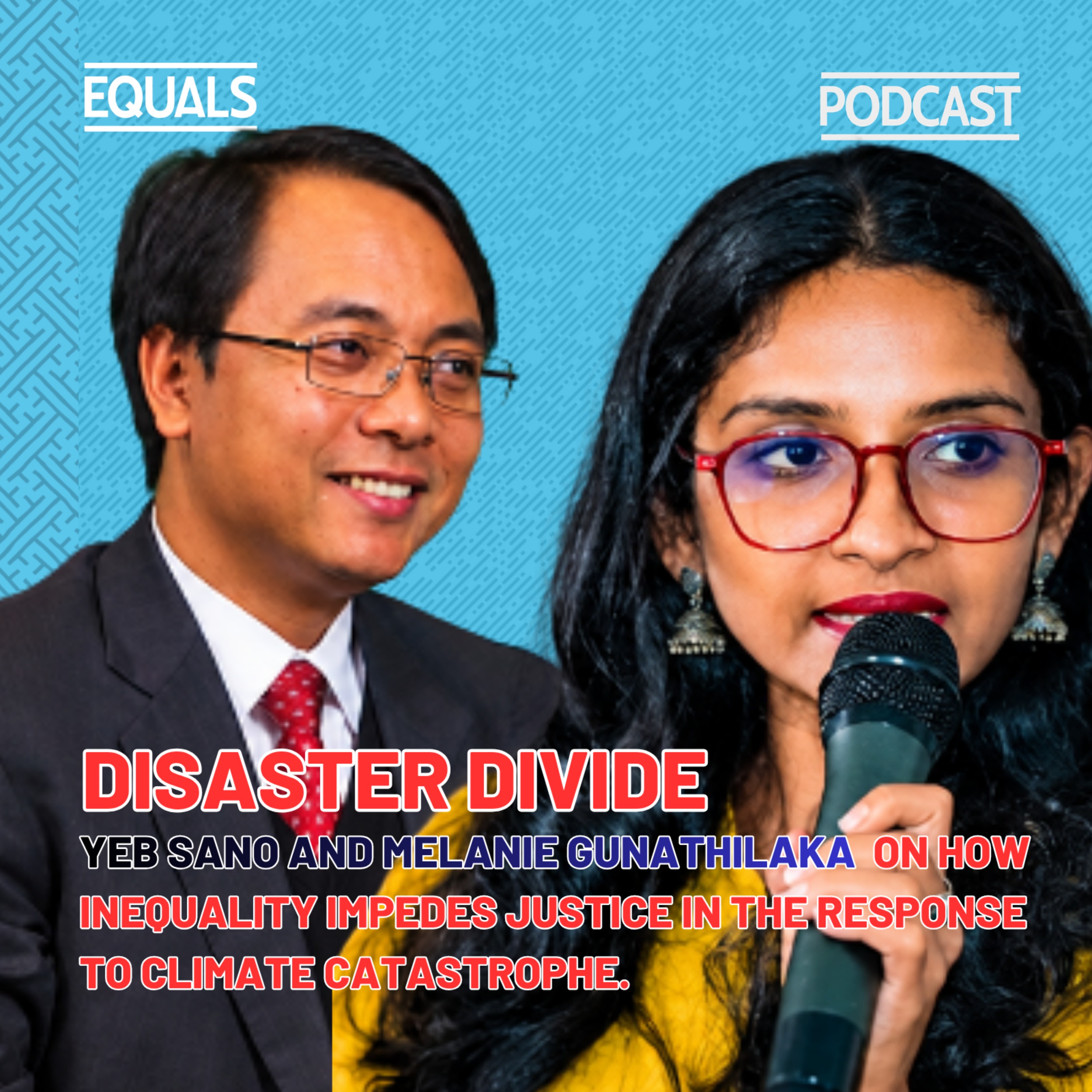
In our last EQUALS episode with Sunil Acharya (https://shows.acast.com/equals/episodes/low-emissions-vs-high-stakes-in-nepal-the-injustice-of-clima), we established that the climate crisis affects different communities across the world differently, with the poorest and most vulnerable in countries like Nepal carrying the heaviest risk and greatest losses after disasters strike. In this episode, we explore the relationship between climate justice and economic inequality with Melani Gunathilaka and Yeb Saño. We explore what happens when the news fades, and communities are left grappling with the aftermath of climate disasters. Drawing from experiences in the Philippines, Yeb highlights how systemic inequality and poverty shape climate vulnerability, pushing low-income earners, small-scale farmers and fisher folk to areas most exposed to climate disasters, while wealthier families live in modern, more secure neighbourhoods and can rely on financial savings, insurance and more resilient in
The IfG DevoLab (https://www.instituteforgovernment.org.uk/ifg-devolab) is dedicated to exploring the innovations enabled by devolution, learning from the results, and sharing the lessons so that places can take better decisions about how to use devolved powers and budgets. Health related inactivity is one of the biggest challenges facing many parts of the country, with approximately 2.8 million working-age people now out of work due to ill health. In this DevoLab event, we heard from three mayoral strategic authorities that have taken different approaches to tackling rising levels of health inactivity. With the Burnham government ambitious to devolve more employment support powers and budgets (https://www.instituteforgovernment.org.uk/comment/andy-burnham-devolution-employment-support), we explored what all levels of government can learn about how to respond to this urgent challenge. The three case studies presented at the IfG DevoLab #7 were: ‘Pathways to Work’, by David MacDougall,
In this video, Disability Attorney Walter Hnot shows off the Whisper Room, and his first attempt at a recorded singer setup. Things don't go to plan, but thankfully the singer was super cool while wiring issues were fixed. Like the content? Review us here: https://g.page/r/CcwyektC7nCPEAg/review . If the link does not work, Google: Disability Resolution, P.A. WANT A CLASS ACTION COLA FRAUD LAWSUIT? Sign the petition here: https://chng.it/bvLmbpWrrY Welcome to the largest Social Security Disability Tutorial Video Library On Earth. PRIVATE ONE HOUR PHONE CALL THIS IS HOW YOU CAN GIVE BACK TO HELP GROW THE CAUSE: Option 1: Leave 5 |==================5 STAR REVIEWS==================| Google (Search Disability Resolution Orlando, FL)- https://www.google.com/search?authuse... (https://www.google.com/search?authuse...=) AVVO (Search Walter Hnot) - https://www.avvo.com/attorneys/32817-... BBB (Search Disability Resolution Orlando, FL)- https://www.bbb.org/us/fl/orlando/pro... MARTINDALE (Searc
You paid into Social Security for years. So why are you being told “it’s not your money”—and where did your money actually go? Get the truth about Social Security benefits, trust funds, and myths that can lead to costly decisions about your retirement. Need help with your Medicare plan? Contact our friends at Chapter Medicare: 352-841-0632 I’m Dr. Ed Weir, a former Social Security insider. In this LIVE discussion and Q&A, I’ll explain the claim behind “not your money,” how Social Security is funded, and what the debate means for your monthly check. We’ll discuss: - Where your Social Security payroll taxes go. - What the “not your money” claim leaves out. - What “running out of money” actually means for Social Security. - The projected funding shortfall and the risk to future benefits. - Other Social Security myths that can cost you money. - Your questions about retirement, benefits, and your check. What about the 22% figure? The 2026 Trustees Report projects that the retirement and sur
Will the 2026 midterms mark a turning point in American economic policy? After a notable Republican defeat, voters sent a clear message about affordability, tariffs, and government overreach. But will Democrats and Republicans actually change course? Scott Lincicome joins Jillian Wheeler to break down the election results, the future of economic populism, and whether Washington is ready to embrace freer markets. Read Scott's article "Economic Populism Lost, Again" Producer: Barbara Galletti Post Production: Sedona LaMarre Audio Engineer: Cecil Sherman Director of Photography: Darren Walker Assistant Editor: Lester Romero Assistant Producer: Shaneen Gevorgiz Motion Graphics: Jonathan Fields Original Music: Cecil Sherman Executive Producer: Kristina Kendall
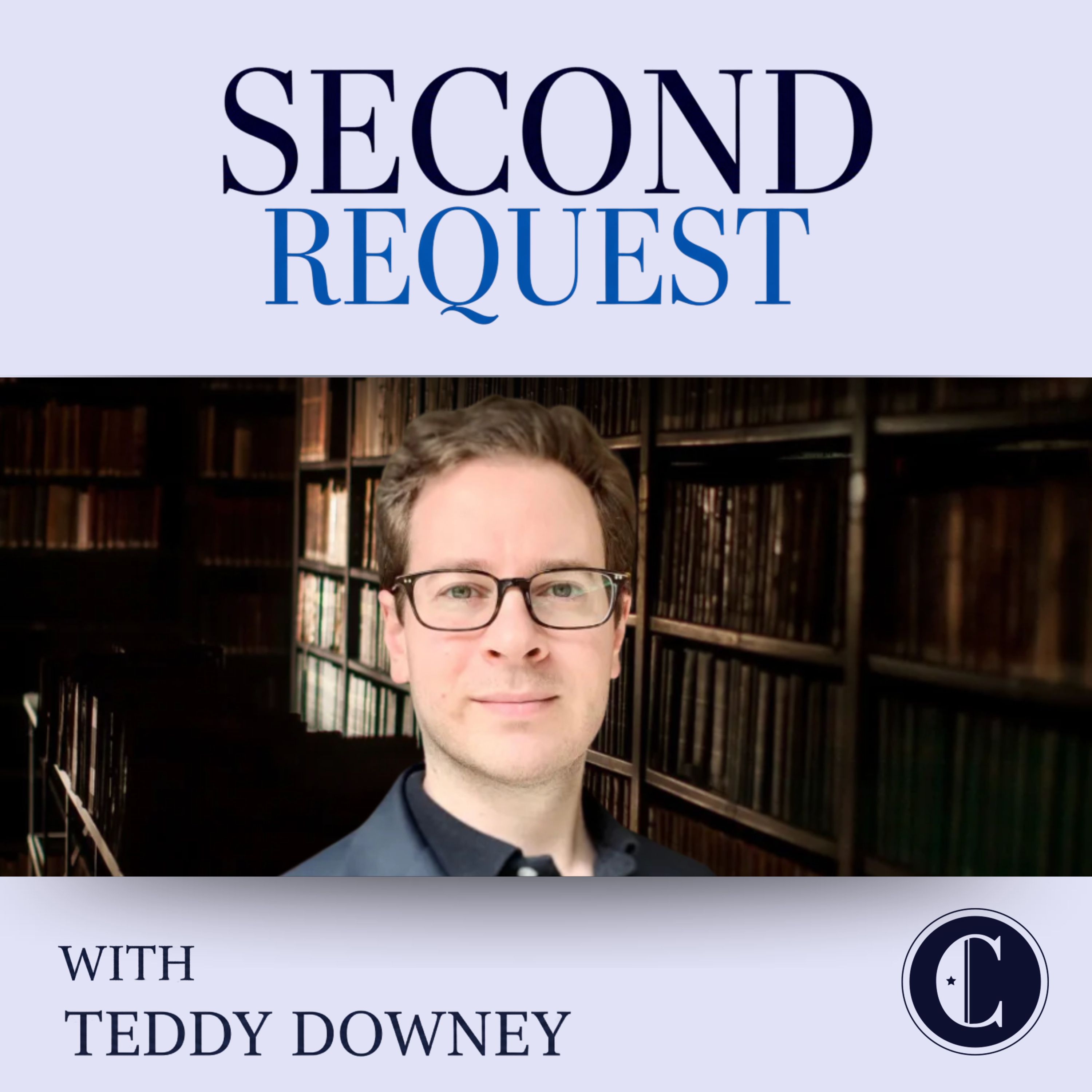
The first votes of the new Congress don’t make headlines, but they decide who holds power for the next two years. Before any bills move in January, members vote on their caucus rules and the House rules, and those votes settle who gets committee seats, how much control the speaker has, and how much say rank-and-file members get. In this episode of Second Request, Teddy Downey sits down with Daniel Schuman, executive director of the American Governance Institute, to talk about why the opening weeks of a new session are when members have the most leverage to win some of that back.
State regulators haven’t reined in private equity’s takeover of life insurance. Can Washington? Today on Private Credit Crisis, Executive Editor Teddy Downey talks with Renita Marcellin, a senior economic advisor to the Senate Banking Committee on Senator Elizabeth Warren’s staff, in a conversation recorded live at The Capitol Forum’s conference at the National Press Club.
Democrats won big on Tuesday, and many of them won by running against billionaires, data centers, and corporate corruption. What happens when that message gets subpoena power? In this episode of Second Request, Executive Editor Teddy Downey sits down with Jeff Hauser, executive director of the Revolving Door Project, to talk about what the election means for corporate accountability.
Research announcements should give uncertainty as much attention as promising findings.
Share your view, then see how readers voted. No sign-in required. This poll is shared across stories.
Do you agree or disagree?
Common Quandary
A Common Quandary to discuss
Another conversation to explore, separate from this news story.
You ignore a friend's message all day while posting online. Do you owe them an explanation?
A friend sends a message that deserves a thoughtful answer. You lack the energy to respond, but spend the day posting jokes and photos. They can see that you are active and eventually ask whether something is wrong.
Does being visibly online create an obligation to be available?