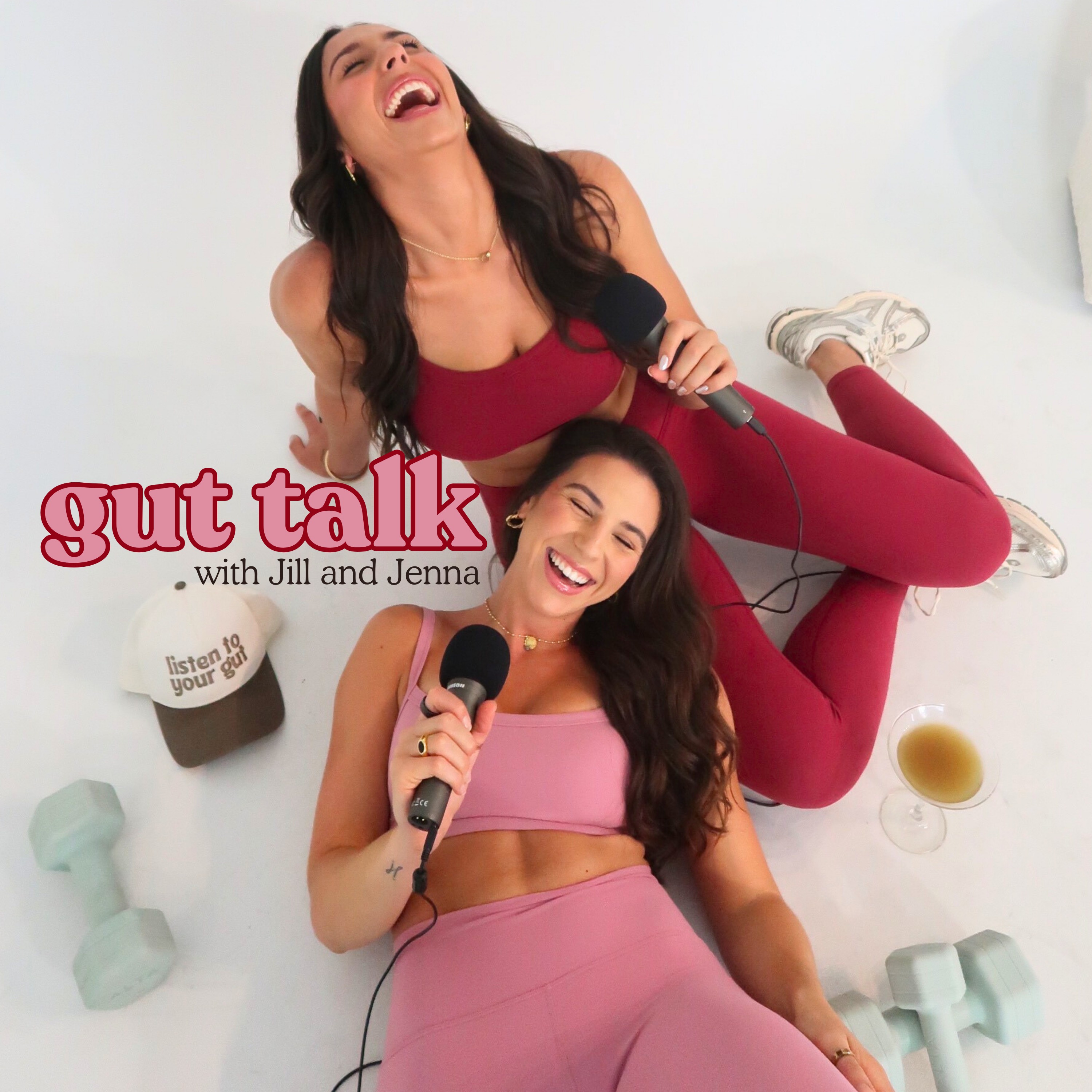
Listen through the publisher, then discuss the episode here or arrange an in-person Roundtable. Your city determines where to meet.
Roundtables are designed for groups of four, with a shared subject and room for everyone to speak. Come for discussion, with no dating expectation.
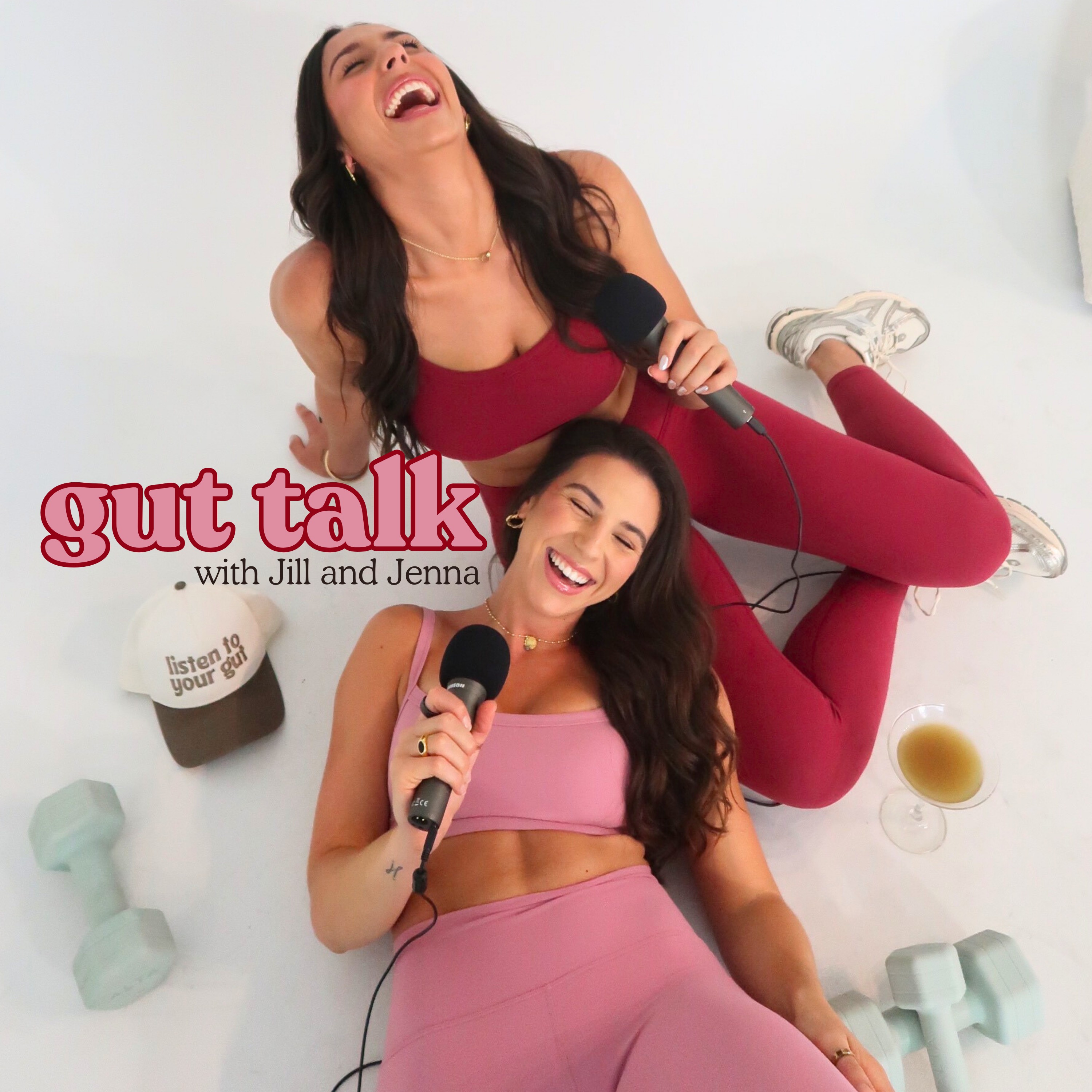
I've been putting off recording this episode because, honestly, I haven't really known how to explain how I've been feeling. After six years of creating health and wellness content, I've been feeling burnt out, uninspired, and a little disconnected from myself. And it's confusing because I genuinely love so much of the life I've built. In this solo episode, I'm talking about what happens when you start to outgrow the version of yourself you worked so hard to become. The pressure to stay the same, feeling stuck in an identity, the exhaustion of constantly trying to improve yourself, and why I'm finally giving myself permission to explore something different. I'm also sharing what I've been thinking about for the future of our content and Gut Talk, and why we want to make more room for the things that make life fun. If you've ever felt like the goals you once had don't fit the person you are today, this one's for you. Love you guys. Epsiode sponsor: Kion
Episode information is provided by the publisher. Listening takes place on the publisher’s service.
They think some people are just wired that way, and the rest of us are stuck with whatever nerves we came in with. That's the great lie about it. That's the story that keeps people anxious for forty years, because they've decided the trait belongs to someone else. Uploaded 19-09-26 Calm is not a gift. Calm is a skill. And like any skill, it's built through practice, through understanding, and through a series of decisions made long before the pressure ever arrives. The calmest person in the room isn't the one who feels the least. They're the one who has trained the most. Here is the truth: you are not reacting to what happens to you. You are reacting to the story you tell yourself about what happens. Change the story, and the whole reaction changes with it. This seminar walks through the things you must understand about becoming the steadiest person in any room. CHAPTERS 0:00 Intro — Calm is a skill, not a gift 1:05 The gap between event and reaction 2:44 The story you never chose to r
How would you describe your 2026 year so far? Around us, there seems to be so much happening in the world today, with wars, a shaky economy, and political issues in the government. Personally, you might have had something unexpected happen like a sudden death or a serious health crisis. A friend of mine used this word to describe how things felt around her. She said things felt ‘uncertain’. I couldn’t agree more. In some ways, it seems remarkable that we have even made it this far! Well, if things have been feeling stressful and uncertain for you, let’s take a DEEP breath together now. In this episode, let’s look back on this year and have a moment of quiet reflection. I’ll also share some top thanksgivings from my clients who are eating plant-powered to inspire and encourage you. I hope you’ll see that our health doesn’t need to suffer or get sidelined, despite the external circumstances. So, if you’re ready to pause for a moment of reflection and gratitude with me, pull up a chair wi
Master the skills that change lives — enroll in your free human behavior course today: https://nci.university/learn Uploaded 01-01-26 This video was not originally made for YouTube. It was a one-hour closed-door training I delivered to NCI Graduate School — our private live mastermind group inside NCI University, where I personally meet with advanced members every week. I almost didn’t upload it. But after sitting with the material, I realized something: this isn’t just useful — it’s foundational. And it felt wrong to keep it gated. What you’re about to watch explains why most people’s futures stop changing — not because of motivation, discipline, or willpower, but because the brain quietly locks in a prediction about who you are and begins selecting your future automatically. This session breaks down: • how identity functions as a forecast • why effort alone rarely creates lasting change • how the brain “funds” one future while filtering out others • and how a shift in predicted ident
If you've ever loved someone and lost yourself in the process, this one is for you. Quinlan Walther is a writer and relationship coach. She has built her work around one question: what did you learn love is, and who did you learn you had to be to get it? She has a gift for saying in one sentence what most of us spend years trying to put into words. We talked about the difference between chemistry and a trauma bond, why a hysterical reaction usually has a historical root, and how corrective experiences can rewire what love feels like in your body. Quinlan explained why shame is the one emotion you should never validate, why the riskiest thing you can do might be learning to be kind to yourself, and why most relationships end through a thousand little disconnections rather than one big blowup. We closed with a rapid fire round of her best one-liners, on boundaries, on obsession, on empathy that only extends to people who think like you... The line that stuck with me: "Your self-respect h
Does eating more protein and doing more resistance training actually help you lose more fat and preserve muscle? Or could you be doing far more than you need to? In this fascinating episode of the Optimal Protein Podcast, Vanessa Spina welcomes exercise physiology researcher Mikael Kanaan, MSc, to explore two new studies challenging conventional thinking about protein requirements, resistance training, and body recomposition during fat loss. What happens when researchers compare three different protein intakes during calorie restriction? Does dramatically increasing resistance-training volume offer greater protection against muscle loss? The findings may surprise you! They also dive into fascinating research on metabolic adaptation, including why your metabolism can slow down during weight loss—even when you maintain or gain muscle—and whether diet breaks can help restore your metabolic rate. Plus, an eye-opening discussion about how testosterone, estrogen, cortisol, and insulin influe
Ever put off investing because you feel like you need to know everything first? Same. Elliott thought investing meant picking individual companies and understanding the whole share market. Ana bought ten ETFs (bundles of investments you buy in one go) because choosing just one felt too risky. Both were trying not to get it wrong, and playing it safe made things messier for both of them. So how much do you actually need to know before you start? In this episode, Ana Kresina and Elliott O'Callaghan look back at their first investments and what confused them along the way. From a $10 crypto gift to ten ETFs that held a lot of the same companies, they talk about the gap between reading about investing and actually doing it. In this episode we'll chat about: Why Ana bought ten ETFs to feel safer, then found out she owned a lot of the same companies several times over. What a $10 Ethereum gift taught Elliott about watching his money go up and down. How Elliott went from thinking investing wa
What if the workouts you're doing to feel better are actually contributing to the tension and discomfort you're trying to fix? This week on Gut Talk, we're joined by Megan Niles, a Corrective Exercise Specialist, Myofascial Release Specialist, Pilates Instructor, and Health Coach, to talk about a side of fitness that doesn't get nearly enough attention: how our bodies actually MOVE. We're diving into why you can be lifting weights, doing Pilates, walking 10,000 steps a day, and stretching regularly but STILL feel tight, stiff, or uncomfortable in your body. Megan breaks down the difference between mobility and flexibility, what fascia actually is (and why everyone is talking about it), how stress and your nervous system can influence physical tension, and why more exercise isn't always the answer. In this episode, we discuss: Why being physically fit doesn't always mean your body is functioning optimally The most common movement mistakes active women make Why your hips, shoulders, and
Representatives should revise campaign promises when strong new evidence shows a better course.
Share your view, then see how readers voted. No sign-in required. This poll is shared across stories.
Do you agree or disagree?
Common Quandary
A Common Quandary to discuss
Another conversation to explore, separate from this news story.
A likable but unreliable former employee lists you as a reference. How honest are you?
A former employee who was unreliable but personally likable lists you as a reference without asking. Their prospective manager calls and asks only whether you would hire them again.
How much truth do you owe a stranger when it may cost someone a fresh start?