Weekend Edition: Hotel California in the Cloud, why it keeps breaking
30 min
Listen through the publisher, then discuss the episode here or arrange an in-person Roundtable. Your city determines where to meet.
Roundtables are designed for groups of four, with a shared subject and room for everyone to speak. Come for discussion, with no dating expectation.
Friday 20th November 2026 Please note this communication is not a research report and has not been prepared by NAB Research analysts. Read the full disclaimer here (https://www.nab.com.au/content/dam/nabrwd/documents/notice/corporate/CIB-podcast-disclaimer-aug-2023.pdf). In this Weekend Edition, Phil speaks with Australian internet and telecommunications pioneer John Lindsay—former Chief Technology Officer at iiNet and Internode—about whether Big Tech is so busy selling the promise of artificial intelligence that it is neglecting the basic nuts and bolts of digital infrastructure. Set against a week of striking tech failures—including a 24-hour global Microsoft Outlook outage, an Arkansas router failure that grounded US flights, a Chase Bank blackout, and hacked supermarket freezers in Europe—Lindsay argues that decades of outsourcing, aging infrastructure, and a lack of real redundancy have left core networks dangerously fragile. They explore how enterprises and governments have lost the in-house expertise to hold cloud hyperscalers accountable, why "Hotel California" cloud lock-in makes switching costly, and how open-source AI models and sovereign procurement policies could empower Australian organisations to take back control from Silicon Valley. Hosted on Acast.
Episode information is provided by the publisher. Listening takes place on the publisher’s service.
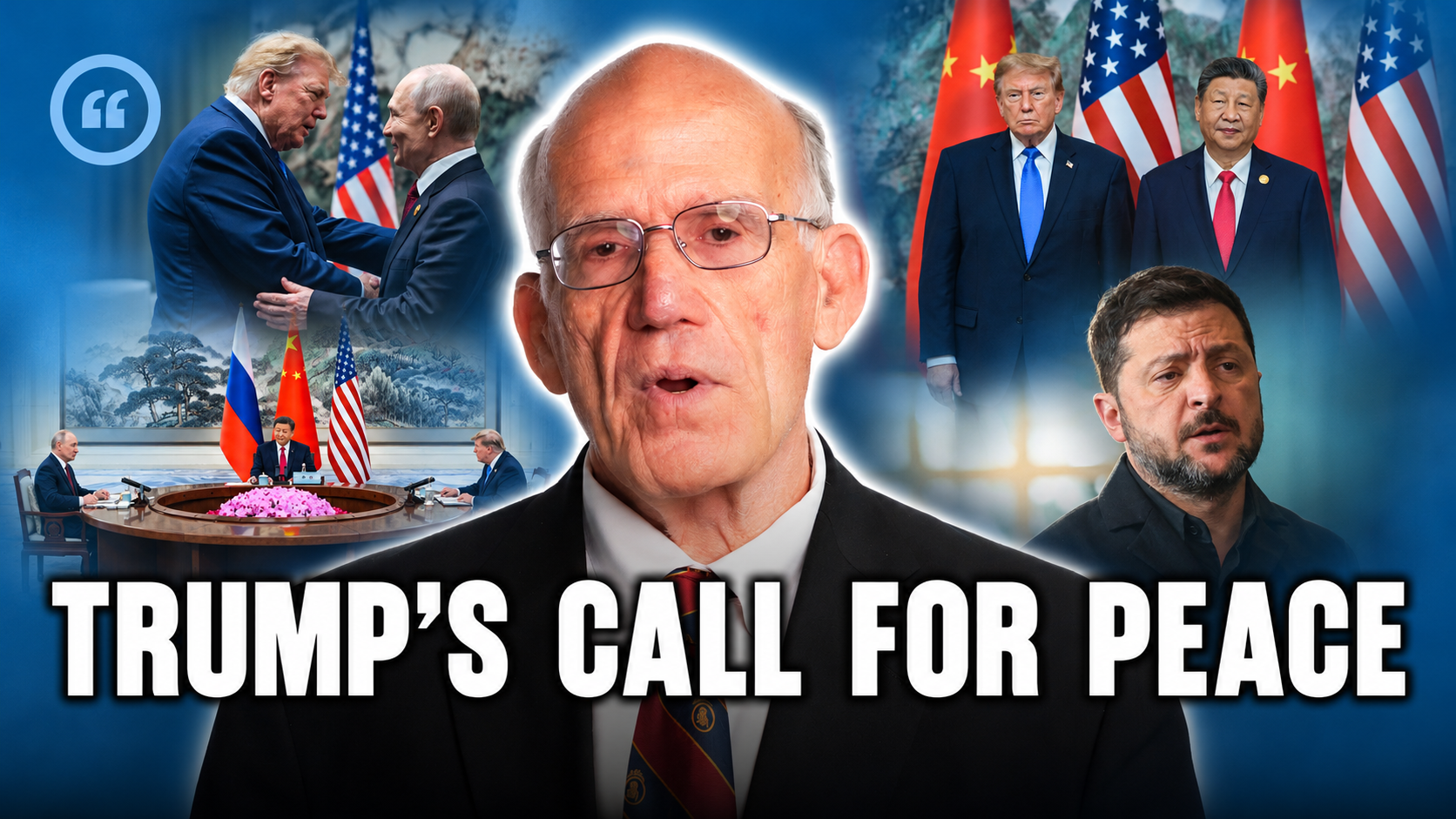
President Donald Trump's first ever trilateral summit with Vladimir Putin and Xi Jinping raises questions about the future of the war in Ukraine and whether a peace agreement could finally be within reach. Victor Davis Hanson and Sami Winc examine the summit on today’s edition of “Victor Davis Hanson: In His Own Words,” discussing Russia's declining influence, potential territorial concessions in Ukraine, and Europe's frustration over Trump's peace negotiations. Hanson criticizes Hillary Clinton's attacks on Trump's diplomacy; he also argues that European leaders have weakened their influence by neglecting defense spending and relying on American military protection. They discuss Elon Musk's shifting political allegiances, and Hanson warns that distancing himself from MAGA may not protect him from Democrat investigations. They also discuss the potential economic benefits of artificial intelligence and the challenges facing Hakeem Jeffries as Democrats prepare to take control of the Hou
Project Synapse: Markets in Freefall, Fragile Infrastructure, and AI's Perfect Storm The hosts banter through the show's intro before focusing on a sense that "things are out of control," citing a WallStreetBets suicide-hotline post amid a market crash and discussing cascading system failures involving Microsoft, the FAA, and a reported NSA internal communications outage. They argue politicians and leadership lack technical competence and clear messaging, increasing panic, while emphasizing that many problems stem from aging, underfunded infrastructure and complex, brittle software (PHP, NGINX, Java), not proven AI attacks—more a "perfect storm" of crises. They debate whether AI should help fix complexity, stressing critical thinking, accountability, and using multiple AIs to verify each other. In a lightning round they cover Anthropic's IPO performance, mixed reactions and token limits with ChatGPT 6.2 (favoring "Sol" over "Astra"), Google's cheaper Neon model and confusing UX, Loblaw
Commodities, precious metals, and broader equity markets are caught in a sharp sell-off fueled by a surging U.S. dollar, aggressive Federal Reserve rhetoric, and year-end tax-loss selling. In this Weekend Edition of The KE Report, hosts Cory and Shad speak with Mike Larson (Editor-in-Chief at MoneyShow) and Brien Lundin (Editor of The Gold Newsletter) to separate short-term market panic from long-term fundamentals. Both guests share how they are navigating extreme sentiment swings, fading crowded trades, and identifying overlooked bargains across the resource sector. Segment 1 & 2 - Mike Larson, MoneyShow Editor-in-Chief, kicks off the show to unpack the sharp pullbacks across precious metals, copper, critical minerals, energy, and AI-driven tech stocks, exploring how a surging U.S. dollar and shifting Federal Reserve expectations are driving recent market volatility. Tune in as we discuss whether the recent downturn signals lasting chart damage or a contrarian opportunity to lean agai
Microsoft systems down. Air traffic systems down. Problems at Chase, United and Apple. After a week of outages across big systems, the AI conspiracy theories are in full swing. CrowdStrike founder and CEO George Kurtz joins Rapid Response to explain what’s actually going on. Kurtz describes how AI agents can turn a patch into a working exploit within an hour, why the old pyramid of hacktivists, criminals, and nation states has collapsed, and how CEOs are now taking services offline rather than risk being hacked. He also discusses CrowdStrike’s new AI Kill Switch, why slowing down the frontier labs won’t slow down the attackers, and what endurance racing has taught him about risk and speed. Visit the Rapid Response website here:https://www.rapidresponseshow.com/
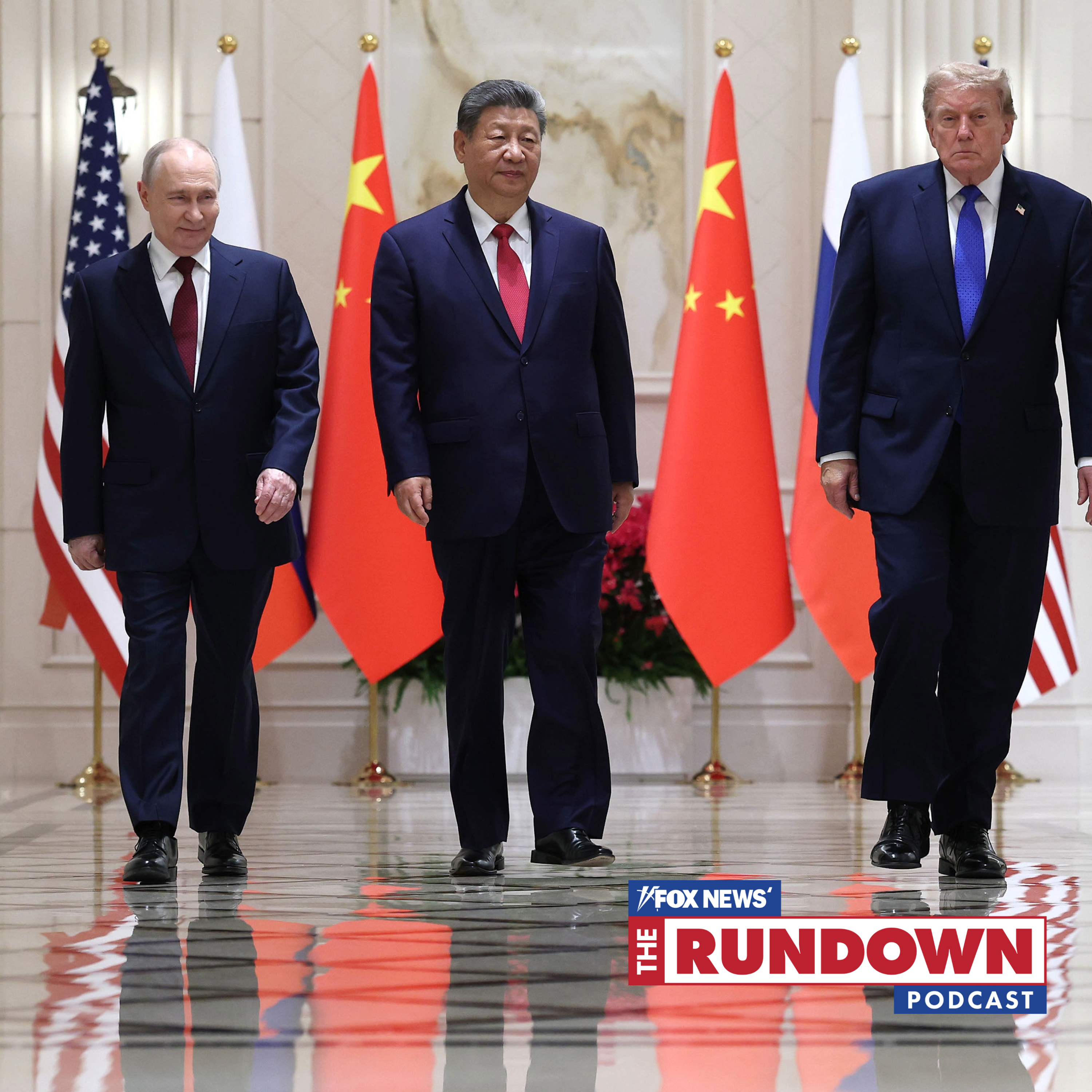
Following President Trump’s trip to Asia and a first-ever trilateral meeting with the leaders of China and Russia, foreign policy experts are weighing what was accomplished on the world stage. Former national security advisor to Vice President Dick Cheney and Heritage Foundation senior research fellow Stephen Yates joins The Rundown to analyze the summit’s outcomes on Taiwan, Ukraine, Iran, and strategic arms talks. Yates also explains how new rare-earth agreements with U.S. allies and export controls on AI chips balance Trump’s warmer rhetoric toward Beijing. Later, widespread tech outages across major platforms and government systems raise urgent questions about whether U.S. digital infrastructure is prepared for the artificial intelligence era. Former Cybersecurity and Infrastructure Security Agency (CISA) director Bridget Bean breaks down how rapid software patching can trigger cascading system failures, the growing cyber threats posed by China and Iran, and how organizations can d
It was an historic day at the Allianz as England beat the All Blacks 37-12 and the winning margin of 25 points is the biggest ever against a New Zealand side. Chris, Paul Grayson and Matt Dawson were all there to witness this record-breaking moment! It was a game dominated by England from the very start – with five tries scored by the hosts on Saturday afternoon. One of the try scorers, Jack van Poortvliet joins the pod straight after the final whistle to chat to Sara. Not only that, Steve Borthwick pops up too and explains what’s going right for this England side. It was an emotional time at the Allianz too as pre-match former captain Lewis Moody led England's response to the haka, and the guys reflect on that special moment. Attention then turns to New Zealand who suffered a shock defeat by Wales last weekend and the guys wonder if their performance is a result of a long Test season, which included four Tests against South Africa - and could it be catching up with them? And Chris tel
Friday 20th November 2026 NAB’s Gavin Friend joins Phil to discuss the strong market response to Australia’s latest labour force report, where an unexpected jump in unemployment to 4.9% and a 43,500 drop in jobs led markets to write off further RBA rate hikes, bring forward expectations for the first rate cut to mid-2027, and send the Australian dollar tumbling 0.6% below 66.8 US cents—extending its monthly slide to more than 5%. On Wall Street, Anthropic’s blockbuster IPO debut sucked liquidity out of the broader semiconductor space in a volatile session that saw the VIX jump near 29 and the Nasdaq log a sixth consecutive loss; Anthropic shares surged as much as 34% at one stage. Meanwhile oil is up slightly as markets weighed rising US inventories and a largely symbolic trilateral summit between Donald Trump, Xi Jinping, and Vladimir Putin against reports of potential US–Israeli strikes on Iran, while investors look ahead to Japanese inflation data, UK and Canadian retail sales, and
Thursday 19th November 2026 Phil Dobbie and NAB’s Taylor Nugent break down a puzzling session for tech stocks, where Nvidia shares fell 2.2% despite beating Q3 revenue expectations, lifting guidance, and announcing a buyback—weighed down by CEO succession uncertainty and heightened regulatory scrutiny—even as peers like Broadcom, AMD, and Take-Two Interactive rallied. Meanwhile, crude oil tumbled more than 3% (with WTI sliding to US$86 and Brent near US$91.40) and copper extended its monthly drop to 14% as rising US inventories and unwinding speculative bets overshadowed renewed Middle East conflict headlines. In currencies, a resilient US dollar pushed the Australian dollar down to 67.2 US cents and sent the Kiwi dollar below 55 US cents, while markets digested a flurry of central bank signals—including pushback from Fed colleagues against Christopher Waller's 50-basis-point hike talk, hawkish commentary from BoE Governor Andrew Bailey ahead of today's UK CPI, and yesterday's 6–3 RBA
Wednesday 18th November 2026 Phil and NAB’s Ken Crompton unpack a cautious session on Wall Street ahead of Nvidia's crucial quarterly earnings, alongside a hawkish shift in global interest rate expectations. US equities pulled back broadly—with the Nasdaq down 1.1% and the S&P 500 off 0.9%—weighed down by tech jitters, high-profile network outages, and strong US retail sales (+0.6% in the control group) that have reinforced bets on a more aggressive Federal Reserve. Meanwhile, French 10-year bond yields bucked the global trend by falling 8 basis points following Marine Le Pen’s speech proposing a €900 billion payroll-tax-funded pension vehicle. Domestically, the Australian dollar held steady around 67.4 US cents as markets digested hawkish RBA minutes against softer NAB consumer spend data (-0.2% in October), setting the stage for today's Australian Wage Price Index, UK CPI, and a high-stakes diplomatic summit between Donald Trump and Xi Jinping. Hosted on Acast.
Public-health protections can justify some limits on individual choice.
Share your view, then see how readers voted. No sign-in required. This poll is shared across stories.
Do you agree or disagree?
Common Quandary
A Common Quandary to discuss
Another conversation to explore, separate from this news story.
A private joke from years ago goes public. How long should it follow the person who wrote it?
Someone shares a screenshot of a tasteless joke made years ago in a private friends' chat. The person who wrote it says they were performing for a small audience, have changed, and never agreed to have the message made public.
How private should speech remain when it reveals something troubling?