What can designers learn from children? | Mary Featherston
21 min
Listen through the publisher, then discuss the episode here or arrange an in-person Roundtable. Your city determines where to meet.
Roundtables are designed for groups of four, with a shared subject and room for everyone to speak. Come for discussion, with no dating expectation.
Mary Featherston AM is renowned for her family home designed by Robin Boyd in 1967, but her greatest legacy is her work designing learning environments for young people. For almost 50 years she has been collaborating with leading Australian and international educators, architects and policy makers to develop participatory processes and innovative physical environments. In this episode, Katelin Butler, editorial director at Architecture Media, speaks with Mary about what she's learned about children as designers in their own right. Further reading Mary Featherston’s school designs Spirit of simplicity: Featherston Studio Rethinking the suburbs and what the home is for
Episode information is provided by the publisher. Listening takes place on the publisher’s service.
We’re all here together in this Earth School learning, doing the best we can, making mistakes, picking ourselves back up. The soothing balm that keeps us going is often another’s kindness, caring, connection, and love. Its power is truly transformational. Uploaded 11-05-22 If you think of any great mother, real or archetypal, they have a capacity to love unconditionally — to accept, to allow, to give, to understand, to listen, to nurture. A mother’s love brims with compassion and mercy. Even when their beloved has behavior that may be less desirable, there’s still a universal knowingness and a loving essence for the human heart before them. That unconditional aspect of love is what is discussed in this one-hour special edition episode. Hear Tony, Sage, and Mary B converse on what it means to sponsor life. Experience the journey that Mary B. and Sage took to motherhood, filled with excitement and challenge, awe and wonder, and deep gratitude for the divine energies that guided them both
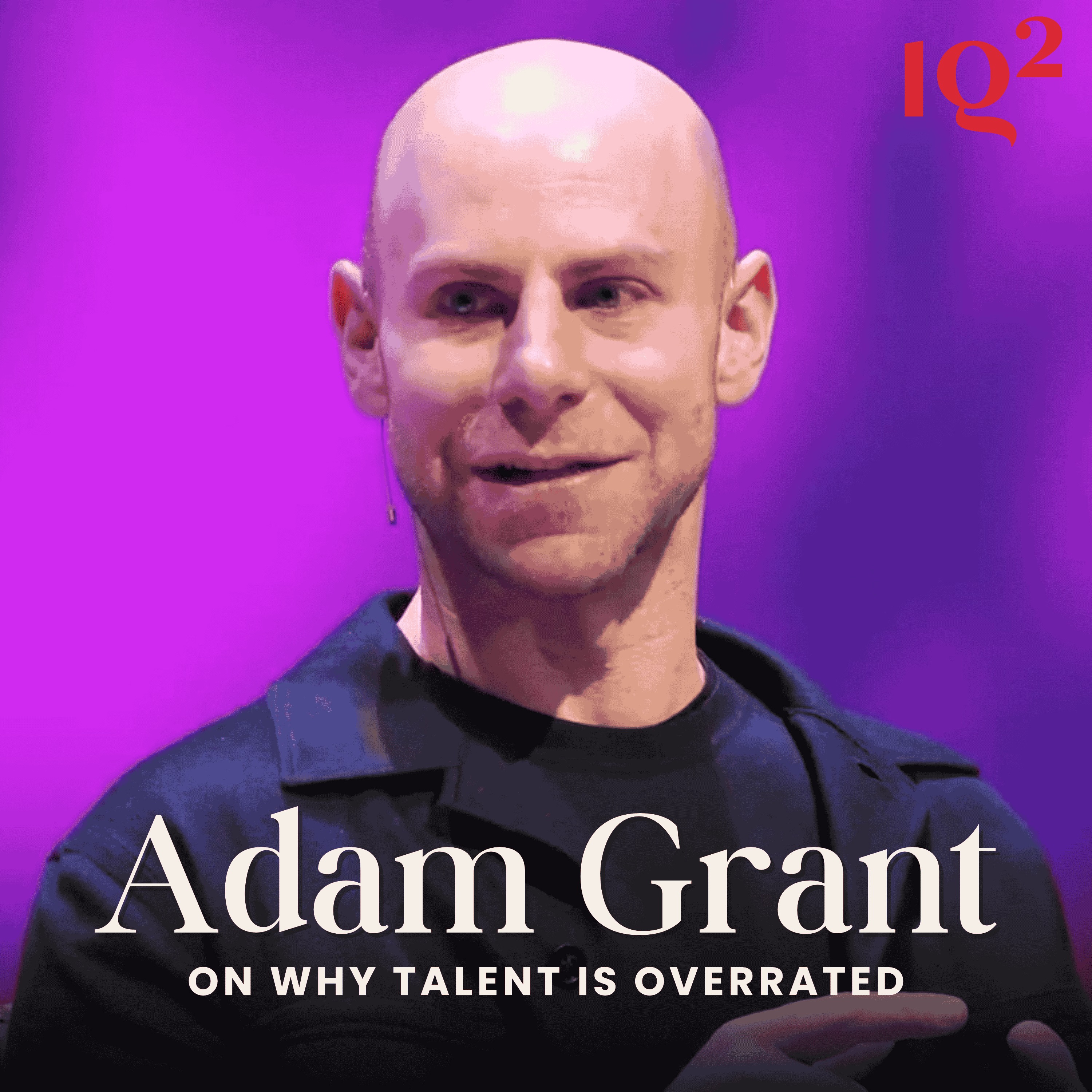
Adam Grant is one of the most sought after organisational psychologists in the world. He has provided expert advice to many of the world’s greatest business leaders, including Bill Gates and Sheryl Sandberg, equipping them with the mental tools to find motivation and meaning, rethink assumptions, and achieve greatness in their business and personal lives. In January 2024 Grant came to the Intelligence Squared stage for a rare, exclusive London event where he shared his revolutionary framework for how we can all exceed the expectations and aspirations we have set for ourselves. Drawing on his new book Hidden Potential he explained that despite living in a world that tends to admire people who start out with innate talent, there is clear scientific evidence that we can all bridge the biology gap and improve ourselves dramatically. In conversation with economist and FT columnist Tim Harford, Grant wove together groundbreaking evidence, surprising insights, and vivid story telling to take
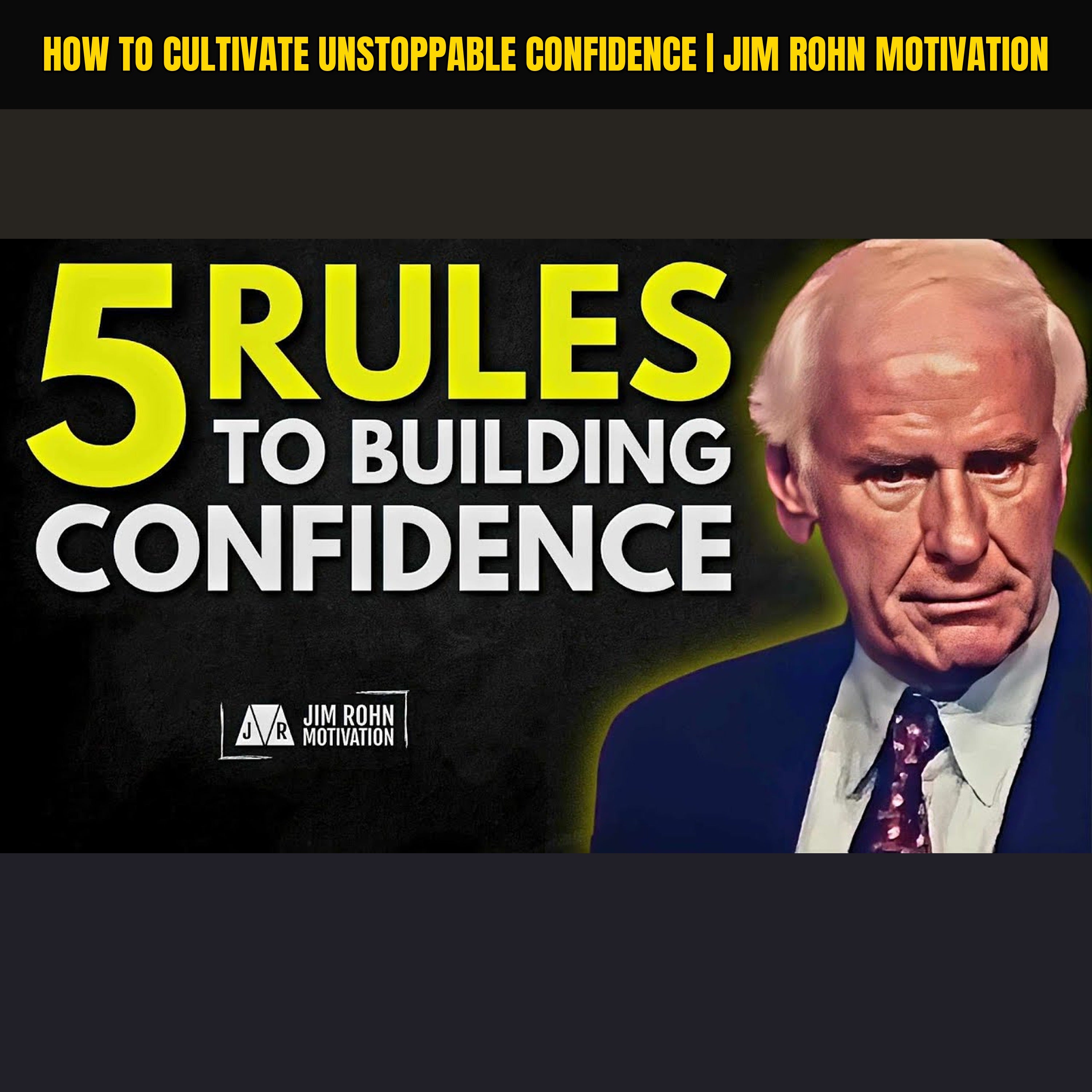
#JimRohnMotivation #JimRohn #JimRohnSpeech In this Jim Rohn Motivation video, Jim discusses how building confidence is a process that takes time, effort, and persistence. He outlines the steps to cultivate true self-confidence, not from external validation, but from mastering small disciplines and facing fears head-on.The Five Rules to Building Unshakable Confidence (Written Version): https://lincolnandmeade.com/2024/10/22/the-five-rules-to-building-unshakable-confidence/ Key Topics From This Motivational Video: - The process of building confidence, step by step - How discipline and consistency create lasting self-belief - Facing and mastering fears to grow confidence - The power of self-education and applied knowledge - Surrounding yourself with the right people to build confidence Confidence doesn’t come from grand gestures or occasional accomplishments, it’s built through daily small actions that reinforce self-trust. Jim emphasizes that confidence grows stronger as you face your fe
The sharp reply is ready before you finish reading the message. Some of it addresses the issue. Some of it only aims to hurt. Which response will you stand behind afterward? In this episode of The Level Up Podcast, Paul Alex breaks down how to communicate firmly under frustration while remaining accountable for your words. Paul connects lessons from police work with the responsibility to communicate clearly under pressure. Strong feelings can be acknowledged without turning the exchange into a personal attack. Before responding, identify the fact that needs attention and what you want the conversation to accomplish. Ask for the answer, correction, or boundary you need. Also check whether pressure from elsewhere is entering the exchange. Keeping the reply close to the actual situation gives your message a clearer purpose. In this episode, you’ll learn: • How to identify the result you need from a heated conversation. • Why firm communication does not require a personal attack. • What to
In this week's episode of The Wrap with Chris Whalen, Chris says Fed Chair Kevin Warsh has lost credibility with the markets. He compares Warsh to G. William Miller, Carter’s Fed chair, and argues that quarter-point hikes all year would have kept long-term yields in check. He also lays out what real leadership would look like: successive quarter-point hikes and a gap between the fed funds rate and the interest paid on reserves. Chris warns that rates are already at their upper bound. Long-term yields are up four and a half points since 2021, the bottom ten of the 38 mortgage companies he tracks are basically insolvent, and firms like Brookfield are walking away from commercial properties they can’t refinance. He explains why the Fed needs to think in spreads, not just rates, and why the push for centralized Treasury clearing could hurt demand right as Treasury needs to raise $800 billion in January, setting up a possible bond market breakdown. Plus: why central banks can’t fix war-driv
Europe's Little Anarchy: The Rise and Fall of Neutral Moresnet (https://bookshop.org/a/12343/9781501788147)(Cornell UP, 2026) uncovers the history of Neutral Moresnet: a once-forgotten space without borders, nationalism, or a recognized government. Between 1815 and 1919, this square mile of land wedged between Belgium, the Netherlands, and Germany was home to thousands of people living off the grid, free of taxation and oversight. But they also had no political status, police, legal currency, proper law courts, or government presence in sectors like public health, infrastructure maintenance, or education. Meanwhile, practical control over Neutral Moresnet lay in the hands of the local industry: a for-profit, multinational mining company that, because it owned rights to the land, also held a near monopoly on the supply of high-quality zinc to the rest of the world. Dr. Steven Press explores how the residents of Neutral Moresnet sought to improve their quality of life, appealing to Germa
Alice Springs–based architect Susan Dugdale was recently announced as the recipient of the Australian Institute of Architects’ 2027 Gold Medal – Australia’s highest architectural honour. Her projects, located in towns, remote desert plains, and tropical wetlands, demonstrate the possibilities of architectural rigour when budgets are modest and resources are few and far between. In this episode, Susan shares how limitations can produce better buildings and why, in the end, it all comes down to relationships. Further reading 2027 Gold Medal ‘Accomplished’ NT architect wins 2027 Gold Medal Australian projects honoured at global inclusive design awards Alice Springs: On edge in the centre AA 120: Sue Dugdale on Peter Skinner’s ‘Jungle Rhythms’
Protecting natural places can justify limiting visitor numbers.
Share your view, then see how readers voted. No sign-in required. This poll is shared across stories.
Do you agree or disagree?
Common Quandary
A Common Quandary to discuss
Another conversation to explore, separate from this news story.
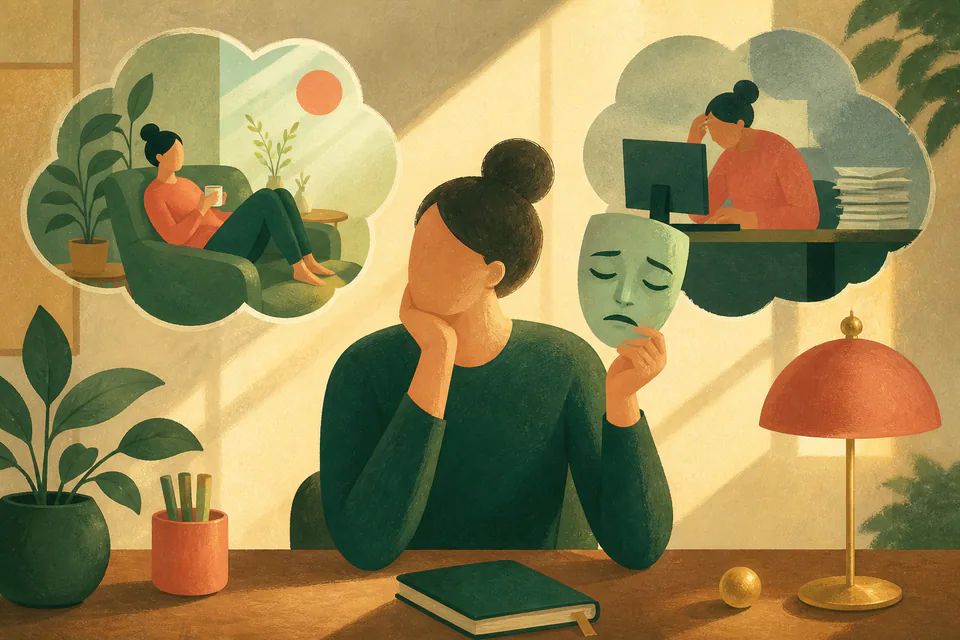
You are not sick—you just cannot face work today. Do you call in sick?
Your employer offers sick leave but no personal days. You are not physically ill, yet you feel exhausted and know a day away would help. Saying you are sick is the only way to take paid time off without explanation.
Do unjust workplace rules change the duty to be truthful?