Listen through the publisher, then discuss the episode here or arrange an in-person Roundtable. Your city determines where to meet.
Roundtables are designed for groups of four, with a shared subject and room for everyone to speak. Come for discussion, with no dating expectation.
️ Acne is almost never one thing, and the wellness industry on the internet keeps selling it as one. In this conversation, Sarah sits down with naturopath Lindsay Braid, who specialises in acne and PMOS. Why jawline and chin acne is so often androgenic and why SHBG and free testosterone tell you more than a total testosterone result. Plus why skin flares before your period, and how insulin resistance pushes the ovaries to make more androgens. We discuss diet and food fear, specifically: IGF-1 and the dairy debate, why goat’s and sheep’s dairy can behave differently, and what a low glycemic load approach actually looks like. What about the liver and gut? We chat through how fatty liver lowers SHBG and why juice cleanses and herbal “liver detoxes” can backfire. We also cover the medical side, from why the pill clears skin and the androgen rebound that can follow when you stop it, to when spironolactone and isotretinoin make sense, which tests are worth your money, and why Vitex can make acne worse in PMOS. Plus the mental health toll of acne, why your skin is often the last system to catch up, and why sometimes the answer really is a good dermatologist and skin barrier repair. Want to go deeper on stress? Listen to Cortisol, The Stress Cycle & How To Close The Loop. If you would like to book in with Lindsay, you can find her at Sanatio Naturopathy (https://sanatio.com.au/about/our-naturopaths/lindsay/). All sources are in the accompanying article on Substack (https://substack.com/home/post/p-224078654) and Patreon (https://www.patreon.com/arcwoman/posts/what-drives-acne-174783009). Arc Woman™ content is protected by copyright and trademark laws. Reuse or repurposing requires written consent. This podcast is not a replacement for medical advice.
Episode information is provided by the publisher. Listening takes place on the publisher’s service.
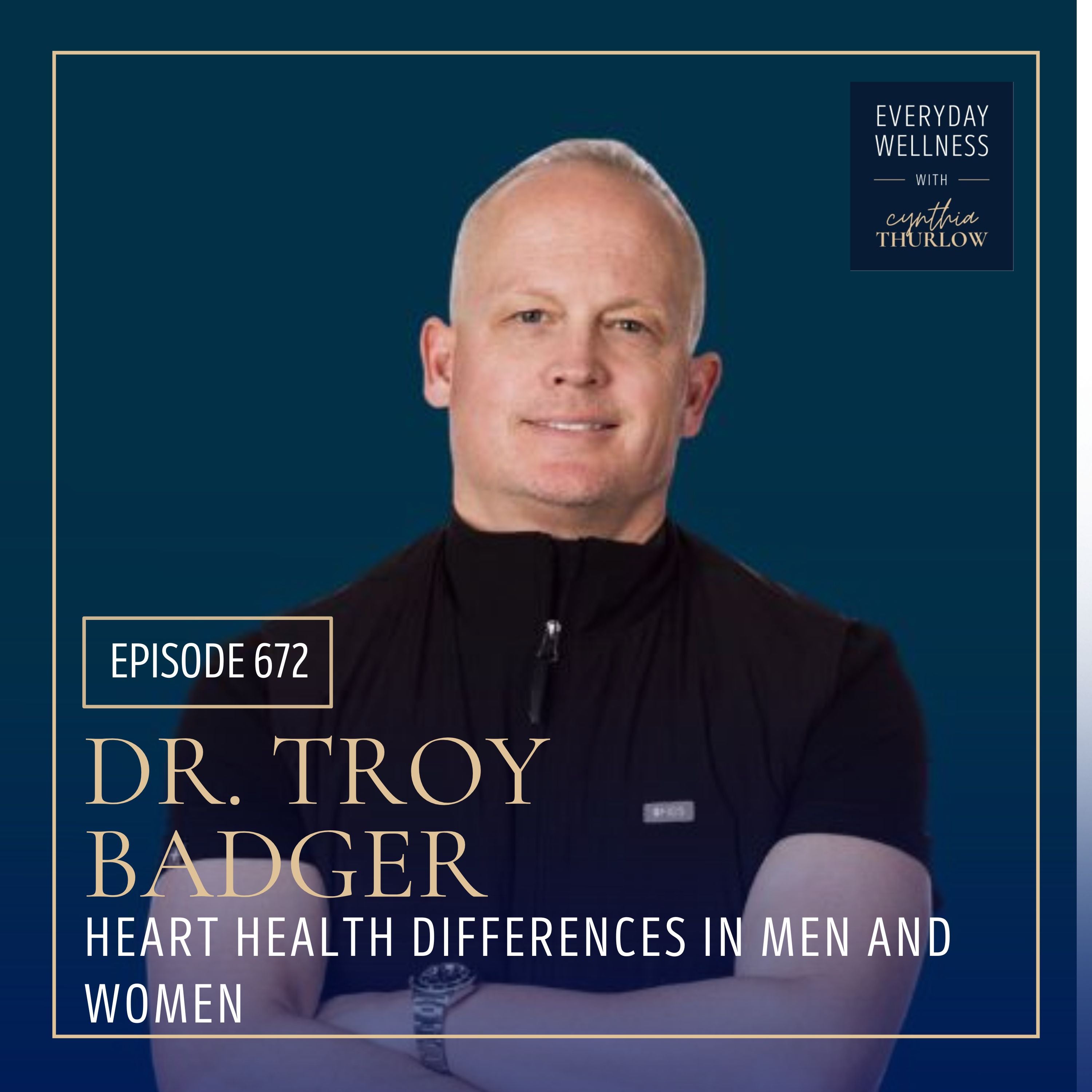
Today, I’m honored to connect with Dr. Troy Badger. He is a board-certified cardiologist and interventionalist and the founder of Cardiostrong, a concierge preventive cardiology clinic in Provo, Utah, focused on reducing cardiovascular risk, optimizing metabolic health, and improving strength and cardiorespiratory fitness for executives and athletes. In today’s conversation, we discuss Dr. Badger’s gender- and age-specific approach to heart health, including treatment differences for men and women, and diagnoses such as INOCA, SCAD, vasospastic disease, and Takotsubo. We examine emotions and their influence on heart health, coronary ischemia and cardiomyopathies, labs and diagnostics, how Dr. Badger assesses risk in his patients, and the differences between a CAC and a CCTA. Dr. Badger also shares the labs he finds essential for all patients and discusses the role of VO2 Max, cardiovascular training, and lifestyle—specifically nutrition, the use of GLP-1 drugs, and a multidisciplinary
Today, I’m sitting down with Shalin Shah (https://mariuspharma.com/team/shalin-y-shah/), whose personal health journey led him to challenge some of the biggest myths around testosterone therapy and men’s health. After being diagnosed with borderline low testosterone at the age of 30, Shalin launched a 13-year mission that not only resulted in the creation of the first FDA-approved oral testosterone pill, Kyzatrex, but also sparked him to advocate for better hormone education and diagnostics for both men and women. Episode Timestamps: Introduction and FDA changes regarding testosterone ... 00:00:00 Testosterone Project: advocacy and public health ... 00:06:37 Regulatory hurdles and the history of restrictions ... 00:08:17 Dispelling cardiovascular and prostate cancer myths ... 00:12:06 Declining testosterone trends and contributing factors ... 00:14:42 Concerns about low testosterone in younger generations ... 00:18:13 Importance of early screening and baselines ... 00:20:36 Early, over
In this episode of The WarriorBabe Show, Nikkiey reveals the 5 specific exercises that actually work for losing stubborn menopause belly fat - and why the crunches, cardio, and calorie cutting you’ve been doing aren’t the answer. She breaks down why you can’t spot reduce belly fat, what actually drives results (building lean muscle, training your deep core, and boosting your metabolism), and walks through each exercise step by step: goblet squats for targeting your largest muscle groups, dead bugs for activating the transverse abdominis (your body’s natural corset), Romanian deadlifts for hormone-friendly fat loss, plank pull-throughs for core stability under movement, and step-back lunges for balance, glute activation, and calorie burn - all without needing a gym. Plus why pairing these moves with the right nutrition strategy is the missing piece, and how the Macro Method has helped over 20,000 women finally see their menopause belly change. Full notes, timestamps and the transcript:
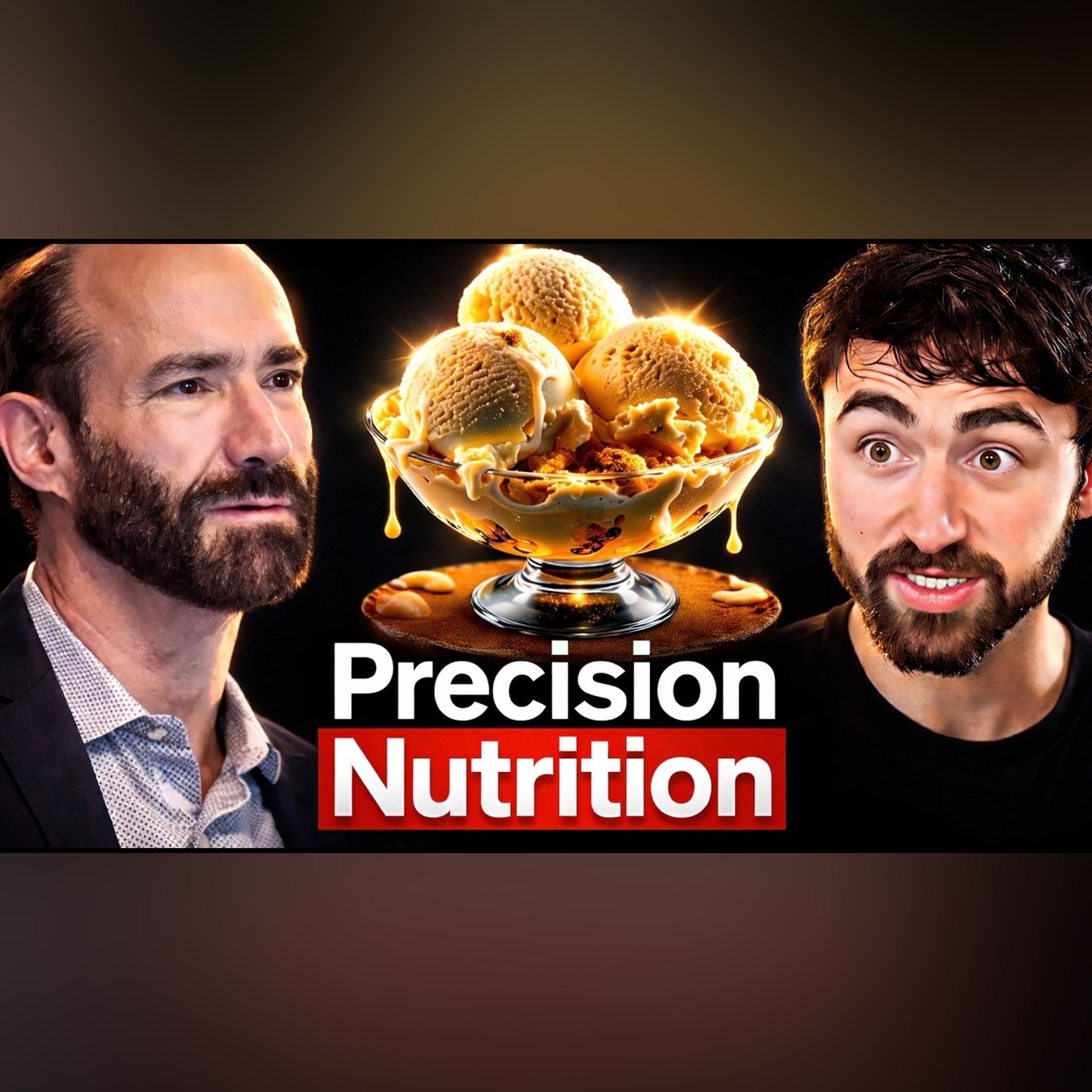
StayCurious Newsletter on Snyder’s Fiber Randomized Controlled Trial: https://staycuriousmetabolism.substack.com/p/fiber-is-good-for-you-is-lazy-science?r=40ekz2 StayCurious Newsletter on Inulin and Fructose Resistance: https://staycuriousmetabolism.substack.com/p/the-fiber-that-fights-fat-how-inulin?r=40ekz2 Snyder Interview 1, Four Types of Diabetes: https://youtu.be/mCrc4gfbK2o Snyder Interview 2, Most Viral Aging Study: https://youtu.be/kMpGkg4zMOU Snyder Interview 3, Most Beautiful Exercise Study: https://youtu.be/_9ywulQF2Ho Why does the same food spike one person’s blood sugar while barely affecting another? In this fourth conversation with Stanford’s Professor Michael Snyder, we explore new research on individualized glycemic responses, insulin resistance subtypes, and why one-size-fits-all nutrition advice keeps failing. From rice spiking glucose more than ice cream, to the power of the grape-to-potato ratio, and beyond, this discussion reveals how metabolism, microbiome, immu
Get the 200+ Page Optimal Living Daily Workbook (PDF) - Free. Want to turn today's episode into an actionable plan? Episode 3613: Jessi Kneeland explains why what most people need during the holidays is better support rather than more things to buy. She describes three places worth investing instead: regulating your nervous system through rest and gentle movement, setting and holding boundaries with family and obligations, and affirming your own sense of self when old roles pull you back. The takeaway is that keeping your own wellbeing at the top of the list is one of the healthiest habits to protect this time of year. Read along with the original article(s) here: https://www.jessikneeland.com/post/3-investments-to-make-this-holiday-season Quotes to ponder: "But the thing that most of us actually need isn't more stuff." "No matter what comes your way, as long as you're willing to choose yourself, you'll be ok." "So be on your own side and treat yourself like someone you love."
Golden Bachelor stars Peg Munson and Mel Owens dated for roughly a year, but what happens when reality TV chemistry meets real life? Chalene Johnson unpacks Peg's breakup interviews, the backlash against her, and the questions women dating after 60 know all too well. Elizabeth Holmes' partner Billy Evans is also talking, and his interviews about You Can See Everything raise fresh questions about Nathan Fielder, Lance Oppenheim, and what documentary cameras actually reveal. Chalene also gets candid about sexual health after 50, vaginal estrogen, and why hitting one million Instagram followers brought an unexpected reality check. Topics discussed: The Golden Bachelor, Debbie Siebers, Terri Alani, Midi Health, Camp Be More, Patreon, Waymo. https://www.patreon.com/TheChaleneShow/posts/pretty-woman-and-173921881chalene.com/more (https://www.patreon.com/TheChaleneShow/posts/i-just-need-to-175322202) Book your virtual visit today with MIDI Health! I use and love! https://chalene.com/midi (htt
️ Leaky gut gets blamed for everything from bloating to brain fog, but how much of it does the evidence support? This episode separates intestinal hyperpermeability from “leaky gut syndrome.” We walk through how the gut barrier works and where increased permeability is a real mechanism, like celiac disease and Crohn’s. It’s a risk factor, not a standalone cause, and healing the barrier alone hasn’t been shown to cure anything. We look at how estrogen and progesterone affect the gut barrier, and what that could mean for your cycle, pregnancy, and menopause. What actually raises permeability, from the strongest human evidence (NSAIDs, alcohol, stress) to the most speculative (glyphosate, microplastics). Testing without the hype: what to ask your GP for first, and why zonulin tests may not be measuring zonulin at all. What to do about it, from fibre and fermented foods to which supplements actually have human data. All sources are in the accompanying article on Substack (https://substack.
Health technologies should demonstrate better patient outcomes before widespread adoption.
Share your view, then see how readers voted. No sign-in required. This poll is shared across stories.
Do you agree or disagree?
Common Quandary
A Common Quandary to discuss
Another conversation to explore, separate from this news story.
You wear an expensive outfit once and return it spotless. Clever or dishonest?
You buy an expensive outfit for a single event, keep it spotless, and return it the next day. The store's generous policy allows returns without asking whether an item was worn.
Does exploiting a policy differ from breaking a rule?