What NVIDIA is trying to build next… You're probably hearing a lot about AI, DeepSeek, NVIDIA and more right now. If you want the big picture (and to start from the beginning), watch this Huge Conversation with NVIDIA CEO Jensen Huang. In the last few years, NVIDIA has skyrocketed to become one of the world's most valuable companies. That's because, beginning in the 90s, they led a fundamental shift in how computers work, now unleashing the current explosion of what’s possible with technology. A huge amount of the most futuristic tech you’re hearing about - in AI, robotics, gaming, self-driving cars, breakthrough medical research - relies on new chips and software designed by him and his company. During the dozens of background interviews I did to prepare for this, what struck me most was how much Jensen Huang has already influenced all our lives over the last 30 years, and how many are saying it’s just the beginning of something even bigger… We all need to know what he’s building and
Health is rarely lost in one decision, and it is not regained in one either. Through the night, this track lays down the small, repeated care that vitality is actually built from. Unwind now with our positive sleep affirmations podcast. Hit play, and drift into Good Sleep... Spotify: https://open.spotify.com/show/3OuJvYoprqh7nPK44ZsdKE And start your morning with Optimal Living Daily!
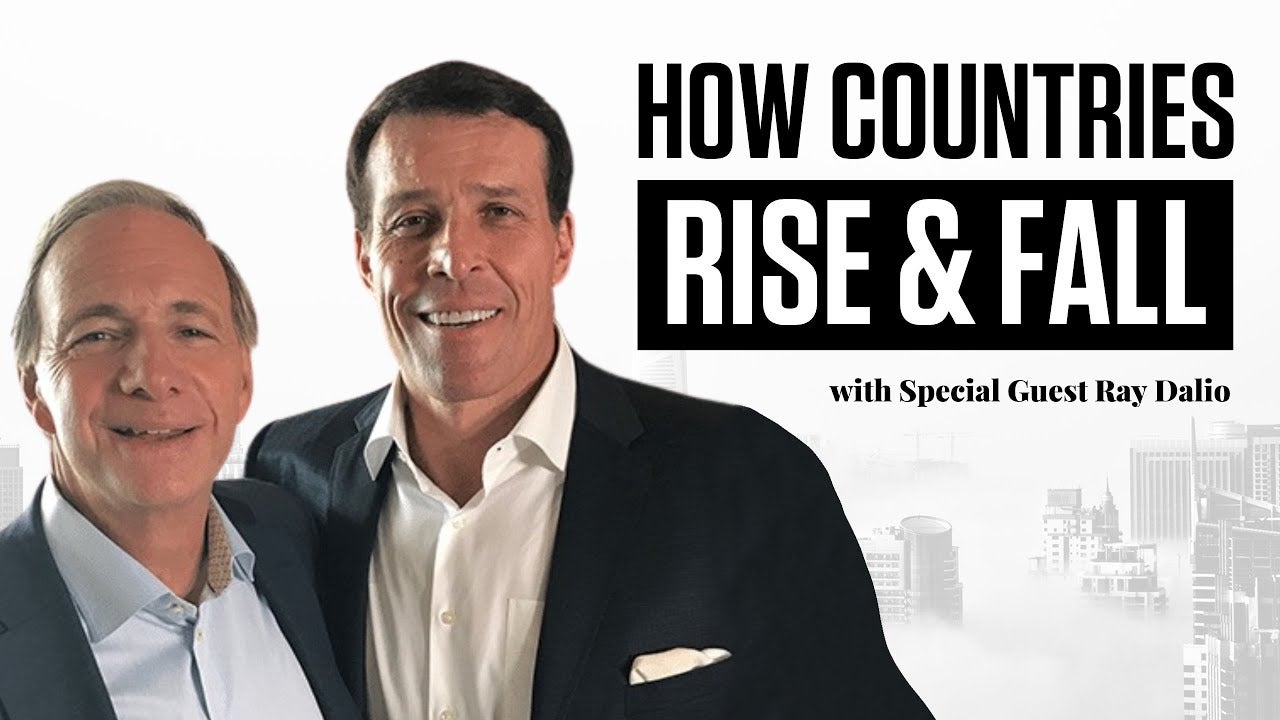
Changing World Order with Ray Dalio How countries rise and fall | What cycles of history can teach us now Uploaded 29-07-22 "Power comes to those that can recognize patterns" Tony Robbins SHOW NOTES : 1:39 Tony on the Power Patterns 8:51 The Cycle Explained: What's a New World Order? 16:00 What's a populist? 18:50 The 8 Measures of Power 23:52 The 3 Big Events that lead to a Changing World Order 28:40 Why did Donald Trump get elected in 2016? 31:02 The 5 Types of War 35:20 Ray's methodology of studying history 40:17 The collective experience is all about how we are with each other 41:29 Education, and disparity in the state of Connecticut 46:49 They call them revolutions but they're civil wars 54:03 Ukraine, Russia, and China 1:03:02 Inflation: What got us here and what do we do now? 1:10:00 Taking away buying power to fight inflation = period of stagflation 1:14:47 The Holy Grail of Investing = diversified uncorrelated assets 1:18:28 More on China 1:24:25 Ray's 3 Tips: How You Can Avo
Microsoft systems down. Air traffic systems down. Problems at Chase, United and Apple. After a week of outages across big systems, the AI conspiracy theories are in full swing. CrowdStrike founder and CEO George Kurtz joins Rapid Response to explain what’s actually going on. Kurtz describes how AI agents can turn a patch into a working exploit within an hour, why the old pyramid of hacktivists, criminals, and nation states has collapsed, and how CEOs are now taking services offline rather than risk being hacked. He also discusses CrowdStrike’s new AI Kill Switch, why slowing down the frontier labs won’t slow down the attackers, and what endurance racing has taught him about risk and speed. Visit the Rapid Response website here:https://www.rapidresponseshow.com/
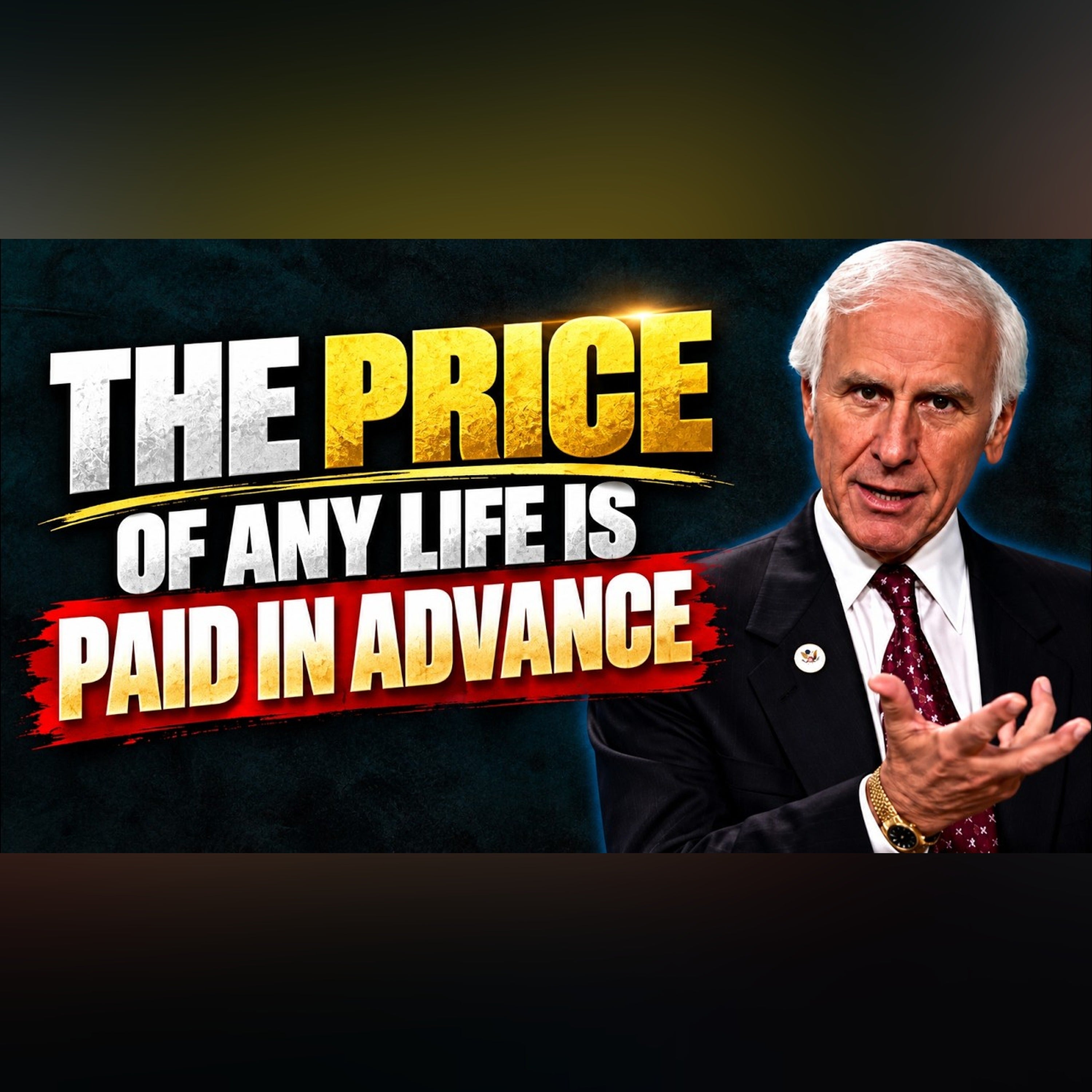
So what are you willing to pay for the life you say you want? Because everything has a price. Every single thing worth having in this life carries a cost, and that cost is real, and that cost is non-negotiable. The sooner you make peace with that, the sooner you stop being surprised by a world that was never going to be free. Uploaded 14-10-26 Most people understand this in theory. They'll nod along. Of course there's a price, they say. But there's a difference between knowing something as a slogan and knowing it in your bones — and the difference shows up at exactly the moment the bill actually arrives. Here is the truth: the price of any life is paid in advance. Not at the end. Not along the way. In advance. The people who get the life they want settle the account before they ever begin. The people who don't are the ones who thought they could enjoy the purchase first and figure out the payment later. This seminar unpacks the single mechanic behind why some people finish what they st
A.I. for Building Self-esteem: Seeing Yourself More Clearly and Kindly, a practical, beginner-friendly look at how artificial intelligence can help you see yourself a little more clearly and kindly. Building Self-esteem? Press play on Episode 427 of A.I. for Beginners and learn exactly how artificial intelligence, especially ChatGPT, alongside a journaling app, can help you see yourself a little more clearly and kindly. WHAT YOU WILL LEARN IN THIS EPISODE - Why building self-esteem is so hard to handle alone, and what is actually going on underneath it - A specific way to use a journaling app to work through it, step by step - An example prompt you can copy word for word: "Help me notice when I'm judging myself far harsher than I'd judge a friend" - A second practical technique, with another ready-to-use prompt: "Help me write down three qualities I actually like about myself, beyond achievements" WHO THIS EPISODE IS FOR - Anyone currently working on building self-esteem - Anyone curio
The Democrats won a landslide victory in the midterms. How could they actually wield power effectively during Trump’s final two years. Or: how could they Charlie Brown another football? We take our questions this week to Search Engine’s chief political correspondent Ezra Klein. Become an Incognito Mode member! (https://searchengine.supercast.com/)
Food labels should explain environmental and ethical claims in verifiable terms.
Share your view, then see how readers voted. No sign-in required. This poll is shared across stories.
Do you agree or disagree?
Common Quandary
A Common Quandary to discuss
Another conversation to explore, separate from this news story.
Everyone loves the group photo except you. Can you forbid them from posting it?
At a reunion, someone takes a joyful group photo that captures the night perfectly. Everyone looks wonderful except you, caught at an awful angle. The group wants to post it publicly and promises nobody else will care.
How much control should one person have over a memory shared by many?