Listen through the publisher, then discuss the episode here or arrange an in-person Roundtable. Your city determines where to meet.
Roundtables are designed for groups of four, with a shared subject and room for everyone to speak. Come for discussion, with no dating expectation.
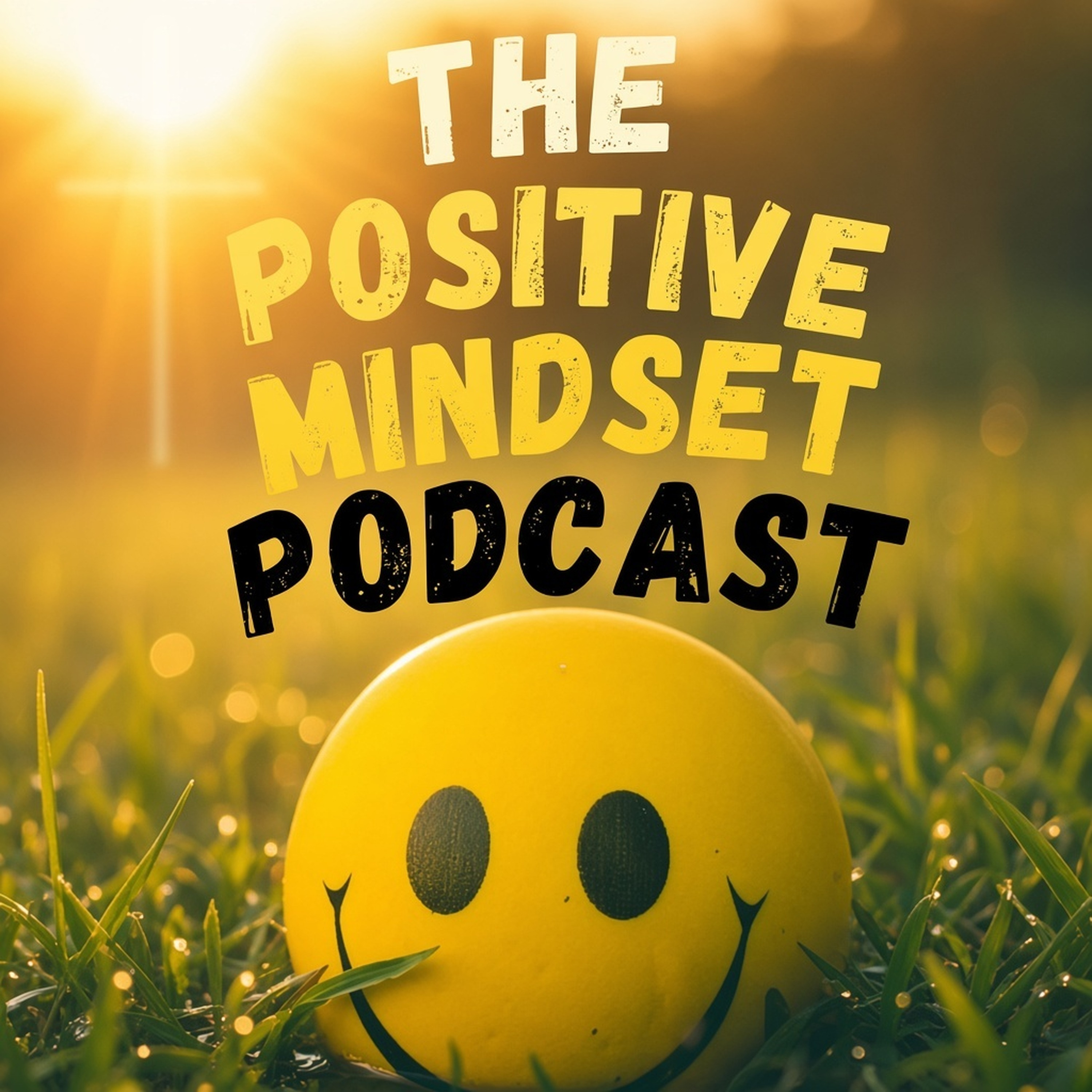
You have a choice to react to a situation or glorify God in it. In this mindset shift from The Positive Mindset Podcast, Henry Lawrence talks about the choice every one of us faces when something hurts: react to the situation, or glorify God in it. It's easy to say thank you God when the promotion comes or something works out. Henry shares why the moment the hurt and the abandonment show up is exactly when you go to Christ even more, and why we keep trying to get ourselves right first when God is supposed to come in and change us. He paints a picture of a little hole-in-the-wall restaurant in Italy that you could never fully describe to someone back home, and walks through what he's learning to do when frustration hits: pause, put on worship, find the verse, read the whole chapter, and let your perception change. Near the start Henry leads a centering deep breath, and it closes with a final deep breath, the rising tide and a prayer. In this episode: • "When you bring God into the situation, you change." • "You can't be broken anymore. It doesn't mean you won't still cry." • "God is supposed to come in and change us." • "Your perception is your reception." • "That new version of you is Christ first, is God first." Follow @realhenryg on Instagram and TikTok. Pulled from the full episode "How to Turn to God When It Hurts: Going From Reacting in Pain to Choosing God First" (Nov 19): https://podcasters.spotify.com/pod/show/positive-mindset-podcast/episodes/How-to-Turn-to-God-When-It-Hurts-Going-From-Reacting-in-Pain-to-Choosing-God-First-e3sljse
Episode information is provided by the publisher. Listening takes place on the publisher’s service.
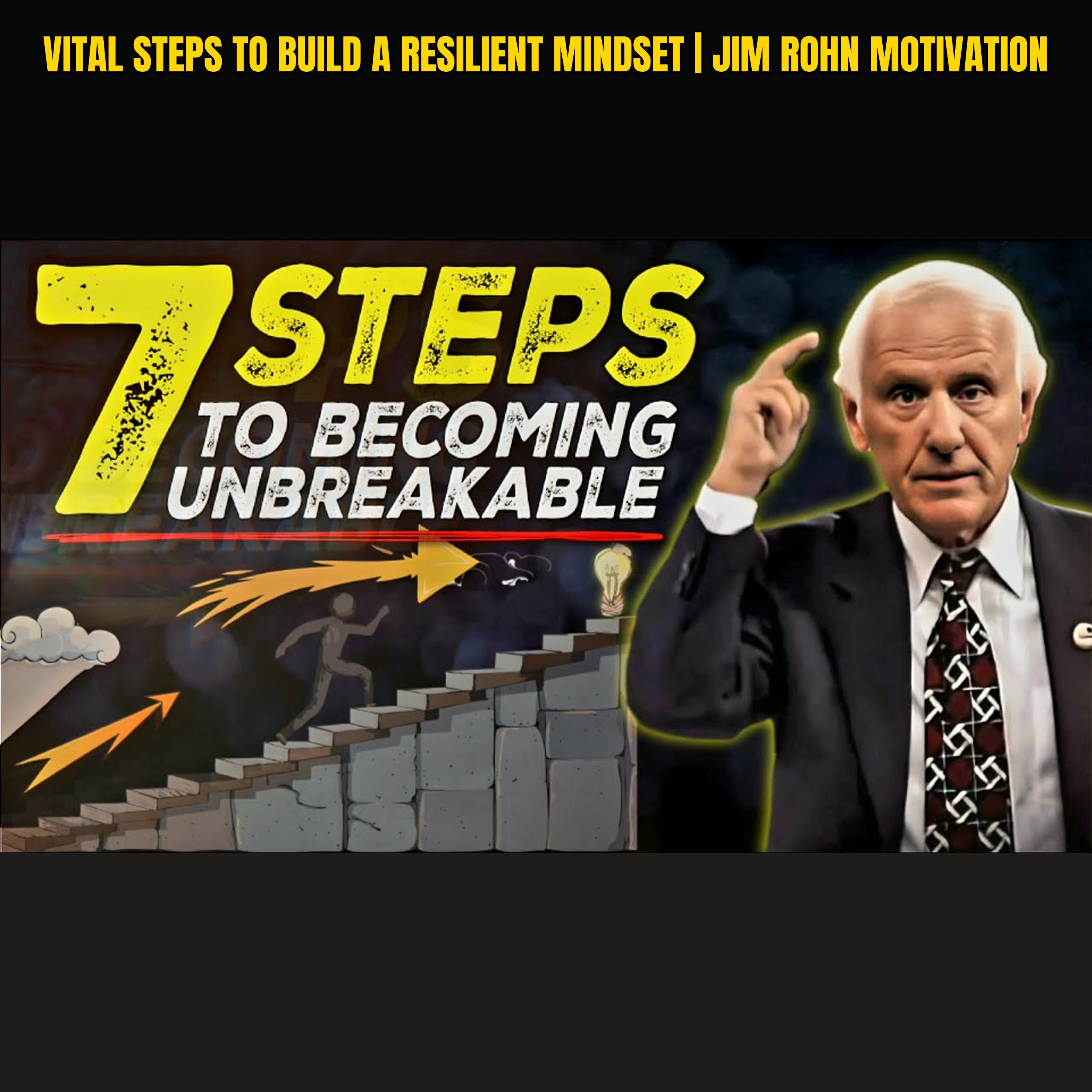
#JimRohnMotivation #JimRohn #JimRohnSpeech In this Jim Rohn Motivation video, we unpack the real meaning of resilience—not as something you're born with, but something you build. It’s not about pretending life is easy. It’s about developing the mindset, discipline, and strength to keep going when everything in you says stop. Key Topics From This Motivational Video: Resilience as a skill, not a trait Taking full ownership of your life and mindset Reframing adversity into growth opportunities Emotional regulation and grounded self-talk Endurance, grit, and the decision to grow daily This Jim Rohn Motivational video reminds us that resilience doesn’t come from waiting for life to calm down—it comes from training your mind to rise in the middle of the chaos. It’s a mindset built on consistent ownership, reframed challenges, and the ability to lead yourself under pressure. Strength isn’t given. It’s earned—through the unseen decisions you make when no one is watching. This Jim Rohn Motivati
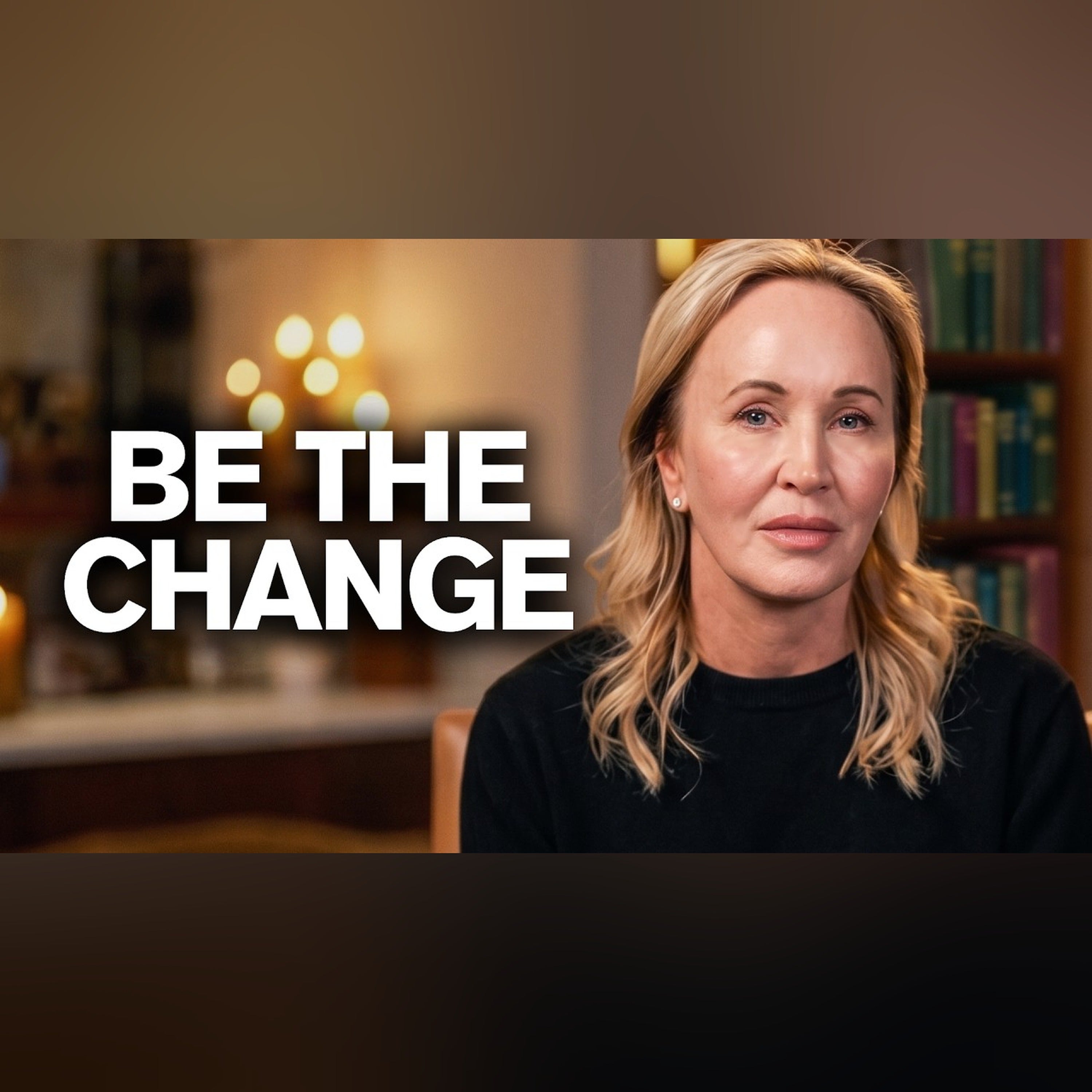
If we want a greater level of peace, if we want the world to be different, it begins with choosing to be different ourselves. In this talk, Sage Robbins shares PEACE, the framework for ignited leadership that has been her North Star at home and in business. Leadership, she reminds us, isn't just in our businesses, we're all leaders, as parents, friends, and family and it's less about our words than the energy we're transmitting. Uploaded 23-08-26 The five keys: Presence (state of being over projection or performance), Embrace (holding your ground in the totality of life, not the absence of chaos), Accountability (leaning in and going first, tidying up our own internal mess), Conscious responses (catching our triggers and asking whether we're contributing to harmony or to the schism), and Extending it outward in service (empowering others to shine). None of it is about being perfect, it's about catching ourselves in real time and choosing love over fear. Because the world isn't changed
Get the 200+ Page Optimal Living Daily Workbook (PDF) - Free. Want to turn today's episode into an actionable plan? Episode 4238: Karl Staib explains microgratitude, the practice of setting up a grateful mindset before an interaction and looking back on it with appreciation afterward. He shares five small ways to feel it each day, from appreciating something about a person before greeting them to smiling at everyday things, and how a gratitude journal helps the habit stick. Read along with the original article(s) here: Quotes to ponder: "The idea of microgratitude is to set yourself up for gratitude before you even enter a situation." "If you can plant little seeds of gratitude and positivity throughout your day, you'll have a better time and get so much more out of each experience." "It's all about looking at small things in life and seeing all the amazing opportunities they offer if you are willing to appreciate them." We spend so much of our lives caught up in our thoughts... that w
What could a hacker find about you in just 20 minutes? Old passwords? Phone number? Childhood home? Ethical hacker Ryan Montgomery aka 0day reveals how exposed your personal data already is, and the simple moves that protect your online privacy. Ryan Montgomery is an ethical hacker and cybersecurity expert who overcame addiction and jail as a teenager to become a go-to expert helping law enforcement unmask online predators. He is the founder of the cybersecurity company Pentester and works with the Sentinel Foundation on child-crime and counter-trafficking investigations. His tools are built on the same technology he uses to track predators, and they show ordinary people exactly what’s exposed about them online and then remove it. In this episode, he explains: ■ The Reverse Password Trap: One unique old password leaked in a data breach lets hackers trace every other email account you’ve ever tied to it. ■ The Invisible Footprint: Even people who have never used a computer are exposed,
Do you ever feel hurt when your kids choose your partner over you? Maybe they always want your spouse to sit next to them or drive them somewhere. Even though you know they love you, it can still feel like rejection. In this second episode of Thanks, Brain!, my best friend and fellow coach Rachel Hart shares how she spent months feeling angry and hurt because her two boys consistently preferred their dad, and how she changed that experience for herself. I also share a Thanks, Brain! moment of my own, when I realized that what I'd been calling dread before filming might actually be something else entirely. We explore how the stories we attach to physical sensations can change how we experience them, without needing to change the sensations themselves. Get full show notes, transcript, and more information here: https://schoolofnewfeministthought.com/548 Follow Kara on Instagram: instagram.com/karaloewentheil/ (https://www.instagram.com/karaloewentheil/) Follow Rachel on Instagram: instag
In this episode, you’ll learn the secret to a better, happier life: connecting with the people around you. When I met my husband Chris, I was at a bar ordering a bourbon on the rocks to go. In a plastic cup (very classy, I know). Then I heard a voice behind me say, “That sounds great. Make it two.” I turned around. And here we are, celebrating 30 years of marriage. That one moment led to three children and decades of memories. All because a stranger decided to say something. I’ve been thinking about this ever since I sat down with Dr. Nicholas Epley for today’s episode of The Mel Robbins Podcast. He’s a psychologist and behavioral scientist at the University of Chicago who has spent years studying how we connect with other people, why we so often get it wrong, and what we miss out on when we don't say something in these moments: friends, lovers, colleagues, and magic. His research has found that happiness isn't just about the occasional big moment in life. It's about all the little goo
What if the way you've been practicing gratitude is starting in the wrong place? On Thanksgiving Day, in this unscripted episode of The Positive Mindset Podcast, Henry Lawrence talks to anyone walking into a table full of blessings, or an empty chair, and shows why the highest place to start giving thanks is with praise for God Himself. Henry explains why most of us were taught gratitude backwards: we start with our circumstances and ask them to give us something good, so our peace only ever matches what's going on outside us. He flips it. The true foundation is above us, a Father in heaven who loves you and gave you the chance to spend eternity with Him, and everything else in life is downstream from that. From there he talks about why starting with God isn't skipping your problems, how your perception becomes your reception, why you can sit in front of a full table and still be poor in spirit, and why praise isn't denial, it's order. He leads an opening breath, an invitation to welco
I would give credit to the process, not to the creator. In this Afternoon Vibe from The Positive Mindset Podcast, Henry Lawrence gets honest about something he used to do: give all the credit to the process and none to the Creator. The I am statements, changing your identity, the techniques all work, and that's exactly how the creation quietly becomes the idol. Henry talks about why no amount of logic can get you there, why there's a movement happening right now and a choice in front of you, and what real sacrifice is: not leaving behind the things you didn't want anyway, but letting go of the things you actually love. He closes on the calling, the warning of "depart from me," and the one place real understanding comes from: pursuing the Lord first. In this episode: • "When you turn the creation into the idol and you use the creation, guess what seat that puts you in? God." • "There is no amount of logic that would make this make sense." • "Leaving the stuff that you didn't want anyway
What do you do when you feel backed into a corner, the plan you were sure was meant for you falls through, and you honestly have no idea which way to turn next? In this raw, unscripted episode of The Positive Mindset Podcast, Henry Lawrence shares from right inside that moment—speaking to anyone sitting with the question, "What do I do?" Henry opens up about walking in faith after a door he felt certain had lined up closed unexpectedly. Instead of pretending he already has the neat answer, he walks through the shift in real time: checking the ego that resists asking for help, recognizing when we're asking God to help us control an outcome versus surrendering to His will, and discovering who we really are in our core when there is nothing external left to support it. He invites you to stop carrying the weight alone, hold your head high because of who your Father is, and bring the struggle to God first—not only in crisis, and not as a last resort. He leads an opening breath and prayer, a
Moving a contested monument to a museum can be better than leaving it unchanged or destroying it.
Share your view, then see how readers voted. No sign-in required. This poll is shared across stories.
Do you agree or disagree?
Common Quandary
A Common Quandary to discuss
Another conversation to explore, separate from this news story.
Your adorable child could pay for college by becoming an influencer. Do you start filming?
Parents post cheerful videos of their young child and earn enough to fund the child's education. The child enjoys filming now but cannot understand what it means for strangers to watch those moments years later.
Can parents consent to a permanent public identity on a child's behalf?