Why Aren't Planes Electric Yet?
Listen through the publisher, then discuss the episode here or arrange an in-person Roundtable. Your city determines where to meet.
Roundtables are designed for groups of four, with a shared subject and room for everyone to speak. Come for discussion, with no dating expectation.
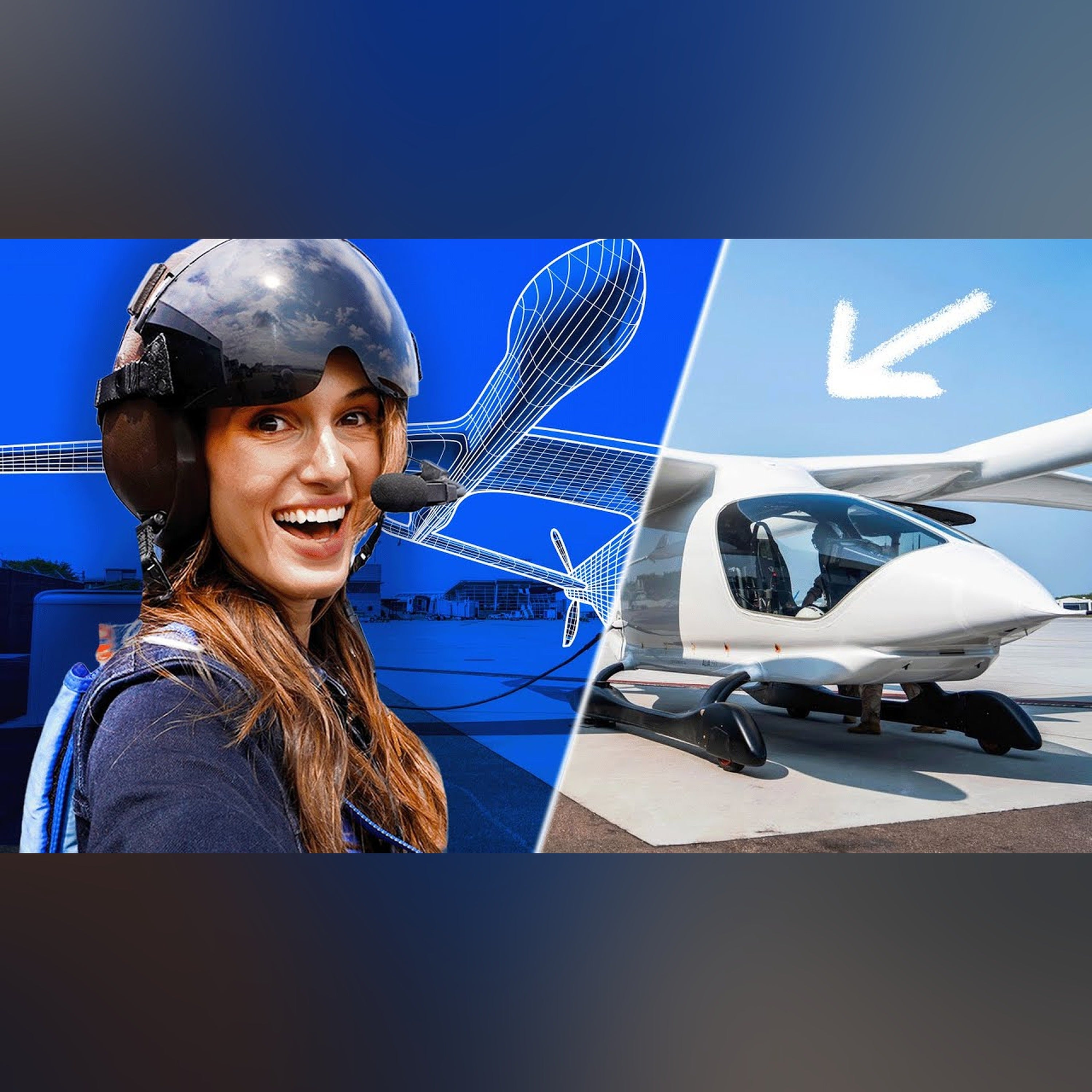
Electric planes are already here. But they don't look like I thought... If you want more optimistic stories about technology, subscribe to support our show! Are electric planes possible? And if so, when are they coming?? Turns out, they’re already here. For this episode of Huge If True, I went to visit an electric plane company called Beta. Before the shoot, I thought the weight of batteries basically meant electric planes weren’t that useful, and wouldn’t be for a long time. What I learned is that in the last 10 years, we’ve gotten a lot better at making batteries (look at your phone!). Those gains mean electric planes are starting to do more. And that’s a big deal - for carbon emissions and climate change, but also for redesigning how planes look and fly. The future of aviation will look very different than the planes you take today. I couldn’t fly in one of the electric planes (trust me, I tried!), but I did get up in the air another way… To support Huge If True, please consider subscribing: https://www.youtube.com/cleoabram?sub_confirmation=1 Chapters: 00:00 Electric planes are here 00:56 Why are electric planes important? 02:16 Why are there no electric planes? 03:36 How do electric planes work? 05:52 What do electric planes look like? 06:42 What is VTOL? 07:48 How do electric planes slow climate change? 09:14 What is the future of airplanes? Sources and further reading: - Carbon emissions from aviation, Our World In Data: https://ourworldindata.org/co2-emissions-from-aviation - Carbon emissions by short-haul v long-haul flights, Our World In Data: https://ourworldindata.org/breakdown-co2-aviation - Carbon emissions by short-haul more detail, ICCT: https://theicct.org/sites/default/files/publications/ICCT_CO2-commercl-aviation-2018_20190918.pdf - More on Beta in the New York Times: https://www.nytimes.com/2022/04/16/business/beta-electric-airplane.html - Airships through the ages, The New Yorker: https://www.newyorker.com/tech/annals-of-technology/airships-through-the-ages - Battery math for volumetric energy density (Wh/L): 2010: Aviation fuel is ~30-34 MJ/L = ~8300-9000 Wh/L = ~100x lithium ion batteries in 2010 which were about 90 (source: Dept of Energy). 2020: Aviation fuel remains ~30-34 MJ/L = ~8300-9000 Wh/L = ~20x lithium ion batteries in 2020 which were about 450 (source: Dept of Energy). https://www.energy.gov/eere/vehicles/articles/fotw-1234-april-18-2022-volumetric-energy-density-lithium-ion-batteries - Battery math for gravimetric energy density (Wh/kg): 2010: Aviation fuel is 46.2 MJ/kg (roughly) = 12833 Wh/kg = 12833 / 250 = ~50x lithium ion batteries in 2010 which were roughly 250 (source: Beta). 2020: Aviation fuel remains ~46.2 MJ/kg = 12833 Wh/kg = 12833 / 370 = ~34x lithium ion batteries in 2020 which were roughly 250 (source: Beta). Be featured in an episode - upload questions for me to answer! https://www.dropbox.com/request/Edocsb2kErpueQ7F9T1Q You can find me on TikTok here for short, fun tech explainers: https://www.tiktok.com/@cleoabram You can find me on Instagram here for more personal stories: https://www.instagram.com/cleoabram You can find me on Twitter here for thoughts, threads and curated news: https://twitter.com/cleoabram Bio: Cleo Abram is an Emmy-nominated video producer and journalist. Cleo produces detailed explainer stories about technology and economics. She wrote the Coding and Diamonds episodes of Vox’s Netflix show, Explained, was the host and a senior producer of Vox’s first ever daily show, Answered, as well as a host and producer of Vox’s YouTube Originals show, Glad You Asked. She now makes her own independent show, Huge If True. Each episode takes on one big technology innovation or idea, explains what it is, and helps people imagine the ways it could improve the world we live in by answering one simple question: If this works, what could go right?
Episode information is provided by the publisher. Listening takes place on the publisher’s service.
Listen at the source ↗