English-language podcasts

Growth Mindset Psychology: The Science of Self-Improvement

Why Can't We Just Enjoy What We Have? The hidden psychology of dissatisfaction
10 min

Listen through the publisher, then discuss the episode here or arrange an in-person Roundtable. Your city determines where to meet.

Roundtables are designed for groups of four, with a shared subject and room for everyone to speak. Come for discussion, with no dating expectation.

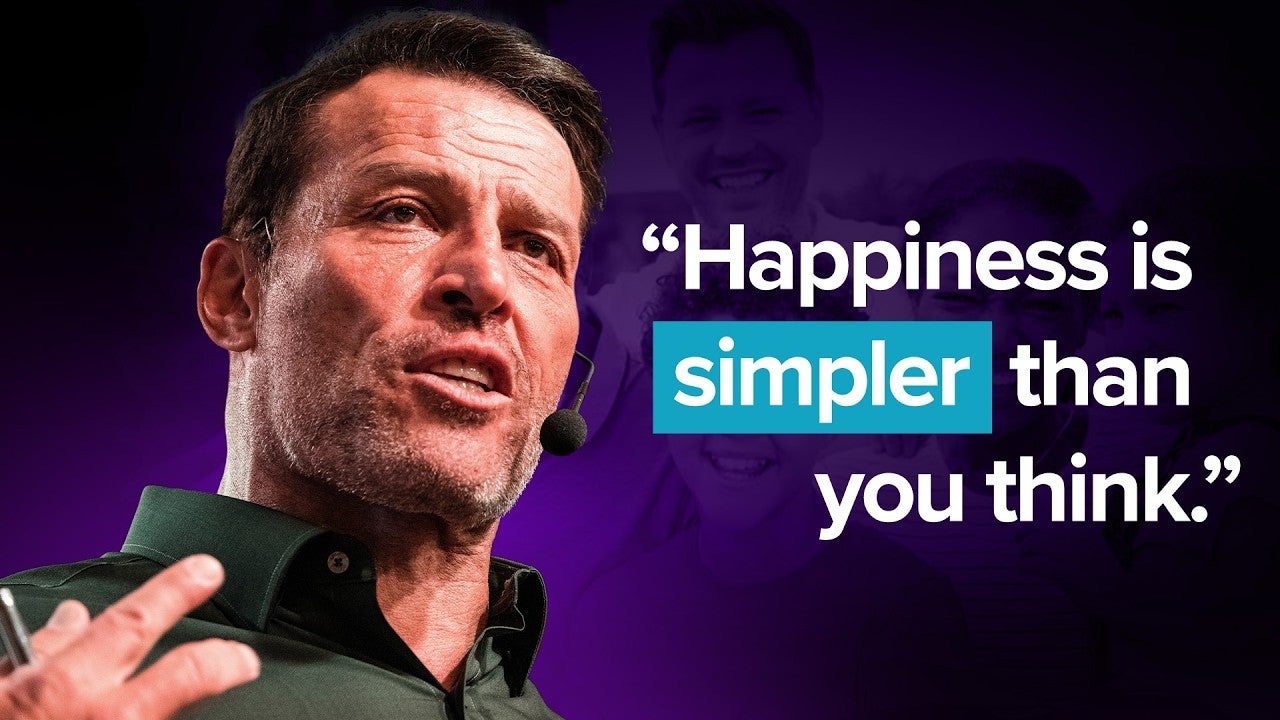
The psychology of desire, envy, and the ever present hedonic treadmill. You can live in an age of hot showers, antibiotics, abundant food, and instant entertainment... yet still feel vaguely cheated by existence. This episode examines why. We adapt astonishingly quickly to comfort, a process known as hedonic adaptation, and then measure ourselves against people whose lives appear shinier, richer, and more effortless than our own. Jimmy Carr calls the result “life dysmorphia”: a persistent sense that life is worse than it is, even when it is historically extraordinary. The episode offers a small corrective: not forced gratitude, but a more accurate view of what you already possess. Notice ways you make yourself feel bad for no reason Compare your life with the past, not with a stranger’s curated present. Identify one desire you can consciously stop feeding this week. If life has never been objectively better, perhaps the real challenge is learning to see it that way. SPONSORS ️ Base44 (https://base44.com/psychology) ⛷️ Stio (https://www.stio.com/psychology) Ski wear designed and tested in Jackson Hole Gear up the way the locals do ☺️ NOCD (https://learn.nocd.com/growthmindset) Struggling with OCD or unrelenting intrusive thoughts, NOCD can help Book a free 15 min call Alex Honnold interviews people reshaping what's possible Part of the Rolex Perpetual Plant Initiative Found on all major podcast players: Spotify - https://open.spotify.com/show/1Fj3eFjEoAEKF5lWQxPJyT YouTube - https://www.youtube.com/@HowToChangeTheWorldPodcast UPGRADE to Premium (https://bit.ly/GrowthMindsetPremium): ️ Ad-free listening Exclusive AMAs and bonus content Growth Mindset Psychology: Watch - YouTube (Growth Mindset) (https://bit.ly/GrowthMindsetYT) Website - Growth Mindset (https://bit.ly/GrowthMindsetSite) Email - GrowthMindsetPodcast (@) gmail.com Chapters 00:00 The Pressure of Social Media Fame 01:11 Life Dysmorphia and Upward Comparison 02:13 Gratitude Beyond the Obvious 03:19 The Privilege of Modern Conveniences 05:25 The Illusion of Enough 06:46 Valuing Life Over Wealth 07:46 The Five-Minute Episode Challenge 07:59 Send Off Topics Why a good life can still feel dissatisfying Life dysmorphia and the illusion of not enough Social media, comparison, and feeling behind The hedonic treadmill and rising expectations Why desire can make happiness feel temporary Upward comparison and everyday envy Gratitude without clichés or forced positivity Historical perspective on modern quality of life The value of appreciating ordinary comforts Defining enough in a culture of constant wanting

Episode information is provided by the publisher. Listening takes place on the publisher’s service.

Listen at the source ↗

Featured places to meet in Palo Alto, CA

Explore these places and arrange a conversation through ThinkMatch.

City guide for Palo Alto, CA

More from Growth Mindset Psychology: The Science of Self-Improvement

Growth Mindset Psychology: The Science of Self-Improvement

14 Habits Keeping You Poor (and you probably have at least 3)

19 min

Somewhere between your first pay rise and your third unnecessary gadget, your bank balance quietly gave up. Fear not: the human brain, is both the cause and the cure. Evolution built us to grab the biscuit now and worry about the famine later. That served us splendidly on the savannah and rather less so with credit cards charging 22% interest. This episode examines 14 financial habits, from lifestyle inflation and keeping up with the Joneses to the curious belief that tomorrow is a reliable place to start. There is good news, though. Habits are learned, so they can be unlearned, and the fixes are almost embarrassingly small. Even £5 a week beats waiting for perfect conditions, which, like the unicorn, have never been spotted. The maths is unkind, but the remedies are gentle. Automate savings before you can spend them. Check your credit card interest rate this week. Start with a small, imperfect amount today. Listen now, and find out which habits your inner caveman is running. SPONSORS

Discuss this episode

Growth Mindset Psychology: The Science of Self-Improvement

How to Want Less in a World That Wants You to Buy More

28 min

A deep dive on the psychology of impulse, scarcity, and the hidden forces shaping your choices. Using Black Friday as a case study Every purchase begins with a story. Sometimes it is a story about convenience. Sometimes it is a story about who we hope to become. And sometimes (especially when a red countdown timer appears) it is a story about fear. This episode asks: who is shaping the story before you decide? From Black Friday queues to endless online aisles, we examine how scarcity, social proof, competition, and frictionless technology can quietly move us from intention to impulse. The point is not to reject desire, comfort, or beautiful things. It is to distinguish between a choice that reflects your values and one that merely responds to pressure. When we see the system clearly, we regain the ability to participate in it differently. Identify the story: what future self, status, or feeling is this purchase promising? Name the trigger: scarcity, urgency, comparison, or social proof

Discuss this episode

Growth Mindset Psychology: The Science of Self-Improvement

How To Be More Interesting - Without taking a course in charisma or fighting a bear

21 min

In fact, quite surprisingly to myself and the wider philosophy community, to become more interesting you don't even need to read Nietzsche! You can become distinctly memorably by simply being yourself. In this episode, we look at why shallow interests rarely make you memorable—and why going deeper into the things you actually care about can change how people see you. I share the surprising maths behind why exploring a topic ten times more deeply can make it a hundred times more interesting, plus why embracing a little harmless weirdness can make you more confident, more relatable, and more fun to be around. We also tackle the other side of the equation: you do not need to stand out in every meeting, comment section, or conversation. Sometimes being ordinary is the smartest use of your energy. Go deeper into one interest instead of collecting surface-level opinions. Try one small thing that feels socially awkward but genuinely excites you. Save your effort for the moments where standing

Discuss this episode

Community Poll

Companies should be responsible for serious harm caused by suppliers they choose.

Share your view, then see how readers voted. No sign-in required. This poll is shared across stories.

Do you agree or disagree?

Choose one answer

Common Quandary

A Common Quandary to discuss

Another conversation to explore, separate from this news story.

Your friend asks for an honest review after every date. Do their dates deserve privacy?

A close friend sends detailed post-date reports and expects your advice about every message, kiss, and awkward silence. One recent date is someone you know professionally, who would be embarrassed to learn how much you have heard.

Where does friendship's need for advice become gossip about an unsuspecting person?

Explore this quandary