English-language podcasts

Seen with Pandora Morris

Why Can’t You Just Stop? A Former Heroin Addict’s Honest Answer | Sarah Hiscox

53 min

Listen through the publisher, then discuss the episode here or arrange an in-person Roundtable. Your city determines where to meet.

Roundtables are designed for groups of four, with a shared subject and room for everyone to speak. Come for discussion, with no dating expectation.

Why does addiction so often begin with the feeling that you’re never enough? And what does it take to stop when you’ve tried, and failed, every single day? On this episode of Seen, I’m joined by author Sarah Hiscox, whose memoir The Beginning and End of Everything tells the story of her bulimia, heroin addiction and recovery. I devoured it, and I identified with so much of what she wrote. Sarah takes me back to a childhood where she never felt enough, from telling classmates that Björn Borg was her dad to being given sleeping pills at eight. We talk about how bulimia began, why it carries so much shame, and how heroin replaced it almost overnight. She is honest about pregnancy, relapse, rehab that didn’t stick, being separated from her children, and the many rock bottoms that came before recovery finally took hold. Then we get to the part I needed to hear: the voice telling you you’re not good enough isn’t the truth, and you don’t have to lose everything before you ask for help. In this episode, you’ll learn: Why feeling “not enough” as a child can lay the groundwork for addiction Why bulimia carries so much shame, and why food is the hardest thing to recover from Why recovery rarely comes from one rock bottom, and what “never giving up giving up” looks like What can help when someone you love is caught in addiction, including putting yourself first How to stop believing your inner critic, and how to know when it’s time to stop About Sarah Hiscox: Sarah Hiscox is the author of The Beginning and End of Everything , a memoir about her addictions to bulimia and heroin and her recovery. She has been in recovery for many years, has worked in the detox unit at Holloway Prison, and is a mother of three. She speaks openly about addiction to break down the shame that keeps so many people quiet. Connect with Sarah Hiscox: Instagram: https://www.instagram.com/sarahhiscox23Buy her book: https://linktr.ee/thebeginningandendofeverything Chapters: Introduction (00:00) Why Sarah never felt enough (00:19) Childhood OCD and sleeping pills at eight (06:30) How bulimia started (09:54) Why bulimia carries so much shame (12:36) Swapping one addiction for another (16:09) How heroin addiction started (18:09) When her husband and best friend found out (24:07) “I want to want it”: why stopping felt impossible (28:41) Addiction, motherhood and judgement (30:47) Never giving up giving up (37:58) How to help someone with an addiction (42:01) Rebuilding trust with her family (44:41) How to quiet the voice that says you’re not good enough (48:15) When is it time to stop? (52:48) Connect with Pandora Morris Website: Discover more about Pandora, explore past episodes, and find resources to support your wellbeing.https://www.seenwithpandoramorris.com/ Instagram: Follow Pandora for meaningful conversations, personal insights, and updates from Seen.https://www.instagram.com/seenwithpandora/ Spotify: Follow Seen on Spotify and never miss a new episode.https://open.spotify.com/show/1Ku2D90pNwBLM17HvLxlB1?si=fbcad6ff3bb24bfa Apple Podcasts: Listen and subscribe to Seen on Apple Podcasts for more honest, thought-provoking conversations.https://podcasts.apple.com/gb/podcast/seen-with-pandora-morris/id1649515453 ABOUT SEEN

Episode information is provided by the publisher. Listening takes place on the publisher’s service.

Listen at the source ↗

Featured places to meet in Palo Alto, CA

Explore these places and arrange a conversation through ThinkMatch.

City guide for Palo Alto, CA

More from Seen with Pandora Morris

Seen with Pandora Morris

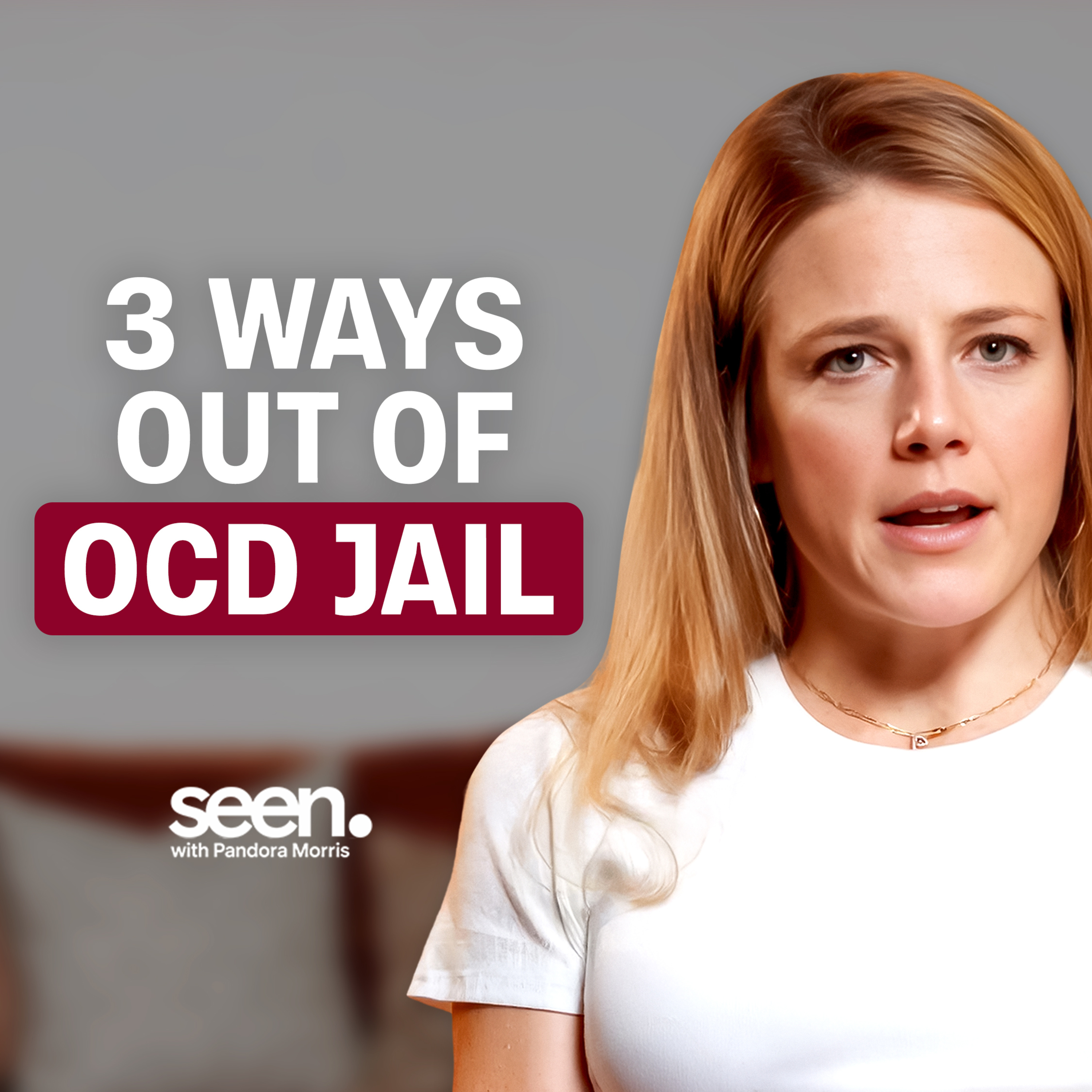
Why Understanding Your OCD Isn't Enough (3 Things That Actually Help) | Pandora Morris

9 min

Why doesn't understanding your OCD make it go away? On this episode of Seen, I'm on my own to talk about OCD and self-awareness, and why knowing exactly what you're doing doesn't stop you doing it. I've had years of treatment for my eating disorder and OCD, and I've interviewed many psychologists and therapists on this podcast. I'm not a therapist, but I've learned the hard way that understanding a problem is not the same as changing it. I share what happened when I went into inpatient treatment for anorexia in South Africa at 24 and my OCD was left untreated, the NHS OCD unit I signed up for that closed when COVID hit, and the point where I was exercising eight or nine hours a day, locked in what felt like an OCD jail, while people told me how much insight I had. Then I go through the three things that actually help. In this episode, you'll learn: - How to spot when insight has become a hiding place - What to ask a therapist, from which type of therapy they practise (CBT, EMDR, DBT, I

Discuss this episode

Seen with Pandora Morris

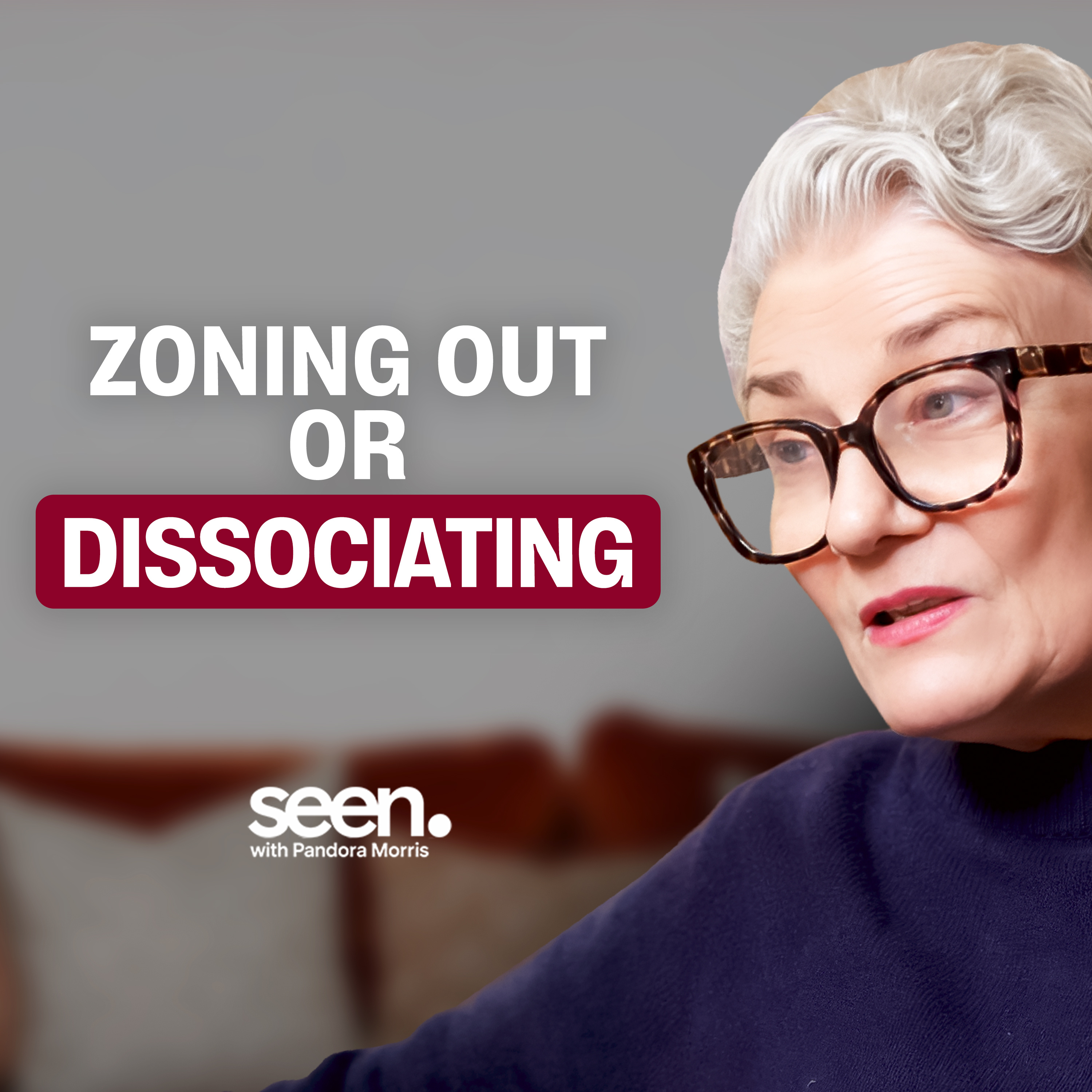
Everyday Dissociation vs DID: What’s the Difference? | Seen Session: Sally Maslansky

9 min

What’s the difference between everyday dissociation and DID, and can you heal from trauma without ever confronting the person who caused it? In this Seen Session, I’m joined again by therapist Sally Maslansky, author of A Brilliant Adaptation, for some quick true or false questions on dissociation, what helps us feel safe after trauma, and how to let go of coping mechanisms that no longer serve us, without hating the part of you that needed them. Sally also shares her favourite piece of parenting advice, and the words that remind her it’s never too late. Join the community: Never miss an episode of SEEN! Listen to the podcast anytime, anywhere. Spotify: https://open.spotify.com/show/1Ku2D90pNwBLM17HvLxlB1?si=fbcad6ff3bb24bfa Apple Podcasts:https://podcasts.apple.com/gb/podcast/seen-with-pandora-morris/id1649515453 Connect with Pandora Morris Website: https://www.seenwithpandoramorris.com/ Instagram: https://www.instagram.com/seenwithpandora/ ABOUT SEEN

Discuss this episode

Seen with Pandora Morris

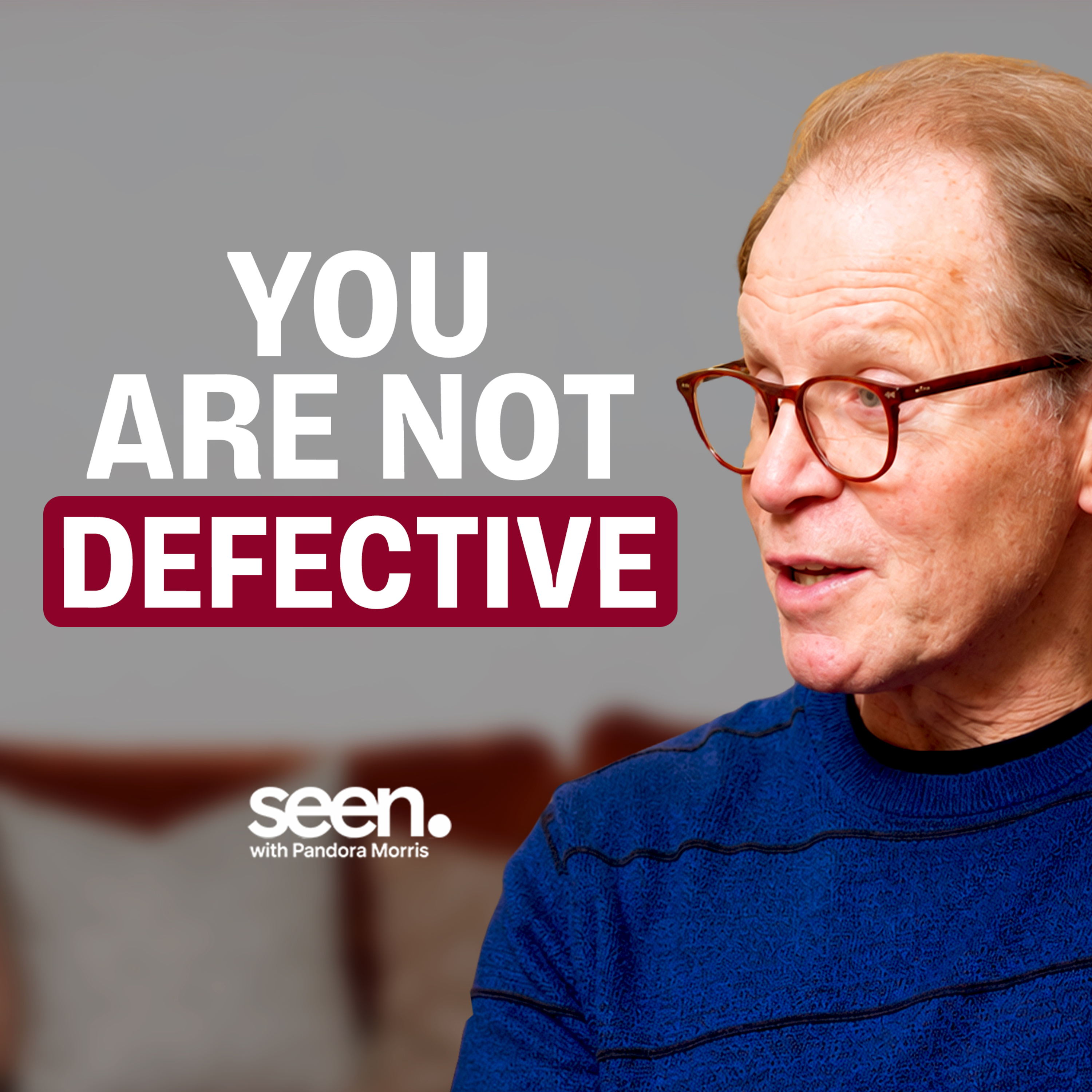
Dan Siegel: What Do All Mental Health Conditions Have in Common?

64 min

What do all mental health conditions actually have in common? On this episode of Seen, I sit down with Dr Dan Siegel, the psychiatrist who named the field of interpersonal neurobiology. He was the training director in child psychiatry at UCLA, he created the Wheel of Awareness practice, and he is the person who came up with the phrase window of tolerance. He has spent more than thirty years on one question: what actually is the mind? We go through what that looks like in real life. The Wheel of Awareness, and why uncertainty turns out to be another word for freedom. What the psilocybin research shows about a brain dropping out of its old high probability patterns. Temperament and personality, and the twelve year old client who told him OCD should really be called overactive checker deployment. Dan also explains the three things every child needs, which he calls seen, soothed and safe, and why repairing a rupture matters far more than getting it right first time. He says the research pu

Discuss this episode

Community Poll

Officials should explain how public consultation changed their final decision.

Share your view, then see how readers voted. No sign-in required. This poll is shared across stories.

Do you agree or disagree?

Choose one answer

Common Quandary

A Common Quandary to discuss

Another conversation to explore, separate from this news story.

Someone reserves the best gym machine with a towel. When may you move it?

At a crowded gym, a towel has occupied the most popular machine for fifteen minutes while its owner chats across the room. Gym rules prohibit reserving equipment, but everyone occasionally steps away between sets.

How long may convenience masquerade as continued use?

Explore this quandary