Listen through the publisher, then discuss the episode here or arrange an in-person Roundtable. Your city determines where to meet.
Roundtables are designed for groups of four, with a shared subject and room for everyone to speak. Come for discussion, with no dating expectation.
From harsh lighting to overwhelming noise, many everyday spaces can be difficult to navigate for neurodivergent people. We explore how neuro-inclusive design challenges assumptions about the built environment and why designing for different minds could make spaces better for everyone.
Episode information is provided by the publisher. Listening takes place on the publisher’s service.
What better way to celebrate the 250th episode of the podcast than with a discussion of the first episode Percy Jackson and the Olympians Season 3! Erica and Carter from Seaweed Brain come along to share their Percabeth expertise! Topics include: NPR’s All Things Percabeth, parking garages, dirty clothes, teenage boy moves, super effective combos, Persassy, Bad Mullet Hawkeye, Mercury/Hermes, Maine darkness, boys with moms, middle school dance fashion, Satyr Eye for the Demiguy, music choices, fast dancing, All American Rejects, Maine basketball, Bebe, Boys Are Stupid, and more! — Find The Newest Olympian Online — • Website: www.thenewestolympian.com (http://www.thenewestolympian.com/) • Patreon: www.thenewestolympian.com/patreon (http://www.thenewestolympian.com/patreon) • Instagram: www.instagram.com/newestolympian (http://www.instagram.com/newestolympian) • Bluesky: bsky.app/profile/newestolympian.bsky.social (https://bsky.app/profile/newestolympian.bsky.social) • Facebook: www.face
The Gilded Age is back! I’m not just talking about the billionaires of today, or the hit HBO series (https://news.artnet.com/art-world/john-singer-sargent-the-gilded-age-hbo-2660432), but a new exhibition (https://www.metmuseum.org/exhibitions/designing-the-gilded-age-drawings-from-the-studios-of-louis-c-tiffany) at the Metropolitan Museum of Art dedicated to the spectacular designs of Louis Comfort Tiffany (https://news.artnet.com/art-world/louis-comfort-tiffany-met-nassau-market-2799918). That name will ring a bell for anyone with a passion for decorative arts. Around the turn of the 20th century, Tiffany and his studio revolutionized the field, creating dazzling stained-glass windows, lamps, and other decorative objects. These works were marvels of their time, transforming private homes and public buildings. Today, they’re touchstones of American decorative arts and remain highly sought-after by collectors. The Met's exhibition takes us behind the scenes of these enduring designs. I
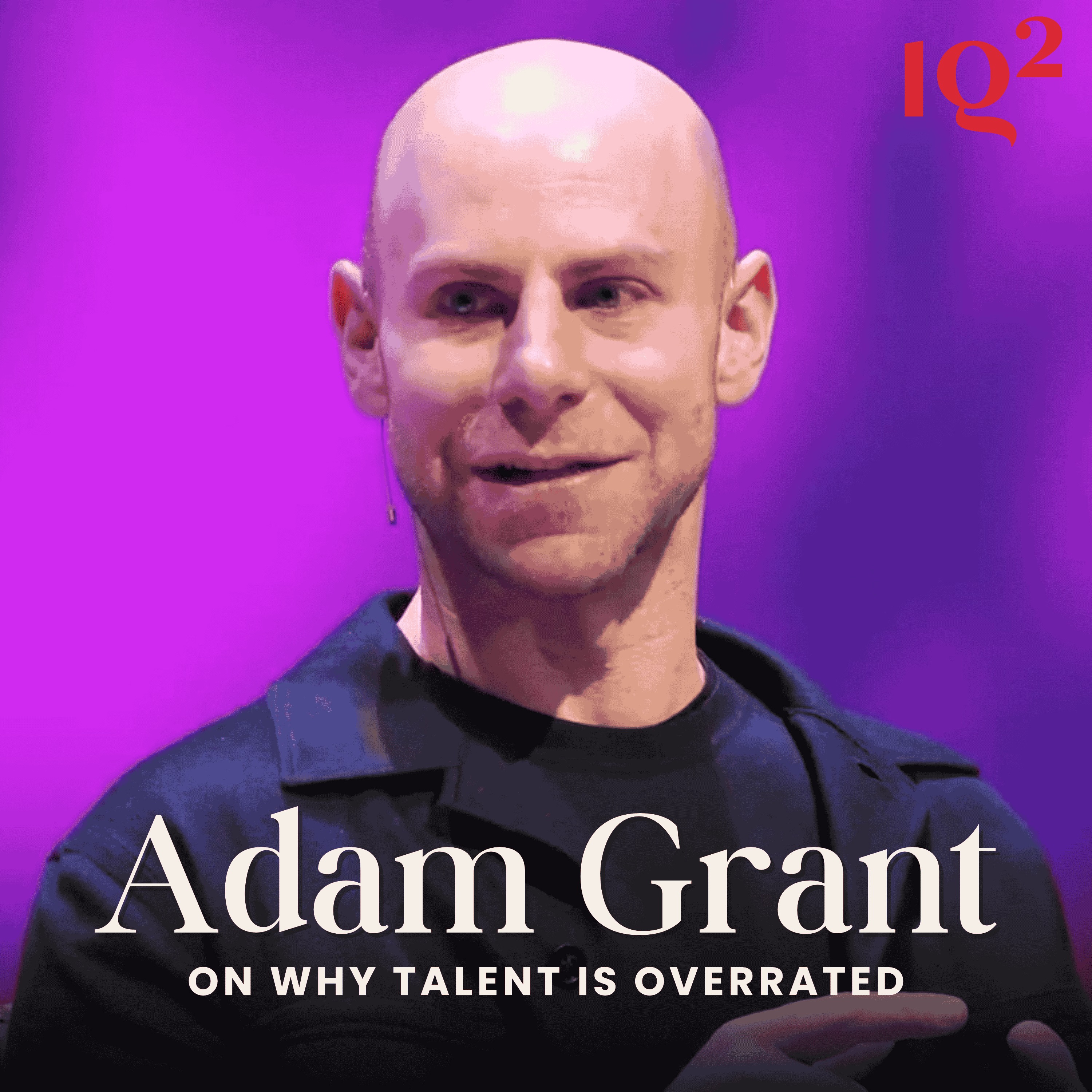
Adam Grant is one of the most sought after organisational psychologists in the world. He has provided expert advice to many of the world’s greatest business leaders, including Bill Gates and Sheryl Sandberg, equipping them with the mental tools to find motivation and meaning, rethink assumptions, and achieve greatness in their business and personal lives. In January 2024 Grant came to the Intelligence Squared stage for a rare, exclusive London event where he shared his revolutionary framework for how we can all exceed the expectations and aspirations we have set for ourselves. Drawing on his new book Hidden Potential he explained that despite living in a world that tends to admire people who start out with innate talent, there is clear scientific evidence that we can all bridge the biology gap and improve ourselves dramatically. In conversation with economist and FT columnist Tim Harford, Grant wove together groundbreaking evidence, surprising insights, and vivid story telling to take
A vanish with no coin, no sound and no gimmick should feel impossible, yet Chris James swears it’s one of the strongest things he does. Chris runs Alakazam USA, ships orders at warp speed and still finds time to create brutally practical close-up magic. When we finally get him on Desert Island Tricks, he brings a pocket-first philosophy: carry less, know it better and hit people with effects that look like real magic in the wild. We walk through the material Chris actually relies on, starting with a slop shuffle Triumph that weaponises messiness for clarity, then jumping into worker favourites like NFW (Ace) for fast packet magic and David Regal’s All Alone for an invisible deck style miracle with a blank-deck kicker. If you love coin magic, Chris breaks down why coin sets matter as utility engines, not one-off props, highlighting the Mirage Coin Set and Spitfire for visual, in-the-hands object changes. Then we get honest about the thing that sabotages more performances than bad techni
What happens when photography becomes more than just a profession, and transforms into something that can change lives? This week on The Camera Life Podcast, we're joined by Gavin Blue OAM, an accomplished Melbourne-based commercial photographer with more than 30 years of experience capturing people, places and stories. From photographing CEOs, politicians, royalty and Olympic athletes to working with major Australian brands, Gavin has built an extraordinary career across advertising, editorial and corporate photography. He's also played a significant role in shaping Australia's photography industry, having served as President of the Australian Commercial and Media Photographers (ACMP). But Gavin's most meaningful contribution to photography goes far beyond his commercial work. Following the heartbreaking loss of his daughter Alexandra in 2006, Gavin went on to co-found Heartfelt in 2010, a volunteer organisation providing professional photographic memories, free of charge, to families
The secret to perfect pie crust? John Kanell, the baker and creator behind Preppy Kitchen, has the answer. John shares his best baking tips, the desserts that will make you a star this Thanksgiving, and what it’s been like trading city life for a farm in Connecticut—beekeeping included! We also get into the business behind Preppy Kitchen: growing his YouTube channel to six million subscribers, building a massive recipe website, and finding balance between work and parenting. Come for the baking advice, stay for the honest conversation about building a business and a life you love. Check out John's new book, Preppy Kitchen Everyday Baking https://link.amazon/B0afjeNvd. This episode is sponsored by: For a limited time, HexClad is offering its biggest discount of the year during its Black Friday Sale! After your purchase, be sure to let them know you heard about HexClad from our show. Visit Ro.co/table to see if you qualify. For safety information and side effects of GLP-1 medications, in
Braille is one of the most elegant designs ever created: six simple dots that unlocked literacy, independence and opportunity for millions of blind and low-vision people around the world. How does Braille actually work? Why has its design remained largely unchanged since the 1820s? And in an age of audiobooks, text-to-speech and artificial intelligence, why is Braille more important than ever?
A cricket pitch occupies less than one per cent of the field, but it can decide the outcome of a Test match, shape a captain's tactics and spark controversy around the world. From soil composition and grass varieties to moisture levels, weather forecasts and cutting-edge drop-in pitch technology, we uncover what it takes to create the perfect wicket.
It's one of the most recognisable symbols of masculinity in modern fashion, yet it's also one of the strangest. We trace the surprising history of the men's tie, from its military origins to its role as a global symbol of status, style and identity.
Health technologies should demonstrate better patient outcomes before widespread adoption.
Share your view, then see how readers voted. No sign-in required. This poll is shared across stories.
Do you agree or disagree?
Common Quandary
A Common Quandary to discuss
Another conversation to explore, separate from this news story.
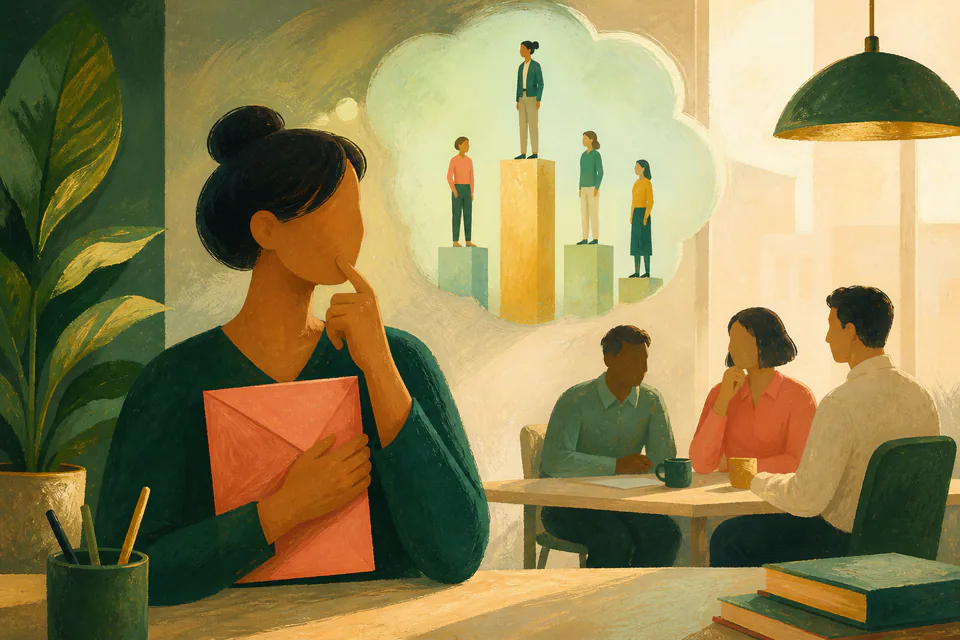
A coworker tells you their salary in confidence—and proves everyone else is underpaid. Do you share it?
A coworker privately tells you their salary and asks you not to repeat it. You later realize the figure is strong evidence that several equally experienced colleagues are being underpaid.
When does fairness outweigh a promise of confidentiality?