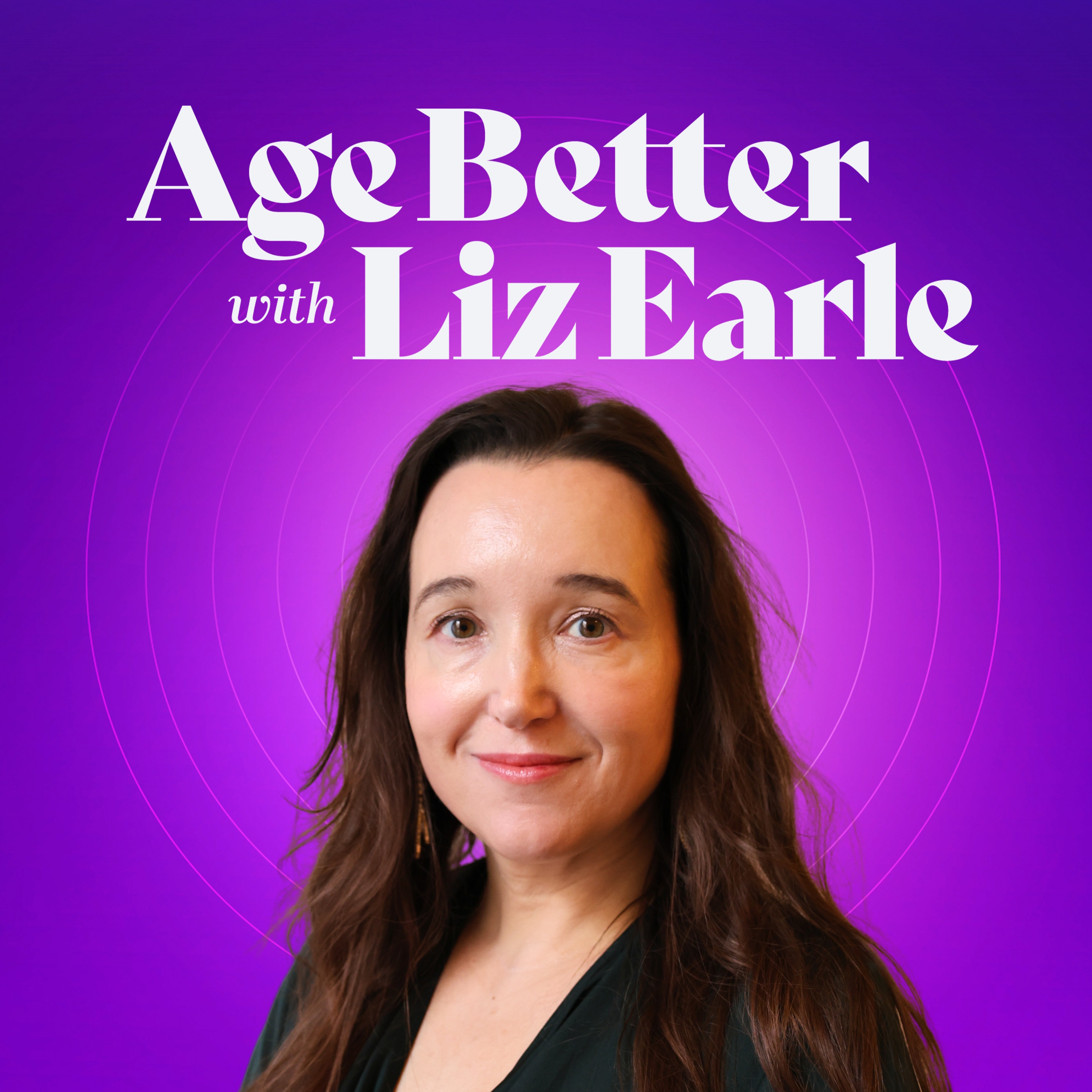
Listen through the publisher, then discuss the episode here or arrange an in-person Roundtable. Your city determines where to meet.
Roundtables are designed for groups of four, with a shared subject and room for everyone to speak. Come for discussion, with no dating expectation.
It's often associated with treating vaginal dryness or helping to maintain a healthy sex life after menopause, but vaginal oestrogen can also offer protection from serious bacteria-induced illness. Liz explains how declining hormone levels affect urinary health as we get older, and how localised oestrogen may help maintain healthy vaginal flora, support the urethra and reduce the risk of recurrent urinary tract infections. Plus: what might be causing a recurrent rash, advice for lowering high liver enzymes, the best way to treat sagging facial skin and is this ringworm or something else? Also in this episode: Conditions that can cause itchy, blotchy skin Will facial fillers improve saggy jowls? Ways to lower high liver enzyme levels Simple tips for managing a healthy weight What causes recurrent ringworm? Is vaginal oestrogen safe to use? Want to try anything Liz mentioned? Find all the products and resources from this episode here (https://lizearlewellbeing.com/listen/health/why-vaginal-oestrogen-isnt-just-about-sex/) on our website. Get in touch with a question for Liz: Email: [email protected] WhatsApp: 07518 471 846 More from Liz: Host: Liz Earle Producer: Lynnike Swerts (Fresh Air Production) Content Writer: Lucy Parley Head of Brand: Ellie Smith Hosted on Acast.
Episode information is provided by the publisher. Listening takes place on the publisher’s service.
Part 1 Interview with Dr. Jason Fung: https://youtu.be/CdpuY7Kz7BI Resistant Starch and Visceral Fat Loss (Randomized Trial): https://open.substack.com/pub/staycuriousmetabolism/p/shrink-visceral-fat-by-feeding-your?r=40ekz2&utm_campaign=post&utm_medium=web&showWelcomeOnShare=true (https://open.substack.com/pub/staycuriousmetabolism/p/shrink-visceral-fat-by-feeding-your?r=40ekz2&showWelcomeOnShare=true) Dr. Jason Fung Website: https://drjasonfung.com (https://drjasonfung.com/) Statin GLP-1, Video: https://youtu.be/6NomrgjK1yQ Description: In this discussion with Dr. Jason Fung, we break down high-yield health hacks for weight loss. We discuss the best ways to eat rice and potatoes, the importance of food order, and what might be the best drink for weight loss. We delve deep into the physiology, explain why hormones matter, and kick dietary dogma in the teeth. If you’re someone who loves practical science and a few jokes along the way, this discussion is for you. Chapters 0:00 – The Hun
Text me what you thought of the show (https://www.buzzsprout.com/1959372/fan_mail/new) Can working night shifts affect your fertility, ovulation or IVF success? After speaking with numerous women trying to fall pregnant while working shifts, including those undergoing expensive IVF treatment, I wanted to explore what the research actually tells us. In this episode of A Healthy Shift, we discuss how night shifts, disrupted sleep and circadian misalignment may affect reproductive health. We cover: Why the fertile window is so short. Shift work, reproductive hormones and menstrual irregularities. What research says about night shifts, fertility and IVF outcomes. The roles of sleep, stress, nutrition, weight and exercise. Practical steps for women trying to conceive while working shifts. Research links shift work with menstrual irregularities, but evidence that night shifts directly cause infertility or reduce IVF success remains uncertain. If you're trying to get pregnant while working ni
"Curing cancer," explained. We’re not looking for a “cure for cancer” anymore. Cancer is hundreds of diseases, so we’re really in a multi front fight against all of them. Cancer is a problem for us today in a way it wasn’t for previous generations. But, luckily, we also have more and more ways to fight back. I started this episode with endless questions: What is cancer? What causes it? How do we treat cancer? What are the symptoms? Why are some cancers easier to treat than others? Why is cancer so hard to cure? Why do so many people die of cancer? What I found is an incredible, complex, inspiring effort to treat and stop an insidious killer. In this video, we dive deep into how we treat cancer today. But I also found that we may not be helping the greatest number of people we can. In this episode of Huge If True, I want to make the case that while we have made enormous strides in the fight against cancer we have also largely ignored one of the single best ways to save the most lives. I
Happy Sunday! Welcome to Heal Squad’s The Sunday Set Up. Life lessons to help you start the week. How much of success comes down to simply showing up? This week, we talk keeping an open mind, taking chances, and recognizing the doors that open along the way. From Olympic athletes appearing on national television alongside Mercedes Moné to performers who keep showing up week after week hoping for their big break, we explore why success isn't always about talent or luck. Sometimes it's about making connections, putting in the effort, and being willing to try without knowing what we'll get in return. We talk knowing when to stop investing time in people who aren't willing to help themselves, and why even experiences that don't work out can teach us something valuable. The takeaway: don't wait for the perfect moment or expect someone else to make things happen. Be willing to take a chance, walk through the doors that open, and remember that half of life is just showing up. Plus, a little b
Glycine is an amino acid that helps build collagen and is involved in regulating inflammation, and researchers are exploring its role in healthy aging, yet your body may produce less of it as you get older Modern diets often lack glycine-rich connective tissues, such as bones, tendons and cartilage, making grass fed beef bone broth, gelatin and collagen-rich cuts of meat valuable additions to your meals Animal studies described by biochemist Joel Brind, Ph.D., found that glycine supplementation extended lifespan in rats and mice by approximately 10% to 15%, although researchers have yet to establish whether it produces similar benefits in humans In a small, three-month placebo-controlled trial of 74 adults with Type 2 diabetes, those given glycine had significantly lower HbA1c and reduced inflammatory markers compared with placebo, although larger studies are needed Research suggests glycine may help your body release heat and lower its core temperature before sleep, while collagen-ric
You've been tired for years. You know it. The people around you know it. And every solution you've tried — going to bed earlier, sleeping in on weekends, taking naps, drinking more coffee, drinking less coffee, trying new mattresses, trying new vitamins — none of it has actually fixed the problem. Uploaded 16-06-26 You're still tired. Not falling-asleep tired. Just heavy. Just dragged. Just running on a battery that never seems to charge all the way back, no matter how many hours you put your head down. Here's the truth: most of the tiredness you carry is not about sleep. And that is why none of the sleep-based solutions have worked. You've been treating the wrong condition for years. You've been adding hours of rest to a body that fundamentally doesn't need more rest. It needs something else entirely. The chronic, low-grade, never-quite-go-away exhaustion most adults carry is not physical fatigue. It is a different kind of tiredness with completely different causes. And until you unde
Need some inspiration to get started with strength training? Personal trainer Kate Oakley joins Liz to explain why building strength is something we can start at any age, and why it’s one of the best things we can do to support muscle and bone health as we get older, keeping us independent for longer. They discuss how training can boost your mood and resilience as well as physical strength, why you don't need equipment or weights and how even a 10-minute workout counts. Kate also talks about the importance of a progressive routine and shares easy ways to get started, from simple bodyweight exercises to sneaking ‘strength snacks’ into your day. In this episode: The benefits of strength training for heart health and stress resilience Ways to get started, whatever age or stage you’re at How to choose the right dumbbells Tips for creating a routine around a busy life The importance of protein for muscle strength and recovery Getting the most out of your workout when you’re short on time Si
How can we nourish ourselves in our 50s and beyond without the overwhelm of diet advice? Liz is joined by Dr Mandy Leonhardt, GP and nutritional consultant for supplement brand SISTERLY, to explore how our nutrient needs change with age. They discuss the essential vitamins and minerals women need at this stage of life, and how supplements can help fill the gaps and take the pressure off optimising every plate. In this episode: How hormonal shifts can lead to poorer nutrient absorption Why restricted eating reduces our intake of essential vitamins and minerals Tips for simplifying healthy habits and bringing enjoyment back to eating Why your supplement stack might be too much How getting calcium from food is superior to supplements Links mentioned in the episode: More from Mandy and SISTERLY: Follow Mandy on Instagram (https://www.instagram.com/hormoneequilibrium) Follow SISTERLY on Instagram (https://www.instagram.com/sisterly_lab) More about SISTERLY (https://sisterlylab.com/) Get in
Is a low-fat diet really the best choice for women looking to manage their weight and cholesterol in midlife? Liz explains why she prefers whole, naturally satisfying foods over many low-fat alternatives, which can contain added sugars and fillers to replace lost flavour. She also explores the role of healthy fats and how to make more informed choices to support a healthy metabolism. Plus: Advice for skin pigmentation, supporting your skin and body when oestrogen isn’t an option, why cholesterol isn't the bad guy and has my HRT stopped working? Also in this episode: Explaining cholesterol: the difference between LDL and HDL How changing hormones impact cholesterol and weight Why our body and brain need cholesterol What’s causing my skin pigmentation? How menopause changes where we store fat Does testosterone help a flagging libido? How to support your body and skin health when you can’t take oestrogen Can HRT stop working? Want to try anything Liz mentioned? Find all the products and r
Essential services should offer a workable alternative to smartphone-only access.
Share your view, then see how readers voted. No sign-in required. This poll is shared across stories.
Do you agree or disagree?
Common Quandary
A Common Quandary to discuss
Another conversation to explore, separate from this news story.
You scratched a borrowed heirloom and repaired it perfectly. Do you confess?
You borrow a family heirloom for an event and accidentally leave a small scratch. A careful repair makes it almost invisible, and its owner happily accepts it back without noticing anything.
What is confession for when the harm has already been repaired?