Why Your Mind Builds a Case Against You and How to Push Back | Owen Fitzpatrick
61 min
Listen through the publisher, then discuss the episode here or arrange an in-person Roundtable. Your city determines where to meet.
Roundtables are designed for groups of four, with a shared subject and room for everyone to speak. Come for discussion, with no dating expectation.
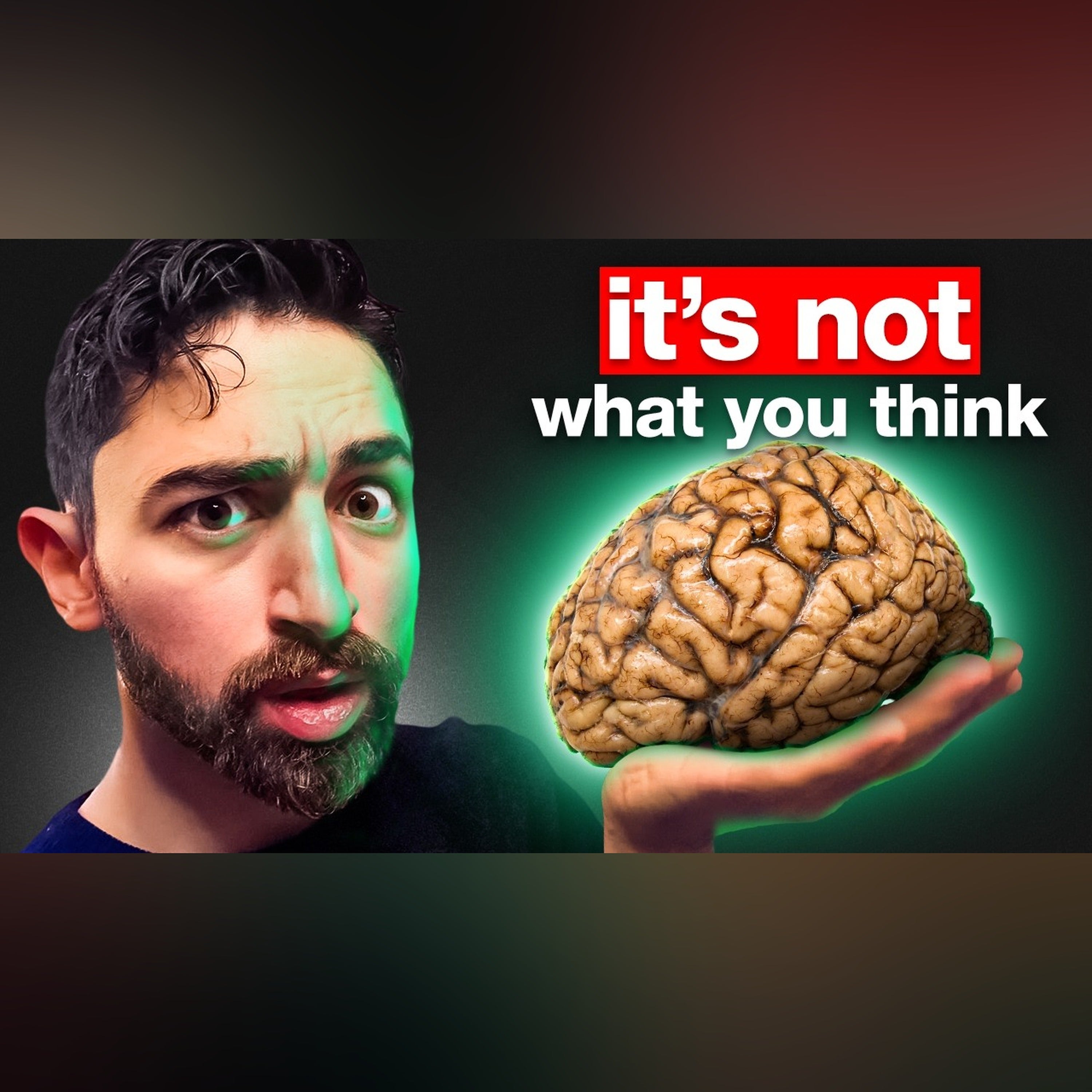
Have you ever noticed how a low mood can make everything in your life look worse, even when nothing has changed? In this episode, Owen Fitzpatrick explores “inner propaganda”: the convincing stories our minds tell us that turn self-doubt and difficult emotions into seemingly undeniable truths. Drawing from his book, Inner Propaganda, and his own experience with depression, Owen explains why our brains gather evidence to support how we already feel, and explores how questioning those stories, taking small actions, and bringing some humor to our inner dialogue can help us navigate difficult days without believing everything we think. Key Takeaways: Why negative thinking can feel like an accurate view of reality, making it difficult to recognize and question. How “mood congruent cognition” leads your brain to seek out memories and evidence that reinforce your emotional state. Why feeling certain about a thought doesn’t necessarily make it true—and how that certainty can become a cue to pause. How asking questions you can honestly answer can loosen self-doubt without forcing positive affirmations. Why working with thoughts, tending to emotions, and taking action offer different ways to respond when you’re struggling. How humor and patience can help you take painful thoughts less seriously and avoid feeling worse about feeling bad. To learn more, click here (https://www.oneyoufeed.net/why-your-mind-builds-a-case-against-you/)! If you enjoyed this conversation with Owen Fitzpatrick, check out these other episodes: How to Quiet the Inner Critic and Finally Get Unstuck with Michelle Chalfant (https://www.oneyoufeed.net/how-to-quiet-the-inner-critic-and-finally-get-unstuck/) How to Tame Your Inner Critic with Dr. Aziz Gazipura (https://www.oneyoufeed.net/how-to-tame-your-inner-critic/) This episode is sponsored by:
Episode information is provided by the publisher. Listening takes place on the publisher’s service.
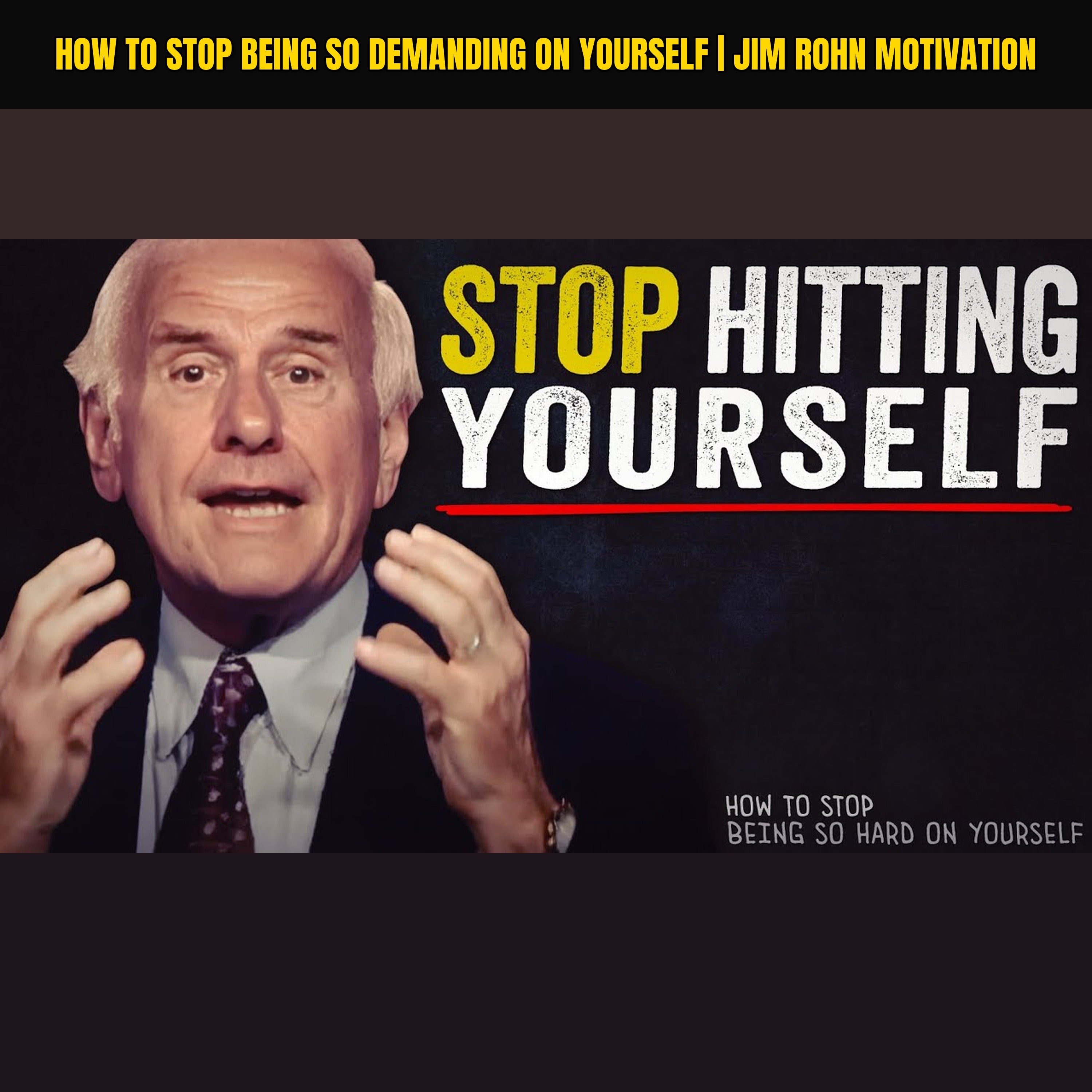
#JimRohnMotivation #JimRohn #JimRohnSpeech In this Jim Rohn Motivation video, Jim Rohn explains how the toughest bully we’ll ever face isn’t out in the world—it’s inside our own minds. He reveals how fear, doubt, and hesitation hold us back, and how we can retrain our thoughts to become our greatest ally instead of our worst enemy. Key Topics From This Motivational Video: The “bully in your brain” that whispers fear and doubt How the mind tricks you with comfort, comparison, and procrastination Training the mind through education, discipline, and awareness Turning emotions into deliberate, wise responses Transforming your brain into a powerful servant for success Jim Rohn delivers timeless wisdom about mastering your inner dialogue and taking back control of your thoughts. He shows how fear disguises itself as reason, how excuses multiply into regret, and how most people live at the mercy of their minds. But with education, discipline, and consistent training, you can silence the inner
Let go of negative thoughts, release limiting beliefs, and drift into peaceful sleep with this gentle guided sleep hypnosis for positive thinking, self confidence, and inner peace. If you've been struggling with self doubt, harsh self criticism, or the feeling that you're never good enough, this soothing bedtime journey invites you to replace those familiar thoughts with kinder, more supportive beliefs. As you settle into deep relaxation, a slow and peaceful induction helps your body soften and your mind become quiet. You'll imagine stepping into an old wood-panelled lift that gently carries you down ten floors, allowing you to relax more deeply with every level. At the bottom, you'll discover a beautiful inner library filled with the stories you've told yourself throughout your life. Here, old beliefs such as "I am not enough" and "I always fail" can be gently put away, making room for new, encouraging thoughts: • I am learning and growing every day. • I can handle things one step at
"Curing cancer," explained. We’re not looking for a “cure for cancer” anymore. Cancer is hundreds of diseases, so we’re really in a multi front fight against all of them. Cancer is a problem for us today in a way it wasn’t for previous generations. But, luckily, we also have more and more ways to fight back. I started this episode with endless questions: What is cancer? What causes it? How do we treat cancer? What are the symptoms? Why are some cancers easier to treat than others? Why is cancer so hard to cure? Why do so many people die of cancer? What I found is an incredible, complex, inspiring effort to treat and stop an insidious killer. In this video, we dive deep into how we treat cancer today. But I also found that we may not be helping the greatest number of people we can. In this episode of Huge If True, I want to make the case that while we have made enormous strides in the fight against cancer we have also largely ignored one of the single best ways to save the most lives. I
Get the 200+ Page Optimal Living Daily Workbook (PDF) - Free. Want to turn today's episode into an actionable plan? Episode 4233: Kate Galliett explains three reasons we make health, fitness and life harder than they need to be: ignoring how the body works as a connected system, trusting only extreme intensity, and leaking the energy that fuels motivation and discipline. She makes the case that appropriate effort, not maximum effort, is the only sustainable path to lasting results. Read along with the original article(s) here: https://fitforreallife.substack.com/p/why-you-make-everything-harder-than Quotes to ponder: "The better way is to give appropriate effort and get appropriate results. This is the only sustainable way." "If you try and live at the extremes, you will constantly ping-pong back and forth from one extreme to the other." "Just imagine - you might not actually lack discipline after all, you just might be leaking energy that feeds your ability to be disciplined." We spen
For additional nuances, references, and early access to content, see the StayCurious Metabolism Newsletter: https://staycuriousmetabolism.substack.com/p/hijacking-cancer-to-kill-alzheimers?r=40ekz2 Check out this link to access our StayCurious Brain Health Archives: https://staycuriousmetabolism.substack.com/p/brainhealth Omega-3 and Brain Health Video: https://youtu.be/B-kEn0FukXM To try the Accentrate Omega Max supplement containing LPC-DHA, click here: https://www.fenixhealthscience.com/staycurious Lithium Brain Health Video: https://youtu.be/Hcz0Eyp1LE4 NAD+ Brain Health Letter: https://staycuriousmetabolism.substack.com/p/never-get-alzheimers-disease-the?r=40ekz2 A new paper published in Cell reveals an unexpected biological connection between cancer and Alzheimer’s disease—one that challenges long-held assumptions about both. In this video, MD-PhD neuroscientist Nick Norwitz walks through the actual data behind the study, showing how proteins secreted by cancer cells reduced amyl
Siren is back to talk all about her slut weekends, throwing wild sex parties, her BBC gangbangs, and her newly poly marriage. Tune in to hear all the details including how her ethically non-monogamous marriage is set up, the huge BBC birthday party she and her husband are planning and what's going to go down, the recent sex party she threw at her house and how she set everything up, who attended, how she got the party started and exactly what went down throughout the night, how and why she's now helping other people throw their own sex parties and how she sets them up for success, how she vets the people who want to attend her parties and what you should and shouldn't do if you want to get invited, her slut weekends and why she enjoys them more than hotel takeovers, what went down during her recent slut weekend with her girlfriend, how they hooked up with 14 guys over three days and exactly what went down, how she and her husband decided to become poly, why she wasn't into it at first
In this episode, Nicole Sachs, therapist and author of Mind Your Bod (https://bookshop.org/p/books/mind-your-body-a-revolutionary-program-to-release-chronic-pain-and-anxiety-nicole-j-sachs-lcsw/4e56cb91d5bb6a8b?ean=9780593716939)y, explores how avoiding what we feel may affect chronic pain. A stressful day can leave us with a headache, but what role might stress and difficult emotions play when pain keeps coming back? Nicole shares how her own experience with chronic back pain led her to develop JournalSpeak, a private writing practice for putting feelings into words that we might never say out loud. She also explores why we get stuck when both choices are hard and how acknowledging what we feel can help us move forward. Key Takeaways: What a stress headache can teach us about the mind-body connection The role of stress and difficult emotions in chronic pain Why waiting for a third option can keep us stuck when both choices are hard How Nicole’s experience with chronic back pain led he
In this episode, Michael Norton, Harvard Business School social psychologist and author of The Ritual Effect (https://bookshop.org/a/16850/9781982153021), explains how everyday habits become meaningful rituals. From sharing one thing you’re grateful for at dinner to the little traditions only a couple understands, Michael explores how repeated actions can make ordinary moments feel more meaningful and bring us closer to the people we love. He also discusses how to tell when a ritual is helping and when it’s starting to feel like something you have to do. Free Guide: Outsmart the Hidden Saboteurs of Self-Control. What’s been holding you back lately? In this free guide, Eric shares the six common saboteurs that quietly derail our best intentions—like autopilot behavior, self-doubt, and emotional escapism—and offers practical strategies to help you regain control and move forward. Download your free copy at oneyoufeed.net/ebook. (https://www.oneyoufeed.net/ebook) Key Takeaways: What makes
In this episode, Yung Pueblo explores why inner peace takes practice and how to build it through small, intentional choices in everyday life. Drawing from his new book, Journey, and his experience on a 60-day silent meditation retreat, he shares how slowing down helps us become less reactive and more aware of our emotions. He discusses the exhaustion of constant information consumption, how to pursue goals without carrying so much tension, and why you don’t have to put your life on hold to begin cultivating a calmer mind. Free Guide: Outsmart the Hidden Saboteurs of Self-Control. What’s been holding you back lately? In this free guide, Eric shares the six common saboteurs that quietly derail our best intentions—like autopilot behavior, self-doubt, and emotional escapism—and offers practical strategies to help you regain control and move forward. Download your free copy at oneyoufeed.net/ebook. (https://www.oneyoufeed.net/ebook) Key Takeaways: Why happiness and inner peace require menta
Access to effective legal representation should not depend mainly on personal wealth.
Share your view, then see how readers voted. No sign-in required. This poll is shared across stories.
Do you agree or disagree?
Common Quandary
A Common Quandary to discuss
Another conversation to explore, separate from this news story.
A pill can erase your most painful memory without changing anything else. Do you take it?
A safe new treatment can remove the emotional pain attached to one chosen memory while leaving the factual memory intact. Losing the pain might bring enormous relief, but the experience shaped your relationships, choices, and sense of who you are.
Are painful memories injuries to heal or parts of ourselves to keep?