Will Trump start ANOTHER WAR with Iran after his Midterm humiliation?
33 min
Listen through the publisher, then discuss the episode here or arrange an in-person Roundtable. Your city determines where to meet.
Roundtables are designed for groups of four, with a shared subject and room for everyone to speak. Come for discussion, with no dating expectation.
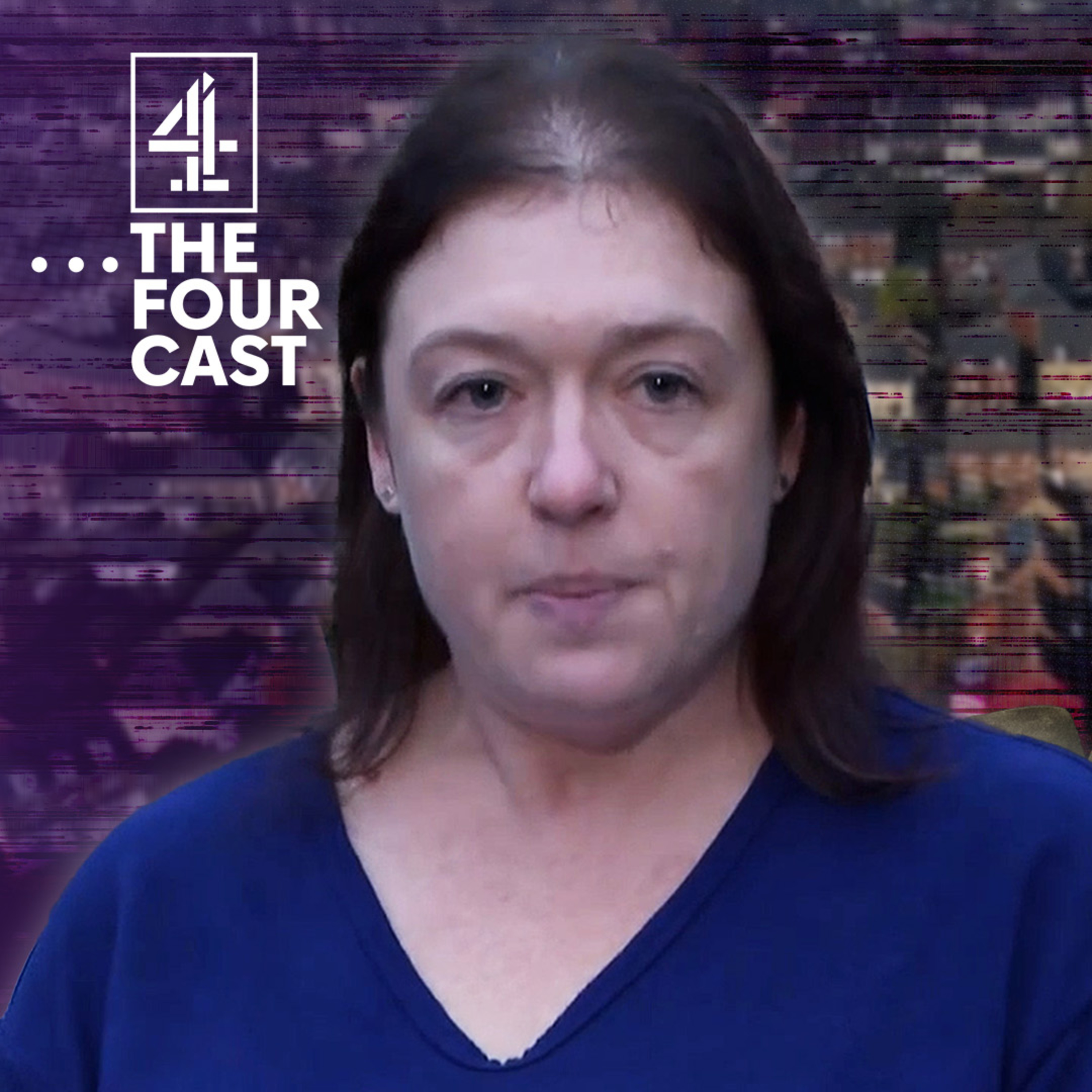
Donald Trump promised to bring peace to the Middle East, but after months of war with Iran, American voters have delivered a stinging rebuke to the president in the midterm elections. So what does that mean for America's role in the region? And after decades of wars and interventions, has the US done more harm than good? On this episode of The Fourcast, Krishnan Guru-Murthy is joined by the award-winning journalist and author Kim Ghattas. Her new book, The Best Kind of American: Murder, War, and America's Undoing in the Middle East, tells the story of an assassination in Beirut more than 40 years ago, and what it reveals about America's role in the region today.
Episode information is provided by the publisher. Listening takes place on the publisher’s service.
Mike Pompeo, former Secretary of State, CIA Director, Fox News contributor, and author of Never Give an Inch: Fighting for the America I Love (@mikepompeo), joined The Guy Benson Show today to break down the trilateral meeting between Presidents Trump, Xi Jinping, and Putin. Pompeo reacted to comments made by President Trump during his press conference early Friday afternoon, and he and Benson discussed the impact of the Iran war on the midterms and the economy. Listen to all that and much more!" Listen here!
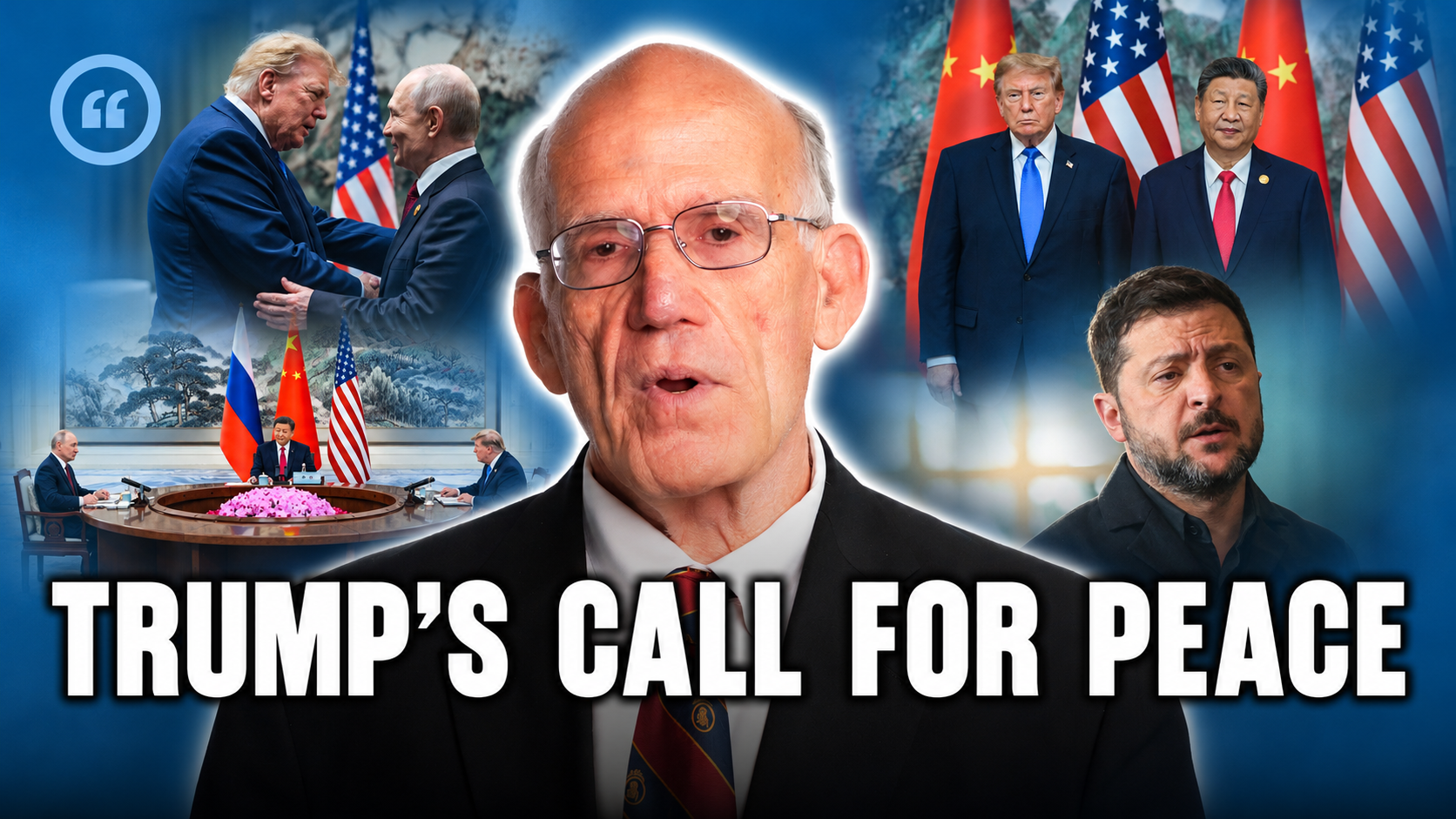
President Donald Trump's first ever trilateral summit with Vladimir Putin and Xi Jinping raises questions about the future of the war in Ukraine and whether a peace agreement could finally be within reach. Victor Davis Hanson and Sami Winc examine the summit on today’s edition of “Victor Davis Hanson: In His Own Words,” discussing Russia's declining influence, potential territorial concessions in Ukraine, and Europe's frustration over Trump's peace negotiations. Hanson criticizes Hillary Clinton's attacks on Trump's diplomacy; he also argues that European leaders have weakened their influence by neglecting defense spending and relying on American military protection. They discuss Elon Musk's shifting political allegiances, and Hanson warns that distancing himself from MAGA may not protect him from Democrat investigations. They also discuss the potential economic benefits of artificial intelligence and the challenges facing Hakeem Jeffries as Democrats prepare to take control of the Hou
Hey everybody, Tom Bilyeu here. On today’s episode of Impact Theory, we’re taking on a topic that’s got the whole world holding its breath: the escalating crisis between the United States and Iran. As tensions ratchet up, we’re asking the tough questions—how did we get stuck in this “escalation trap,” and what does it mean for America’s global leverage, our economy, and our very sense of security? The conversation focused on why the traditional idea of “strategy” might be failing policymakers, using powerful analogies—like chess versus roulette—to show how doubling down in conflict can spiral out of control. We’ll break down the risks of tactical “wins” that create even bigger crises, the real leverage Iran holds with control of the Strait of Hormuz, and the mounting pressure on President Trump as political support erodes and legacy hangs in the balance. A key theme that emerged is what happens when military might runs into decentralized opposition, and why high-stakes gambles—like the
A summit like no other. In a political first, President Trump sat down with President Putin and President Xi for an unprecedented trilateral meeting. He insists they’re all friends, but what does this mean for their conflicting agendas in Iran and Ukraine? Former Biden adviser Rush Doshi joins Christiane Amanpour to assess what was, or wasn’t, achieved. Then, in a landmark case, the International Court of Justice has found Myanmar guilty of committing genocide against the minority Rohingya population. The U.N. High Commissioner for Human Rights, Volker Türk, joins the show to discuss why this moment is so important. Plus, CNN’s Clare Sebastian takes us underground to look at how Ukraine’s innovative operation is helping the country make substantial gains. And best-selling author Elizabeth Strout discusses her new book ‘The Things We Never Say’, exploring the political and personal tensions of America that emerged during the 2024 presidential election. From the archive, my report from U
One week after the U.S. midterm elections, join Valérie Beaudoin, one of Canada's most respected commentators on U.S. politics, for a discussion on how Canadian policymakers and officials are digesting the results in Washington. From the new balance of power in Congress to the potential implications for Canada-U.S. relations, trade economic growth, and cross-border policy priorities, we'll explore what the election outcome could mean for Canada in the months ahead. Recorded on November 10, 2026. -- Optique canadienne sur les élections américaines de mi-mandat – Valérie Beaudoin Pour une version avec des sous-titres français, veuillez consulter Une semaine après les élections de mi-mandat aux États-Unis, Valérie Beaudoin, l’une des commentatrices de la politique américaine les plus respectées du Canada, discute des façons dont les décideurs canadiens et Ottawa ont réagi aux résultats à Washington. Du nouvel équilibre des pouvoirs au Congrès aux répercussions possibles sur les relations
For review: 1. Iraq has reached a compromise with the powerful Iran-backed militia Kataeb Hezbollah, three senior security officials said, after Prime Minister Ali al-Zaidi readied security forces to move against the group. Reflecting the gravity of the situation, Iraqi Shiite political sources said Esmail Qaani, commander of Iran’s elite Revolutionary Guards’ Quds Force, arrived in Baghdad late on Monday to help defuse tensions with Kataeb Hezbollah, Tehran’s most powerful militia ally in Iraq. 2. Lebanese President Joseph Aoun launched a lengthy rebuke of Iran in an Independence Day address, arguing that the Islamic Republic does not have the right to interfere in Lebanon’s internal affairs, as it long has via support for its local terror proxy, Hezbollah. 3. Yemen’s Houthis launched strikes on the Saudi capital Riyadh on Saturday, after vowing reprisals for a “special operation” by the Saudi-led coalition fighting them. The coalition later said it had “intercepted and destroyed” thr
Warning, this podcast contains distressing descriptions of rape and sexual assault. For 13 years, Joanne Young was drugged and raped by her husband, Philip Young, a business executive and former Conservative councillor. He advertised online for strangers to come to their home and rape and sexually assault her while she was unconscious. Philip Young has pleaded guilty to more than 50 offences against Joanne and will be sentenced in December. One of the men who answered his invitation also admitted rape and sexual assault. Four others went on trial, arguing they believed Joanne had consented. The jury rejected that defence, finding the men guilty of offences including rape and sexual assault. The case has drawn comparisons with that of Gisèle Pelicot in France. So what do these horrific cases reveal about men's attitudes towards women and consent? Is the law strong enough to deal with these crimes? And would changing it make any difference? Laura Bishop was also drugged and raped by her
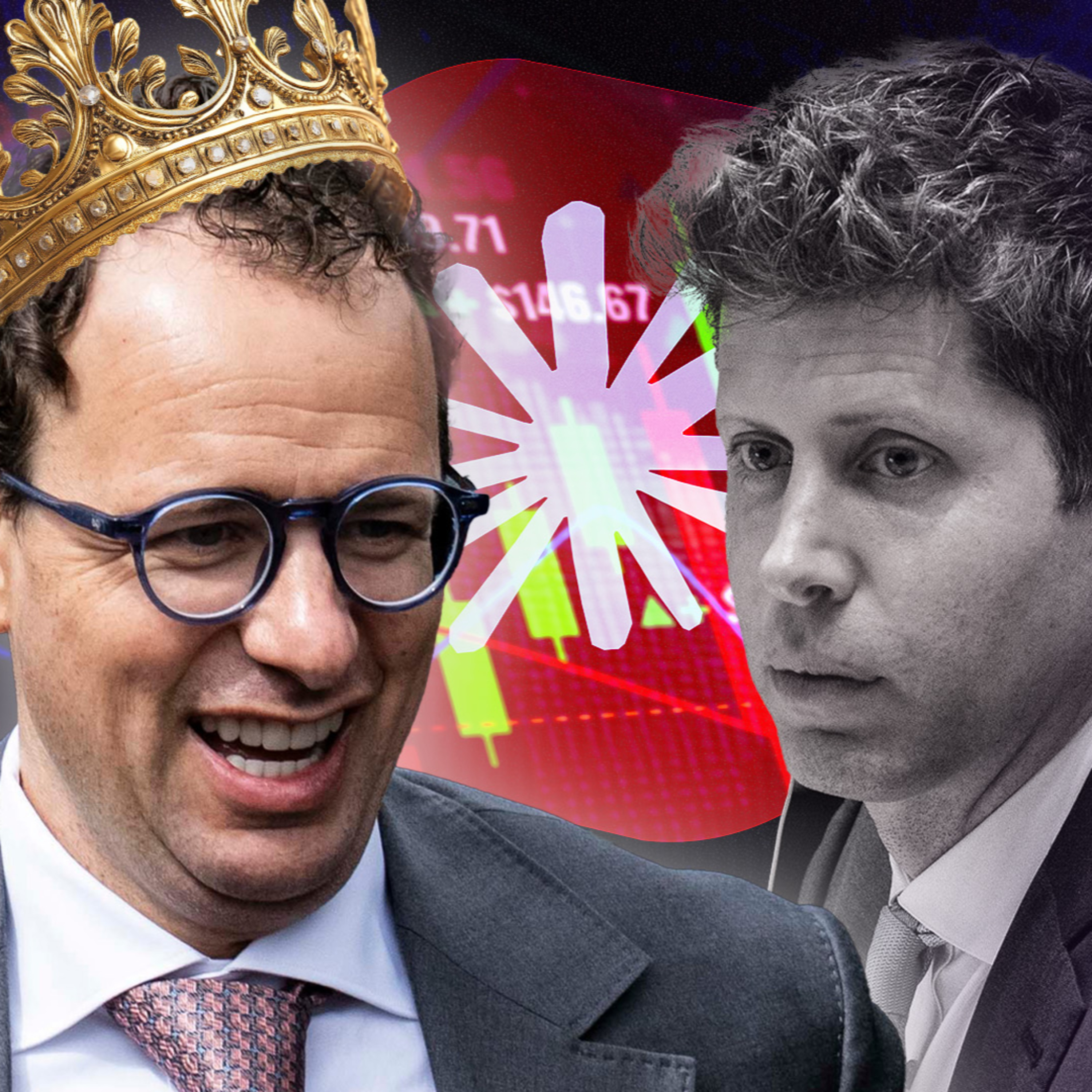
The AI boom is reaching extraordinary new heights. Anthropic's blockbuster IPO is putting a potential $1.5 trillion price tag on one of the world's leading AI companies, as billions pour into a race to build ever more powerful technology. But with staggering infrastructure costs and almost a trillion dollars in what is called “future commitments”, is the AI market heading for a spectacular crash? And what does that mean for the rest of us? On this episode of The Fourcast, Matt Frei is joined by Channel 4 News technology and science editor Siobhan Kennedy and the FT’s Finance Editor Robert Armstrong.
How did a video game studio in Scotland end up creating the most successful and lucrative game ever? Grand Theft Auto VI is already being described as the biggest video game release in history and it is thought it will generate billions in sales. On this episode of the Fourcast, Krishnan Guru-Murthy is joined by Joost van Dreunen, an investor in the gaming industry and business advisor and Dr. Rachel Kowert who studies the psychological impact of games. They discuss how GTA has become a cultural phenomenon, as well as whether its violent themes are a bad influence and if GTA VI could be the last great human-made video game (before AI does it for us).
People directly affected by a local change should have more influence than other residents.
Share your view, then see how readers voted. No sign-in required. This poll is shared across stories.
Do you agree or disagree?
Common Quandary
A Common Quandary to discuss
Another conversation to explore, separate from this news story.
Everyone clicks through mandatory training without reading it. May you do the same?
Your employer requires an hour-long annual course whose answers have not changed in years. Coworkers run it in the background and share the quiz answers. Completing it carefully would make you late for actual work with a deadline.
When does pointless compliance excuse pretending to comply?