Listen through the publisher, then discuss the episode here or arrange an in-person Roundtable. Your city determines where to meet.
Roundtables are designed for groups of four, with a shared subject and room for everyone to speak. Come for discussion, with no dating expectation.
Episode 679 is a classic throwback that features Dawn Shumway. This episode is sponsored by RapidSOS - Facebook (https://www.facebook.com/rapidsos) | LinkedIn (https://www.linkedin.com/company/rapidsos/posts/?feedView=all) | X (https://x.com/rapidsos) | Web (https://rapidsos.com/) Episode topics – Dawn Shumway's journey into dispatch, starting from childhood inspiration The evolution of 911 technology over the past 16 years Real-life training, calls, and handling intense emergency situations The importance of compassionate communication and "Say This, Not That" How personal adversity shaped Dawn Shumway's passion for empowering others in public safety If you have any comments or questions or would like to be a guest on the show, please email me at [email protected].
Episode information is provided by the publisher. Listening takes place on the publisher’s service.
For America's first 100 years, Supreme Court justices were an integral part of political life. They ran for office from the bench, met with constituents, wrote newspaper op-eds about their work, and more. Today, of course, they do their work mostly in secret and rarely speak to the public aside from a few appearances each year. How did things get this way, and what would happen if the justices went back to having a closer relationship with the people? Our guest today answers those questions and sheds light on what life was like for justices in the 19th century. Rachel A. Shelden is an associate professor of history and director of the George and Ann Richards Civil War Era Center at Penn State. She is the author of The Political Supreme Court: A Forgotten History (https://uncpress.org/9781469697130/the-political-supreme-court/), which explores the court's role as an "unmistakably a political institution." The book also follows the shifts at the turn of the twentieth century, when member
As we stand on the brink of potential global conflict, everyone must pay attention to the rapid evolution of warfare, especially given the innovations highlighted by the situation in Ukraine at this weekend's security conference in Halifax. Now more than ever, understanding these developments is vital as they could shape the future of military engagements worldwide. Join journalist Paul Wells and host Laura Babcock for a thought-provoking discussion on the complexities of modern warfare, the implications of Carney's and Poilievre's recent speeches at the Annual Press Event, and the importance of maintaining civil discourse on tough topics in our democracy.They also discuss the historic failure of the COP 31 Climate Summit. Engaging with these issues isn't just an academic exercise; it’s about preparing ourselves for the challenges ahead and ensuring we can navigate them thoughtfully and responsibly. Let’s not sit back and ignore the signs of our times—be informed, be involved, and join
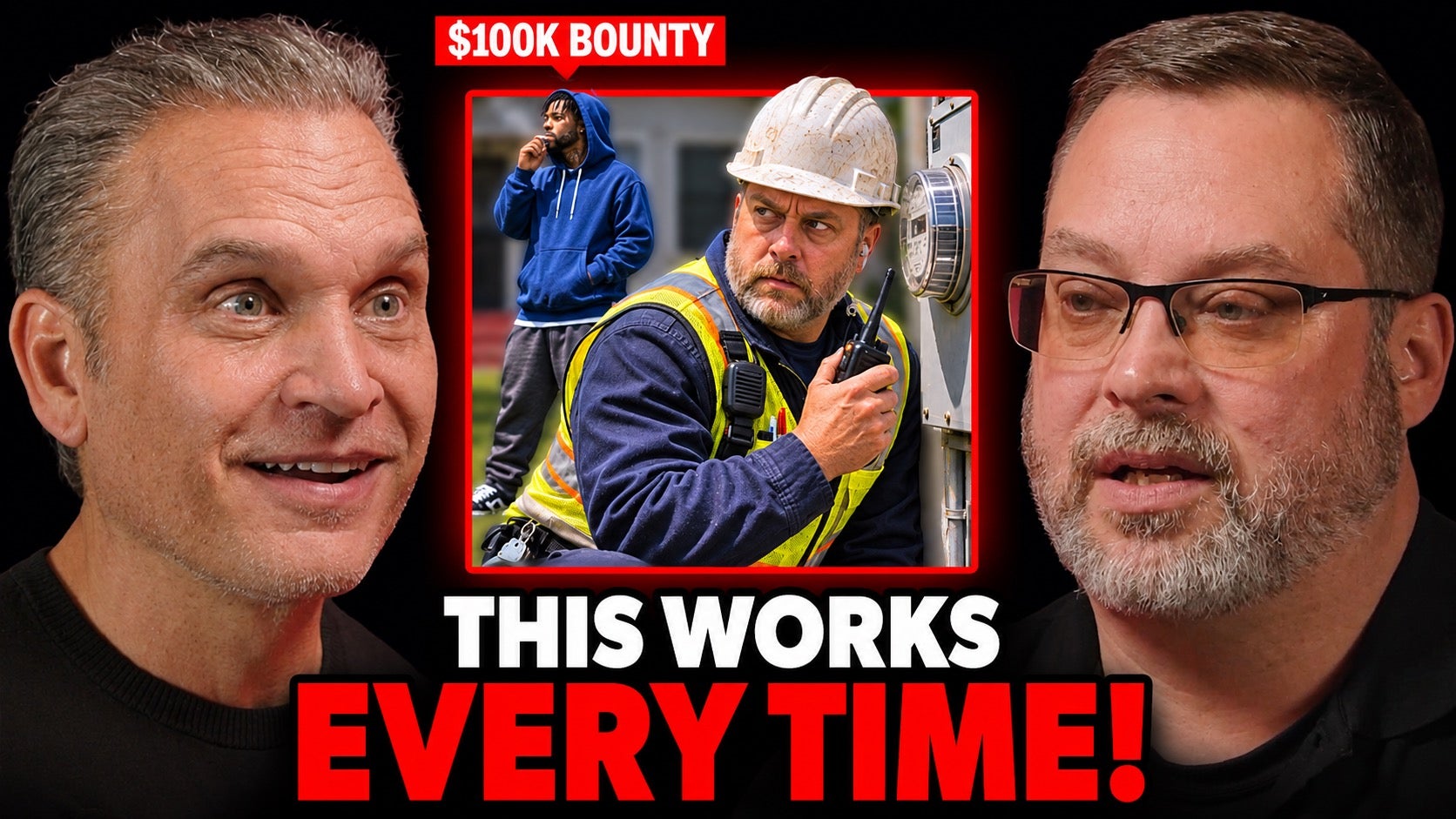
Ready to be seen? Check that appointment off your to-do list with Zocdoc : https://zocdoc.com/itc #sponsored Try Gusto today at https://gusto.com/ITC and get three months free when you run your first payroll. Help Ellis Cook here - https://gofund.me/d50550059 Former bounty hunter Chuck Jordan shares how clever tactics and quick thinking helped him track down fugitives, along with the experiences that shaped his career and changed his approach to the job. Chuck's links - Do you want to be a guest? Shop my merch: https://www.etsy.com/shop/MatthewCoxCollection Send me an email here: [email protected] Do you extra clips and behind the scenes content? Check out my other podcasts here - Follow me on all socials! Instagram: https://www.instagram.com/insidetruecrime/ TikTok: https://www.tiktok.com/@matthewcoxtruecrime Do you want a custom painting done by me? Check out my Etsy Store: https://www.etsy.com/shop/coxpopart Check out my true crime b
What happens when the structure, mission, and identity of military service change—or disappear? John and Victor sit down with Matthew Benko, an Air Force and Air National Guard veteran, to discuss the practical and personal work of transitioning to civilian life. Benko reflects on more than 30 TDYs, deployments, work as a C-130 loadmaster, and his May 2025 retirement from the Air National Guard. The conversation addresses deployment readjustment, career setbacks, burnout, and the importance of honestly assessing mental, emotional, physical, social, and spiritual readiness. They also explore a practical transition framework: acknowledge, accept, process, plan, and action. From personal checklists and creative hobbies to leadership at home, GI Bill-supported training, and experimenting with a small business, this episode offers grounded ideas for service members, veterans, retirees, and spouses navigating what comes next. Episode Timestamps 00:04:22 Active Duty to Air National Guard 00:1
On February 25th, 2023, 24-year-old Jade Benning was enjoying a quiet date night in Nashville, Tennessee, when something went terribly wrong. Hours later, the pregnant young chef was fighting for her life. What initially appeared to be a sudden medical emergency would take a disturbing turn when a mysterious phone call raised questions about what really happened inside her apartment. How to support: Go to - Patreon (https://www.patreon.com/MadnessPod) How to connect: Website (https://mindsofmadnesspodcast.com/) Instagram (https://www.instagram.com/themindsofmadness/) Facebook (https://www.facebook.com/themindsofmadness/) Twitter (https://twitter.com/MadnessPod) Theme and Closing Track: Original compositions created for The Minds of Madness Please check out our sponsors and help support the podcast: Ipsy - To get your first IPSY Original bag for $5, with $10 off the regular $15 monthly subscription, head to Ipsy.com/madness (https://www.ipsy.com/beauty-quiz/skin-tone?cid=ad%3Amadness_gi
A six-year-old girl calls 911 with a terrifying message: "My mom isn't waking up." She's sitting in a vehicle on the side of the road, her mother is unresponsive, and she needs help. But there's one major problem. The 911 dispatcher doesn't know where she is. In this powerful story from Episode 677 of Within the Trenches, Arizona 911 dispatcher Anthony shares the moment he found himself trying to locate a frightened six-year-old with limited location information. After the call was transferred to his dispatch center, Anthony didn't have the wireless location data he needed. He attempted to send the child a location-sharing link, but that didn't work either. This is more than a story about emergency technology. It's about the people answering the calls and finding solutions when the answers aren't immediately available. ️ From Within the Trenches, Episode 677
Episode 678 features Scott Sells, who sat down with me to share his son Masons' story, what the Mason Sells AED Coordination Act is, and how it will help 911 professionals locate nearby AED's and help those in need. This episode is sponsored by RapidSOS - Facebook (https://www.facebook.com/rapidsos) | LinkedIn (https://www.linkedin.com/company/rapidsos/posts/?feedView=all) | X (https://x.com/rapidsos) | Web (https://rapidsos.com/) Learn more about Mason's story - Web (https://masononamission.org/) Episode topics – The events surrounding the sudden cardiac arrest of Mason Sells and the challenges faced during the emergency The gaps in AED accessibility and how a locked device and lack of information impacted the outcome The process of turning personal tragedy into action: advocating for and creating the Mason Sells AED Coordination Act (Senate Bill 399) How the bill connects 911 telecommunicators to AED locations and incorporates technology to speed up emergency responses The vision for
International institutions should explain their decisions to the people affected by them.
Share your view, then see how readers voted. No sign-in required. This poll is shared across stories.
Do you agree or disagree?
Common Quandary
A Common Quandary to discuss
Another conversation to explore, separate from this news story.
A coworker tells you their salary in confidence—and proves everyone else is underpaid. Do you share it?
A coworker privately tells you their salary and asks you not to repeat it. You later realize the figure is strong evidence that several equally experienced colleagues are being underpaid.
When does fairness outweigh a promise of confidentiality?