Listen through the publisher, then discuss the episode here or arrange an in-person Roundtable. Your city determines where to meet.
Roundtables are designed for groups of four, with a shared subject and room for everyone to speak. Come for discussion, with no dating expectation.
View full lesson: http://ed.ted.com/lessons/nadia-al-sakkaf-see-yemen-through-my-eyes As political turmoil in Yemen continues, the editor-in-chief of the Yemen Times, Nadia Al-Sakkaf, talks at TEDGlobal with host Pat Mitchell. Al-Sakkaf's independent, English-language paper is vital for sharing news -- and for sharing a new vision of Yemen and of that country's women as equal partners in work and change. Talk by Nadia Al-Sakkaf.
Episode information is provided by the publisher. Listening takes place on the publisher’s service.
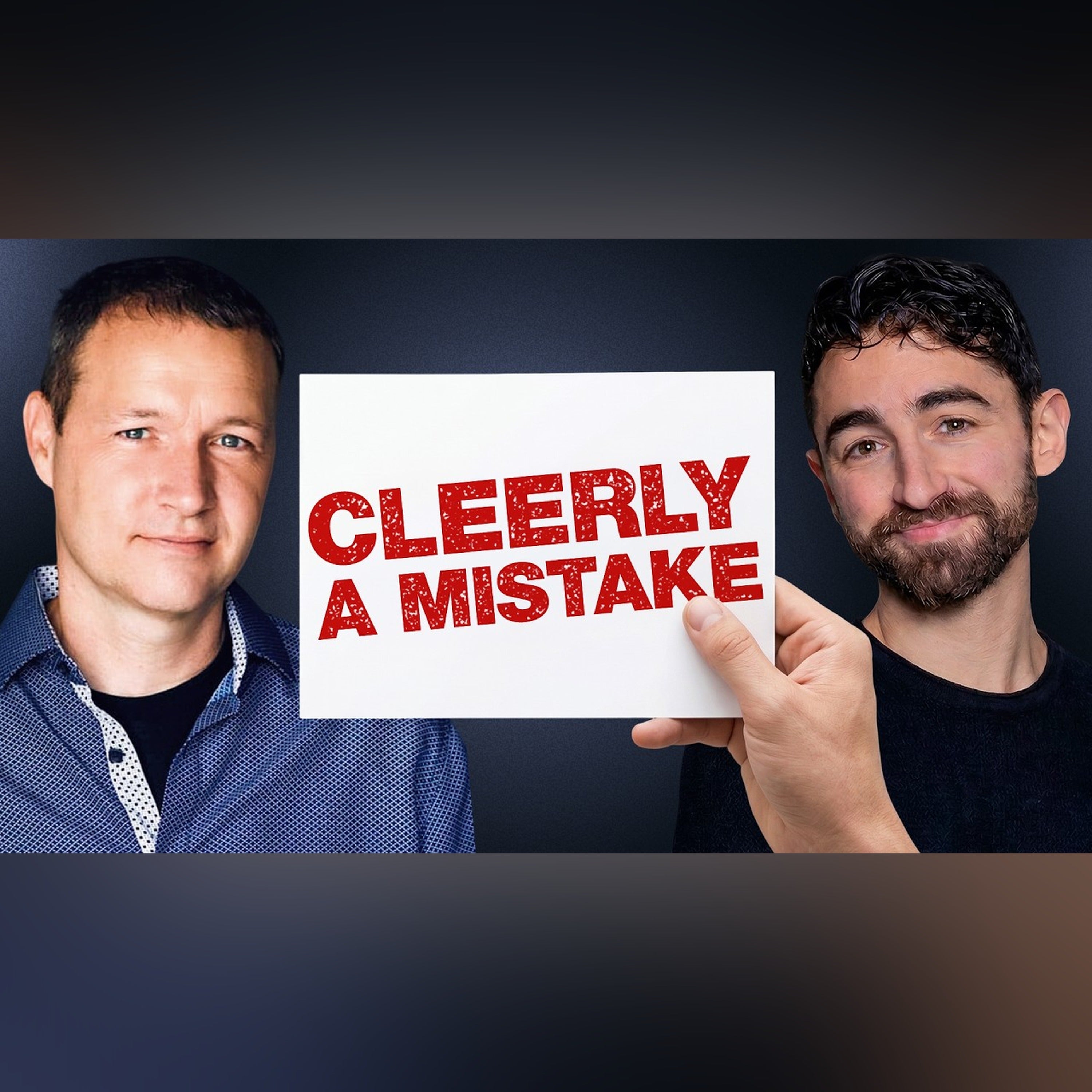
For the written breakdown, see this letter: https://staycuriousmetabolism.substack.com/p/we-want-to-retract-our-own-paper?r=40ekz2 In this conversation, I sit down with my friend and colleague Dave Feldman to explain why we’re seeking to retract our own study. For context: on April 7th, 2025 we published results from a trial of ~100 individuals on low-carb diets whose LDL cholesterol dramatically increased—so-called “lean mass hyper-responders.” We set out to answer a critical question: does this group experience accelerated plaque progression, and what predicts that risk? Our original headline finding—that LDL cholesterol and ApoB did not predict plaque progression—still stands. However, the plaque progression data itself was based on an AI-guided analysis conducted by the company Cleerly. After publication, we discovered that their analysis was performed inappropriately (unblinded) with data suggesting errors or bias in the analysis. Unfortunately, the company declined to reanalyze o
Happy Sunday! Welcome to Heal Squad’s The Sunday Set Up. Life lessons to help you start the week. How much of success comes down to simply showing up? This week, we talk keeping an open mind, taking chances, and recognizing the doors that open along the way. From Olympic athletes appearing on national television alongside Mercedes Moné to performers who keep showing up week after week hoping for their big break, we explore why success isn't always about talent or luck. Sometimes it's about making connections, putting in the effort, and being willing to try without knowing what we'll get in return. We talk knowing when to stop investing time in people who aren't willing to help themselves, and why even experiences that don't work out can teach us something valuable. The takeaway: don't wait for the perfect moment or expect someone else to make things happen. Be willing to take a chance, walk through the doors that open, and remember that half of life is just showing up. Plus, a little b
Today, Mel is taking 58 years of hard-earned life lessons and is packing them into under an hour, to save you some of the time, frustration, and worry it took her to learn them the hard way. In this episode, Mel is fielding real questions from listeners around the world. From making friends and bouncing back from rejection to feeling stuck in life and wondering if it's all going to work out, Mel is sharing the advice she wishes she'd known sooner. And she's not holding back. You'll hear Mel get personal about her own setbacks, and what she's learned about starting over, going after what you want, and trusting yourself when life doesn't go according to plan. You'll learn: -How to stop worrying about the future when nothing feels certain -How to make big life decisions, including whether or not to have kids -How to make new friends as an adult -What to do when you get rejected from your dream job -What to do when a friend ghosts you -How to stop procrastinating and finally follow through
Imagine if every big change in our lives came with a whole community stepping up beside us… In this episode, I sit down with Dr Arne Rubinstein, former GP and emergency doctor, founder of the Rites of Passage Institute, and a man who's spent more than 30 years walking young people across the threshold into adulthood. Arne's work began around a fire at his very first men's gathering, listening to a hundred men wrestle with the same handful of wounds. Then in the Emergency Dpt, he kept meeting teenagers who'd pushed it one step too far... kids trying to become adults with nobody there to hold them. He came to believe every young person will go through a rite of passage either way. The question is whether we leave them to create their own, or gather around and help. We talk about why our culture is so good at turning away from the big moments - from first periods to menopause to death - and what opens up when we turn towards them. We explore: Separation, transformation and integration, an
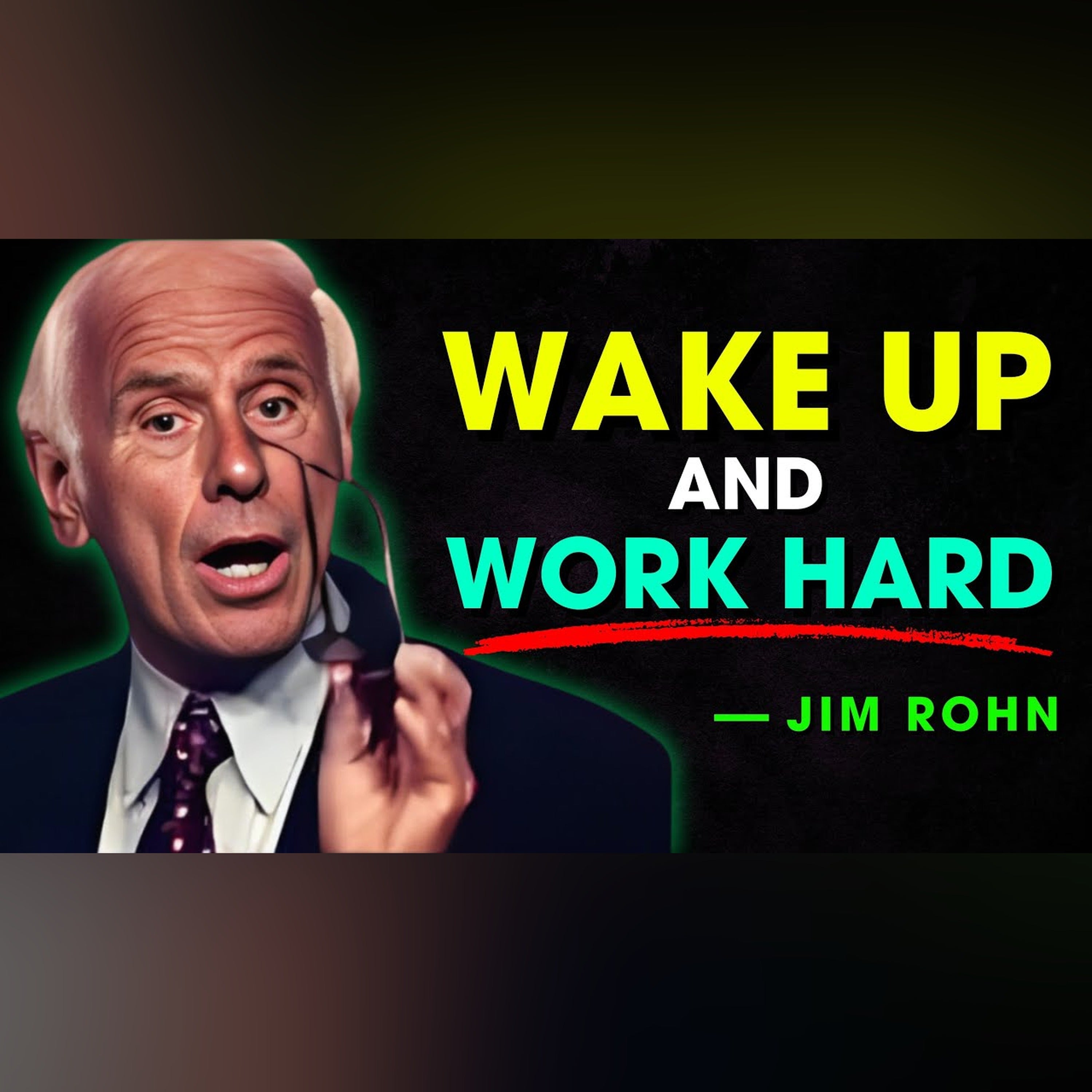
WAKE UP and WORK HARD: THE SECRET TO UNSTOPPABLE SUCCESS - Jim Rohn Motivation #jimrohn #motivation #success #selfdiscipline #selfgrowth #focus ► Speaker: Jim Rohn (AI Voiceover by Jim Rohn Academy) Success doesn’t come to those who wait—it comes to those who work relentlessly every single day. Jim Rohn’s powerful insights remind us that greatness isn’t about luck or talent; it’s about discipline, consistency, and an unshakable work ethic. If you want to achieve unstoppable success, you must wake up, put in the effort, and refuse to make excuses. Uploaded 23-02-25 Key Topics Covered: The Morning Habits of High Achievers: How to start your day with purpose and focus. The Power of Hard Work: Why effort and discipline will always outshine talent. Eliminating Excuses: Stop justifying your failures and start creating success. Staying Committed to Your Vision: Success requires daily effort, not occasional motivation. Becoming Unstoppable: How to cultivate a mindset that refuses to quit. This
View full lesson: http://ed.ted.com/lessons/surviving-a-nuclear-attack-irwin-redlener The face of nuclear terror has changed since the Cold War, but disaster-medicine expert Irwin Redlener reminds us the threat is still real. He looks at some of history's farcical countermeasures and offers practical advice on how to survive an attack. Talk by Irwin Redlener.
Explore what makes polio so dangerous, what is causing the 21st century resurgence of cases, and how we can eradicate the disease. -- In 1952, polio was everywhere: killing or paralyzing roughly half a million people annually. Yet just 10 years later, paralytic polio cases in the US dropped by 96% and we were on track to get rid of polio for good. But in recent years, the virus started striking back. So, what’s behind these recent spikes? Explore the dangers of poliovirus and the possibility of eradicating this deadly disease. Directed by Anton Bogaty. This video made possible in collaboration with Gates Ventures Learn more about how TED-Ed partnerships work: https://bit.ly/TEDEdPartner A special thanks to Ananda Bandyopadhyay, Amber Zeddies, and Kathleen O'Reilly who provided information and insights for the development of this video. Support Our Non-Profit Mission ---------------------------------------------- Support us on Patreon: http://bit.ly/TEDEdPatreon Check out our merch: htt
Todd Humphreys forecasts the near-future of geolocation when millimeter-accurate GPS "dots" will enable you to find pin-point locations, index-search your physical possessions ... or to track people without their knowledge. And the response to the sinister side of this technology may have unintended consequences of its own. (Filmed at TEDxAustin.) Uploaded 26-06-13 Talk by Todd Humphreys.
A club's identity belongs partly to its community, not solely to its owners.
Share your view, then see how readers voted. No sign-in required. This poll is shared across stories.
Do you agree or disagree?
Common Quandary
A Common Quandary to discuss
Another conversation to explore, separate from this news story.
The buffet is unlimited while you are inside. Can one sandwich leave in your pocket?
An expensive hotel brunch advertises unlimited food but forbids takeout. You are full, yet quietly assembling a sandwich for later would cost the hotel almost nothing. Several trays will likely be discarded after service.
Does preventing waste justify ignoring the boundary of a bargain?